PeakMetrics / Fact Checks
Has this been
fact-checked?
Paste a claim or upload an image to find existing fact checks. See what fact-checkers found and read the evidence before you share.
Search fact checks ↓API & integrations ↗Browse by topic
Explore fact checks by subject.
Search fact checks
Search by text or imageLatest fact checks
98,327 published reviewsدلیل ساخت تونلی در جاده سرچم، رسیدن تعداد تونلها به ۱۲ عدد به نیت ۱۲ امام است.
Publisher’s rating: نادرست
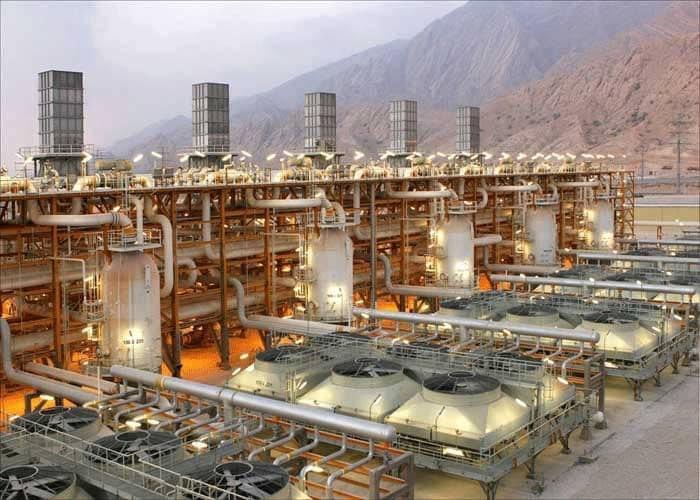
محطة حلب الحرارية المولّدة للكهرباء، بعد إصلاحها من جانب شركة إيرانية.
Publisher’s rating: تضليل
Sinabi ni Pangulong Rodrigo Duterte na "ginamit niya ang kapangyrihan ng pangulo" para kalabanin ng Kongreso ang ABS-CBN broadcasting network.
Publisher’s rating: Flip-flop
Research from related reporting describes the claim as referring to Rodrigo Duterte’s actions against ABS-CBN. It reports that Duterte acknowledged using his “presidential powers” to bring about the network’s shutdown. The same account says he later asserted in a Davao speech, “Kaya tinira ko talaga sila,” while claiming the network had not paid taxes. The report supplies the relevant chronology: ABS-CBN went off the air on May 5, 2020, after the National Telecommunications Commission issued a cease-and-desist order when its franchise expired. Congress rejected the network’s renewal application on July 10, 2020, by a vote of 70–11. This supports the claim’s connection between Duterte’s stated use of presidential power and the effort against ABS-CBN, but the excerpt does not independently establish how his actions affected the congressional vote.
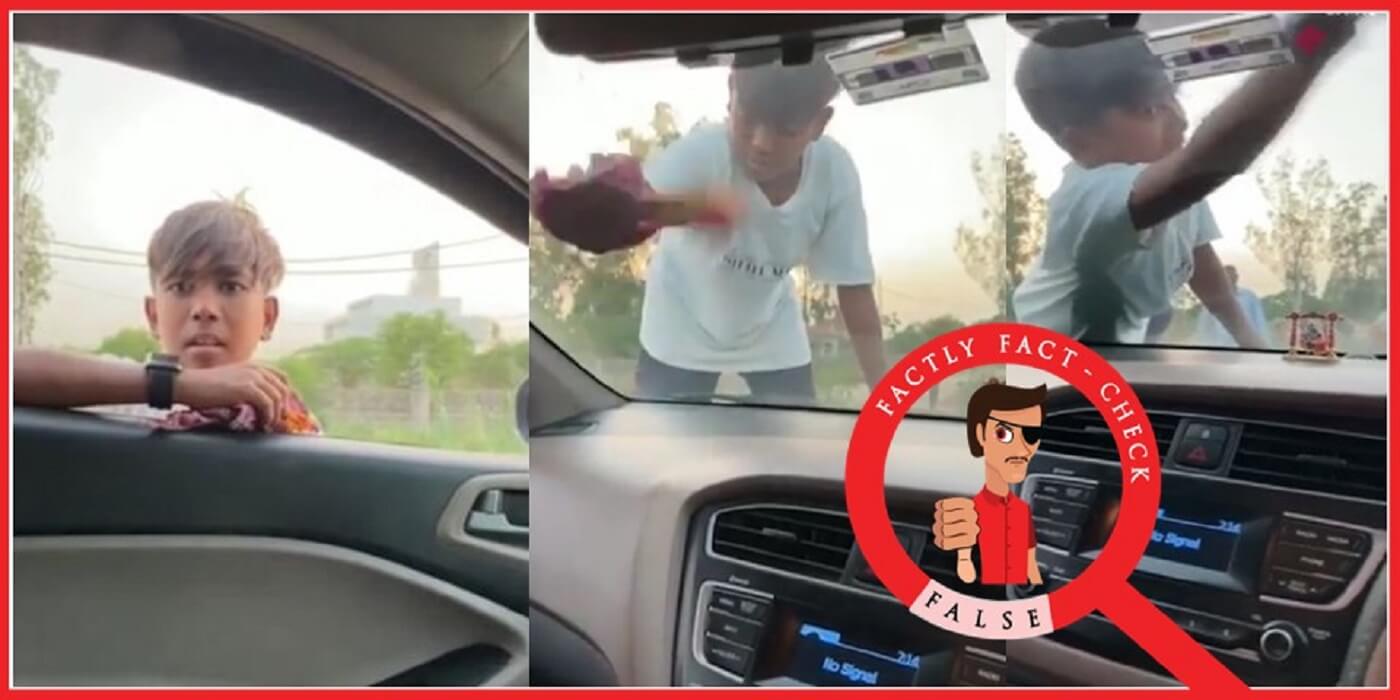
Video of a FASTag scam showing smartwatches scanning FASTags and swiping money from them
Publisher’s rating: FALSE
The claim concerns a video in which a boy appears to scan a car’s FASTag with a smartwatch while pretending to clean its windshield. The review says the video was presented as showing a new way to steal money from FASTags. It concludes that the alleged scam shown in the video is not real: FASTag transactions cannot be initiated by unauthorized devices in the manner depicted. The review explains that the NETC FASTag network supports person-to-merchant transactions, not person-to-person transfers. It says that merchants such as toll and parking plazas must be registered with NPCI, and that onboarded merchants are geolocated and assigned unique plaza codes. On that basis, the review says unauthorized devices cannot initiate FASTag transactions. It also reports that NPCI, Paytm, NETC FASTag and the Press Information Bureau issued statements rejecting the video’s claim; the excerpt does not reproduce the full statements. The review also investigated the video’s provenance. It reports that the clip first appeared on the Facebook page BakLol on 24 June 2022, was later deleted, and was part of a page that regularly posted scripted entertainment videos. The review identifies the clip as scripted drama, rather than evidence of an actual FASTag theft method.

Greta Thunberg eist dat iedereen met een elektrische auto rijdt.
Publisher’s rating: Greta Thunberg eist niet dat iedereen met een elektrische wagen moet rijden. Kobalt wordt inderdaad gebruikt in de productie van batterijen; echter lang niet alleen voor elektrische auto's, maar ook voor onder andere smartphones en laptops. De gedeelde fotomontage toont overigens een kind in een goudmijn, geen kobaltmijn.
The claim links Greta Thunberg to a demand that everyone drive an electric car, using a montage that associates her with a child said to be mining cobalt. The review says it found no evidence for that demand on Thunberg’s Twitter account or among the listed demands of Fridays for Future, the movement that grew from her school strikes. It also reports that the German Fridays for Future website says the movement does not demand specific measures such as everyone driving electric cars, but calls for reducing climate-harming emissions and leaves the means to politicians. The review distinguishes Thunberg’s appearance at the 2019 Madrid climate summit from the claim attributed to her: she arrived in an electric car, but her speech did not concern electric cars. Thus, the cited event does not establish that she urged everyone to use one. The review’s account of the montage also challenges its implied setting: it says the image of the child was made in 2014 in a gold mine in the Central African Republic, not a cobalt mine. The review acknowledges that cobalt is used in batteries, including those for electric cars, and reports that cobalt extraction in the Democratic Republic of Congo is associated with exploitation and child labour. But it explains that cobalt is also used in portable electronics such as smartphones and laptops, and that portable electronics accounted for a larger share of the cobalt market than electric cars at the time described. Its evidence therefore supports neither attributing the alleged demand to Thunberg nor treating the image as a depiction of cobalt mining; the review also cautions that avoiding electric cars alone would not resolve the broader cobalt-related labour problem.

Deze kaart toont aan dat aan de stikstofbrandhaarden in Nederland niet de agrarische gebieden zijn.
Publisher’s rating: Deze bewering is onjuist. De datakaart van Ventusky toont alleen de NO2 uitstoot, is gebaseerd op verschillende meetmodellen en geeft zelf aan geen volledige data te bevatten. De landbouw stoot met name NH3, oftewel ammoniak uit. De aangehaalde kaart geeft geen volledig beeld van de stikstofuitstoot en -depositie in Nederland. Andere bronnen laten zien dat de grootste stikstofbrandhaarden wel degelijk in de landbouwgebieden liggen.


భారత జాతీయ భద్రత మరియు భారత దేశ ప్రజల వ్యక్తిగత ప్రయోజనలను ఉద్దేశించి జాక్ మా చేసిన వ్యాఖ్యలు.
Publisher’s rating: FALSE

Ever since 1947, Kashmiris have never paid electricity bill
Publisher’s rating: FALSE
The post made a sweeping claim that Kashmiris had not paid electricity bills at any time since 1947. FACTLY’s review assessed that assertion using annual tariff records published by the Kashmir Power Distribution Corporation Limited (KPDCL), along with reporting about electricity charges and collection. It says those records show that KPDCL collected tariffs, even though collection was not complete and the power sector faced losses. The review gives collection-efficiency figures from KPDCL’s 2012–13 report: 78% for 2010–11, 90% for 2011–12, and 95% for 2012–13. It also says KPDCL’s 2016–17 report listed revenue from existing tariffs for 2014–15 through 2020–21. The review treats this evidence as showing that residents paid for electricity; incomplete payment does not support the claim that no bills were ever paid. The article also describes contemporary context that could make the claim seem plausible: the government had taken steps to install prepaid smart meters, which locals protested, and the Lieutenant Governor urged residents to pay bills. It notes that some reports used headlines that could suggest electricity had previously been free. The review distinguishes that context from its tariff-record evidence, concluding that nonpayment by some consumers was one part of the sector’s losses, not proof that electricity had been free for Kashmiris since independence.

असा दावा करण्यात येत आहे कि हा व्हिडिओ सानपाडा, नवी मुंबई चा आहे.
Publisher’s rating: FALSE
तीस्ता सीतलवाड़ के परदादा ने उस जनरल डायर को क्लीन चिट दी थी, जिसने जलियांवाला बाग में गोलियां चलवाई थीं.
Publisher’s rating: FALSE

ඔක්තෝබර් වන විට ලංකාවේ අර්බුදය තව දරුණු අතට !!මංකොල්ල කරුවන් බවට පත්වන දුප්පතුන්ගෙන් ධනය ආරක්ෂා කර ගන්න සුදානම් වන්න !!ඕස්ට්රේලියානු Economic Times සගරාවෙන් ධනවතුන්ට සහ මධ්යම පන්තියට අනතුරු ඇගවිම් !!
Publisher’s rating: Misleading
The post attributed a set of alarming predictions about Sri Lanka to an Australian publication called Economic Times, allegedly in an article by Dr. P.H. Hamdeen and Martin Luke dated 22 April 2022. It forecast worsening economic and social conditions by October, including shortages, job losses, rising fuel prices and, in particular, poor people becoming organized robbers who would threaten the property and safety of wealthier households. The review examined whether the cited magazine, authors and article were genuine, rather than verifying each forecast as a prediction of future events. (The post’s wording and attribution are reproduced in the review.)

SSS monthly pension for elderly hiked by P1,000
Publisher’s rating: Misleading

ජනතා විමුක්ති පෙරමුණේ සාමාජිකයන් ප්රකාශ කළ බවට සාවද්ය සටහන් පෙළක්!
Publisher’s rating: Misleading
The review examined a series of social-media posts attributing statements to two JVP figures. One claimed that party leader Anura Kumara Dissanayake said a JVP government would immediately ban recognition of Sinhala as the state language. Another presented a purported newspaper item as a statement by JVP political bureau member Sunil Handunnetthi, saying that thanking the Australian cricket team by wearing yellow was not enough to meet Sri Lanka’s challenges. The review investigated whether either statement had been reported or made as represented. For Dissanayake’s alleged statement, the review says it looked for reports in mainstream media and found none, then asked JVP media coordinator Upul Ranjan. According to the article, Ranjan said the party leader had not made the statement. For the Handunnetthi item, the review compared the circulated image with the actual Mawbima front-page story: it says the authentic item concerned fuel policy, with the headline that the president and prime minister should tell the public how fuel would be supplied, and included a warning against selling existing national assets. The review also reports that Ranjan said Handunnetthi had not made the alleged statement. The article places the yellow-clad spectators in a separate, real event: a large crowd gathered at Colombo’s R. Premadasa Stadium on the 24th to show appreciation to Australian cricketers who had come to Sri Lanka to play a series amid the country’s crisis. Its conclusion is that the circulated posts falsely attributed both the language-policy statement and the cricket-related remark to the JVP members. Thus, the newspaper-image comparison and the party representative’s denials address the specific attributions in the posts, rather than establishing that the statements were genuine.
সিলেটে বন্যা অবনতি ~ ভেসে যাচ্ছে ঘর বাড়ি
Publisher’s rating: False

පෙට්රල් යැයි පවසා මුත්රා බෝතලයක් රුපියල් දහසකට අලෙවි කිරීමක් හේතුවෙන් පුද්ගලයෙකු අත්අඩංගුවට?
Publisher’s rating: Misleading
The review investigated a social-media post claiming that a person had been arrested for selling a bottle of urine as petrol for Rs. 1,000. It describes an image circulating as though it came from Hiru News’s official Facebook account; versions of the post also named different supposed suspects and locations. The review says the image had been edited and that people were sharing it as genuine. (The article describes the claim in these terms: “පෙට්රල් යැයි පවසා මුත්රා බෝතලයක් රුපියල් දහසකට අලෙවි කළ පුද්ගලයෙකු මීගලෑවේචී අත්අඩංගුවට”.) To check the purported report, the reviewers say they looked for it in mainstream reporting and on News.lk’s website and official Facebook account, and contacted Hiru News staff. They report finding no mainstream report of an arrest for this alleged sale; News.lk had not published the purported story, and Hiru News staff said neither the image nor the story had appeared on the outlet’s official Facebook page and called it false. The review also quotes Police Media Spokesperson Senior Superintendent Nihal Thalduwa as saying there had been no report of such information or an arrest. Taken together, these checks contradict the post’s presentation as a genuine Hiru News report of an arrest. The article’s update mentions a separate report from Negombo: Ada Derana had reported that someone sold urine as fuel to a person stranded without fuel. The review says it intended to seek further information from Negombo Police before updating that item. That limited reference does not establish the specific claimed Rs. 1,000 sale or an arrest; the review’s account of the viral Hiru News image and its checks addresses the claim under examination.
Where the data comes from
Fact checks come from Data Commons and link to the organizations that published them.
What you’ll find
Each result links to the original fact check. Open it to read the publisher’s findings, with summaries and supporting sources where available.
Report an error
To report an error, send the page URL and supporting evidence.