PeakMetrics / Fact Checks
Has this been
fact-checked?
Paste a claim or upload an image to find existing fact checks. See what fact-checkers found and read the evidence before you share.
Search fact checks ↓API & integrations ↗Browse by topic
Explore fact checks by subject.
Search fact checks
Search by text or imageLatest fact checks
98,314 published reviews
Audio recording of Ferdinand Marcos Sr. criticizing Cory Aquino for disallowing the operation of the Bataan Nuclear Power Plant
Publisher’s rating: Unproven

Visuals showing Donald Trump’s daughter visit to Owaisi hospita
Publisher’s rating: FALSE
The video was presented as showing Donald Trump’s daughter visiting an Owaisi-managed hospital in Hyderabad. FACTLY identifies the woman in the footage as Brianna Cook, an American businesswoman and founder of IoTeedom, rather than either of Trump’s daughters, Ivanka or Tiffany. The review says Cook was part of Ivanka Trump’s delegation to the Global Entrepreneur Summit, held in Hyderabad from 28 to 30 November 2017, and visited Princesses Esra hospital, managed by the Owaisi brothers, on 1 December 2017. The distinction matters: Cook’s connection to Ivanka’s delegation did not make her Trump’s daughter. [S1] The review describes checks of the woman’s identity and the video’s provenance. It says FACTLY compared images of Ivanka and Tiffany with the woman in the viral clip, and found longer footage from which the clip was extracted. In that footage, the woman introduces herself as “Brain Cook from United States, with the delegation of Mrs. Ivanka Trump.” The longer video was uploaded on YouTube on 1 December 2017. These details support the review’s identification of the visitor as a delegation member, not Trump’s daughter. [S1] The chronology further separates Cook’s visit from Ivanka Trump’s travel: FACTLY reports that Ivanka left Hyderabad on 29 November, before Cook visited the hospital on 1 December. It also says a correspondent for Sharp Indians TV News & Entertainment confirmed Cook’s hospital visit to AFP, and that local Hyderabad media reported her meeting with Akbaruddin Owaisi on 30 November. Taken together, the review’s identification evidence and timeline show why the footage could depict a visitor associated with Ivanka’s delegation without showing Trump’s daughter at the hospital. [S1]
"For the Labor Party, they got the lowest primary vote, I think, since 1910."
Publisher’s rating: In the ballpark


A group of people abducted their ward councillor for neglecting the issues, and not visiting the ward after getting elected
Publisher’s rating: MISLEADING
The claim concerns a video said to show residents abducting their councillor because he had not visited the ward after being elected. The review identifies the person in the video as Tufail Ansari, councillor for Ward No. 79 of the Varanasi Municipal Corporation, and places the incident in November 2020 in Ambiya Mandi, Varanasi, Uttar Pradesh. It reports that the dispute was about an unresolved sewage-water-logging problem, rather than simply a failure to visit the ward. According to the review, streets in Ambiya Mandi had experienced severe waterlogging for two to four months because of improper sewage management. Residents had complained several times, but the issue remained unresolved. The review says locals took Ansari while he was walking in the streets, tied him to a chair and placed him in sewage water for almost an hour, while protesting what they saw as local-administration negligence. This account supports a connection between the incident and unresolved ward problems, but does not support the video’s broader claim that the abduction was because Ansari had not visited after his election. The review also notes that Varanasi municipal elections had been held in 2017 and the next election was due in 2022. It uses that timeline to reject an alternative implication that the councillor was campaigning for an upcoming election. Its conclusion is that the video is being presented with a misleading account of why the locals restrained him.

Recent video of alcohol distribution by BJP workers in Telangana
Publisher’s rating: MISLEADING
The claim concerns a video presented as recent footage of BJP workers distributing alcohol in Telangana, in connection with the BJP National Executive Meeting. FACTLY concluded that the video was old and unrelated to that meeting. It reports that the footage had circulated in December 2021, when Congress handles shared it and Srinivas BV, then National President of the Indian Youth Congress, alleged that BJP had served alcohol to draw a crowd to a JP Nadda rally in Haridwar. To investigate the footage, FACTLY says it conducted a reverse image search using screenshots from the viral video. That search found a video with similar visuals in a tweet published on 20 December 2021. This earlier circulation predates the Telangana meeting referenced in the claim and is the principal provenance evidence cited in the review. The article also notes a qualification: the audio in the viral video differs from the older video, so the visual similarity does not establish that the two recordings are identical in every respect. The review’s conclusion is that the video is not evidence of alcohol distribution at the Telangana meeting. Its account instead traces similar visuals to online circulation in 2021 and to an allegation about a rally in Haridwar. In a later update, FACTLY says the same video was also linked to the December 2022 Kudni bye-elections in Bihar, and that in September 2023 it circulated with a claim about the Parivarthan Yatra. The article says that 2023 claim was also false because the video had circulated since 2021 and was not linked to that yatra.
Lemon juice with oregano be a substitute for antibiotics
Publisher’s rating: False

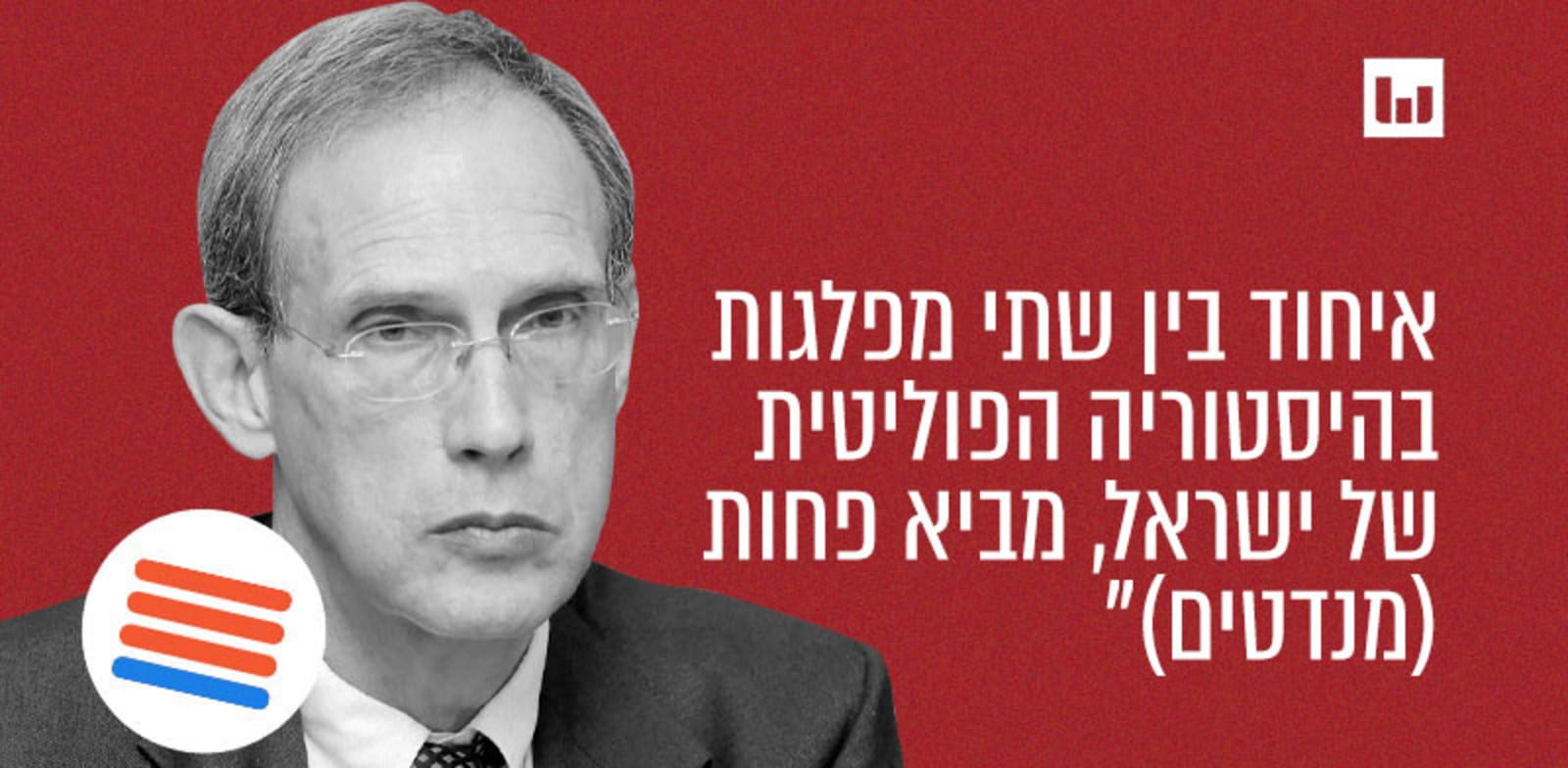
איחוד בין שתי מפלגות מביא פחות מנדטים
Publisher’s rating: לא נכון ברובו

Photo showing a foetus footprints on the mother’s belly
Publisher’s rating: MISLEADING
The review examines an image shared as a photograph of a foetus’s footprints visible on its mother’s belly. It reports that reverse-image searches found the image circulating online at least since 2004, and that Snopes had addressed it in 2004 and later updated its article with a doctor’s clarification in 2018. The review also says AP News and other outlets identified the image as manipulated. These findings concern the image in the claim, rather than merely a similar pregnancy image. The review explains that a pregnant person may show a bulge from a foetus’s limbs, but says doctors consulted in reporting on this image considered the visible foot detail implausible. It quotes Dr Laura Riley saying that such definition would mean the uterus had ruptured, and explaining that the baby is inside the uterus and the uterine wall is thick. The review also cites Jennifer Gunter’s assessment that the image appeared to be photoshopped. The review does not identify the creator of the specific image in the post. Instead, it notes that photographer Lev Dolgachov created a similar digital artwork of a pregnant belly with a visible footprint in 2017, and says the original image on which those footprints were added could be seen. On the evidence it describes, the review concludes that the claimed image is most likely digitally created, not a real photograph.

ප්රවීණ රංගන ශිල්පී ජැක්සන් ඇන්තනී ජීවිතක්ෂයට පත් වූ බවට අසත්ය සටන් පෙළක් !
Publisher’s rating: False
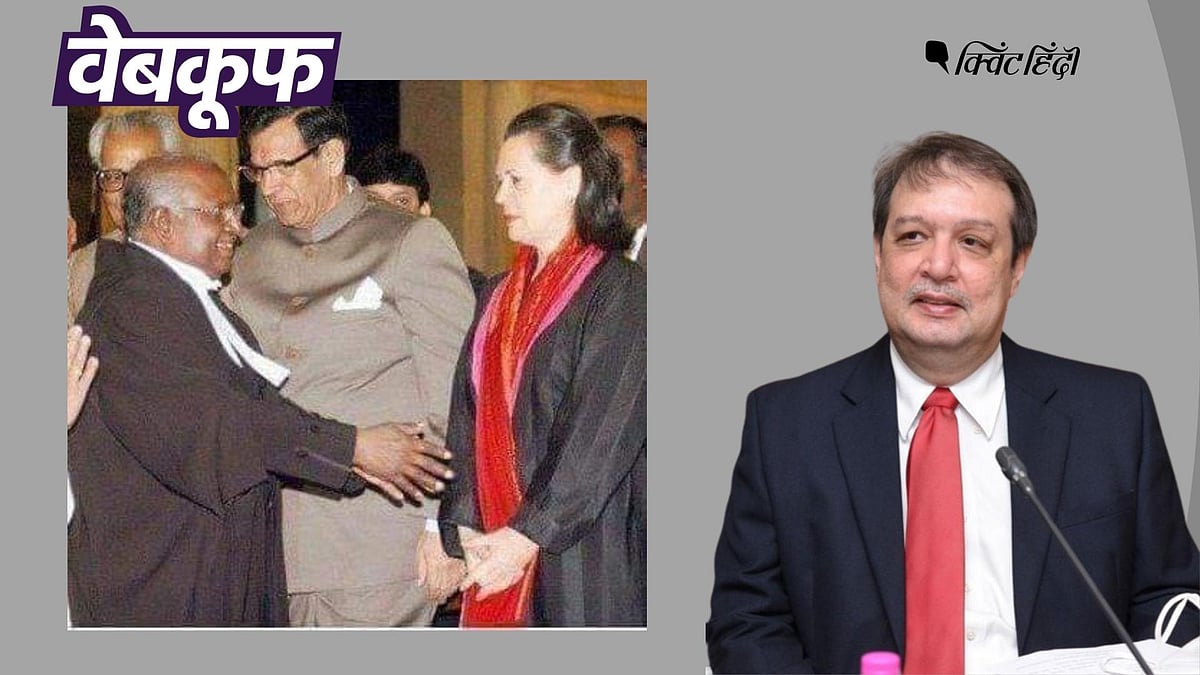
In einem Video der ukrainischen Armee wird ein homosexueller Soldat mit seinem Partner gezeigt.
Publisher’s rating: Das Originalvideo stammt aus Großbritannien und wurde nachträglich verändert. Das vermeintliche Rekrutierungsvideo ist also eine Fälschung.
The claim concerns a video circulated in June 2022 as a Ukrainian military appeal to recruit gay men. The DPA review identifies the central footage as a soldier getting off a plane and being greeted by his partner, but says that scene is from a 2012 British short film—not a video made by the Ukrainian army. The film was produced by the Coalition for Equal Marriage, which campaigned for marriage equality for gay couples. The review describes several changes in the circulated version. Scenes showing the British flag were removed, while an emblem of Ukraine’s ground forces and a phone number were added; Ukrainian-language text replaced the original ending. It also notes that music was added and footage of the Ukrainian army was inserted, including a brief view of a uniform bearing a Ukrainian emblem. These edits make the video appear to be an official Ukrainian recruitment message, although the footage of the soldier and his partner came from the earlier British film. The DPA’s account therefore distinguishes the source of the original scene from the altered video that circulated: the scene of the couple is British footage from 2012, while Ukrainian military imagery and recruitment-related elements were added later. The review does not describe the alleged recruitment video as an authentic Ukrainian army production.
കുത്തിയൊലിച്ച് ച്ച ഒഴുകുന്ന വെള്ളത്തിൽ നിന്നും കുഞ്ഞുങ്ങളെ സാഹസികമായി രക്ഷപെടുത്തുന്ന അച്ഛൻറെ ദൃശ്യങ്ങളാണ്
Publisher’s rating: FALSE
امنیهای که زنجیر میرزا رضا کرمانی، قاتل ناصرالدینشاه را در دست دارد، پدر رضاشاه است.
Publisher’s rating: شاخدار

Die Fotos zeigen russenfeindliche Aufkleber in Auschwitz.
Publisher’s rating: Eines der Fotos stammt aus dem Vernichtungslager Lublin-Majdanek. Bei den anderen Bildern gibt es Hinweise darauf, dass die Aufkleber eine Fotomontage sind. Die Gedenkstätte Auschwitz-Birkenau erklärte, dass sie weder derartigen Aufkleber gefunden habe noch die Überwachungskameras Hinweise darauf geliefert hätten.
The photos circulated on Facebook as evidence that anti-Russian stickers had been placed at Auschwitz-Birkenau; some posts also blamed Ukrainians. The stickers shown carried an English message invoking Zyklon B, the poison used to murder millions of people in Nazi gas chambers. The investigation found that the pictures did not establish that the stickers had been put up at Auschwitz. (S1: “Auf Facebook verbreitete Fotos sollen beweisen, dass im ehemaligen Vernichtungslager Auschwitz-Birkenau russenfeindliche Aufkleber angebracht wurden. Teilweise wird behauptet, Ukrainer seien dafür verantwortlich.”; “Drei der vier Fotos zeigen schwarz-weiß-rote Aufkleber mit einer englischen Aufschrift, die übersetzt lautet: «Russland und Russen: Das einzige Gas, das ihr und euer Land verdient, ist Zyklon B». Sie sollen an verschiedenen Stellen des ehemaligen Vernichtungslagers Auschwitz-Birkenau aufgeklebt worden sein. Mit dem Giftgas Zyklon B wurden in den Gaskammern der Nazis Millionen Menschen getötet.”) One of the four images was not from Auschwitz at all: it showed a real Zyklon-B canister label at the former Lublin-Majdanek extermination camp. For the three images depicting stickers, the review reports that forensic image analysis found differences in pixel quality around the stickers compared with the rest of each image, which is evidence consistent with digital alteration. The genuine canister image did not show those anomalies. (S1: “Diese sind auf dem vierten Bild in dem Facebookpost zu sehen, das also nachweislich nicht wie behauptet aus Auschwitz, sondern aus dem Vernichtungslager Lublin-Majdanek stammt.”; “Mit Forensically, einer Software zur Analyse von Fotos, erkennt man auf drei der vier geteilten Fotos, dass die Pixelqualität («Error Level Analysis») im Bereich der Aufkleber vom Rest des Bildes abweicht. Dies spricht für eine Fotomontage. Auf dem Foto der echten Zyklon-B-Kartusche sind mit Forensically keine Auffälligkeiten an den Etiketten zu entdecken.”) The Auschwitz-Birkenau Memorial reported that staff found no such stickers at the depicted locations, and security cameras recorded no one placing anything there on or before June 22. It also said its analysis found the photos manipulated, with the stickers digitally added. Taken together, the image provenance, forensic findings and site checks undermine the claim that the photos show real anti-Russian stickers placed at Auschwitz. (S1: “Die Gedenkstätte Auschwitz-Birkenau erklärte in einem Statement auf Twitter, dass an den auf den Bildern abgebildeten Orten keine derartigen Aufkleber gefunden wurden und dass die Sicherheitskameras niemanden gefilmt haben, der am oder vor dem 22. Juni etwas an den Orten angebracht hat.”; “Eine Analyse habe ergeben, dass die Fotos manipuliert und die Aufkleber digital hinzugefügt worden seien.”)


ජැක්සන් ඇන්තනීගේ කැබ් රථයට හසු වූ වන අලියාගේ ඡායාරූපයක් ද?
Publisher’s rating: False
The investigation examined a social-media photograph circulated as showing the wild elephant struck by actor Jackson Anthony’s cab. Posts paired the image with a message about people wishing Anthony well while few wished the animal well; the review says readers consequently assumed that the pictured elephant was the one involved in the Sri Lankan crash. The crash occurred near Moragoda, in the Talawa area of Anuradhapura, on the night of July 2. Anthony and two other cab occupants were taken to hospital, and Anthony was later transferred to Colombo National Hospital. To check the photograph’s identity, the investigators report that they looked for photographs of the injured elephant in mainstream media and found none, then submitted the circulating image to a reverse-image search. The search led to an earlier incident in Jalpaiguri district, West Bengal, India: the pictured elephant had been severely injured after colliding with a train engine in September 2019. The review also says a wildlife blog reported that this elephant later died. Thus, the image’s documented origin is an earlier Indian railway incident, not the cab collision in Sri Lanka. The review distinguishes that miscaptioned image from accounts of the elephant struck by Anthony’s cab. It reports that villagers said the Sri Lankan elephant got up and walked away, later rejoined its herd in the Moragoda reserve, and had injuries particularly affecting its front legs. The review says wildlife officers and a local elephant-conservation group were taking steps to treat it, while its precise condition could not yet be determined without closer examination. The evidence therefore supports the conclusion that the circulated photograph does not depict the elephant from the cab crash.
Where the data comes from
Fact checks come from Data Commons and link to the organizations that published them.
What you’ll find
Each result links to the original fact check. Open it to read the publisher’s findings, with summaries and supporting sources where available.
Report an error
To report an error, send the page URL and supporting evidence.