PeakMetrics / Fact Checks
Has this been
fact-checked?
Paste a claim or upload an image to find existing fact checks. See what fact-checkers found and read the evidence before you share.
Search fact checks ↓API & integrations ↗Browse by topic
Explore fact checks by subject.
Search fact checks
Search by text or imageLatest fact checks
98,314 published reviews

Death Of An Army Soldier During the Clashes Between the Security Forces and Anti Government Protestors!!
Publisher’s rating: Misleading!!

Justin Bieber Blamed Covid-19 Vaccine For His Facial Paralysis !!
Publisher’s rating: False
Fact Crescendo says the viral allegation came from a Vancouver Times article, which it identifies as satire. It reports that Bieber attributed his facial paralysis to Ramsay Hunt syndrome and concludes that he did not blame the COVID-19 vaccine or Pfizer.
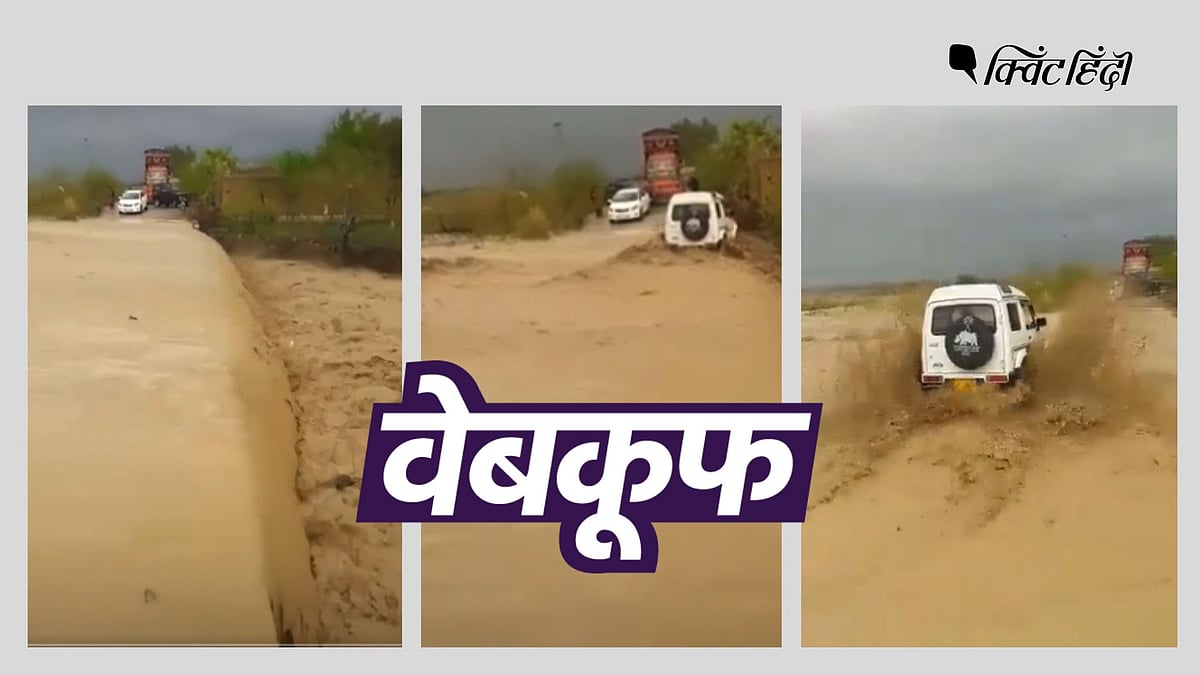
तेलंगाना में पत्रकार की जीप बाढ़ में बहने का वीडियो
Publisher’s rating: FALSE
តាមស្ថានការស្រាវរបស់សមត្ថកិច្ចបានតម្រូវឱ្យដឹងថា អ្នកនៅក្រោយខ្នងឃាតករសម្លាប់លោក កែម ឡី គឺជាអតីតភិរយារបស់លោក។
Publisher’s rating: Misleading

ජුලි 09 අරගලයට පැමිණි දුම්රියක මගීන්ට නොමිලයේ ප්රවේශ පත්ර මිලදී ගත් ගුරුවරිය ?
Publisher’s rating: Misleading
The claim was that Geethani Shyamali Herath, an English teacher known through the “Aya Ma” YouTube channel, paid for tickets for all passengers on a train travelling to Colombo for the July 9, 2022 protest. The review says the posts circulated with her photograph and attributed the ticket purchase to her; some versions specified the train from Kandy. The review’s account of the allegation distinguishes it from the separate claim about a train departing Anuradhapura, where Herath was involved in urging officials to run the service. [S1: “සමාජ මාධ්ය සටහන් : ‘මේ ටීචර්… තමා මුලු කොච්චියටම ටිකට් අරන් දුන්නේ… කොළඹට එන ට්රේන් එකෙ ඔක්කොටම රුපියල් එක්ලක්ෂ ගානක් දීලා ටිකට් ගත්ත ටීච..’”] [S1: “එම අවස්ථාවේ දුම්රිය ධාවනය කරවීම සඳහා මූලිකත්වය ගෙන අදාළ ආයතන වලින් ඉල්ලීම් කළ බව සත්ය”] The review reports that Herath denied buying tickets for everyone on the train. She said a Kandy businessman had provided free tickets to passengers gathered to travel to Colombo, and that this incident led people to mistakenly attribute the purchase to her. The account therefore separates her role in getting the Anuradhapura train running from the ticket donation associated with another person. [S1: “තමන් එම අවස්ථාවේ දුම්රිය ධාවනය කරවීම සඳහා මූලිකත්වය ගෙන අදාළ ආයතන වලින් ඉල්ලීම් කළ බව සත්ය නමුත්, දුම්රියේ සියලු දෙනාට දුම්රි ප්රවේශ පත්ර මිලදී ගැනීමක් සිදු නොකළ බවයි.”] [S1: “මහනුවර ව්යාපාරිකයෙක් විසින් එදින කොළඹ බලා පිටත් වීමට රැස් වී සිටි මඟින් සියලු දෙනාට දුම්රිය ප්රවේශ පත්ර මිලදී ගෙන නොමිලේ ලබා දී තිබු බවට සටහන් පැතිර ගිය අතර”] As checks described in the review, its reporters asked Herath, the Anuradhapura station master, and the Kandy station master about the alleged purchases, and spoke with several passengers. The Anuradhapura station master said no individual had bought tickets for everyone; the Kandy station master said neither advance seat reservations nor a single-person purchase of tickets for passengers had occurred there. Several passengers, however, told the reviewers that a businessman had handed out free tickets. These accounts support the review’s distinction between the teacher and the reported donor. [S1: “අනුරාධපුර දුම්රි ස්ථානාධිපතිවරයාගෙන් ද, විමසීමක් කළ අතර ඔහු සඳහන් කළේ, එලෙස තනි පුද්ගලයෙක් විසින් දුම්රි ප්රවේශ පත්ර ලබා නොගත් බවයි.”] [S1: “ඔහු සඳහන් කළේ, එදින ආසන කලින් ගෙවා වෙන් කිරීමක් හෝ එක් පුද්ගලයෙකු විසින්, එහි මගීන් සඳහා දුම්රිය ප්රවේශ පත්ර මිලදී නොගත් බවයි.”] [S1: “එදින ගමන් ගත් මගීන් කිහිප දෙනෙකුගෙන් විමසා සිටි අතර ඔවුන් පවසා සිටින්නේ, එක් ව්යාපාරිකයෙකු විසින් එදින ගමන් ගත් මගීන්ට ප්රවේශ පත්ර නොමිලේ ලබා දුන් බවයි.”]

Cantor morreu agora. Brasil em luto. A vida é um sopro MORRE Lenda Da Música, Cantor FÁBIO JÚNIOR Pai de Fiuk
Publisher’s rating: Falso
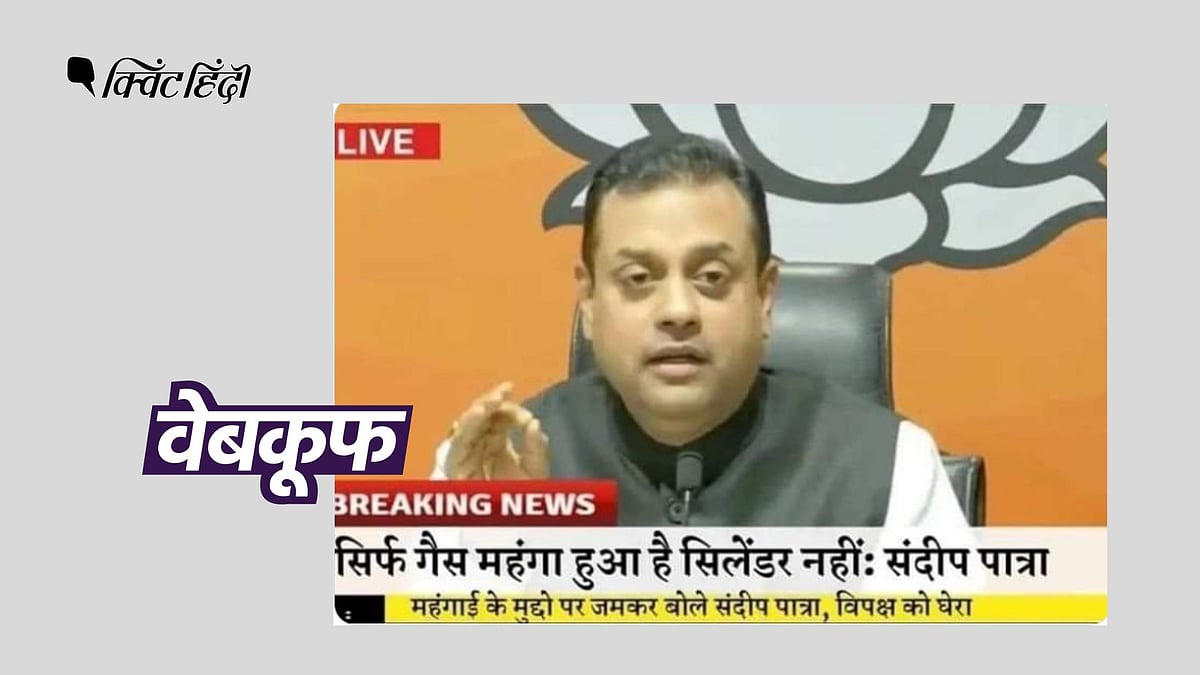
संबित पात्रा ने कहा सिर्फ गैस की कीमत बढ़ी है, सिलेंडर की नहीं
Publisher’s rating: FALSE
Facebook user posted a photo showing Sam Rainsy wearing a blue jacket, a striped tie and a backpack. The same photo also shows Sam Rainsy showing his thumb and standing close to a pro-opposition activist in South Korea called Ah Song Ha.
Publisher’s rating: Altered
“BANDEIRA NACIONAL SERÁ PROIBIDA DURANTE AS ELEIÇÕES”
Publisher’s rating: Falso

A purported website of Google Pay alluring cash rewards up to 1999 rupees
Publisher’s rating: FALSE
The claim concerns a website shared on social media that purported to be Google Pay and promised rewards of up to 1999 rupees after users scratched a digital reward card. FACTLY says it checked the linked site and found it was not Google Pay’s official website; it also reports that Google Pay had not announced such rewards on its official site. The review describes the offer as a route to a payment request, not a genuine cash reward. (S1) In the review’s account, scratching the card revealed an amount, and pressing the “CLAIM YOUR REWARD IN BANK” button redirected users to the Google Pay app and asked them to pay that same amount to an unknown bank account. FACTLY further notes that Google Pay and other digital wallets do not require customers to pay money or enter a UPI PIN to receive money or rewards. That described flow is the key evidence against the offer’s legitimacy: the purported reward required the user to send money. (S1) The review concludes that the purported website was fraudulent. It also reports that Google Pay’s official Twitter account responded to tweets about these fraudulent websites by directing users to help for possible fraud victims. The excerpt does not identify the site operator or document what happened to any individual users, so those details cannot be established from the supplied evidence. (S1)
Украина продает оружие, которое западные страны передают для ВСУ
Publisher’s rating: Намеренно созданный фейк


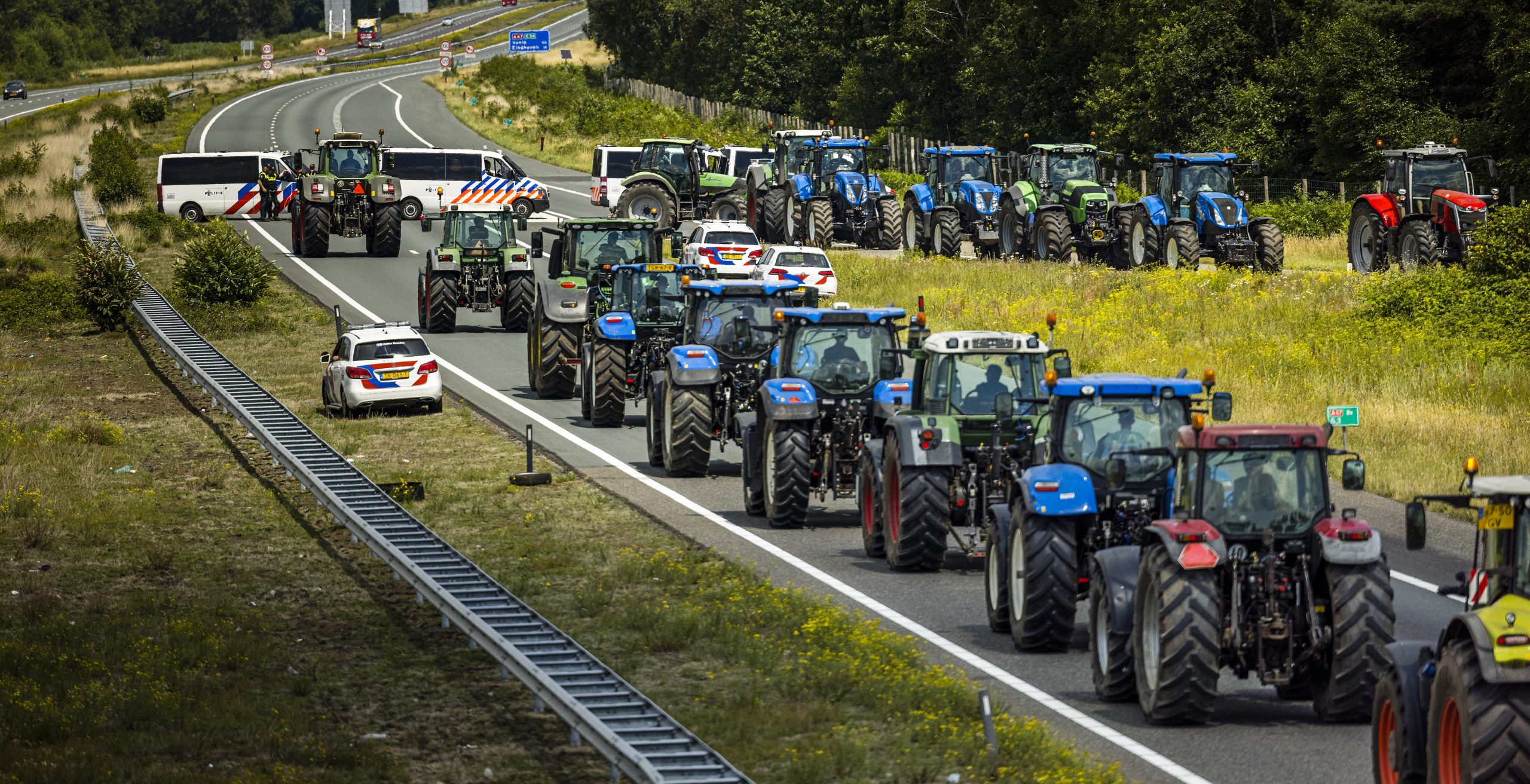
Die Medien berichten gar nicht oder nicht ausreichend zu den Bauernprotesten in den Niederlanden.
Publisher’s rating: Weder stimmt die Behauptung, dass die etablierten Medien die Bauernproteste ignorieren oder gar verheimlichen würden, noch stammt das geteilte Foto von den aktuellen Protesten.
The claim was that established media were not reporting, or were reporting too little about, Dutch farmers’ protests. The review addresses the allegation that coverage was absent or concealed, and describes protests against planned reductions in the Netherlands’ nitrogen emissions. It reports that the protests had already received media coverage before the social-media post under examination appeared: reporting began before the first protests formed, and a Google News search for the topic returned numerous results even when restricted to the period before the post of 4 July. This evidence contradicts the claim that there was no reporting. The excerpt does not quantify coverage or set a benchmark for what would count as “enough,” so it does not establish how much coverage would be sufficient. The review also investigated the photograph often shared with the complaint about media coverage. It found that the image was not from the protests in the first week of July 2022, but from a protest in Bilthoven in 2019. The review says the image had also appeared in some current media articles, a detail that could make it seem connected to the later protests. Its comparison of the scene’s features, including the positions of bystanders and vehicles and the viewing angle, identified the older image as the one used in the posts.

ಭಗವಾನ್ ರಾಮನು ತನ್ನ ಆದರ್ಶ ಮತ್ತು ಮೊಘಲರಲ್ಲ ಎಂದು ಅಜಂ ಖಾನ್ ಇತ್ತೀಚೆಗೆ ಹೇಳಿಕೊಂಡಿದ್ದರು.
Publisher’s rating: MISLEADING
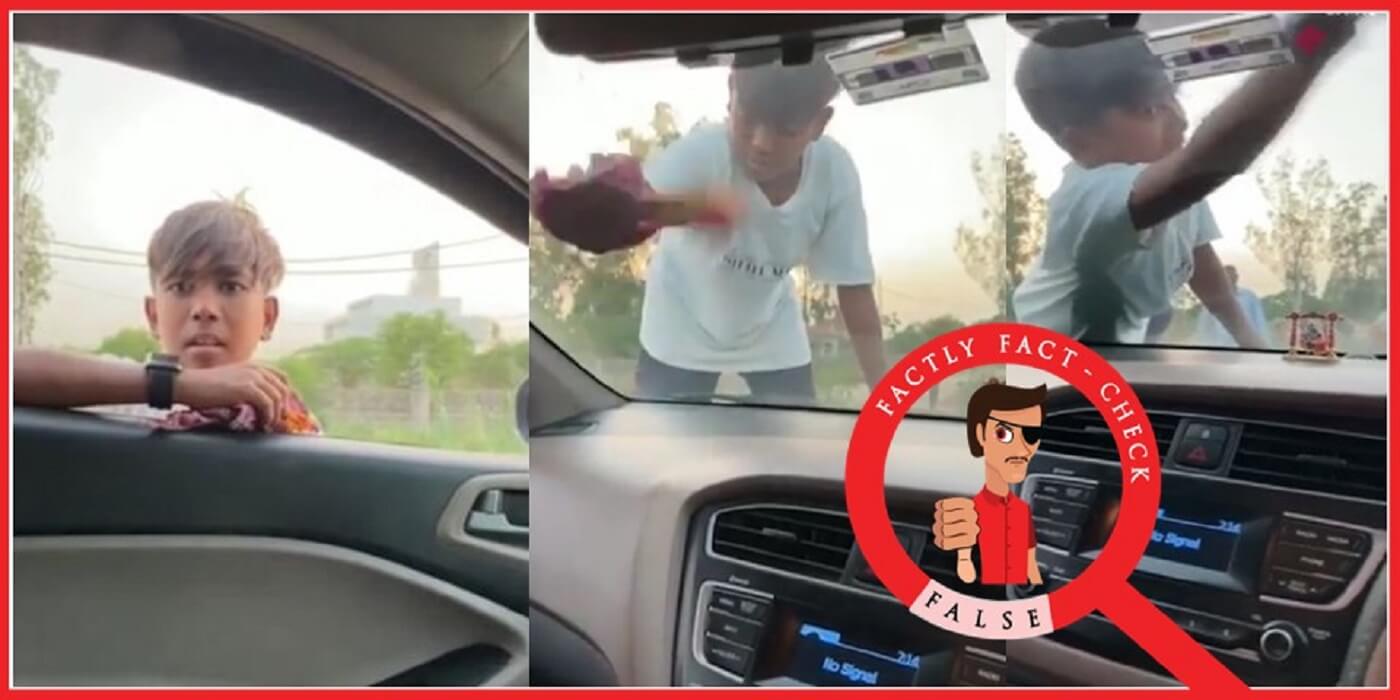
ទំព័រហ្វេសប៊ុកមួយដែលមានឈ្មោះថា កាមទេព លីម ហុង បានអះអាងនៅលើបណ្ដាញសង្គមថា អ្នកប្រើប្រាស់ហ្វេសប៊ុកដ៏ល្បីឈ្មោះ លោក ផែង វណ្ណៈ បានជាប់ពន្ធនាគារហើយ។
Publisher’s rating: False
Where the data comes from
Fact checks come from Data Commons and link to the organizations that published them.
What you’ll find
Each result links to the original fact check. Open it to read the publisher’s findings, with summaries and supporting sources where available.
Report an error
To report an error, send the page URL and supporting evidence.