PeakMetrics / Fact Checks
Has this been
fact-checked?
Paste a claim or upload an image to find existing fact checks. See what fact-checkers found and read the evidence before you share.
Search fact checks ↓API & integrations ↗Browse by topic
Explore fact checks by subject.
Search fact checks
Search by text or imageLatest fact checks
98,314 published reviews
Fotoğrafın, Esad rejimi komutanlarının ‘TSK operasyonu’ hazırlığını gösterdiği iddiası
Publisher’s rating: Yanlış
The claim concerned a social-media photo said to show Syrian forces preparing an operation against Turkey. The review says the image was taken from a video of students graduating from an advanced lightning course at Syria’s Military Academy, rather than depicting the preparation alleged in the posts. It also notes that the photo’s visible map became a subject of mockery as the claim spread.
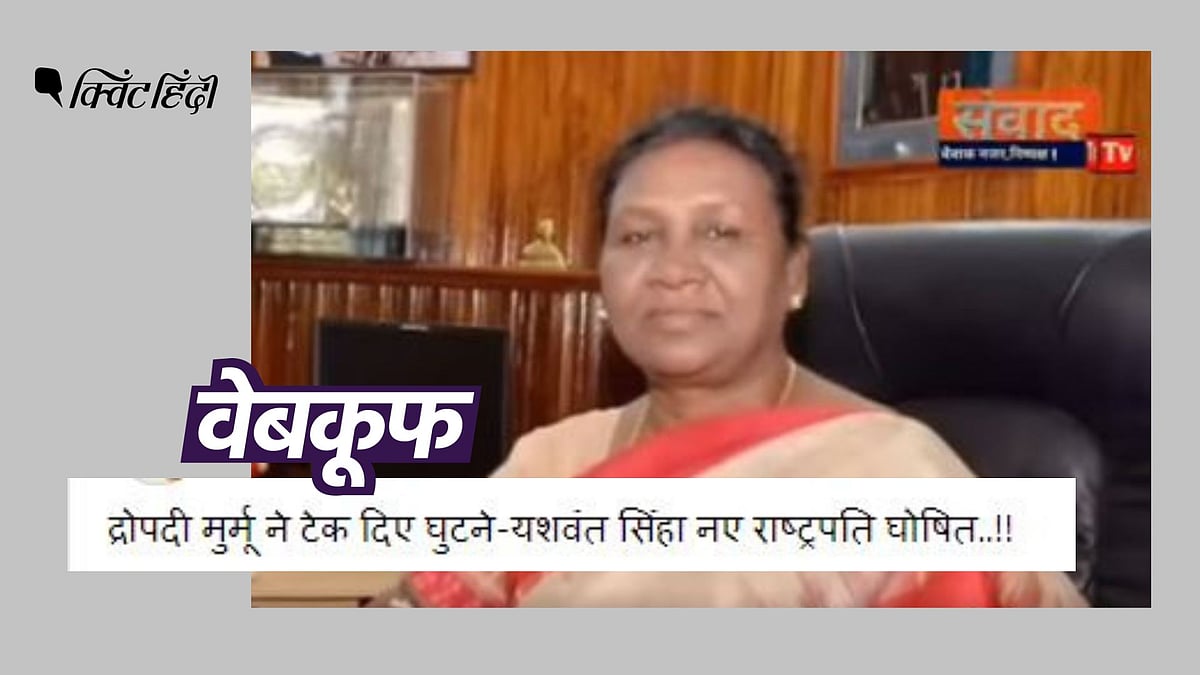
द्रौपदी मुर्मू ने यशवंत सिन्हा के सामने राष्ट्रपति चुनाव में स्वीकारी हार
Publisher’s rating: FALSE

Belle journée d'été en 2002; catastrophe climatique aujourd'hui
Publisher’s rating: L’auteur du message induit ses lecteurs en erreur. Les températures n’étaient pas du tout aussi élevées en France le 13 juillet 2002. La première carte a en réalité été présentée au journal télévisé de TF1 le 28 juin 2019.

Edirne’de bir kadının komaya girdikten sonra uyanıp bira istediği iddiası
Publisher’s rating: Yanlış

Strange child born in Shamili, Uttarpradesh, was killed by slitting his/her throat
Publisher’s rating: MISLEADING
The post described in the review claimed that a “strange child” was born in Shamili, Uttar Pradesh, and said the child survived 50 poison injections before being buried after its throat was slit. The review’s finding was that the infant shown in the video was born in Ratlam, Madhya Pradesh, with a rare genetic disorder called Collodion; it found no evidence that the infant was killed as claimed. The location and alleged killing are distinct parts of the post’s narrative, and the review challenges both. [S1: “A post containing a video of an infant is being shared on social media, which says ‘a strange child was born in Uttarpradesh’s Shamili’. It further reads, ‘the child did not die even after injecting 50 poisons, then was buried after slitting his throat.‘”] [S1: “Fact: The infant was born in Madhya Pradesh’s Ratlam with a rare genetic disorder. In medical terms, the baby is called a ‘Collodion baby’. There is no evidence that the infant was killed by slitting his/her throat.”] To check the claimed Uttar Pradesh location, the review says it searched the internet using relevant keywords and found no reports of such a baby being born there. It then found a Facebook post with similar visuals whose description placed the incident in Madhya Pradesh. The review also reports finding news articles about a Collodion baby born at Ratlam’s Civil hospital, and an ETV Bharath story containing the same video as the post under investigation. [S1: “After searching with relevant keywords on the internet, we could not find any reports about such a baby being born in Uttar Pradesh. Further research led us to a Facebook post with similar visuals. The description of the mentions that the incident happened in Madhya Pradesh.”] [S1: “We searched the internet and found a few related news articles with this information. We also found a story by ETV Bharath which contains the same video as our original post.”] The review says the reports place the birth at Ratlam’s Civil hospital and identify the condition as Collodion. It also says its searches found no reports proving the claims that the child was poisoned 50 times or killed by slitting the child’s throat. On the evidence described in the review, the video was recirculated with a false location and an unsupported account of the infant’s death. [S1: “According to the reports, a baby with a rare genetic condition called ‘Collodion’ was born in Ratlam’s Civil hospital in Madhya Pradesh.”] [S1: “We found no reports on the internet that prove the kid was poisoned 50 times and eventually killed by slitting his/her throat.”]

De weerkaarten werden door de jaren heen steeds roder, voor dezelfde temperaturen. Het is bangmakerij en beeldvorming.
Publisher’s rating: De bovenste twee kaarten laten verschillende dingen zien, en zijn dus niet te vergelijken. Oudere kaarten van dezelfde Duitse omroep, ARD, kleurden ook al rood onder de 30 graden. Het klopt dus niet dat zo’n roodgekleurde kaart iets van de laatste jaren is. De onderste kaart is van het Duitse RTL. Zij bevestigen dat deze niet uit 2020 komt, maar al zeker tien jaar oud is.
The claim compares German TV weather maps from different years and argues that maps have become redder for the same temperatures, making heat appear more alarming. The review finds that the two upper maps being compared are not equivalent: the 2009 ARD map was a general forecast that showed both temperatures and weather conditions, while the 2019 map showed temperatures alone. The 2009 map’s green and brown background represented terrain, and did not change with temperature; the 2019 map’s colors did. The review checks older broadcasts as well as the two comparison images. In an ARD Tagesschau forecast from 5 September 1999, the map already appeared light red in places where 28°C was forecast. It also describes a 17 July 2014 broadcast in which one map showed nighttime temperatures in yellow and orange, a later temperature map turned red for daytime highs above 30°C in most of Germany, and a green map then showed the same high temperatures alongside sun and cloud conditions. These examples show why a map’s color cannot be interpreted without identifying which forecast segment it depicts. The lower image in the post was attributed to RTL, not ARD. RTL weather editor Christian Häckl confirmed that the screenshot was more than ten years old, rather than from 2020 as the image label claimed. The review also notes a separate point relevant to the broader framing: while the map comparison does not establish that maps were made progressively more alarming, the KNMI temperature dashboard shows a rising trend in average annual temperatures since the 1980s.

Joachim Gauck hat gesagt: «Ich schäme mich sozusagen, ein Deutscher zu sein» und «Ich hasse und verachte das Land.»
Publisher’s rating: Wichtiger Kontext fehlt: Gauck spricht in der vollständigen Passage über sein Leben und Aufwachsen in der DDR und die Erfahrungen mit totalitären Systemen: Als er sich zu dieser Zeit mit der Geschichte der Sowjetunion und des Nationalsozialismus in Deutschland beschäftigt habe, habe er sich geschämt. Gauck formuliert zwar im Präsens, spricht jedoch über geschichtliche Zusammenhänge und zudem über Ansichten, die er in der Vergangenheit hatte.
The two quotations are Gauck’s words, but the review finds that circulating them without their surrounding passage gives a misleading impression: they can sound like comments on current political debates and the present-day Federal Republic. The interview was on ZDF’s “Markus Lanz” on 13 July 2022; the passage, around minute 53:30, concerns injustice Gauck experienced in the former GDR and his later encounter with accounts of earlier totalitarian crimes. (S1) In the fuller passage, Gauck recounts reading about what his parents’ generation had done in the Soviet Union and about crimes against Germans, German Jews and German dissidents during the Nazi era. He describes being horrified by this history and says he was ashamed to be German and hated and despised the country. The review’s central distinction is that he was speaking about his historical reckoning while growing up in the GDR, not making the present-day political statement suggested by the shortened quotations. (S1) The review also notes that Gauck used the present tense, but describes it as a way of recounting that earlier process of confronting German and European history. It says he later reflected on and developed beyond those views, connecting his experiences of injustice with his understanding of totalitarian rule. Thus, the quoted wording is authentic, while omitting the historical setting and the development Gauck describes changes how it is likely to be understood. (S1)

Nupur Sharma’s recent speech after her alleged controversial remarks against Prophet Muhammed
Publisher’s rating: MISLEADING
The claim concerned a social-media video presented as Nupur Sharma speaking recently after her remarks about Prophet Muhammad. The review identifies the footage as excerpts from a speech at a “Vyakhyan” program organised by the Vanvasi Kalyan Ashram in Maharashtra on 24 May 2018—not a recent appearance. The speech included remarks about midnight Supreme Court hearings for terrorists, Triple Talaq, the burqa and marriage in Islam. (S1: “This video shows Nupur Sharma raising questions about the midnight Supreme Court hearings for terrorists, and making statements against Triple Talaq, Burqa and the marriage system in Islam.”; “This event took place on 24 May 2018. It is not a recent video.”) To check the video’s provenance, the review says it searched screenshots from the footage using reverse image search, then searched online for related details using keywords. It reports finding similar visuals in a collage Sharma tweeted on 25 May 2018, describing her participation in the Vanvasi Kalyan Ashram event. The review also says it found a video of the speech posted by a Facebook user on 24 May 2018. These contemporaneous traces place the material years before the social-media post’s claim of a recent speech. (S1: “On reverse image search of the screenshots in the video, we could not find any credible sources related to this video.”; “When we searched for the details of the video using relevant keywords on the internet, similar visuals were found in a collage of images tweeted by Nupur Sharma on 25 May 2018.”; “a video showing Nupur Sharma’s speech at the ‘Vyakhyan’ program was found to be posted by a Facebook user on 24 My 2018.”) The review further reports that, from 3:45 minutes into the Facebook video, Sharma makes the same statements seen in the circulated clip. It says the social-media video was made by editing portions of the full speech. Thus, the footage is linked to the 2018 event, while its presentation as a recent post-remarks speech is contradicted by the identified event date and earlier records of the speech. (S1: “From 3:45 minutes of the video, we could see Nupur Sharma making the same statements as shown in the post.”; “The video shared in the post was created by editing some portions of Nupur Sharma’s full speech at the ‘Vyakhyan’ event held in Vanvasi Kalyan Ashram.”)
Adivinhem !!! PSOL e Lula . Médico anestesista estuprador. Giovanni Quintella Bezerra #Estuprador
Publisher’s rating: Falso

Görselin Time Dergisi’nin Covid-19 temalı kapağını gösterdiği iddiası
Publisher’s rating: Yanlış
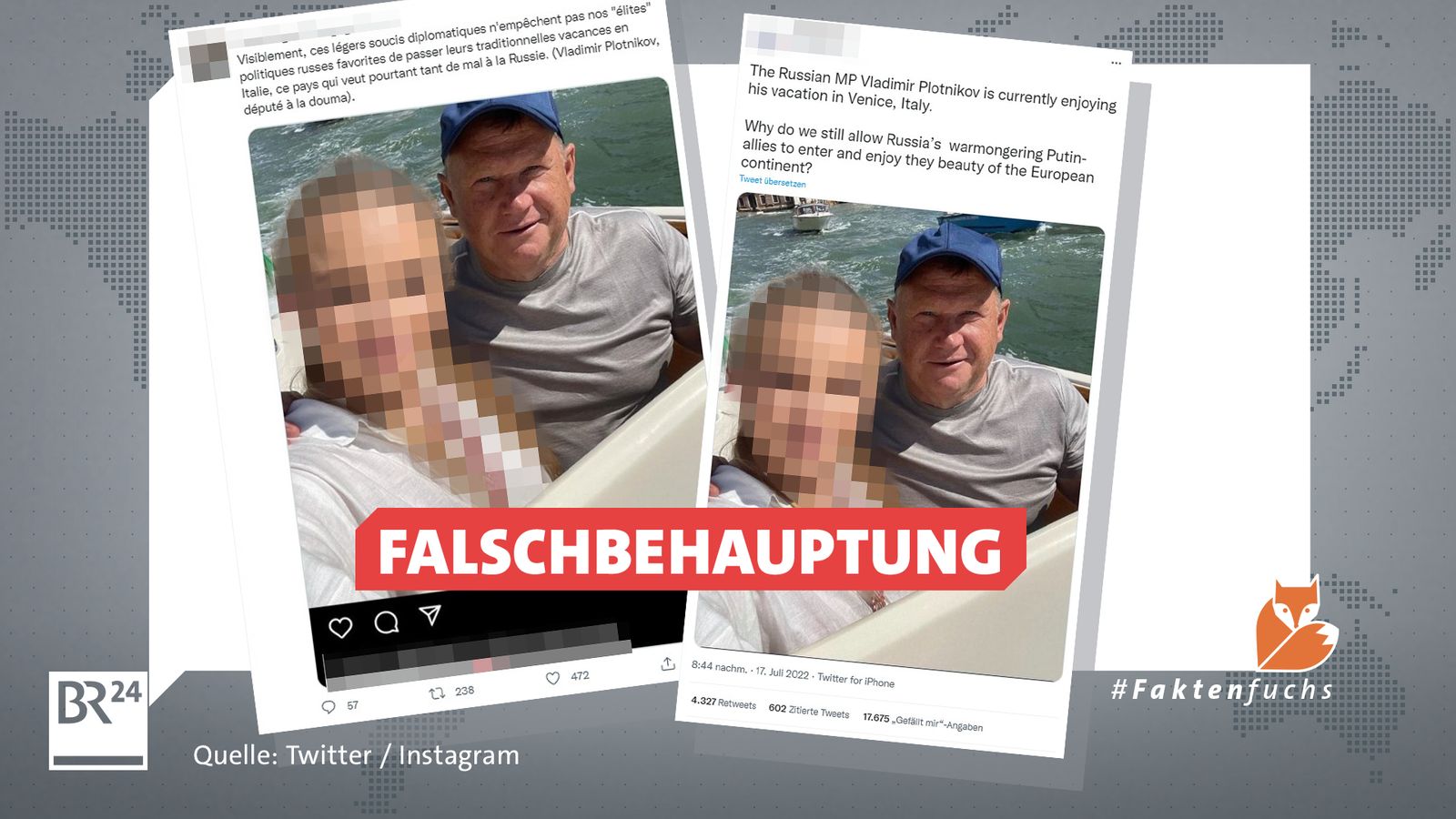
Auf dem Foto sei ein sanktionierter russischer Abgeordneter zu sehen, der die Sanktionen umgehe und in Europa urlaube
Publisher’s rating: Falschbehauptung. Auf dem Foto ist ein Russe mit gleichem Namen zu sehen. Es handelt sich jedoch nicht um den sanktionierten Abgeordneten
Adivinhem !!! PSOL e Lula . Médico anestesista estuprador. Giovanni Quintella Bezerra #Estuprador
Publisher’s rating: Falso

Das ist ein aktuelles Foto der Bauernproteste in den Niederlanden. Deutsche Medien berichten nicht über die aktuellen Proteste.
Publisher’s rating: Das Foto ist von 2019. Es zeigt eine Protestaktion niederländischer Bauern, die knapp drei Jahre zurückliegt. Deutsche Medien berichten sehr wohl über die aktuellen Proteste in den Niederlanden.
The post used an aerial photograph of a road packed with tractors between fields to suggest that it showed the scale of the ongoing Dutch farmers’ protests. It also claimed that German media were not reporting the protests. The dpa investigation distinguishes the image’s date from the fact that the issue behind the demonstrations recurred: opposition to government nitrogen-reduction measures was relevant both in 2019 and in summer 2022. [S1: “Niederländische Landwirte protestieren gegen die Stickstoff-Politik der Regierung - dieser Satz passt zur Lage im Sommer 2022, aber er passt auch zum Jahr 2019.”] For the photograph’s provenance, dpa says it matched the image in the post to a Getty Images database photograph of a protest in De Bilt. The investigation dates that action to 16 October 2019, when farmers blocked traffic on a road with a large gathering. That identification places the image nearly three years before the review’s summer-2022 protest setting, so the picture does not document those current demonstrations. [S1: “Damals setzten sich die Bauern bereits gegen Vorhaben der Politik ein und blockierten beispielsweise auf einer Straße in De Bilt am 16. Oktober 2019 den Verkehr mit einer großen Versammlung. Das Foto davon, das man in der Datenbank von Getty Images findet, ist das Bild aus dem Post.”] The accompanying claim about German coverage is also addressed directly: dpa says it was false and points to two other dpa fact-checks as evidence. The supplied excerpt does not give the titles or contents of those checks, so it supports the conclusion that dpa cited them, but not further detail about the specific German media reports they examined. [S1: “Auch die Behauptung, dass deutsche Medien nicht über die aktuellen Proteste im Nachbarland berichteten, ist falsch, wie ein dpa-Faktencheck darlegt.”]
Cambodian Prime Minister Hun Sen's oldest son Hun Manet took a selfie with body of Chev Vathana who was killed in a house in Takeo province some years ago.
Publisher’s rating: Altered
Ang dengue ay ginawa at natuklasan sa Pilipinas.
Publisher’s rating: Hindi napatunayan
“Daniela Marques a nova Presidente da caixa tem 107 processos por fraude Na previdência do INSS”
Publisher’s rating: Falso
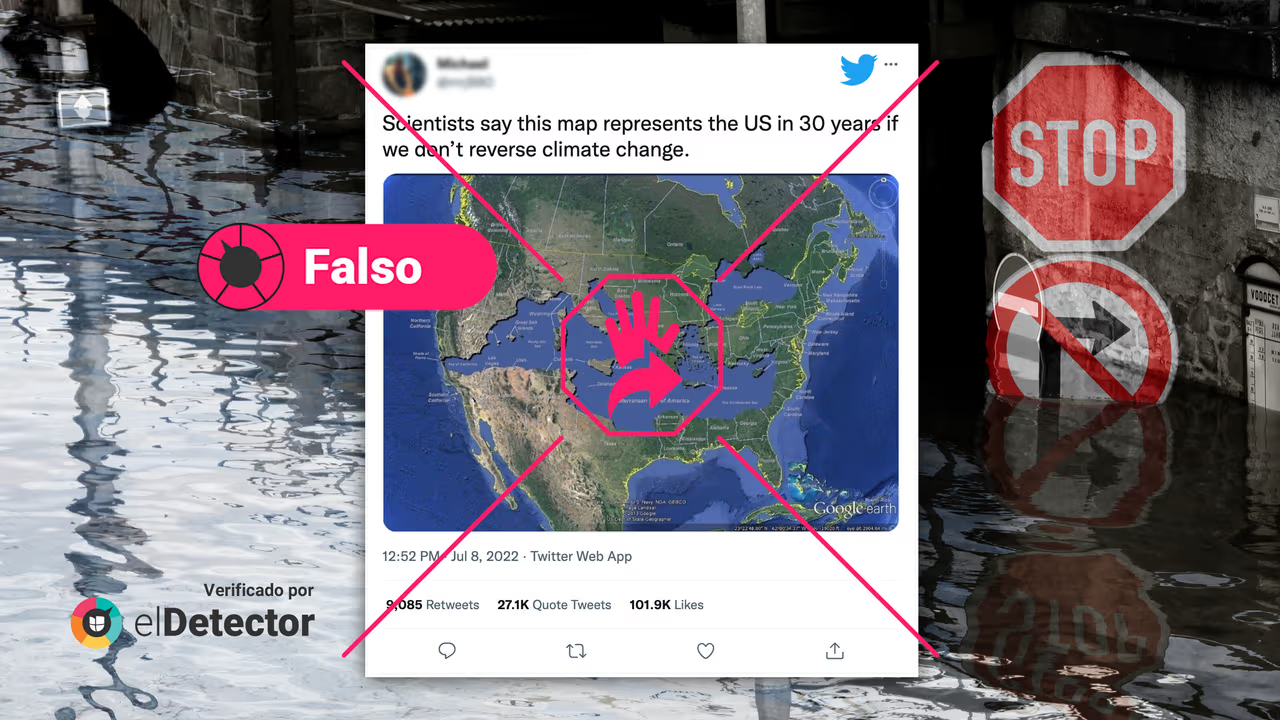
EEUU se inundará de este a oeste en 30 años por el cambio climático
Publisher’s rating: Falso
সাদা সাদা কালা কালা, হাসিনা আর মোদির লীলা খেলা
Publisher’s rating: False
Where the data comes from
Fact checks come from Data Commons and link to the organizations that published them.
What you’ll find
Each result links to the original fact check. Open it to read the publisher’s findings, with summaries and supporting sources where available.
Report an error
To report an error, send the page URL and supporting evidence.