PeakMetrics / Fact Checks
Has this been
fact-checked?
Paste a claim or upload an image to find existing fact checks. See what fact-checkers found and read the evidence before you share.
Search fact checks ↓API & integrations ↗Browse by topic
Explore fact checks by subject.
Search fact checks
Search by text or imageLatest fact checks
98,314 published reviews“Você pega 2014 e 2015, perdeu-se no Brasil quase 3 milhões de carteira assinada”
Publisher’s rating: Falso
“Nós aqui emitimos menos de 3% de gás de efeito estufa no mundo”
Publisher’s rating: Subestimado

Clouds pulling water from the Ganga river in Prayagraj
Publisher’s rating: MISLEADING
The claim concerns a video circulated as showing clouds pulling water from the Ganga at Sangham, Prayagraj. FACTLY reports that the video instead shows an older event in Pune: its reverse-image search found the same video in a YouTube post whose description placed it near Nazre Dam, and the review says news reports from 2018 also located the phenomenon there. The review therefore identifies the footage as miscaptioned, rather than evidence of an event at Prayagraj. [S1] To check what the footage depicts, the investigation compared it with other images and videos of waterspouts and consulted National Geographic material. It describes the formation as a waterspout, a rotating, cloud-filled column over water, and says the phenomenon does not draw water up from the waterbody. The review quotes National Geographic explaining that a waterspout “is not filled with water from the ocean or lake” and descends from a cumulus cloud. [S1] Together, the reported match to footage located at Nazre Dam and the explanation of the waterspout’s formation undercut both parts of the post’s claim: that the video is from Prayagraj and that it shows clouds sucking water from the river. FACTLY also says its search for a recent incident in Prayagraj did not produce relevant results; that is reported as a search outcome, not independent proof that no such incident could have occurred. [S1]
La myocardite d'une petite australienne de 5 ans pourrait avoir été causée par la vaccination COVID.
Publisher’s rating: Faux

AMAZON සන්නාමය භාවිත කරමින් අමතර ආදාමයමක් ඉපැයිය හැකි බවට පළ වූ සටහනක්!
Publisher’s rating: Scam
“Antes dessa lei (Lei da Liberdade Econômica), uma pessoa que queria abrir um negócio dava entrada em um pedido de alvará na prefeitura e não tinha prazo para começar a trabalhar. (...) O que essa lei diz é que, se em 30 dias a prefeitura não conceder alvará, ela pode começar a trabalhar independente da concessão”
Publisher’s rating: Verdadeiro, mas...

Ein Video wirbt für die Einwanderung nach Russland - Sarkasmus oder Ernst?
Publisher’s rating: In der Ursprungsform ist das Video eine ernst gemeinte Werbung für Russland, die auch von offizieller russischer Seite verbreitet wurde.
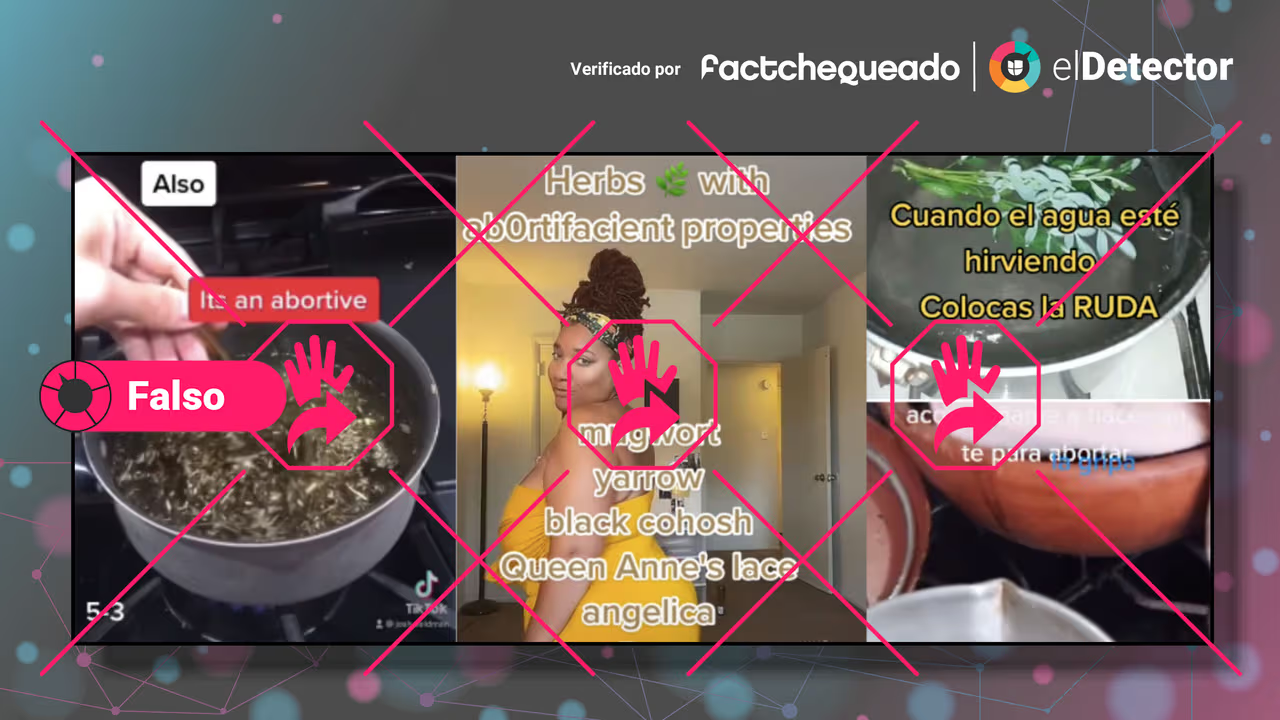
Remedios caseros e infusiones a base de hierbas son un método seguro y efectivo para "provocar un aborto”
Publisher’s rating: Falso
The review addresses social-media posts recommending herbal remedies and infusions to induce abortion, which circulated after the U.S. Supreme Court overturned Roe v. Wade on June 24, 2022. It concludes that botanical products are not an established safe and effective way to induce abortion, and warns that they can be dangerous. The review reports that the posts gained wide circulation, including more than 756 million views for related videos on TikTok, but popularity does not establish that the methods work or are safe. (S1: “Luego de que la Corte Suprema de Estados Unidos revocara el pasado 24 de junio la sentencia Roe vs. Wade de 1973 -que durante casi medio siglo garantizó en todo el país el derecho de las mujeres al aborto hasta la semana número 20 del embarazo-, comenzaron a circular en redes sociales varios contenidos que recomiendan remedios caseros e infusiones a base de hierbas para supuestamente ‘provocar un aborto’. Sin embargo, esto es falso.”; “No hay evidencia que respalde el uso de productos botánicos como un método seguro y efectivo para inducir un aborto. Además de ser ineficaz, los expertos aseguran que puede ser peligroso para la salud.”; “Los videos relacionados con el aborto a base de hierbas acumularon más de 756 millones de visitas en TikTok”) The review supports its warning with comments from named medical and health sources. It reports that Trebach described poleo as containing an agent that can form toxins and cause severe health effects, and quotes gynecologist Jen Gunter saying there are no safe and effective botanical methods for inducing abortion. It also cites the U.S. National Institutes of Health (NIH): evidence is insufficient that these recipes cause abortion, while poleo oil may cause serious harm. The distinction matters: a substance that can injure someone or affect a pregnancy is not thereby a safe or reliable method. (S1: “En una entrevista con Rolling Stone, Trebach explicó que el poleo -una de las hierbas que aparecen en los contenidos virales- contiene un agente que forma toxinas en el cuerpo y puede causar necrosis hepática, vómitos, dolor abdominal, convulsiones, insuficiencia hepática y la muerte.”; “no existen métodos seguros y efectivos para inducir el aborto con productos botánicos”; “Además, no hay evidencia suficiente de que este tipo de recetas realmente pueda causar un aborto, según los Institutos Nacionales de Salud de Estados Unidos (NIH, por sus siglas en inglés).”) The evidence presented therefore challenges both parts of the claim: the review says herbal recipes lack sufficient evidence of effectiveness and documents risks that contradict the claim of safety. It also distinguishes these recipes from clinically tested medication: the article says the FDA determined that mifepristone, used with misoprostol, is safe and effective for ending an early pregnancy. Its broader safety comparison is qualified: it describes abortion as extremely safe when done with a World Health Organization-recommended method appropriate to pregnancy duration and with someone who has the necessary information or qualifications. (S1: “La Administración de Alimentos y Medicamentos de Estados Unidos (FDA, por sus siglas en inglés) aprobó por primera vez la mifepristona en el año 2000. La FDA determinó que este medicamento es seguro y efectivo para interrumpir un embarazo temprano en combinación con misoprostol.”; “Cuando el aborto se realiza con un método recomendado por la Organización Mundial de la Salud (OMS), adecuado a la duración del embarazo y asistido por alguien con la información o las cualificaciones necesarias, es un procedimiento sencillo y extremadamente seguro.”)

Mermaid in river Kaveri srirangapatna bridge. Mermaid at Sri Rangapatnam near Mysore.
Publisher’s rating: Fake

Deze video toont een uitzinnige Italiaanse mensenmassa die viert dat premier Draghi ontslag heeft genomen.
Publisher’s rating: De video toont geen uitzinnige Italianen, maar feestende Spanjaarden. De aanleiding was het Feest van San Fermin in Pamplona, Spanje. Het heeft niets te maken met Italië of het recente ontslag van Italiaans premier Draghi.
Fábio Assunção, ator e ex-petista, dizendo que Bolsonaro vai se reeleger e o que vai acontecer
Publisher’s rating: Falso
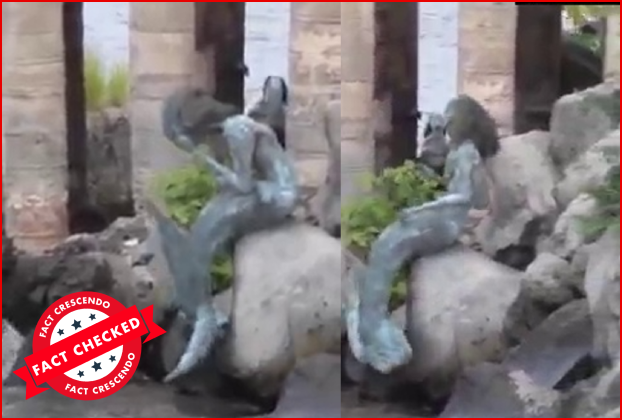
Claim: misinformation spreading that mermaid found in cauvery river
Publisher’s rating: FALSE

Police are yet to arrest this man who is seen burning the Indian national flag
Publisher’s rating: MISLEADING
The claim concerns the man pictured burning the Indian national flag and alleges that police had not arrested him. FACTLY identifies the incident as having occurred in Nagapattinam, Tamil Nadu, in 2016, and names the man as Dilipan Mahendran. The review says police arrested him, so its evidence contradicts the claim that he remained unarrested. The review describes using a reverse image search on the post’s photo. That search led to a News Minute report about the incident; FACTLY says it also found multiple news organizations reporting on it. According to the review, Mahendran was arrested in 2016 and booked under the Prevention of Insults to National Honour Act and the IT Act. The claim’s wording leaves out that earlier arrest and, as the review notes, continued to circulate despite it.

L'Algérie se prépare à envoyer 2.000 soldats en Russie, pour aider Moscou dans sa guerre contre l'Ukraine.
Publisher’s rating: C’est faux, assurent les autorités algériennes, qui soulignent que l’envoi de troupes en dehors des frontières du pays est soumis à un important vote du Parlement national, qui n’a jamais eu lieu et n’est pas programmé.
“[Niterói] era 58ª em gestão fiscal [entre os municípios do Rio de Janeiro]. Hoje é a primeira em gestão fiscal”
Publisher’s rating: Verdadeiro, mas...
Where the data comes from
Fact checks come from Data Commons and link to the organizations that published them.
What you’ll find
Each result links to the original fact check. Open it to read the publisher’s findings, with summaries and supporting sources where available.
Report an error
To report an error, send the page URL and supporting evidence.