PeakMetrics / Fact Checks
Has this been
fact-checked?
Paste a claim or upload an image to find existing fact checks. See what fact-checkers found and read the evidence before you share.
Search fact checks ↓API & integrations ↗Browse by topic
Explore fact checks by subject.
Search fact checks
Search by text or imageLatest fact checks
98,314 published reviewsZudaifu cream is effective against skin itchiness.
Publisher’s rating: False

Hindi maaaring magpataw ng parusa ang International Criminal Court sa mga aktibidad sa Pilipinas dahil ang bansa ay hindi na state party sa Rome Statute mula noong 2019.
Publisher’s rating: Kailangan ng konteksto

La viruela del mono es el herpes zóster “disfrazado”.
Publisher’s rating: Falso

Görüntülerin Havrita uygulamasında işaretlenip öldürülen köpekleri gösterdiği iddiası
Publisher’s rating: Yanlış

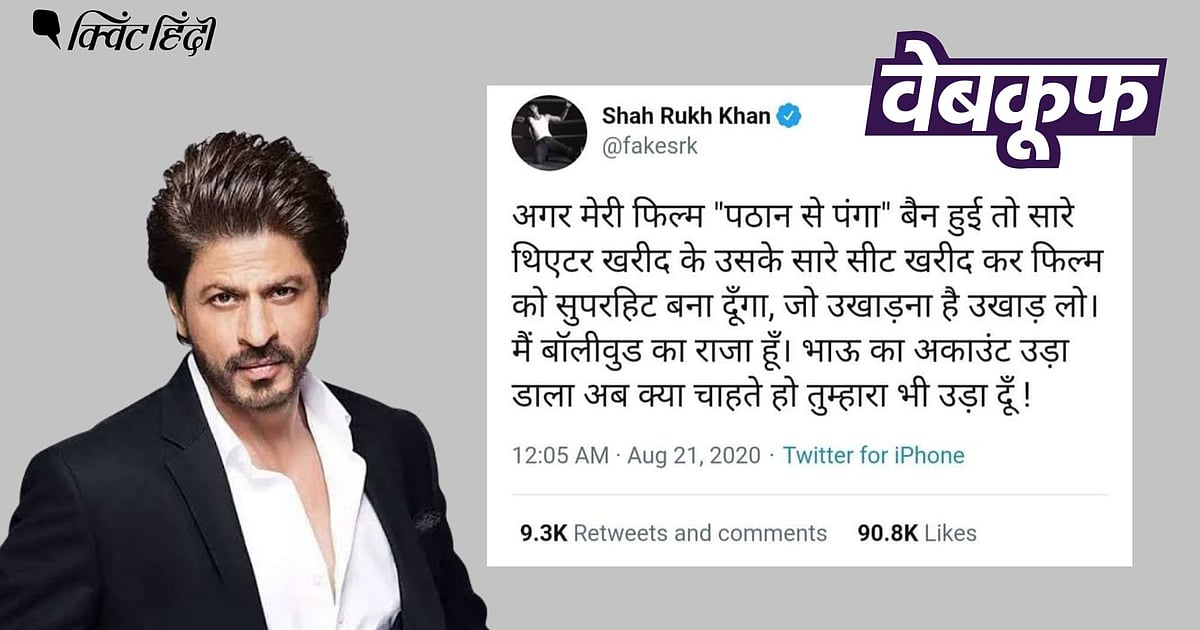
शाहरुख खान ने कहा पठान फिल्म हिट करवाने के लिए खरीद लूंगा थिएटर और फिल्म की सारी टिकटें
Publisher’s rating: FALSE

మునుగోడు సభకు తీసుకెళ్తూ TRS పార్టీ తమ కార్యకర్తలకు బస్సులోనే మద్యం పంపిణీ చేస్తున్న దృశ్యాలు
Publisher’s rating: MISLEADING
monkeypox is specific to a gender
Publisher’s rating: Mostly False
Research from related reporting addresses the claim that mpox is specific to a gender. It distinguishes patterns seen in particular outbreaks from a rule about who can get the disease: one excerpt says that concentrated cases among men who have sex with men reflected the setting of those outbreaks, while also quoting a physician that transmission has “absolutely nothing to do with one’s sexual orientation.” This evidence does not support treating mpox as exclusive to a gender or sexual orientation. A separate medical case-report excerpt makes the distinction explicit: mpox can spread through intimate contact, but it is “damaging and inaccurate to link the disease to particular gender identities or sexual orientations.” It also cautions that its clinical report concerns a single patient and therefore has limited generalizability. The excerpts support rejecting a gender-specific characterization; they do not establish that every group has identical exposure risk in every setting.

Zelensky verkocht 17 miljoen hectare bouwgrond in Oekraïne aan verschillende (Amerikaanse) investeringsfondsen.
Publisher’s rating: Er is geen enkel bewijs dat zo'n grote hoeveelheid landbouwgrond werd verkocht. Bovendien is er een Oekraïense wet die de verkoop van landbouwgrond aan buitenlanders verhindert. De grootste landbouwgrondeigenaars in Oekraïne zijn Oekraïense bedrijven.
The claim under review is that President Volodymyr Zelensky sold 17 million hectares of Ukrainian agricultural land to foreign multinationals such as Monsanto, Cargill and DuPont. The review traces the claim to an Australian National Review article shared on social media. It says that article’s headline appears to support the allegation, but the article itself included a correction: the figure was 1.7 million hectares, not 17 million. The review also says the cited Oakland Institute material did not report that such a large area had been sold.
Tedros hat zugegeben, dass er nicht gegen das Coronavirus geimpft wurde.
Publisher’s rating: Tedros erhielt seine erste Corona-Impfung am 12. Mai 2021. Im Interview erklärte der WHO-Generaldirektor, dass er damit eine Weile gewartet habe, um gegen die ungerechte Verteilung von Impfstoffen auf der ganzen Welt zu protestieren.
The claim concerns a video in which WHO Director-General Tedros Adhanom Ghebreyesus discusses delaying his COVID-19 vaccination. The review says the clip circulated with the allegation that he was unvaccinated because he was protesting. It distinguishes that claim from what Tedros actually said: he delayed getting vaccinated, but did later receive a dose. The review identifies his first vaccination as having taken place on 12 May 2021. (S1: “Ein Video, in dem Tedros Adhanom Ghebreyesus offenbar über sein Zögern spricht, kursiert auf Facebook. Er sei «aus Protest» nicht geimpft, heißt es dazu in einem Beitrag (archiviert). Doch das stimmt nicht.”; “Seine erste Impfung hat Tedros am 12. Mai 2021 erhalten, dazu hat er an dem Tag auf Twitter gepostet.”) The investigation checked whether the circulated footage was authentic and where it came from. DPA reports that the scene was from HBO’s documentary *How to Survive a Pandemic*, released on 29 March 2022, and says it watched the documentary through the Dutch streaming service NPO Plus and verified that the excerpt appeared in the same form at 1:36:50. (S1: “Sie wurde am 29. März 2022 veröffentlicht. Die Deutsche Presse-Agentur (dpa) hat sich die Doku über den niederländischen Streamingdienst NPO Plus angesehen und verifiziert, dass der Ausschnitt ab Minute 1:36:50 in gleicher Form zu sehen ist.”) In the documentary, Tedros connects his decision to wait with unequal access to vaccines, saying he wanted to wait until vaccination began in African countries and other low-income countries. The review also compares the documentary excerpt with a fuller print interview in *Science*: interviewer Jon Cohen asked when Tedros had been vaccinated, and the answer was “12. Mai.” The additional interview material explains that Tedros did not want to use his privilege to be vaccinated first and considered the timing appropriate when vaccine became available for medical workers in African countries. This supports a distinction between delaying vaccination as a protest and never having been vaccinated. (S1: “Ich wollte warten, bis Afrika und andere Länder in anderen Regionen, Länder mit niedrigem Einkommen, mit der Impfung beginnen. Es war eine Form des Protests.”; “Auf die Frage, wann der Generaldirektor seine eigene Impfung erhalten habe, antwortet er im Print-Interview mit «12. Mai».”; “Ungefähr zu dem Zeitpunkt seiner Impfung, im Mai 2021, erklärt er im Interview, dass dies der Moment war, in dem der Corona-Impfstoff für medizinisches Personal in afrikanischen Ländern verfügbar wurde.”)
കെ.കെ.ഷൈലജയുടെ വാര്ഡില് എല്ഡിഎഫിന് തോല്വി
Publisher’s rating: FALSE
you can burn fat overnight by applying a mixture of onion and toothpaste
Publisher’s rating: False

Ampara Railway Station Photos
Publisher’s rating: Misleading
The review investigates social-media photos presented as Ampara Railway Station. It reports that railway officials confirmed there was no train network operating in Ampara district, and that Sri Lanka’s railway map showed no railroads to Ampara. The investigation also asked a local journalist about the site and found the images had a real, but temporary, setting: the Deyata Kirula exhibition held in Ampara in 2013. According to that journalist, organizers built a station-like building and about 500 meters of track for exhibition visitors. Two carriages and an engine operated on the short line, and tickets were issued symbolically. The journalist said the temporary line was not extended or made permanent; the building was later left in a dilapidated condition, with no railway lines visible. A spokesman for Ampara Hardy Advanced Technical Institute, where the exhibition was held, separately said the station and track name boards were no longer visible and the building remained in poor condition. The review also addresses another image shared as Ampara Railway Station: it says reverse-image search identified it as an edited image of Mihintale Railway Junction, in Anuradhapura. The review therefore distinguishes the genuine but temporary 2013 exhibition installation from a separate altered image, rather than treating either as evidence of a functioning Ampara station.
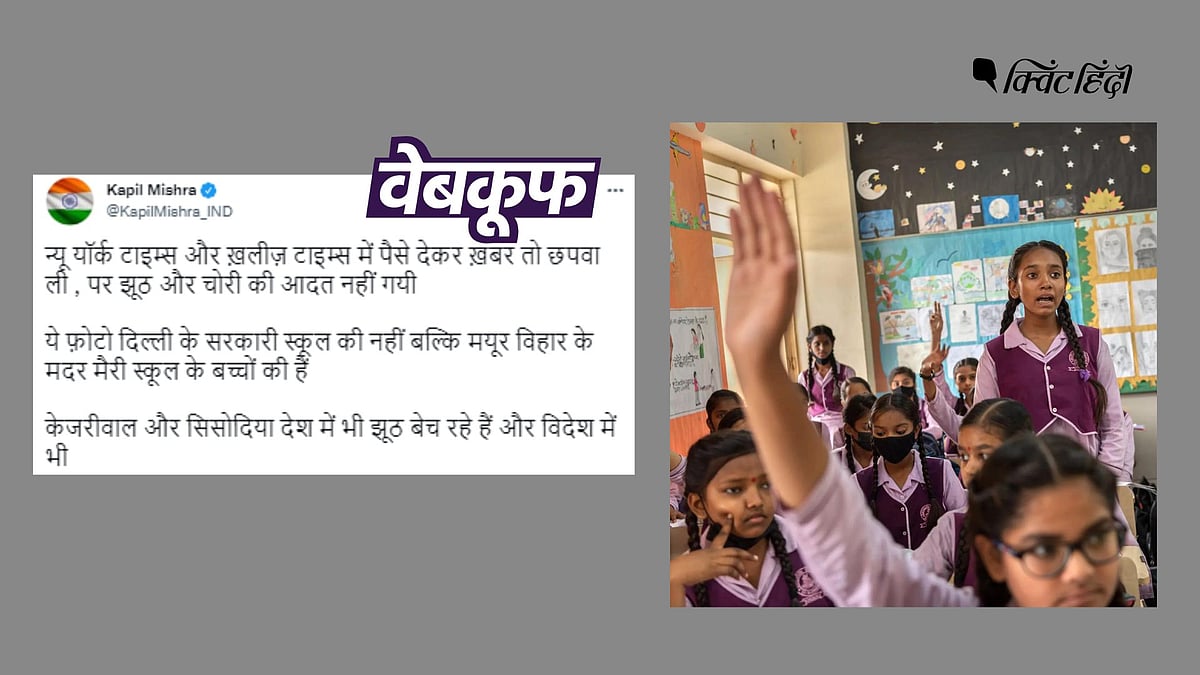
NYT ने दिल्ली के सरकारी स्कूल की बताकर प्राइवेट स्कूल की तस्वीर छापी
Publisher’s rating: FALSE
Where the data comes from
Fact checks come from Data Commons and link to the organizations that published them.
What you’ll find
Each result links to the original fact check. Open it to read the publisher’s findings, with summaries and supporting sources where available.
Report an error
To report an error, send the page URL and supporting evidence.