PeakMetrics / Fact Checks
Has this been
fact-checked?
Paste a claim or upload an image to find existing fact checks. See what fact-checkers found and read the evidence before you share.
Search fact checks ↓API & integrations ↗Browse by topic
Explore fact checks by subject.
Search fact checks
Search by text or imageLatest fact checks
98,314 published reviews
Ang pagmumura ay ipinagbabawal at may parusa sa ilalim ng Safe Spaces Act.
Publisher’s rating: Hindi totoo

Görüntülerin Çin’in Hindistan ordusu askerlerine 5G dalgalarıyla zarar verdiği anı gösterdiği iddiası
Publisher’s rating: Yanlış

Cristina Fernández de Kirchner ha confesado que asesinó al fiscal Alberto Nisman
Publisher’s rating: False

The Chief Minister of Uttar Pradesh Yogi Adityanath said ‘Islam Zindabad’ during his speech
Publisher’s rating: FALSE
The claim concerns a viral video that appears to show Uttar Pradesh Chief Minister Yogi Adityanath saying “Islam Zindabad” during a speech. FACTLY reports that it traced the footage to his speech at the ‘Gareeb Kalyan Sabha’ event on 8 June 2022 and compared details visible in the viral clip with the event video. The review says the background, microphones and a speaker box matched, helping it identify the source footage: “Evidently, the background, microphones and speaker match the viral video.” FACTLY describes searching online for the source using those visual details and reviewing videos of Adityanath’s speeches. It says the matching footage was a livestream on his official Facebook page, from the event held on 8 June 2022. The viral clip uses a section from 0:10 to 0:15 of that livestream, according to the review. The decisive comparison is what the review says is audible in the original footage: Adityanath calls out “Bharath Mata Ki,” to which the audience responds “Jai,” and then “Vande,” followed by the audience shouting “Mataram.” FACTLY concludes that the “Islam Zindabad” voice was added to the event footage. Its account therefore identifies the viral audio as an alteration, rather than a statement made by Adityanath in the original speech.

WHO revealed 7 brain damaging habits !!
Publisher’s rating: Misleading
The review examines a viral social-media poster circulated among Sri Lankan WhatsApp users and elsewhere. It attributed to the World Health Organization (WHO) a list of seven “biggest” brain-damaging habits, linking them to stroke: missing breakfast, sleeping late, high sugar consumption, sleeping more in the morning, eating while watching a screen, wearing a cap, scarf or socks in bed, and holding urine. The key question was whether WHO had issued that list—not whether every listed behavior was harmless. To check the attribution, the investigators say they looked for an official WHO publication of the graphic or its contents. They report finding no specific WHO reference to such a list and cite reports of local WHO officers denying the claim in the Philippines and Nigeria. Their conclusion is that WHO did not declare the seven habits as a list of brain-damage causes. The review also distinguishes that false attribution from the possibility that some habits may affect health or brain activity. The article discusses the items individually, noting, for example, that evidence did not show a direct link between sleeping more in the morning and brain damage, or between eating in front of a screen and brain damage. It says screen-time eating may instead reduce awareness of fullness and contribute to overeating. For other items, it describes potential concerns: inadequate sleep may harm brain health, high blood glucose can affect cognitive function, and routinely holding urine may affect bladder muscles. Its overall finding is therefore about the unsupported WHO list, not a claim that all seven habits have no health effects.

Dr. APJ Abdul Kalam singing Ganesh Stuti.
Publisher’s rating: MISLEADING
The claim concerns a viral video said to show former Indian President Dr. APJ Abdul Kalam singing Ganesh Stuti. FACTLY reports that it found no evidence he sang the hymn publicly and that the voice in the video was not his. The review says the voices sounded similar, but its comparison indicated they were different. [Source support: “There is no evidence to prove that Dr. APJ Abdul Kalam sang Ganesh stuti in public. Also, we found that the voice in the viral video is different from Abdul Kalam’s voice.”; “Though they sound similar, they are not the same.”] To investigate whose voice it was, the review says it searched for reports of Kalam singing Ganesh Stuti, then examined comments on YouTube uploads of the same video. Those comments pointed to Swami Omkarananda. FACTLY says it compared the viral recording with old audio tapes of Omkarananda; it could not find the exact hymn on his social-media channels, so that comparison alone did not establish the identification. [Source support: “Next, we searched online if there are any reports about Dr. APJ Abdul Kalam singing Ganesh Stuti but couldn’t find any information.”; “But after comparing the voice in the viral videos with that of the Swami Omkarananda’s old audio tapes, it is evident that this Ganesh Stuti was probably sung by him.”] The review’s reported confirmation came from Omkarananda’s Ashram in Tamil Nadu, which FACTLY says it contacted using the email on his website. The Ashram clarified that the voice was Omkarananda’s. The review therefore concludes that the recording is not Kalam singing, while describing Omkarananda as the singer. [Source support: “We reached out to the mail given on his website and they clarified that the voice in the viral video is Swami Omkarananda’s.”; “To sum it up, the voice singing Ganesh stuti is not Abdul Kalam’s, it is swami Omkarananda’s”]

No governo FHC era uma por dia [invasão de terra]
Publisher’s rating: Exagerado

Videodaki sineğin ABD ordusu için üretilen bir casus drone’u olduğu iddiası
Publisher’s rating: Yanlış
[Cláudio Castro] tem pouco mais de 20% de ótimo e bom
Publisher’s rating: Verdadeiro
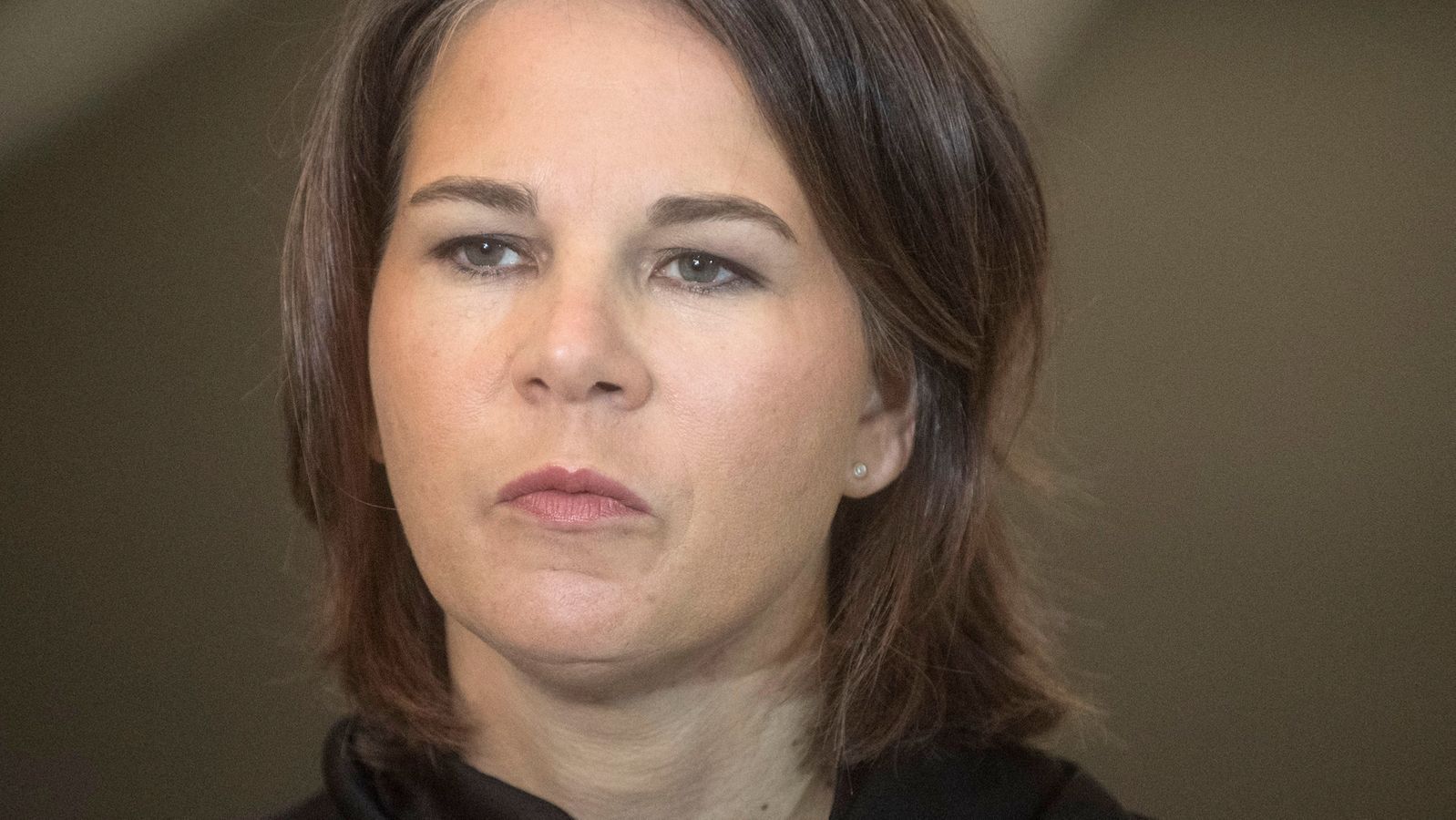
Baerbock sei egal, was die deutschen Wähler denken oder wie hart ihr Leben wird.
Publisher’s rating: Irreführend. Wiedergegeben wird nur ein Teil von Baerbocks Antwort und in Zusammenhang mit einer angeblichen Aussage gestellt, die sie so nicht getroffen hat. In ihrer gesamten Antwort drückt sich Baerbock deutlich differenzierter aus.
Where the data comes from
Fact checks come from Data Commons and link to the organizations that published them.
What you’ll find
Each result links to the original fact check. Open it to read the publisher’s findings, with summaries and supporting sources where available.
Report an error
To report an error, send the page URL and supporting evidence.