PeakMetrics / Fact Checks
Has this been
fact-checked?
Paste a claim or upload an image to find existing fact checks. See what fact-checkers found and read the evidence before you share.
Search fact checks ↓API & integrations ↗Browse by topic
Explore fact checks by subject.
Search fact checks
Search by text or imageLatest fact checks
98,307 published reviews
Manufacturing the battery for one electric car produces the same amount of CO2 as running a petrol car for 8 years.
Publisher’s rating: Misleading


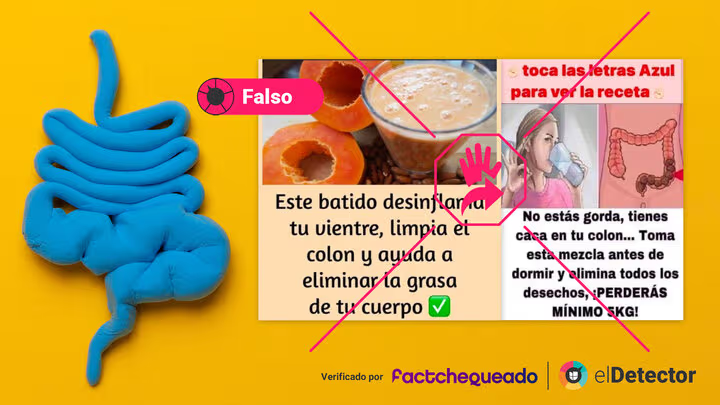
Se pueden perder entre 5 y 7 kilos eliminando desechos acumulados en el intestino y/o colon
Publisher’s rating: Falso
The review addresses posts claiming that natural-ingredient mixtures can remove accumulated intestinal or colon waste and make someone lose 5–7 kilograms. It concludes that this is false: the amount of fecal matter cannot account for such a rapid loss, and a change on the scale after using the bathroom is not equivalent to losing body fat. The review also warns that colon cleansing has no established clinical benefit and may be risky. (S1: “Circulan en Facebook diferentes mensajes que aseguran que se pueden perder entre 5 y 7 kilos eliminando ‘desechos’ acumulados en el intestino y/o colon.”; “Sin embargo, esto es falso. No se puede acumular ni perder esa cantidad de peso en materia fecal de un día para el otro ni eso puede considerarse una estrategia para bajar de peso.”; “Además, no hay evidencias de que la limpieza o depuración del colon tenga beneficios clínicos y hasta puede ser riesgoso para la salud.”) The review distinguishes scale changes from meaningful weight loss. It reports that body weight can vary from day to day, mainly because of changes in fluid, and notes that severe dehydration can cause a loss of several kilos but is dangerous. It quotes nutrition specialist Susana Gutt saying that losing 5 or more kilos of fecal matter in a day is not possible; if that quantity were present, it would indicate a much more serious condition. (S1: “Es normal que el peso corporal total tenga variaciones de un día para otro. Esto se debe principalmente a ganancia o pérdida de líquido”; “Por una deshidratación severa se pueden llegar a perder varios kilos, pero eso es riesgoso para la salud.”; “No hay manera de perder 5 o más kilos de materia fecal de un día para el otro. Si llegara a haber esa cantidad, se trataría de un cuadro mucho más grave que tener exceso de peso corporal”) To put the claim in context, the review cites an analysis of 38 studies of healthy populations across five continents. That analysis found an average adult bowel movement of 128 grams per day, with a wide range; another nutrition expert quoted in the review says that, for a Western diet, fecal matter does not exceed 250 grams by weight. The review further says that proposed ingredients such as lemon, ginger, cinnamon, or quinoa do not establish the claimed laxative effect: their fiber content may facilitate bowel movements, but the cited evidence is heterogeneous and the interventions are short. (S1: “Un análisis de 38 estudios publicados sobre población sana de 5 continentes determinó que en promedio una persona adulta depone 128 gramos/día de materia fecal, aunque el rango varía desde 15 gramos hasta 1 kilo y medio.”; “Para nuestra dieta occidental, el máximo de materia fecal en cuanto a peso no supera los 250 gramos.”; “ninguno de ellos tiene propiedades laxantes, más allá del contenido variable de fibras (que puede facilitar las deposiciones) o que beber infusiones puede aumentar la ingestión de líquidos.”)

“Lula usou ponto eletrônico pra receber " fila" no debate , o que é proibido pelas regras”.
Publisher’s rating: Falso


スタバと二郎系ラーメン「ほぼ同じカロリー」と拡散したツイート
Publisher’s rating: 誤り
The claim concerned a tweet presenting a Starbucks drink and Jiro-style ramen as having nearly the same calories. The review identified the pictured drink as apparently being the Chocolate Crunch Frappuccino, a limited-time product sold in 2015, and noted that it is no longer sold. This identification was based on Starbucks Japan’s past press releases and the product image used in the tweet; the review does not present it as certain. For the drink’s calories, the review consulted Starbucks Japan’s former calorie and allergen information. It reported 581 calories for a Tall and 1,044 for the largest, Venti size. For the ramen, it asked dietitian Madoka Mishiro of the Japan Association of Personal Dietitians to estimate calories from nutritional information for a Jiro-style ramen sold online. The estimate was about 2,000 calories per serving, including the large noodle portion, fatty ingredients in the soup, chashu pork, and vegetables. On those figures, the ramen estimate was about 3.4 times the Tall drink and 1.9 times the Venti drink—not nearly the same. The comparison therefore contradicts the tweet’s calorie claim. The review also pointed out a context problem: the tweet used an image of a past product without making that explicit.
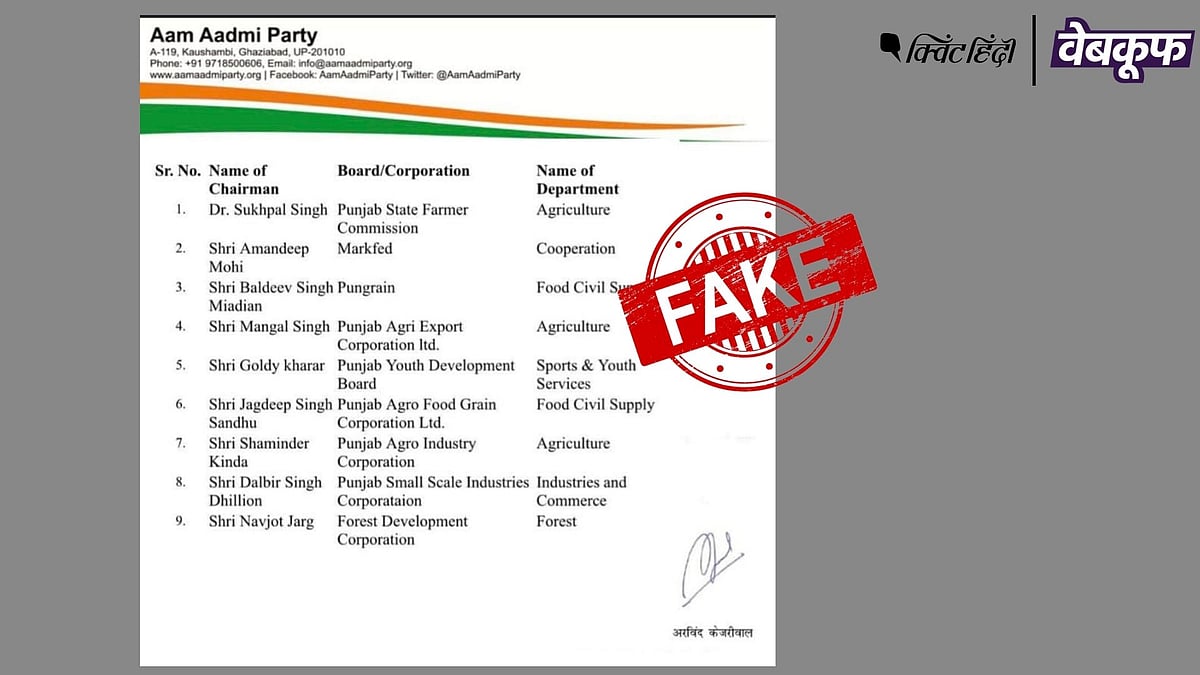
अरविंद केजरीवाल ने पंजाब में अधिकारियों की नियुक्ति को लेकर लिखा पत्र
Publisher’s rating: FALSE

उत्तरप्रदेश सरकार द्वारा संवारे गए स्कूल की हैं ये फोटो
Publisher’s rating: FALSE

এই ফটোখন তামিলনাডুত নিৰ্মম অত্যাচাৰৰ সন্মুখীন হোৱা বুলি দাবী উত্থাপিত হোৱা জয়মালা নামৰ অসমৰ হাতীটোৰ হয়
Publisher’s rating: মিছা

Görüntünün, Himalayalar’ın uzaydan çekilmiş bir fotoğrafı olduğu iddiası
Publisher’s rating: Yanlış
Tamil Nadu Finance Minister PTR Palanivel Thiagarajan is quitting politics as he is not able to take the scathing attack from Annamalai. “Today, for the first time since I left my professional career to enter public service 18 month ago, I wonder if I made the wrong choice – Finance Minister”.
Publisher’s rating: Fake

പശുവിനെ പുലി ക്രൂരമായി ആക്രമിക്കുന്ന കേരളത്തില് നിന്നുള്ള ദൃശ്യങ്ങള്
Publisher’s rating: FALSE

“Are You Lost? Go Back to Allah” sentence in California
Publisher’s rating: False
Where the data comes from
Fact checks come from Data Commons and link to the organizations that published them.
What you’ll find
Each result links to the original fact check. Open it to read the publisher’s findings, with summaries and supporting sources where available.
Report an error
To report an error, send the page URL and supporting evidence.