PeakMetrics / Fact Checks
Has this been
fact-checked?
Paste a claim or upload an image to find existing fact checks. See what fact-checkers found and read the evidence before you share.
Search fact checks ↓API & integrations ↗Browse by topic
Explore fact checks by subject.
Search fact checks
Search by text or imageLatest fact checks
98,307 published reviews
In de Indiase deelstaat Gujarat zijn tienduizenden runderen dood neergevallen, nadat ze door de Indiase overheid met een vaccin waren geïnjecteerd.
Publisher’s rating: De claim dat in de Indiase deelstaat Gujarat tienduizenden runderen dood zijn neergevallen, nadat ze van de Indiase overheid een vaccin toegediend hadden gekregen klopt niet. De koeien zijn gestorven aan het ‘Lumpy Skin Disease’, waarvan momenteel een grote virusuitbraak heerst in het noordwesten van India. Vaccinatie tegen het virus biedt juist goede bescherming, zoals blijkt uit Europees voorbeeld.
The claim concerned a video of a cattle carcass dump in Gujarat, presented on Facebook as proof that thousands of cattle had died after receiving a government vaccine. The review says the animals had not been vaccinated against Lumpy Skin Disease (LSD), a viral disease affecting cattle, and attributes the deaths to the outbreak instead. It reports that Rajasthan and Gujarat were among the northwestern Indian states particularly affected. The review places the outbreak in a wider chronology: India had been experiencing a rapidly spreading LSD outbreak since April 2022. It cites a report by the Indian Express stating that, by August 31, nearly 50,000 animals had died from the disease and 1.121 million cattle had been infected; it cautions that the actual count could be higher because farmers might not always report cases. These figures concern disease deaths and infections, not vaccine-caused deaths. For the video, the review says it could not locate the original Facebook upload, but found a higher-quality version on Twitter. It compared the footage with photographs of the same carcass dump in an article on the Indian news site Mangalorean, which used the location to illustrate the LSD outbreak in Gujarat. The review also notes that India was using an existing goat-pox vaccine against LSD, while a vaccine specifically developed by India’s agricultural research council was announced in early September 2022 and was still awaiting a commercial producer. This evidence and context support the review’s conclusion that the video depicts outbreak-related cattle deaths, not proof of deaths caused by the alleged government vaccination.

ඉන්දීය ක්රිකට් කණ්ඩායමට සහය පළ කරමින් ඔවුන්ගේ T-Shirt එකකින් සැරසුණු යොහානි?
Publisher’s rating: Misleading
The claim concerned an image circulated during the Sri Lanka–India Asia Cup Super Four match on September 6, 2022. It appeared to show singer Yohani wearing an Indian cricket team shirt and Indian-coloured face paint, implying that she was supporting India. The review says it investigated posts presenting the image as genuine and found that the image had been edited: it used an older photograph of Yohani in Sri Lanka team clothing, altered to look like an authentic image of her in Indian team colours. S1 describes the circulated picture as showing “ඉන්දියානු ක්රිකට් කණ්ඩායමට අයත් ටී-ෂර්ට් එකක්” and says the image was “සූක්ෂම ලෙස සත්ය ඡායාරූපයක් ලෙස හැඟවෙන පරිදි සංස්කරණය කර තිබූ”. The review identifies the underlying photograph as one Yohani posted to her official Instagram account in July 2020. It says that, in the unedited image, she was wearing Sri Lanka team clothing—not the Indian shirt shown in the circulating version. This provenance directly addresses the image’s appearance: the review compares the altered picture with the earlier original, rather than treating the circulating image as evidence of what Yohani wore at the 2022 match. S1 states that “2020 ජුලි මස යොහානි විසින් ඇයගේ නිල ඉන්ටග්රම් ගිණුමට එක් කර තිබු එම සංස්කරණය නොකළ සත්ය ඡායාරූපය” and that “සත්ය ඡායාරූපයේ දැක්වෙන්නේ ශ්රී ලංකා ක්රිකට් කණ්ඩායම නියෝජනය කරමින් යොහානි ඇඳ සිටි ටී-ෂර්ට්යකි”. The review also reports that Yohani was not in Dubai watching the match: her manager, Dilan Jan Senaviratne, confirmed to the publisher that she was in Sri Lanka at the time. Taken together, the reported image comparison and the manager’s statement undercut the post’s implication that the image showed her attending the match in Indian kit. The review concludes that the circulated image was edited and that the original showed Yohani wearing a Sri Lanka cricket shirt. S1 reports that her manager “තහවුරු කළා” she was in Sri Lanka, and concludes that “හුවමාරු වී තිබුනේ සංස්කරණය කළ ඡායාරූපයක් බවයි”.
O edifício mais alto do mundo, o Burj Khalifa, em Dubai, está iluminado com as cores da bandeira brasileira por conta do Dia da Independência”
Publisher’s rating: Verdadeiro, mas...

Some in Srinagar celebrate Pakistan’s win over India in Asia Cup.
Publisher’s rating: Fake
ആകാശത്ത് പ്രത്യക്ഷപ്പെട്ട’ തിരുപ്പതി ഭഗവാന്റെ തിരുരൂപം
Publisher’s rating: FALSE
(...) [No momento, o Brasil está] com uma gasolina das mais baratas do mundo (...)
Publisher’s rating: Falso
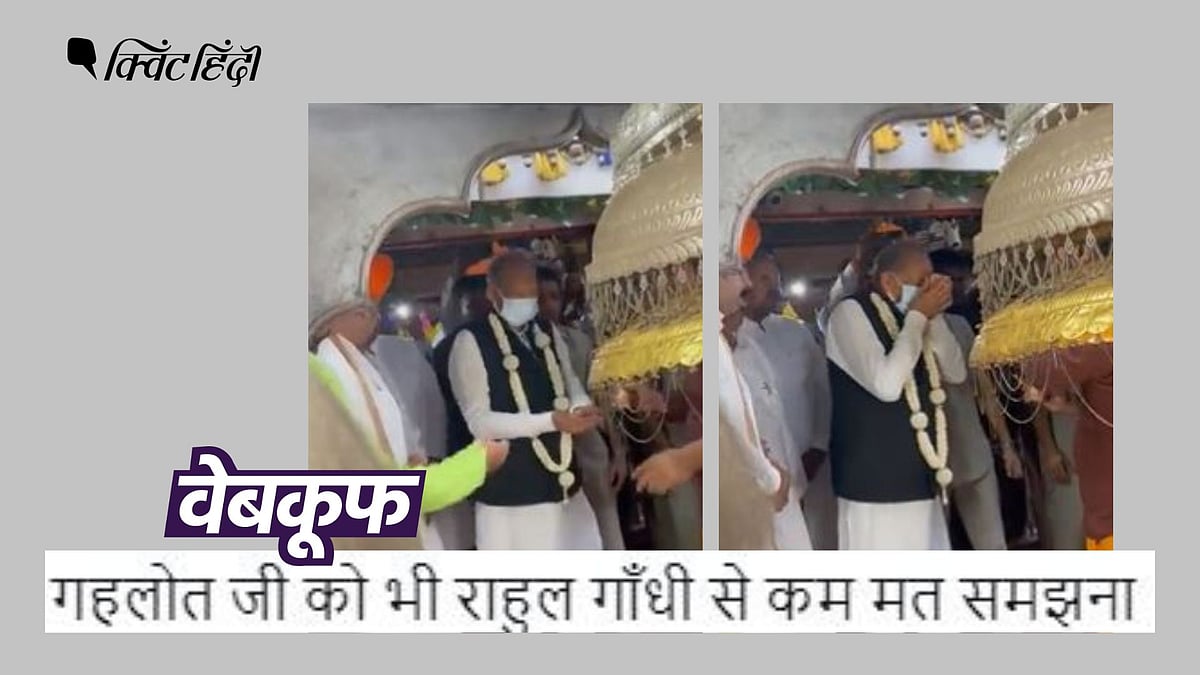
राजस्थान सीएम असोक गहलोत ने बिना मास्क उतारे पी लिया चरणामृत
Publisher’s rating: FALSE

De vrouw die door Rusland wordt verdacht van de moord op Darya Doegina is dood aangetroffen in een hotel in Oostenrijk.
Publisher’s rating: De bewering is onwaar. De gedeelde foto verscheen twee jaar geleden al in Russische media. Het lichaam op de foto is zeer waarschijnlijk van een Russische vrouw, die destijds werd vermoord in Moskou. De valse claim is afkomstig van een dubieuze Oostenrijkse website. Russische staatsmedia geven ook aan dat de claim ongefundeerd is.
"[Minister for Climate Change and Energy Chris] Bowen has changed the laws on vehicle standards ..."
Publisher’s rating: Jumped the gun
The claim concerned remarks by Nationals MP Barnaby Joyce on ABC’s Insiders program: he said Chris Bowen had changed vehicle standards and that people in country areas would pay more for four-wheel drives. The review checked whether the government had actually changed the law, rather than whether fuel-efficiency standards might eventually affect vehicle prices. The investigation reports that it consulted the Department of Infrastructure, Transport, Regional Development, Communications and the Arts, checked parliamentary legislation, and sought expert comment. The department said there had been no vehicle-standard changes since the new government began. The review also found no related legislation had passed, and Parliament’s website showed that, as of August 21—the day of Joyce’s comments—only one government bill had passed, concerning public-sector superannuation rules. The distinction between consultation and an enacted policy was central. Bowen had said the government would consult on a national electric vehicle strategy and explore options for fuel-efficiency standards. The review states that Labor had not formally adopted such a policy, much less legislated or implemented it, when Joyce made his claim. It therefore concluded that his assertion that Bowen had changed the law was premature. The review also notes that the effects on four-wheel-drive prices could not be established from a proposal whose details had not yet been developed.

Afirmação de que snipers atuam na Esplanada dos Ministérios em 7 de setembro a pedido do STF
Publisher’s rating: Enganoso
The claim concerned the Independence Day events in Brasília on 7 September 2022: a video by Roberto Jefferson said STF minister Alexandre de Moraes had ordered snipers to take positions in the city to intimidate demonstrations. The review reports that the video drew more attention on 5 September, after the claim had already circulated on social media. It distinguishes between whether snipers would be present and who was responsible for their deployment. For its check, Metrópoles says it contacted the DF Public Security Secretariat (SSP/DF), which was responsible for the holiday security arrangements, and the STF. The secretariat had announced that snipers might be used, but said deployment by the Armed Forces, when the president participated, was part of the security plan established by the Presidential Institutional Security Office (GSI/PR). The STF did not respond, according to the review. The review also reports that Metrópoles photographers saw snipers on rooftops near the Esplanada during the civic parade. That observation supports their presence at the event, but not Jefferson’s attribution of the decision to Moraes: the official information described a GSI-linked security plan, and the review concluded the STF was not responsible for the arrangement. Thus the claim was misleading about the asserted authority behind the deployment, rather than a claim that no snipers would be present.

ఆవు పేడ మరియు రావి చెట్టు 5G రేడియేషన్ను నిరోధించే శక్తి కలిగి ఉన్నాయి
Publisher’s rating: FALSE

La vacuna de Novavax no es segura y eficaz
Publisher’s rating: Falso

IBGE tem celular com urna eletrônica para roubar biometria de eleitores de Bolsonaro
Publisher’s rating: Falso

Yohani Donned In Indian Colours, Supporting The Indian Cricket Team!!
Publisher’s rating: Misleading
The claim concerned a viral image said to show Sri Lankan singer Yohani de Silva wearing an Indian cricket-team T-shirt. The review places its circulation among Sri Lankan social-media users after the India–Sri Lanka Asia Cup Super-Four fixture. It reports that the image drew derogatory comments directed at Yohani for supposedly wearing Indian colours. [S1: “an altered image of Yohani went viral again among social media streams in Sri Lanka, soon after the Asia Cup Super-Four cricket fixture between India and Sri Lanka.”; “Facebook users in Sri Lanka shared a photo of Yohani claiming that she was wearing a T shirt with Indian cricket board’s logo and the Indian national flag”] The review says a reverse image search found that the circulating picture was a photoshopped version of a photograph in which Yohani wore a shirt supporting Sri Lanka’s team. It identifies the original as a photograph Yohani herself posted to her official Instagram account in July 2020, and says Sri Lankan cricketer Dinesh Chandimal also posted it in 2021. [S1: “A reverse image search showed that the viral image was a photoshopped version of a photo of Yohani clad in a t-shirt supporting the Sri Lankan cricket team.”; “Below is the original capture published by Yohani herself, back in July 2020, in her official Instagram account.”; “Sri Lankan cricketer Dinesh Chandimal had also posted this original photo and wished her in 2021”] The review also reports that Yohani’s manager said she was staying in Sri Lanka and had not travelled to the UAE to watch any Asia Cup 2022 matches. Its conclusion is that the viral image had been altered: the original showed Yohani in a Sri Lankan cricket-team T-shirt, not the Indian one alleged in the post. [S1: “Yohani’s manager Dilanjan Seneviratne confirmed that Yohani has been staying in Sri Lanka these days and she had not visited the UAE to watch any of the Asia Cup 2022 cricket matches.”; “Our investigation shows that the image getting viral as an instance of Yohani clad in an Indian cricket team t-shirt is an edited version.”; “The original image uploaded over two years ago in July 2020, shows Yohani sporting a Sri Lankan cricket team’s t-shirt.”]

Une entreprise australienne développe un traitement pour empêcher les gens de mourir des vaccins anti-Covid.
Publisher’s rating: Le médicament – non homologué - qui est évoqué dans ce reportage d’avril 2021 a pour ambition d’aider les patients atteints du Covid-19 et souffrant de détresse respiratoire. Il ne s’agit absolument pas d’un traitement censé répondre aux effets secondaires possibles de la vaccination. La présentatrice s’est elle-même corrigée, mais cette partie a été supprimée des extraits partagés en ligne.
The claim comes from an edited excerpt of a 7NEWS Australia broadcast about an experimental treatment being developed by an Australian company. The review says the report aired on April 16, 2021, and that the circulated clip begins at 20:38 in the broadcast. It identifies the speaker as presenter Tina Altieri and says the clip was presented online as evidence of a treatment intended to stop deaths caused by Covid-19 vaccines. The review reports that it consulted an archived version of the complete broadcast, rather than relying only on the excerpt. In the full report, Altieri initially misspoke, saying “Covid vaccine” where she meant “Covid-19”; the review says she corrected herself immediately. The correction was cut from versions shared online, making the statement appear to refer to vaccine deaths. The review says the remainder of the report describes the drug as a possible treatment for people infected with Covid-19, including to prevent death or long-term consequences—not as a remedy for vaccination side effects. The drug was a monoclonal antibody developed by Implicit Bioscience, which the review describes as based in Australia and the United States. It was unapproved at the time and under clinical study by the U.S. National Institutes of Health. The review cites an NIH announcement issued shortly before the broadcast: it describes the product as intended for people hospitalized with respiratory illness and low blood oxygen following SARS-CoV-2 infection. That stated purpose matches treatment of Covid-19 illness, not prevention of deaths caused by vaccination.

Video of Rahul Gandhi stating ‘litre’ as the unit of measure for Atta (Wheat flour)
Publisher’s rating: MISLEADING
The review examines a clip in which Rahul Gandhi appears to describe wheat flour (atta) prices using litres as the unit: “Atta was Rs 22 per litre. Today it is Rs 40 per litre”. It places the statement at the Congress party’s ‘Halla Bol’ rally against inflation, held in New Delhi on 04 September 2022. The review’s conclusion concerns the clip’s missing context, not whether Gandhi initially said “litre.” To check what followed, the review says it searched online using relevant keywords and found an extended video in a tweet by ANI dated 04 September 2022. In that version, Gandhi says “Atta was Rs 22 per litre. Today it is Rs 40 per litre. Ahh… Kg”. The review also examined the full rally video published on the Indian National Congress YouTube channel. At the cited 1:52:14 timestamp, Gandhi lists prices for several commodities, says atta prices in the same terms, and then says “Ahh…Kg”. According to the review, Gandhi did initially misstate the unit but immediately corrected himself to kilograms. The circulated clip omitted that correction, making it misleading to present the clip as though it showed the complete exchange. The review also notes that a separate Congress video clipped the atta-price remark and projected it as if Gandhi had stated the unit in kilogram; this does not change what the longer rally footage shows about the initial wording and immediate correction.
Where the data comes from
Fact checks come from Data Commons and link to the organizations that published them.
What you’ll find
Each result links to the original fact check. Open it to read the publisher’s findings, with summaries and supporting sources where available.
Report an error
To report an error, send the page URL and supporting evidence.