PeakMetrics / Fact Checks
Has this been
fact-checked?
Paste a claim or upload an image to find existing fact checks. See what fact-checkers found and read the evidence before you share.
Search fact checks ↓API & integrations ↗Browse by topic
Explore fact checks by subject.
Search fact checks
Search by text or imageLatest fact checks
98,307 published reviews
Ex-funcionária da Casa Branca Deborah Birx não confessou que as vacinas não protegem contra a covid-19
Publisher’s rating: fake news e boato em redes sociais
Willie Ong endorsed Scar Gel which can allegedly heal scars, stretch marks, keloids, pimples, and acne
Publisher’s rating: False
Eu fui por quatro vezes o melhor prefeito do Brasil
Publisher’s rating: Exagerado
Cada três crimes de estelionato, golpe de Pix, de WhatsApp no Brasil, um é em São Paulo
Publisher’s rating: Verdadeiro, mas...

La reina Isabel II es la mujer que aparece en un video lanzando monedas a niños asiáticos.
Publisher’s rating: Falso
The claim concerns a circulated video showing a woman tossing objects toward Asian children and alleges that the woman is Queen Elizabeth II. The Detector’s review says the objects are not clear in the viral footage, although it identifies them as coins based on the film’s catalog record and related research. The key question is whether the person in this old film could be Elizabeth II. To investigate, the review describes using a reverse-image search on a screenshot from the video. That led to a Reddit post identifying the figures as the wife and daughter of French governor Paul Doumer, and to a Lumière catalog entry describing film number 1,274. The review also consulted the Lumière Institute’s film listing, which names Gabriel Veyre, French Indochina, and 1899. It reports that the catalog image shows the women on the steps and children collecting coins. The review says the film was made between 1899 and 1901, while Elizabeth II was born in April 1926. Those dates rule out her appearing in the footage. The review identifies the women as Doumer’s wife and daughter, rather than the queen; it also notes that the film’s date varies across the cited records, but every date given precedes Elizabeth’s birth by more than two decades.
[Mantivemos] o preço passagem em São Paulo há três anos
Publisher’s rating: Verdadeiro
[São Paulo] Foi eleita pela CGU, pela Controladoria Geral da União, a cidade mais transparente do Brasil
Publisher’s rating: Verdadeiro, mas...
Temos a alíquota [de IPVA] mais cara do Brasil
Publisher’s rating: Verdadeiro, mas...
Eu fui o primeiro governador desse país que reduziu o ICMS da gasolina
Publisher’s rating: Verdadeiro, mas...
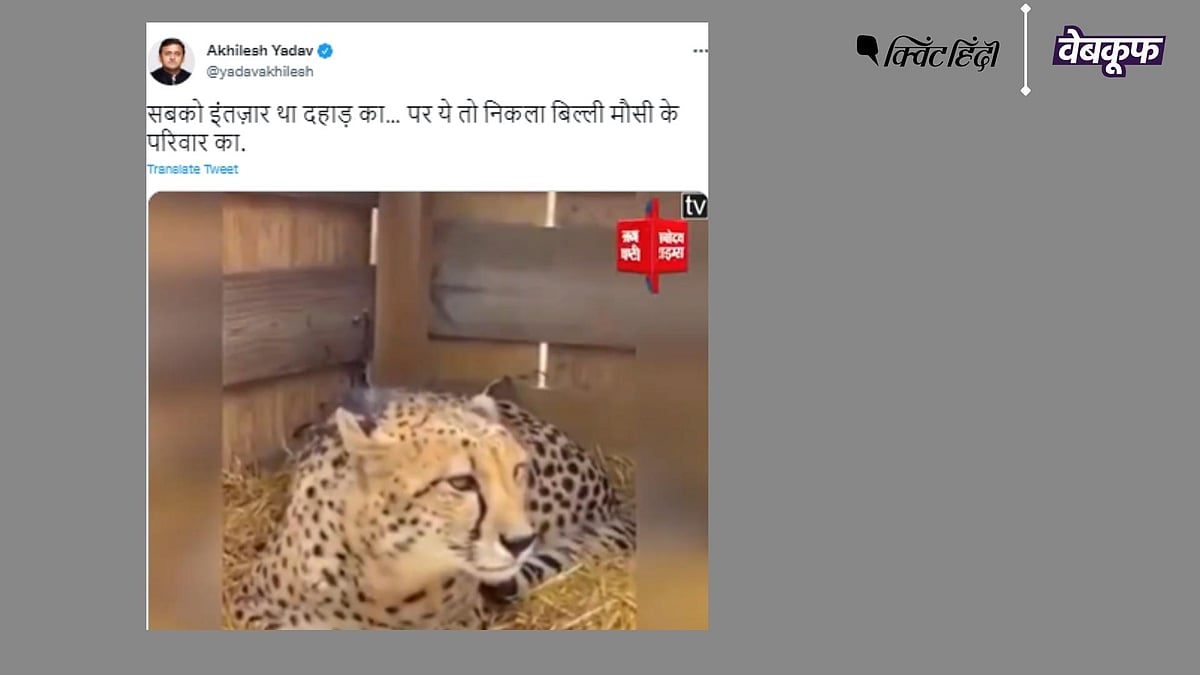
कुनो नेशनल पार्क में 17 सितंबर को आए चीते का है म्याऊ करते चीते का वीडियो
Publisher’s rating: FALSE
São 4 milhões de pessoas com deficiência em São Paulo
Publisher’s rating: Exagerado
Precisa atuar com urgência combatendo o analfabetismo [entre as crianças], que subiu
Publisher’s rating: Verdadeiro
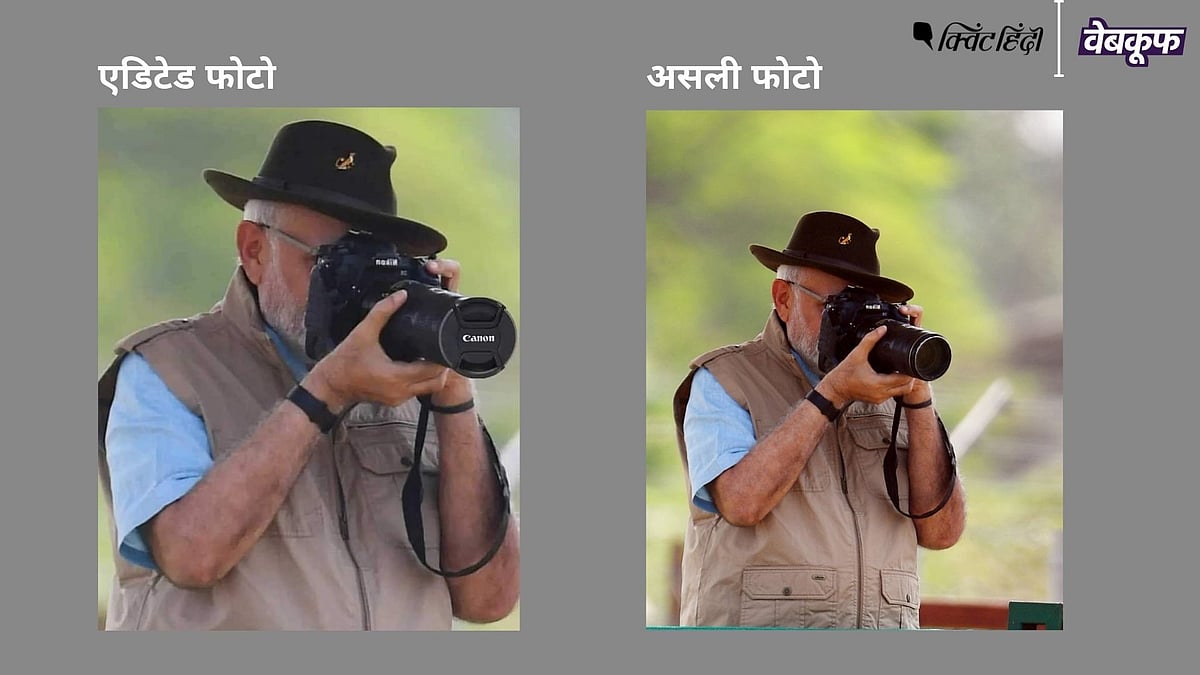
कूनो नेशनल पार्क में चीतों की तस्वीर खींचते वक्त पीएम मोदी के कैमरे का लैंस बंद था
Publisher’s rating: FALSE

Image of worlds darkest child
Publisher’s rating: FALSE
The claim concerns a viral image presented as a very dark-skinned child in South Africa. The review says versions of the image had circulated since June 2015 and describes the post’s claim that the child was the “world’s darkest” and had been mentioned in the Guinness Book of World Records. Its investigation focused on identifying what the image actually showed, rather than verifying a child’s identity or a record entry. (S1: “An image of the ‘world’s darkest baby’ from South Africa has gone viral on social media. The image has been a matter of concern since June 2015.”; “The viral post also claims that the baby has been mentioned in the Guinness Book of World Records.”) The reviewer reports performing a reverse image search, which led to an Etsy listing describing the subject as a poseable miniature made from polymer clay. The listing described a small sculpted gorilla doll, including its approximate size and movable limbs. The review also says a keyword search identified the artist as Lilah Pearson and located similar creations in her “Breath of Heaven” collection, with the collection also appearing on eBay. (S1: “NewsMeter performed a reverse image search and found the photo on Etsy. According to the description, it is a ‘Baby Sculpted Polymer Clay Monkey Gorilla Doll Poseable Miniature.’”; “The doll was made by Lilah Pearson in her collection 'Breath of Heaven'. Digging a little deep, we found her Pinterest account with many similar creations.”) Separately, the review reports that a keyword search found nothing supporting the post’s Guinness Book of World Records assertion. Taken together, its reported image-search results identify the pictured subject as an artwork, not a baby; the absence of a record entry is a separate check of the post’s accompanying claim. (S1: “The same collection can be seen on eBay as well.”; “We ran a keyword search and found nothing about the same.”; “It is evident that the photo of a doll is being shared as the ‘world’s darkest baby.’ Hence, the claim is false.”)
500 obras paradas, 300 obras em marcha-lenta [em São Paulo]
Publisher’s rating: Verdadeiro, mas...
Where the data comes from
Fact checks come from Data Commons and link to the organizations that published them.
What you’ll find
Each result links to the original fact check. Open it to read the publisher’s findings, with summaries and supporting sources where available.
Report an error
To report an error, send the page URL and supporting evidence.