PeakMetrics / Fact Checks
Has this been
fact-checked?
Paste a claim or upload an image to find existing fact checks. See what fact-checkers found and read the evidence before you share.
Search fact checks ↓API & integrations ↗Browse by topic
Explore fact checks by subject.
Search fact checks
Search by text or imageLatest fact checks
98,307 published reviews
Padre Kelmon, dançarino da Banda Carrapicho nos anos 90.
Publisher’s rating: Falso
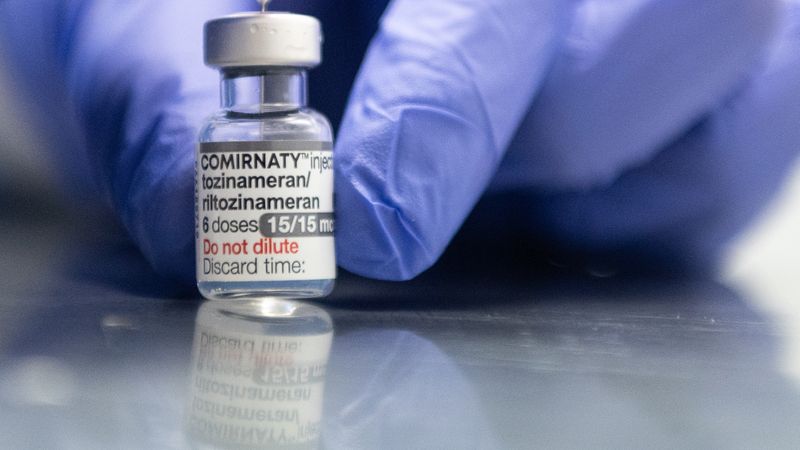
Un document interne de Pfizer prouve que les vaccins contre le Covid-19 contiennent de l'oxyde de graphène.
Publisher’s rating: Ce qui est prétenu dans la vidéo, vieille de plus d'un an, est faux. Les vaccins actuellement approuvés contre le Covid-19 ne contiennent pas d’oxyde de graphène - cela vaut aussi pour le vaccin de Pfizer/BioNTech.
The claim concerns a TikTok video in which a man alleges that Pfizer/BioNTech’s Covid-19 vaccine contains graphene oxide, citing purported internal company documents. The review identifies the claim as false: it says no document proves graphene oxide is present in Covid-19 vaccines, including Pfizer/BioNTech’s. The assertion that documents establish the ingredient is therefore not supported by the evidence described in the review. To check the claim, the review points to the ingredient lists published for vaccines approved in the European Union. It says the European Medicines Agency lists the components of the Pfizer/BioNTech, Moderna, AstraZeneca, Janssen, Novavax and Valneva vaccines, and that neither graphene oxide nor graphene appears in any of those lists. It also notes that Belgium’s medicines agency provides a more detailed explanation of vaccine composition and that vaccines are examined by competent health authorities before being marketed. The review adds two further lines of evidence: Pfizer confirmed to several fact-checking agencies that its vaccine does not contain graphene oxide, and the video’s account of its provenance is traceable. It says the footage was filmed in August 2021 at a public meeting in Barbados and identifies the speaker as Fred Corbin. The review does not provide the alleged internal document itself; instead, it contrasts the video’s allegation with public ingredient information and the company’s reported confirmation.


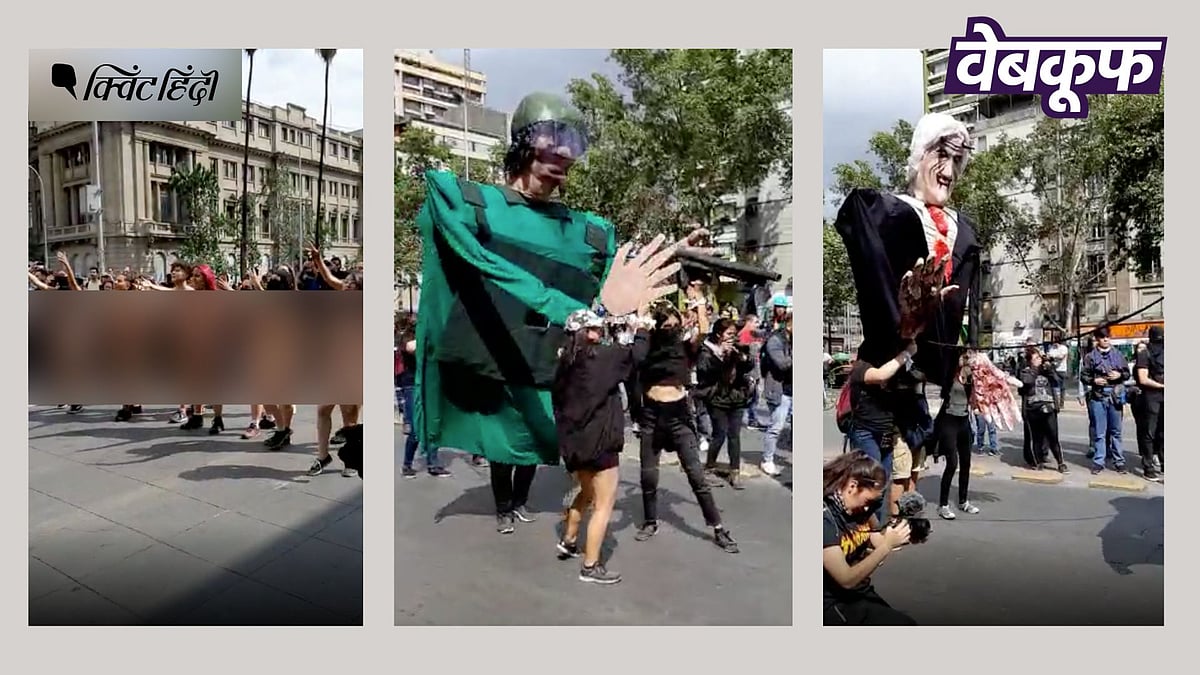
ईरान में एंटी हिजाब प्रोटेस्ट में शामिल महिलाओं को बिना कपड़ों के प्रोटेस्ट करते दिखाता वीडियो
Publisher’s rating: FALSE

Mercadona sortea 1.000 euros con motivo de su 45 aniversario
Publisher’s rating: False
https://dpa-factchecking.com/germany/221017-99-155849/
Publisher’s rating: Die Gewinnspiele sind nicht echt. Der Radiosender und Moderator Arno Müller warnen vor den angeblichen Verlosungen.
The review examines Facebook profiles promoting supposed cash giveaways by Berlin radio station 104.6 RTL and host Arno Müller. It says users were directed to a registration link and asked to provide personal information. The review reports that the profiles were fake, and that the station and Müller warned about the purported giveaways. [Supported by the quoted passages below.]

There is nothing environmentally friendly about EVs as the cobalt needed for EV batteries is obtained through mining that harms the environment.
Publisher’s rating: Misleading
Anil Upadhyay is a BJP MLA, now tell how the general public will be safe when the police are not safe from these people.
Publisher’s rating: Fake

Che Guevara, Selahaddin Eyyubi'nin Mezarını Ziyaret Etti mi?
Publisher’s rating: Doğru

भाजपा नेता हार्दिक पटेल ने प्रधानमंत्री मोदी को ‘फेंकू’ कहा और आम आदमी पार्टी के नेता अरविन्द केजरीवाल की तारीफ करते हुए नज़र आ रहे है।
Publisher’s rating: misleading

టూత్ పేస్ట్ పైన ఉండే రంగు గుర్తులు వాటిలో ఉండే ముడి పదార్థాలను సూచిస్తాయి
Publisher’s rating: FALSE
ആദിവാസി പെണ്കുട്ടിയെ നരബലിയില് നിന്നും പണ്ഡിറ്റ്ജി രക്ഷപ്പെടുത്തി…’
Publisher’s rating: FALSE

One eggplant alone will melt your belly fat in seven days without diet or exercise
Publisher’s rating: MISLEADING
FACTLY’s review concerns a social-media video promoting eggplant juice as a way to lose belly fat quickly without changing diet or exercising. The post also claimed that a person could lose up to 10 kilograms in a week. The review identifies the precise claim as one eggplant melting belly fat in seven days without diet or exercise; its assessment is specifically about whether eggplant alone can produce that result. The review reports looking for relevant scientific studies. It found a study suggesting eggplant may be useful in treating metabolic syndrome, but notes that the study recommends further research into how eggplant works. It also cites Healthline’s description of eggplant as high in fibre and low in calories, which could help create fullness and reduce calorie intake. Those points describe possible contributions to a broader weight-loss regimen; they do not establish that one eggplant or its juice independently removes belly fat. FACTLY says it found no substantial scientific evidence that eggplant aids weight loss in the way claimed, or that one eggplant can make belly fat disappear without diet or exercise. The review contrasts the video’s shortcut promise with CDC guidance that healthy weight loss involves healthy eating patterns and regular physical activity, and that gradual, steady loss is more likely to be maintained. The evidence presented supports the conclusion that eggplant’s nutritional qualities do not substantiate the video’s specific promise.

Basın Kanunu’nda yapılan değişikliklerin yürürlüğe giriş tarihinin 1 Nisan 2023’e ertelendiği iddiası
Publisher’s rating: Yanlış

Deze video toont Oekraïense crisisacteurs.
Publisher’s rating: De gedeelde beelden lijken uit context vreemd, maar tonen geen crisisacteurs. Het gaat wel degelijk om echte gewonden na een Russisch bombardement op Kiev.
The review investigates a video circulated on Twitter, Facebook and Telegram that was presented as evidence that Ukrainian civilian casualties had been staged. It focuses on the woman shown receiving treatment while taking a selfie, and on the allegation that she and others in the footage were crisis actors. The review places the footage in the aftermath of Russia’s 10 October 2022 bombardment of Kyiv and says the woman was among those injured. (S1: “Een video dat doet de ronde op Twitter, Facebook en Telegram, zou echter doen vermoeden dat beelden van burgerslachtoffers in scène zijn gezet.”; “De vrouw op de voorpagina van de Volkskrant was wel degelijk een van hen.”) To check the setting and people in the video, the review traces the footage to a YouTube video and locates it near Kyiv’s 101 Tower. It says reporting confirmed that a bomb had struck near the tower that morning. It also compares the footage with video recorded by photographer Oleksandr Khomenko, in which the older people seen being treated in the circulating clip appear injured and others are receiving help. (S1: “De beelden, die afkomstig zijn van deze Youtubevideo, tonen twee oudere mensen die verzorgd worden, terwijl de vrouw een selfie neemt.”; “Deze beelden zijn hier in Kiev opgenomen vlakbij de 101-toren die verder in het fragment te zien is.”; “De oudere mensen die verzorgd worden zijn ook te zien in deze video, die de fotograaf Oleksandr Khomenko op zijn Facebookpagina zette.”) The review also addresses the selfie as the basis for suspicion. It reports that the woman was not so seriously injured that she had to be taken to hospital immediately, and says she asked someone to take a photo before saying she would take a selfie for her sister in Russia. The review therefore treats the selfie as compatible with her being injured, rather than proof that the scene was staged. (S1: “De vrouw is gewond, maar duidelijk niet zo ernstig dat ze meteen moet afgevoerd worden naar het ziekenhuis.”; “Eerste vraagt ze aan een zekere Andrej Andrejevich om een foto van haar te nemen om dan te zeggen dat ze een selfie zal nemen, voor haar zus in Rusland.”)
தீபாவளிக்கு ரூ.600 கோடிக்கு மது விற்பனை செய்ய டாஸ்மாக் இலக்கு நிர்ணயம் செய்திருக்கிறதாம். சனி, ஞாயிறு வார இறுதி விடுமுறை நாட்களை தொடர்ந்து திங்களன்று தீபாவளி வருவதால் இலக்கை அடைவது சுலபம்தான். இந்தியாவுக்கே தமிழகம் முன்மாதிரியாக இருப்பதை பார்த்தால் ரொம்ப பெருமையாக (!) இருக்கு. ” என ட்விட்டரில் பதிவிட்டு இருந்தார்.
Publisher’s rating: Fake
Where the data comes from
Fact checks come from Data Commons and link to the organizations that published them.
What you’ll find
Each result links to the original fact check. Open it to read the publisher’s findings, with summaries and supporting sources where available.
Report an error
To report an error, send the page URL and supporting evidence.