PeakMetrics / Fact Checks
Has this been
fact-checked?
Paste a claim or upload an image to find existing fact checks. See what fact-checkers found and read the evidence before you share.
Search fact checks ↓API & integrations ↗Browse by topic
Explore fact checks by subject.
Search fact checks
Search by text or imageLatest fact checks
98,307 published reviews
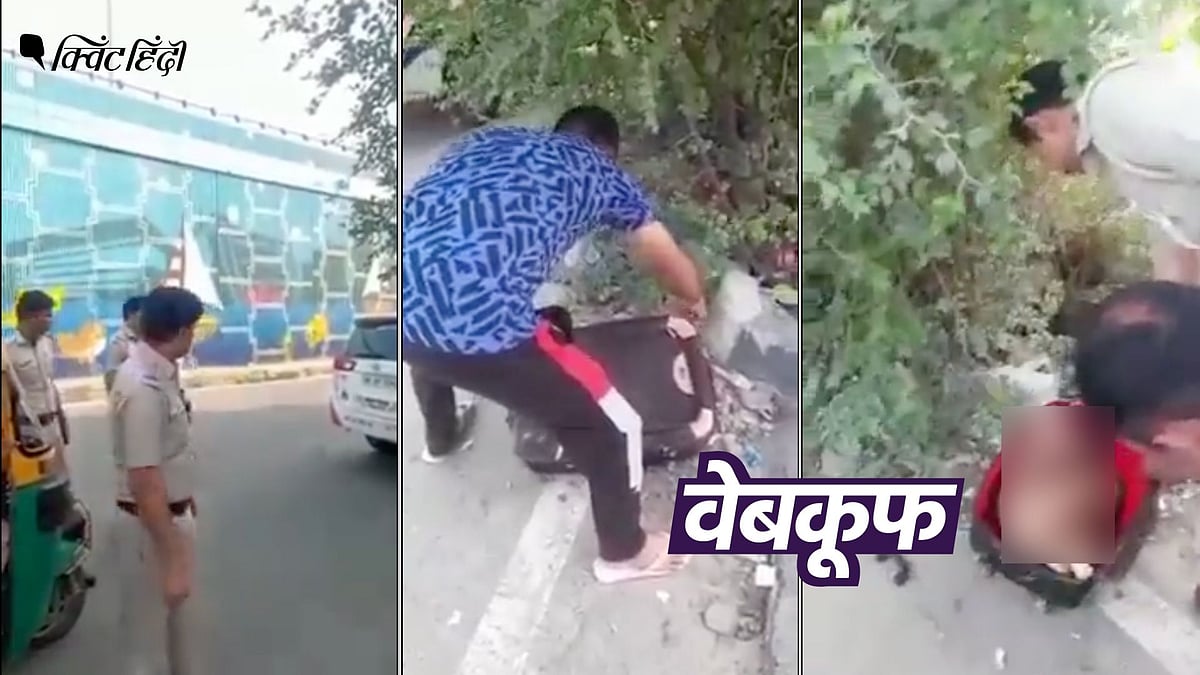
सूटकेस में हिंदू महिला की लाश दिखाता वीडियो. महिला को मुस्लिम शख्स ने मारा
Publisher’s rating: FALSE
ទំព័រហ្វេសប៊ុកមួយឈ្មោះ «ព្រះធម៌.Page» បានបង្ហោះរូបថតចំនួន ៥សន្លឹក ដែលក្នុងនោះមានរូបថត ៣សន្លឹក បង្ហាញទិដ្ឋភាពនៃពិធីបុណ្យបូជាសពជាច្រើននាពេលរាត្រី។ ទំព័រហ្វេសប៊ុកដដែលខាងលើនេះ បានភ្ជាប់រូបថតទាំងនេះទៅនឹងហេតុការណ៍លិចទូកចម្លង ដែលបានកើតឡើងកាលពីថ្ងៃទី១៣ ខែតុលា ឆ្នាំ២០២២កន្លងទៅ នៅភូមិសាស្ត្រស្រុកលើកដែក ខេត្តកណ្ដាល។
Publisher’s rating: False

A Filipino doctor is advertising cereals and mixed nuts that aid weight loss
Publisher’s rating: Fake


Deze video toont een Oekraïense crisisacteur.
Publisher’s rating: De video toont de opnames van een muziekvideo. De acteur zelf deelt de making-off, dus de implicatie dat het hier om een crisisacteur zou gaan, is volledig uit de lucht en uit de context gegrepen.
Bongbong Marcos issued an order to free former senator Leila de Lima
Publisher’s rating: False


Ein Video zeigt, dass Bilder von zivilen Opfern in der Ukraine inszeniert wurden.
Publisher’s rating: Falsch
The claim concerns a video presented online as proof that civilian casualties in Ukraine were staged, with the post alleging that victims had been covered in ketchup. DPA examined the video and associated photograph, identifying the scene as aftermath of the Russian missile attack on Kyiv on 10 October 2022. The review says the footage was made in central Kyiv, near the 101 Tower, and reports that other media confirmed a bomb had fallen close to it. To check the scene against other material, DPA points to additional photographs and videos showing the same injured people. In footage from Ukrainian online broadcaster Hromadske, two older people are seen receiving medical care; another video posted by photographer Oleksandr Khomenko shows those people and other injured people being helped by responders or passers-by. DPA also notes that press photographers are visible in Khomenko’s video. The review traces the accompanying still photograph to Associated Press photographer Efrem Lukatsky. It reports that Lukatsky told the French newspaper Libération that flying glass injured the people pictured after the explosion, and says images of the 101 Tower show many broken windows. The review also addresses the post’s argument that a woman could not be injured because she took a selfie while a rescuer bandaged her: it says the footage shows an injury, while noting that the woman was not necessarily so seriously hurt that she had to be taken to hospital immediately. The additional footage, photographs, location evidence and explanation of the selfie are the evidence DPA gives for identifying the scene as real rather than staged.

ලිට්රෝ ගෑස් සමාගම විසින් ගෑස් සිලින්ඩර 500ක් නොමිලේ පරිත්යාග කරන බවට ව්යාජ සටහනක්!
Publisher’s rating: False
The claim concerned a social-media post presenting a giveaway of 500 free gas cylinders as a Litro Gas promotion. The review says it examined the circulating post and notes that commenters appeared to treat it as genuine. It then checked whether Litro Gas Lanka had announced such a promotion on its official Facebook page; the review found no such promotion or matching post there. To investigate further, the fact-checker contacted Litro’s marketing manager, identified as Mr. Kethiswaran. According to the review, he said the company was not running a programme to give away gas cylinders and described the posts as coming from a fake Facebook page impersonating Litro. The review therefore concluded that the giveaway claim was not a genuine company promotion. The article also mentions a September 5 reduction in gas prices and lists prices for three cylinder sizes. That information provides additional detail in the article, but the review’s stated basis for rejecting the giveaway claim is the absence of the promotion on Litro’s official page and the marketing manager’s account—not the price changes.

De NAVO beschuldigt Rusland van een bombardement dat is uitgevoerd door de NAVO zelf in 1999.
Publisher’s rating: Rusland heeft niets te maken met de gebombardeerde trein in de foto. Maar de NAVO heeft dit ook nooit beweerd. De foto toont een passagierstrein die door een NAVO-vliegtuig werd gebombardeerd in 1999.
The image shows a passenger train struck by a NATO aircraft in 1999, near the Grdelica Gorge in Serbia—not a train bombed in the current war in Ukraine. The review says it checked the image’s provenance by finding versions online that predated the start of the war on 24 February 2022, as well as other photographs of the same train. Those images were identified as showing the 1999 NATO attack. The review distinguishes the identity of the attacker in the historical image from the later claim about who accused Russia. It reports that the accusation shown in the Facebook post came from a Twitter user, not an official NATO account or representative. The review found nothing on the user’s account suggesting an official role within NATO or the US government. The user said the tweet was sarcastic and intended to portray NATO as malicious, though the review notes that not everyone understood it that way. The review therefore concludes that the image does show a NATO bombing, but the claim that NATO itself used the image to accuse Russia is unsupported: the accusation originated with an individual Twitter user. The review also says that a Russian diplomat shared the interpretation that “the Americans” had accused Russia of carrying out their own bombing. Its account does not establish whether the individual’s accusation was sincere or sarcastic.

People are running away from a dragon that emerges from a mountain
Publisher’s rating: FALSE
The claim concerns a video that appears to show people fleeing a dragon emerging from a mountain. FACTLY’s investigation identifies the footage of the fleeing crowd as a real landslide in Beijing, with a computer-generated dragon added to make it appear that people are running from the creature. The review locates the landslide at Junhong Road in Da’anshan township, Fangshan district, and reports that it occurred on 11 August 2018, citing CGTN for the date. [S1: “Fact: This clip contains the video of a landslide incident that happened in Beijing in August 2018. A clip of a CGI dragon is edited onto this clip to make it look like people are running away from the dragon.”] [S1: “According to the description of the post, which also contains the video clip from the viral post, ‘A landslide occurred at the Junhong Road in Da’anshan township, Fangshan district, Beijing at around 8:30am (local time) on Saturday.’ According to CGTN, this incident occurred on 11 August 2018.”] The review describes two comparisons supporting that account. A reverse-image search using screenshots led to a People’s Daily China Facebook post containing the landslide footage; the review also says a CGTN YouTube video matches the viral clip from 00:15 onward, though the viral version is flipped. The dragon’s source could not be traced, so the review does not establish where that insert originated. It notes only that the dragon looks similar to one in the 2020 film *The Iron Mask*. [S1: “We ran a reverse image search on Yandex using a few screenshots from the video and were led to a Facebook post by People’s Daily China.”] [S1: “A video uploaded to their YouTube channel matches (from 00:15) the clip from the viral video, except that the clip in the viral video is flipped.”] [S1: “We could not trace the source of the dragon clip in the viral video, but it looks similar to the dragon from the 2020 Motion Picture The Iron Mask.”]

Image of a rare natural rudraksh containing trishul and shankh symbols
Publisher’s rating: FALSE
The post presents an image of a rudraksh bearing trishul and shankh symbols as a rare object formed naturally. FACTLY reports that its investigation found the pictured object was a manufactured imitation: such rudrakshas can be made from materials including wood, lead, plastic and glue, with the symbols shaped using moulds. The review says these imitations are sold to devotees at high prices. To investigate the image, FACTLY says it conducted a reverse image search and found the same image circulating for a long time with the same claim. It also points to reactions to Esha Deol sharing the image on Twitter in 2018, including comments calling the object fake, and to a warning from the official Twitter account of CPI(M) Puducherry. These details provide context for the image’s circulation, while the review’s central finding is that the symbols were carved into a manufactured object rather than formed naturally.
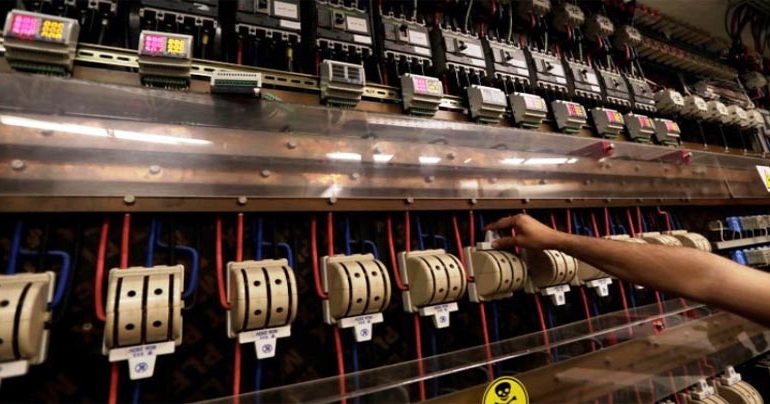
هل طلب استيفاء الضريبة على القيمة المضافة في فواتير مولدات الكهرباء قانوني؟
Publisher’s rating: غير صحيح

Fotoğrafta Atatürk’ün çevresinde 32 kral ve 62 cumhurbaşkanı olduğu iddiası
Publisher’s rating: Yanlış
Where the data comes from
Fact checks come from Data Commons and link to the organizations that published them.
What you’ll find
Each result links to the original fact check. Open it to read the publisher’s findings, with summaries and supporting sources where available.
Report an error
To report an error, send the page URL and supporting evidence.