PeakMetrics / Fact Checks
Has this been
fact-checked?
Paste a claim or upload an image to find existing fact checks. See what fact-checkers found and read the evidence before you share.
Search fact checks ↓API & integrations ↗Browse by topic
Explore fact checks by subject.
Search fact checks
Search by text or imageLatest fact checks
98,307 published reviews
Ukrainian FGM 148 Javelin Missile Attack On Russian Tanks! (VIDEO)
Publisher’s rating: False
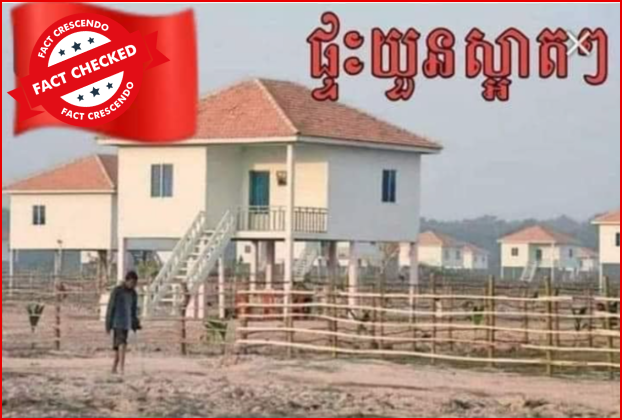
ផ្ទះសាងសង់សម្រាប់ជនជាតិវៀតណាម។
Publisher’s rating: False
The claim concerned a composite social-media image that contrasted houses with the rubble of a Cambodian villager’s home and presented the houses as being built for Vietnamese immigrants. The review places the claim amid discussion of a 40-hectare plot in Kampong Chhnang province granted to Vietnamese immigrants in late 2019, but says the image was falsely connected to that issue. The post was shared by a Facebook page named Politically of Cambodia on October 11; the review says the image had circulated widely.
പ്രധാനമന്ത്രി നരേന്ദ്ര മോദിയുടെ ട്വിറ്റർ അക്കൗണ്ട് അമേരിക്കയുടെ വൈറ്റ് ഹൌസ് ഫോളോ ചെയ്യുന്ന ഒരേയൊരു വിദേശ നേതാവിന്റെ അക്കൗണ്ടാണ്
Publisher’s rating: FALSE

නිදහස් දින උත්සවයේ දී අනපේක්ෂිත ගොඩබෑමකට ලක්වූ උගන්ඩානු පැරෂුට් භටයන් ? (VIDEO)
Publisher’s rating: False
টাইমস হায়ার এডুকেশনের ওয়ার্ল্ড ইউনিভার্সিটি র্যাংকিং ২০২৩-এ বাংলাদেশের সব বিশ্ববিদ্যালয়ের মধ্যে প্রথম স্থান অর্জন করেছে নর্থ সাউথ ইউনিভার্সিটি (এনএসইউ)
Publisher’s rating: Misleading
O maior reajuste [para professores] da história do Brasil para o ensino básico foi concedido pelo nosso governo
Publisher’s rating: Verdadeiro, mas...
Os delatores [da Lava Jato] devolveram mais de R$ 6 bilhões
Publisher’s rating: Verdadeiro
Toda a bancada do PT na Câmara foi contra a criação do Auxílio Brasil com R$ 400
Publisher’s rating: Falso

Donations for the treatment of a baby suffering from cancer
Publisher’s rating: FALSE
The review examines images of a baby with a swollen stomach circulated with requests for donations on the claim that he had cancer. It identifies the baby as Jiyaan, born in August 2020, and says he was diagnosed in early 2021 with decompensated cirrhosis of the liver with portal hypertension—not cancer. The review says his doctors advised that he needed a liver transplant, estimated to cost about ₹20 lakhs. To trace the images, the review reports conducting a reverse image search, which led to a fundraising campaign on Ketto. It says Ketto’s information identified Jiyaan and described the diagnosis and need for a transplant. According to the review, his parents sought donations because they could not meet the cost themselves; 1,661 supporters contributed, the transplant was successfully performed, and Jiyaan was doing well. The central omitted context is that the images came from an old, completed appeal for a different medical condition. The review says the Ketto campaign had ended more than a year earlier, while social media users were circulating the images again and directing donors to fraudulent accounts. Thus, its evidence addresses both the false cancer description and the misleading presentation of an already fulfilled fundraiser as a current request for treatment.


Karbon emisyonunun küresel ısınmaya neden olmadığı iddiası
Publisher’s rating: Yanlış

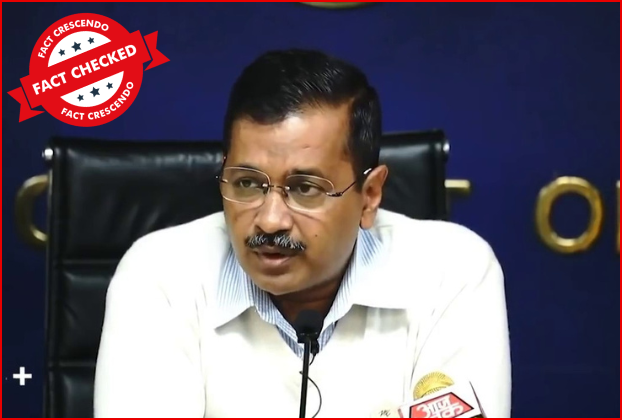
केजरीवाल बोल रहे है कि नेताओ को सवाल कर के दोषीओं को सजा मिलेगी क्या? उठा के जेल में डालो उनको.
Publisher’s rating: False
ആന്ധ്രയില് മുസ്ലിങ്ങള് നാഗക്ഷേത്രം പൊളിക്കുന്നു
Publisher’s rating: FALSE
Hoje em dia, 21 milhões de pessoas recebem o Auxílio Brasil. Isso dá aproximadamente R$ 12 bilhões por mês
Publisher’s rating: Verdadeiro
Where the data comes from
Fact checks come from Data Commons and link to the organizations that published them.
What you’ll find
Each result links to the original fact check. Open it to read the publisher’s findings, with summaries and supporting sources where available.
Report an error
To report an error, send the page URL and supporting evidence.