PeakMetrics / Fact Checks
Has this been
fact-checked?
Paste a claim or upload an image to find existing fact checks. See what fact-checkers found and read the evidence before you share.
Search fact checks ↓API & integrations ↗Browse by topic
Explore fact checks by subject.
Search fact checks
Search by text or imageLatest fact checks
98,307 published reviews
“Lula bate o martelo e garante Jean Wyllys para o Ministério da Educação”
Publisher’s rating: Falso

Video shows Rishi Sunak’s ‘griha pravesh’ (housewarming) at 10 Downing Street
Publisher’s rating: FALSE

Drink made from scent leaves help clean the kidneys !!
Publisher’s rating: Misleading
The review investigated viral Facebook and WhatsApp posts circulating in Sri Lanka that said drinking boiled scent leaves would clean the kidneys. The circulated recipe called for boiling a bunch of leaves in one litre of water and drinking a cup daily; it claimed that accumulated salt and poison would then appear in urine. The review’s conclusion addresses that specific cleansing claim, not whether scent leaves have any possible use in other settings. For its check, Factcrescendo Sri Lanka said it consulted medical experts and searched research papers and scientific findings about scent leaves and kidney health. Dr. Ashan Pathirana of Sri Lanka’s Health Promotion Bureau said there was no significant evidence that scent leaves can clean the kidneys. Nephrologist Dr. Fatiu Arogundade likewise described the therapy as not scientifically proven and urged people with kidney failure or symptoms to seek medical care rather than rely on home remedies. The review also describes animal research in which basil leaf extract was tested against kidney injury associated with cyclophosphamide, a chemotherapy drug. It reports fewer adverse effects among rats pre-treated with the extract, but says it found no human research on the subject. That limited animal finding does not establish that a homemade scent-leaf drink cleans human kidneys. The review concludes that the viral claim is unsupported and advises seeking medical help for kidney-related disease.
Eating 2 slices of onions a day treat depression
Publisher’s rating: Mostly False


Es gibt kein Bier in Katar.
Publisher’s rating: Die katarischen Behörden distanzieren sich von dem Plakat: Sie hätten es weder erstellt noch veröffentlicht. Eine Bürgerbewegung verbreitet die Grafik im Rahmen einer Kampagne namens «Reflect your Respect».
The claim that there is no beer in Qatar is addressed here through a specific World Cup context: a social-media graphic said Qatar had issued rules for visitors that prohibited drinking alcohol. The review says the graphic had circulated since early October and lists alcohol among several things it presented as forbidden. It then distinguishes that unofficial graphic from Qatar’s actual World Cup arrangements. The review reports that the Supreme Committee for Delivery and Legacy, the official organization responsible for the 2022 World Cup, disavowed the graphic, saying it did not represent Qatar’s official position and did not come from an official Qatari body. The article also says Qatari authorities disavowed it to Reuters, the Associated Press and Check Your Facts. It identifies the graphic as material from Reflect your Respect, a citizen campaign, rather than an official visitor code. On alcohol specifically, the review reports that FIFA’s official World Cup website explained how alcohol would be handled during the matches, and that Qatar had eased its position: visitors could consume alcoholic beverages in certain areas. It says the decision about alcohol at the tournament was made in early September 2022. Thus the evidence does not support the graphic’s blanket prohibition in the World Cup setting; it does not establish that beer was available everywhere in Qatar or address every time and location.
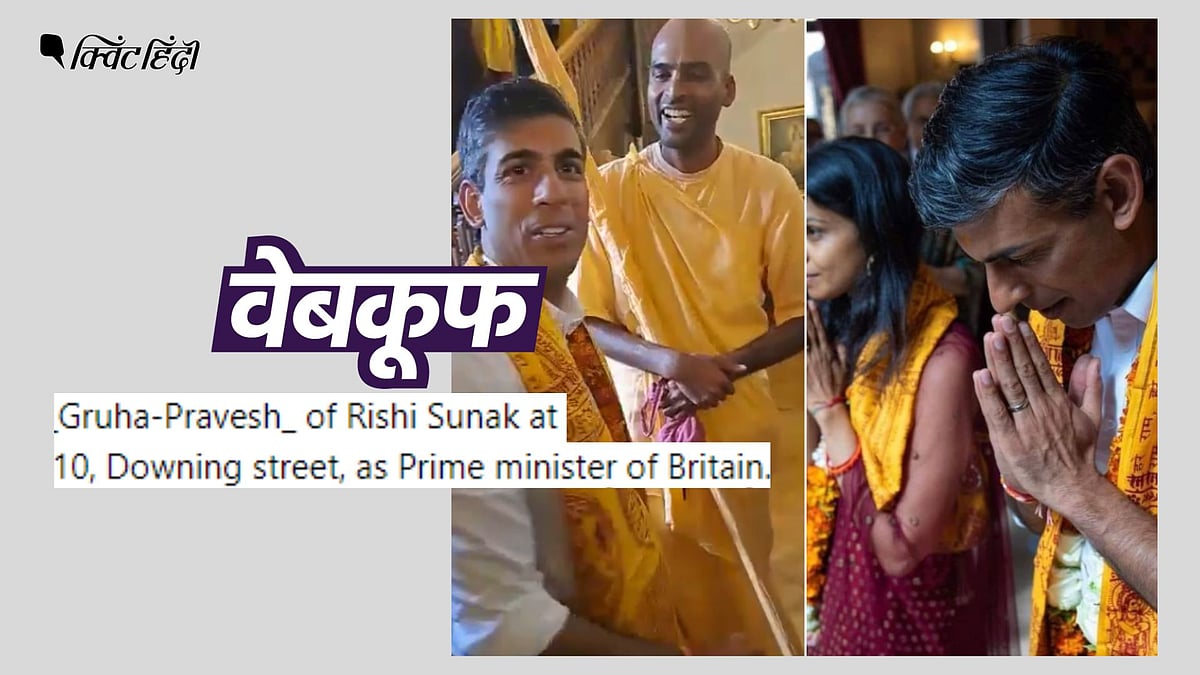
प्रधानमंत्री आवास में ऋषि सुनक और उनकी पत्नी के गृह प्रवेश की है ये तस्वीर
Publisher’s rating: FALSE

బ్రిటన్ ప్రధాన మంత్రి పదవి చేపట్టిన వెంటనే రిషి సునాక్ ఇస్కాన్ శ్రీ కృష్ణ మందిరాన్ని సందర్శించిన దృశ్యాలు
Publisher’s rating: FALSE
Every 1 in 500 children who received Pfizer vaccine are hospitalized
Publisher’s rating: Half True
Música "Sal no Bolsonaro" cantada por Janja e MC em vídeo incita morte de Bolsonaro
Publisher’s rating: FALSO

Deze gewassen mogen niet meer verbouwd worden in Nederland in 2023.
Publisher’s rating: De bewering is onjuist. De (voorlopige) lijst is een opsomming van wintergewassen die een uitzondering gaan vormen binnen het Nederlandse actieprogramma voor uitvoering van de Europese Nitraatrichtlijn voor de periode 2022-25. De Minister van Landbouw moedigt daarvoor het verbouwen van andere gewassen in de winter aan, maar deze gewassen mogen in de winter óók op het land staan.
Belly fat melt in 7 days by having a drink of lemon and eggplant
Publisher’s rating: Mostly False


Olhem a moral que a Heineken tá dando… Retirou a estrela vermelha, colocou Brasil e 22!!
Publisher’s rating: Falso
smithtown-residents-worry-proposed-parking-lot-expansion-would-create-flooding-risk-traffic-news-12-new-jersey
Publisher’s rating: True
Where the data comes from
Fact checks come from Data Commons and link to the organizations that published them.
What you’ll find
Each result links to the original fact check. Open it to read the publisher’s findings, with summaries and supporting sources where available.
Report an error
To report an error, send the page URL and supporting evidence.