PeakMetrics / Fact Checks
Has this been
fact-checked?
Paste a claim or upload an image to find existing fact checks. See what fact-checkers found and read the evidence before you share.
Search fact checks ↓API & integrations ↗Browse by topic
Explore fact checks by subject.
Search fact checks
Search by text or imageLatest fact checks
98,284 published reviews

Applying burnt honeycomb over skin can cure vitiligo
Publisher’s rating: FALSE
The review examines a social-media video claiming that applying burnt honeycomb to skin treats vitiligo. It identifies the condition as causing smooth white patches and says the video’s proposed treatment was the subject of the fact-check. The review does not describe laboratory testing of honeycomb or a clinical trial; instead, it reports consulting medical sources and a dermatologist about whether vitiligo can be cured and what treatments are used. The review quotes the Cleveland Clinic as saying there is no cure for vitiligo, while explaining that treatment may aim to restore pigment or remove remaining color. It lists camouflage, repigmentation, light therapy and surgery among common approaches. The review also cites the American Academy of Dermatology for the point that treatment can restore lost skin color, distinguishing improvement through treatment from curing the condition. NewsMeter reports that it contacted Dr. Madhuri, a consultant dermatologist at Apollo Hospitals. She described vitiligo as an autoimmune disease involving destruction of pigment cells and named creams, tablets, surgery, narrow-band UVB light therapy and excimer laser as treatment options. She cautioned that response and repigmentation vary by person and disease severity. The review also notes that spontaneous repigmentation can occur but is unpredictable, and concludes that the burnt-honeycomb claim is false. The excerpt provides no evidence that the video’s proposed application was medically tested.
Estos resultados sugieren que el CBD reduce la ansiedad en el SAD y que esto está relacionado con sus efectos sobre la actividad en las áreas cerebrales límbicas y paralímbicas. y mayor captación de ECD en la circunvolución cingulada posterior derecha (p < 0,001, sin corregir). Estos resultados sugieren que el CBD reduce la ansiedad en el SAD y que esto está relacionado con sus efectos sobre la actividad en las áreas cerebrales límbicas y paralímbicas.
Publisher’s rating: 5

#RishiSunak dances after becoming Prime Minister of United Kingdom.
Publisher’s rating: Misleading
El CBD es una molécula útil y prometedora que puede ayudar a los pacientes con una serie de condiciones clínicas
Publisher’s rating: 5
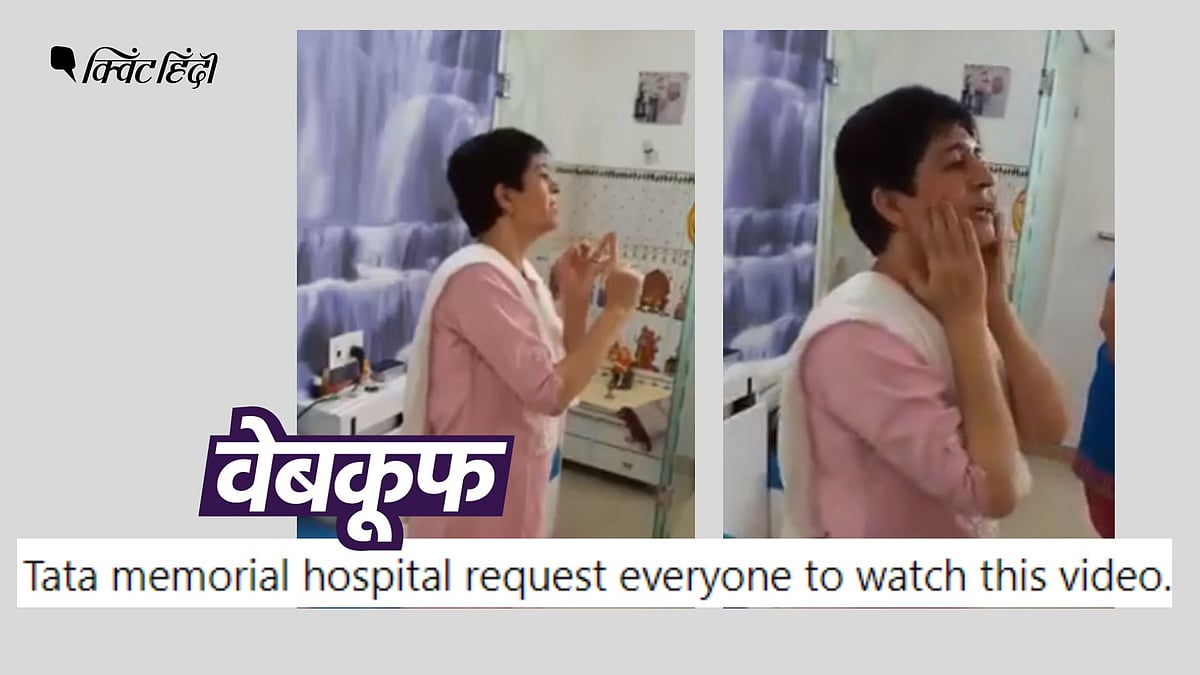
टैपिंग एक्सरसाइज के बारे में बात करती महिला का वीडियो टाटा मेमोरियल हॉस्पिटल से संबंधित है
Publisher’s rating: FALSE

Nas vésperas, uns 2 dias antes, irão jogar uma fake que Bolsonaro estuprou uma menina de 14 anos no passado.
Publisher’s rating: Falso
La muestra final consistió en 72 adultos que presentaban preocupaciones primarias de ansiedad (n = 47) o falta de sueño (n = 25). Las puntuaciones de ansiedad disminuyeron durante el primer mes en 57 pacientes (79,2 %) y permanecieron disminuidas durante la duración del estudio. Las puntuaciones del sueño mejoraron durante el primer mes en 48 pacientes (66,7 %), pero fluctuaron con el tiempo. En esta revisión de expedientes, el CBD fue bien tolerado en todos menos en 3 pacientes.
Publisher’s rating: 5

Videoda futbol oynadığı görülen kişinin "Kürt Neymar" lakaplı futbolcu olduğu iddiası
Publisher’s rating: Yanlış
Consumption of eggs with bacon or tea be deadly
Publisher’s rating: Mostly False
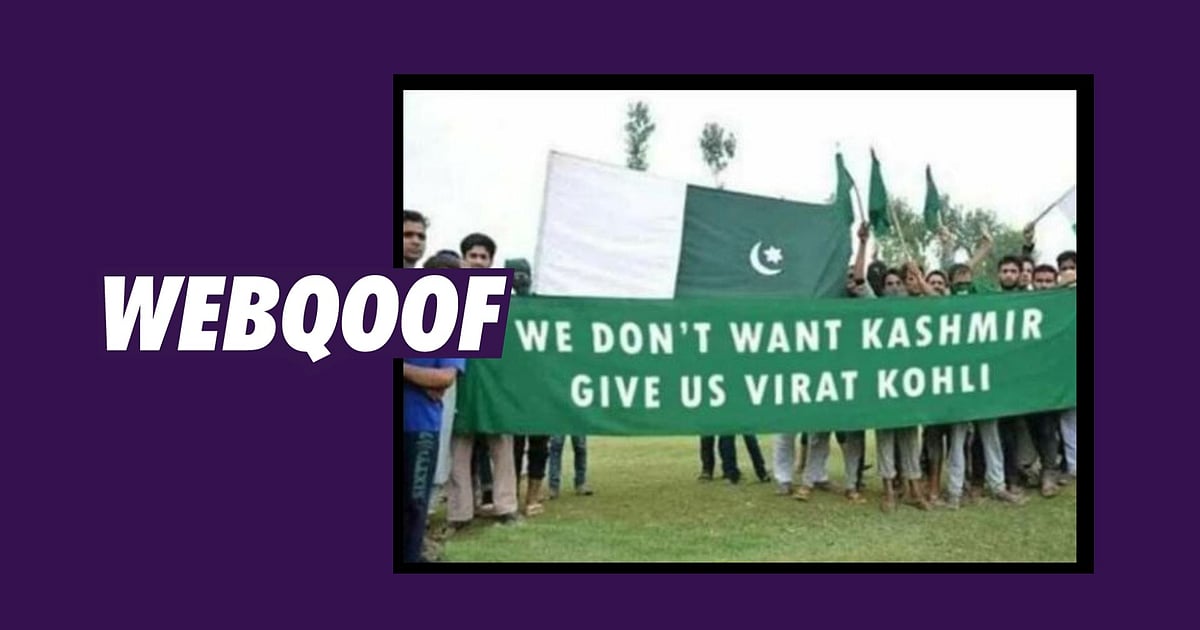
Pakistan fans hold banners saying "We don't want Kashmir Give us Virat Kohli."
Publisher’s rating: FALSE

‘Zee News’ article reporting the invention of Capsiplex weight loss product by an Indian student
Publisher’s rating: FALSE
The claim concerns a purported Zee News article saying that Mumbai-based student Sunitha Joshi invented Capsiplex, a weight-loss product, and was honoured for it at the European Congress of Endocrinology. The article also promoted dramatic weight-loss claims and presented a lucky draw as a way to obtain the product. FACTLY concluded that the purported article was fake. To check the alleged Zee News publication, FACTLY reports searching Zee News’s official website and YouTube channels but finding no such article. It also searched for reports confirming that Joshi had been honoured at the congress for inventing a weight-loss formula, and says it found none. These checks address the article’s claimed publication and the central biographical claim; the review does not identify a confirming record for either. The product details contradict the purported article’s account of its origin and sale. FACTLY describes Capsiplex as a slimming pill containing capsaicin and says the US-based company developed it following trials at the University of Oklahoma. It reports that the product was available through Indian e-commerce sites, not through the purported article’s lucky-draw system. The review further notes that research cited in its discussion found a 0.92 kg decrease after 12 weeks of treatment with 6 mg/day capsinoid, rather than the article’s claim of up to 13 kg per week. FACTLY’s conclusion is that the purported Zee News article is fake.
فکتها و ابهامها در ماجرای آتشسوزی زندان اوین
Publisher’s rating: بیش از ۳ ساعت قبل از آنکه شعلههای آتش از اوین بلند شود چندین اکانت ناشناخته در توییتر از به صدا درآمدن آژیر های زندان اوین، رفتن هلیکوپتری به آن سو و مواردی از این دست خبر دادند. این اخطار زود هنگام، از سوی مخالفان حکومت به عنوان نشانهای برای از پیش برنامهریزی شده بودن این اتفاق از طرف حاکمیت قلمداد شد. از قضا حاکمیت نیز آن را نشانهای برای همین موضوع اما از سوی مخالفانش دانسته است.
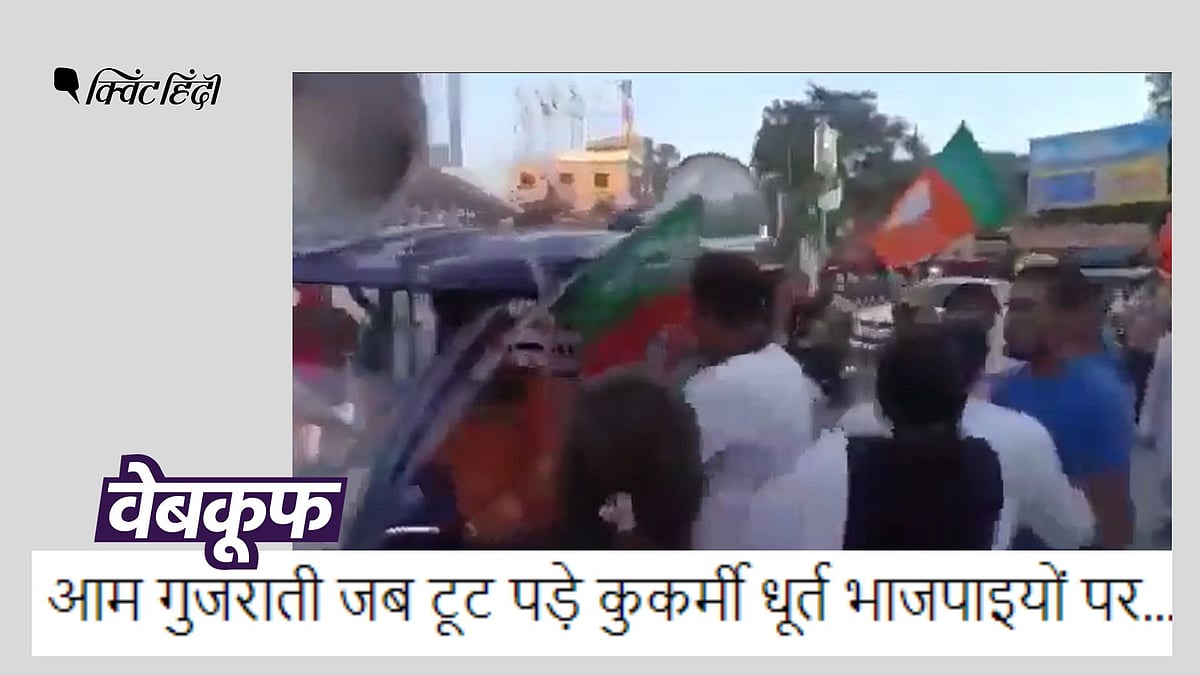
गुजरात में बीजेपी वर्कर्स और लोगों के बीच झगड़े का वीडियो
Publisher’s rating: FALSE

ಆಂಧ್ರಪ್ರದೇಶದಲ್ಲಿ ಮುಸ್ಲಿಂ ವ್ಯಕ್ತಿಯೊಬ್ಬ ಪುರಾತನ ಹಿಂದೂ ದೇವಾಲಯವನ್ನು ಕೆಡವುತ್ತಿರುವ ದೃಶ್ಯಗಳು.
Publisher’s rating: FALSE
இந்தியாவில் உள்ள 5000ம் ஆண்டுகள் பழமையான ஒரே பாறையில் செதுக்கப்பட்ட கோயில்.
Publisher’s rating: Fake
Los estudios posteriores dieron como resultado el pronunciamiento de que el THC era el principio "activo" del Cannabis y la investigación se centró principalmente en él hasta la virtual exclusión del CBD. . Sin duda, esto se debió a la creencia de que la actividad significaba psicoactividad que mostraba el THC y no el CBD
Publisher’s rating: 5
Where the data comes from
Fact checks come from Data Commons and link to the organizations that published them.
What you’ll find
Each result links to the original fact check. Open it to read the publisher’s findings, with summaries and supporting sources where available.
Report an error
To report an error, send the page URL and supporting evidence.