PeakMetrics / Fact Checks
Has this been
fact-checked?
Paste a claim or upload an image to find existing fact checks. See what fact-checkers found and read the evidence before you share.
Search fact checks ↓API & integrations ↗Browse by topic
Explore fact checks by subject.
Search fact checks
Search by text or imageLatest fact checks
98,284 published reviews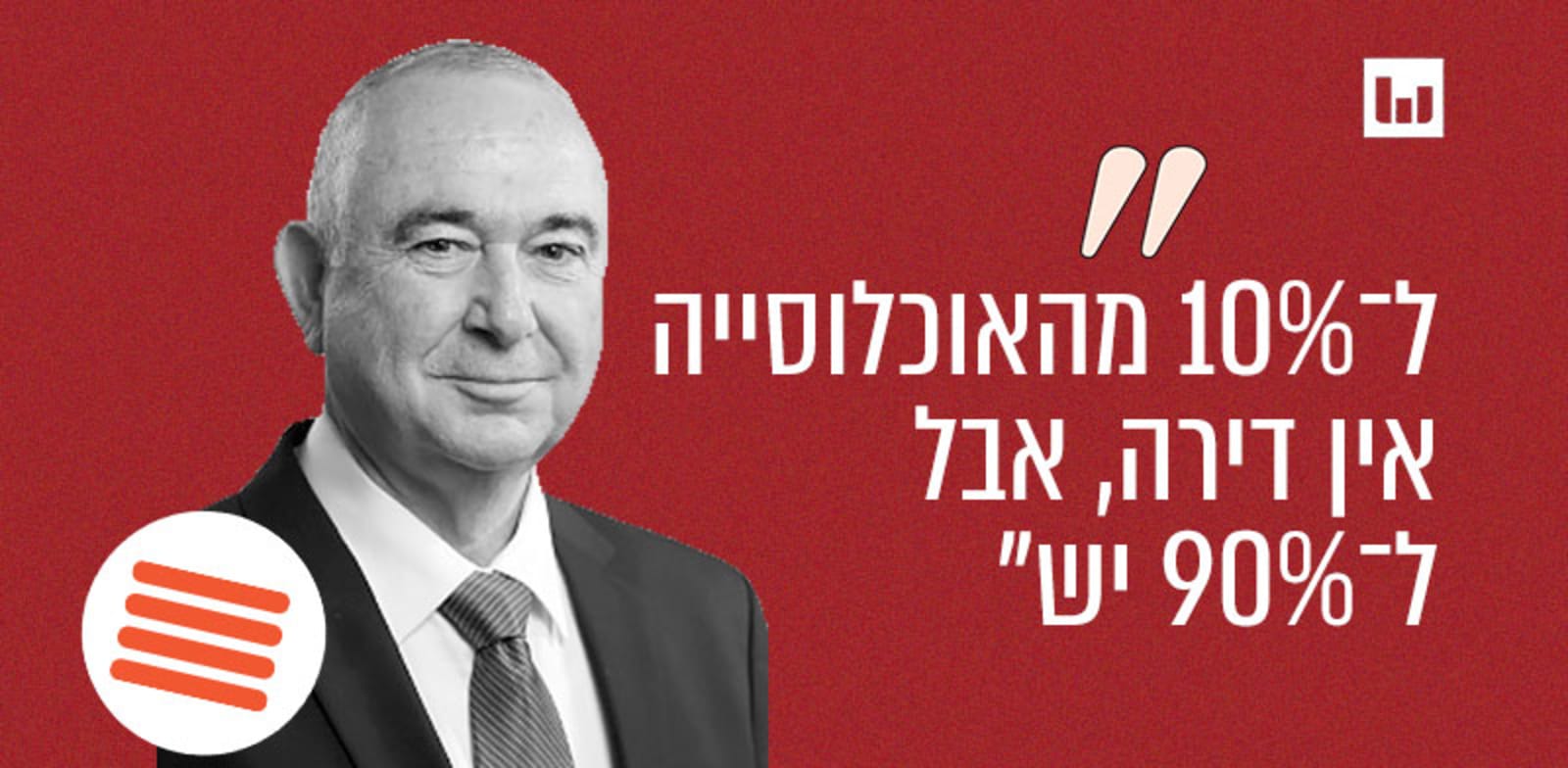
"ל־10% מהאוכלוסייה אין דירה, אבל ל־90% יש"
Publisher’s rating: לא נכון
The statement was made by Eli Dallal, a newly sworn-in Likud member of the Knesset, during a November 2022 interview on the Kan Moreshet program “Mandi Beitan.” Discussing housing policy, he argued that ordinary citizens already owned apartments and, when challenged by the interviewer, specified that 90% of the population had an apartment. The review examines that population-wide figure, rather than whether some particular income group has a high rate of ownership. The article says Dallal was interviewed the day after his swearing-in and records the exchange in which he gave the 10%/90% estimate. To check the claim, the review compared household and individual-level measures. It cites Central Bureau of Statistics findings from a 2018–2019 survey: 67% of Israeli households lived in an apartment owned by a household member or relative. The reviewers then contacted the Bureau and obtained administrative data for 2022, which the article says had not yet been published. Those data counted people who owned at least one apartment and divided them into age groups. The review reports 2.75 million owners, equal to 43.7% of residents aged 20 or older; the proportion was 52.4% among those aged 30 or older. The distinction between households and individuals matters: a household can be counted as living in an owned apartment when just one member owns it, whereas an individual count includes only owners. The review also found that a 90% ownership figure appeared in parliamentary research on household ownership by income decile, but only for the highest decile—not for the population as a whole. Thus the cited national household and individual figures are both below Dallal’s estimate, while the 90% figure applies only to a narrower, wealthier group.

කොටුව දුම්රිය ස්ථානයේදී විදේශිකයෙකුට වැඩි මුදලකට දුම්රිය ටිකට් පතක් විකුණූ අවස්ථාවක් ද?(Video)
Publisher’s rating: Misleading

RKI warnt vor Impfnebenwirkungen und gefährlichen Chemikalien in Impfstoffen.
Publisher’s rating: Das Kurz-Video gibt nicht die Ansicht des RKI wieder. Die Computerstimme liest lediglich eine Reihe von Behauptungen von Impfgegnern vor, die das RKI auf seiner Webseite entkräftet.
The claim concerns a 28-second video shared in a Facebook post in Luxembourg. The post says Google Assistant is speaking “according to the RKI” when it reads statements about unpredictable vaccine risks and dangerous chemicals. The dpa review describes the video itself: a man asks whether vaccinations are dangerous, and the app’s computer voice reads three numbered claims, including those allegations. The review finds that the clip misrepresents whose views those statements express. (S1: “In einem in Luxemburg geteilten Facebook-Post wird ein 28 Sekunden kurzes Video verbreitet.”; “In dem Video fragt eine Männerstimme: «Sind Impfungen gefährlich?». Daraufhin antwortet die Frauenstimme der App: «Laut RKI: 13. Die Nebenwirkungen und Risiken von Impfungen sind unkalkulierbar. 14. Impfstoffe enthalten gefährliche Chemikalien, mit denen die Kinder wissentlich vergiftet werden. 15. Bei der Impfstoffherstellung kann es zu Verunreinigungen kommen, die für Erkrankungen wie BSE, Aids oder Krebs verantwortlich sind.»”) The review identifies the source of the wording as an RKI webpage titled “Antworten des Robert Koch-Instituts und des Paul-Ehrlich-Instituts zu den 20 häufigsten Einwänden gegen das Impfen.” It says the page, dated 22 April 2016, lists common objections to vaccination and provides the institutes’ responses. The video reads out three of those objections; the review explains that the page presents them in order to address them, not as warnings issued by the RKI. (S1: “Es geht auf dieser Webseite um «Antworten des Robert Koch-Instituts und des Paul-Ehrlich-Instituts zu den 20 häufigsten Einwänden gegen das Impfen» mit Stand vom 22.4.2016, die im Jahr 2007 erstmals veröffentlicht wurden.”; “In dem Video werden drei dieser Behauptungen vorgelesen.”; “Jede dieser 20 Behauptungen kann angeklickt werden, um die Antwort des RKI zu sehen.”) As a specific example, the review says the RKI page addresses the claim that vaccine side effects and risks are incalculable, including allegations about the measles, mumps and rubella vaccine. It reports that the page acknowledges vaccines can have side effects, while distinguishing a merely temporal association from a causal one and noting continuous safety monitoring. This context supports the review’s conclusion that the clip removes the statements from a page that discusses and responds to objections, making the RKI appear to endorse claims it is addressing. (S1: “Zu Punkt 13 («Die Nebenwirkungen und Risiken von Impfungen sind unkalkulierbar») gibt es beispielsweise Informationen zu falschen Behauptungen über angebliche Nebenwirkungen der Impfung gegen Masern, Mumps und Röteln.”; “Unbestritten sei, dass Impfstoffe Nebenwirkungen haben könnten, doch könne es auch einen nur zeitlichen und nicht ursächlichen Zusammenhang geben. Impfstoffe unterlägen kontinuierlichen Sicherheitskontrollen.”)


Falso
Publisher’s rating: Vídeo de cerca de 7 minutos em que um homem que afirma ser de Portugal lê supostas notícias do exterior sobre o Brasil. Em um determinado momento do vídeo, ele cita que Holanda, Índia e Rússia ofereceram apoio militar ao presidente do Brasil, Jair Bolsonaro (PL).


Victoria's net debt is set to blow out to $165.9 billion in 2026, which is larger than NSW, Queensland and Tasmania combined.
Publisher’s rating: Gilding the lily

रिपब्लिक ओपिनियन पोल के मुताबिक इस बार गुजरात में आम आदमी पार्टी की सरकार बनने वाली है।
Publisher’s rating: False
വേള്ഡ് കപ്പ് 2022 ഫൂട്ബോള് മല്സരങ്ങള്ക്ക് വേദിയായ ഖത്തറില് ഫുട്ബോൾ ലോകകപ്പിന്റെ ഉദ്ഘാടന ചടങ്ങിൽ ഖുർആൻ പാരായണം ചെയ്ത വീഡിയോ
Publisher’s rating: MISLEADING

George Clooney trug ein T-Shirt mit Konföderierten-Flagge, Hakenkreuz, roter Trump-Kappe und dem russischen Kriegssymbol "Z", um damit Trump-Anhänger und Russen zu verspotten.
Publisher’s rating: Falsch. Das Originalfoto entstand 2015 und zeigt George Clooney mit einem T-Shirt einer Tequilamarke. Es wurde nachträglich bearbeitet.

Image of an injured Hindu girl who was beaten by her Muslim husband
Publisher’s rating: FALSE
The post paired a newspaper clipping about two Hindu girls who observed a fast during Ramzan with a photograph of a woman with an injured face. It claimed the woman in the photograph was one of the girls and had been hurt by her Muslim husband. FACTLY’s investigation found that the images referred to two separate incidents, rather than to one girl’s story. The review identifies the girls in the clipping as Shivani and Riya, from Madhya Pradesh. It reports that they observed a one-day fast during Ramzan in 2019 as a gesture promoting Hindu-Muslim unity. The injured woman, by contrast, was identified in Pakistani media reports as Hajra, who lived in Lahore. The review says she alleged that her husband, Umar Noorani, had tortured her over dowry and that she had suffered injuries. FACTLY says it searched the internet using relevant keywords and consulted Dainik Bhaskar and local media reports about the clipping, as well as Pakistani media reports about the injured woman. Those identifications show why the images do not support the post’s account: the girls were from Madhya Pradesh, while the woman was identified as a Lahore resident in a separate case. The review also reports that Lahore Police registered an FIR concerning Hajra’s case on 23 March 2019.
Bongbong Marcos issued an order to junk the subpoena issued to suspended BuCor chief Gerald Bantag
Publisher’s rating: False
“To be clear, Joe Biden is the ‘big guy.’"
Publisher’s rating: Not proven
“Hunter brought in millions of dollars from this deal from entities tied to the Chinese government. In emails obtained by committee Republicans, Hunter wanted keys made for Joe Biden and Jill Biden, his office mate. He provided Joe Biden’s personal cell number and called him his partner.”
Publisher’s rating: Dots not connected
“One of these deals involves the sale of American natural gas to China. Evidence suggests Joe Biden had a 10% equity stake through his son.”
Publisher’s rating: Evidence in dispute

Deutsche Berichterstattung über Iran stützt sich auf nur eine Quelle
Publisher’s rating: Der in dem Blogbeitrag zitierte Bericht bezieht sich zwar nur auf Angaben einer einzigen Menschenrechtsorganisation. Die Behauptung, alle Medien würden dies tun, ist jedoch falsch. Ähnliche Zahlen werden auch von anderen Organisationen vermeldet. Aufgrund der Unruhen und des restriktiven Vorgehens gegen Journalisten im Iran sind stichfeste Belege derzeit nicht zu bekommen.
The claim concerned German reporting on protests in Iran and alleged that Western media relied on a single human-rights organization, undermining the credibility of their reporting. The review traced this allegation to a blog post criticizing a Spiegel article. It found that the Spiegel article was based on a dpa report citing the Human Rights Activists News Agency (HRANA); German outlets that picked up that dpa report therefore used the same source for those figures. That example did not establish that all reporting used HRANA. The review noted that Iran Human Rights (IHR) reported similar figures on the same day, and that the Tagesschau’s reporting included IHR’s assessments. It also reported that the United Nations described several hundred deaths since the protests began and gave arrest figures similar to HRANA’s. The evidence therefore distinguished the source shared by articles derived from one dpa report from the wider range of reporting and organizations cited in German media. The review also described why independently verifiable reporting from Iran was difficult. It cited restrictions on international journalists, including controls on visas and reporting activity, and said that reporting at the time relied on eyewitness accounts, material posted by Iranians, and human-rights organizations. Its conclusion was that one organization served as the sole source in some reporting, but not across all Western media coverage.
Where the data comes from
Fact checks come from Data Commons and link to the organizations that published them.
What you’ll find
Each result links to the original fact check. Open it to read the publisher’s findings, with summaries and supporting sources where available.
Report an error
To report an error, send the page URL and supporting evidence.