PeakMetrics / Fact Checks
Has this been
fact-checked?
Paste a claim or upload an image to find existing fact checks. See what fact-checkers found and read the evidence before you share.
Search fact checks ↓API & integrations ↗Browse by topic
Explore fact checks by subject.
Search fact checks
Search by text or imageLatest fact checks
98,269 published reviews
මාවරලේ භද්දිය හිමියන් සිදුකල ප්රකාශයක් ලෙස හුවමාරු වන නොමගයවන සුලු සටහන් පෙළක්!
Publisher’s rating: False
The claim concerns social media posts presenting a video of Mawarale Baddhiya Thera as criticism of the Janatha Vimukthi Peramuna (JVP), including a headline saying that Sinhala Buddhists should consider defeating the JVP a responsibility. The review says the posts circulated with a clip of the monk speaking, and that some posts suggested the footage was from 2019. Its investigation instead traced the clip to a talk at a memorial event for Gangodawila Soma Thera, held at Balangoda Migadaya Vidarshana Senasuna. To identify the source, the reviewers say they used InVID-WeVerify. They report that the full talk had been livestreamed on Facebook and examined it from around the 34-minute mark. According to the review, Baddhiya Thera did not directly mention the JVP in the talk. He spoke of organized forces that do not believe in the Dhamma and the need for Buddhists to be prepared to face them. The review also says he argued that monks should not intervene to bring any political party to power, but should follow the Buddha’s path and protect the Buddhist dispensation. The review also describes contacting the monk’s training centre in Athurugiriya. A disciple, Parakandeniye Seelawansa Thera, reportedly said the video had been published with a fabricated, misleading headline and without Baddhiya Thera’s knowledge. The review’s conclusion is that the excerpt was edited and framed in a misleading way: the sermon’s remarks were not presented as a statement against the JVP or in support of a political party.

Casio respondió a Shakira, a propósito de la letra de su canción con Bizarrap, que “al menos no nos han dejado por Clara Chía”.
Publisher’s rating: Falso
The claim is that Casio itself replied to Shakira’s song with the line “at least they haven’t left us for Clara Chía.” The review distinguishes the viral post from Casio’s actual social-media accounts: it says the Twitter profile that displayed the line was not official, although Casio accounts did make other comments referring to the song. To check the viral post’s origin, the investigators searched Twitter for the account shown in the circulating posts. They found that @CasioOficial had only one message—the Shakira-song post—and that the profile had been created in January 2023. The profile also linked to an Instagram account with the same name that had no posts. Casio Spain separately told Maldita.es that, despite using the brand’s image and name, the account was not official. The review also describes genuine Casio responses, which help explain why the false attribution could seem plausible. Casio Relojes Spain posted an indirect, joking reference to the song on Instagram, and an educational Casio account also commented on the attention the song brought. Those real posts do not authenticate the separate Twitter account or establish that Casio made the quoted Clara Chía reply.

భారత దేశంలో ప్రతిరోజూ 14 కోట్ల లీటర్ల పాలు ఉత్పత్తి అవుతుంటే, 50 కోట్ల లీటర్ల పాలను రోజూ ప్రజలకి అమ్ముతున్నారు
Publisher’s rating: MISLEADING
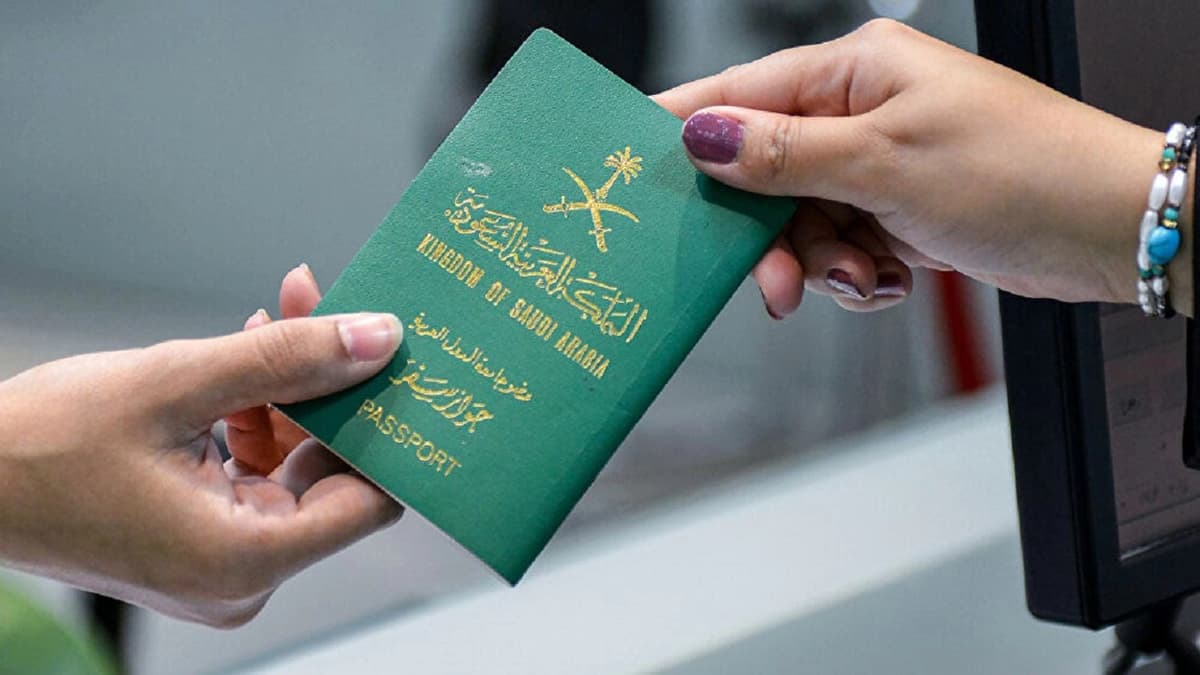
منح الجنسية السعودية بأمر من رئيس مجلس الوزراء لمن ولد داخل المملكة من أب أجنبي وأم سعودية
Publisher’s rating: تضليل


Meral Akşener’in fotoğrafları ve ‘yakışır’ sloganlarıyla paylaşılan reklam panolarının gerçek olduğu iddiası
Publisher’s rating: Yanlış

Kanada’da polis memurunun ‘sözde Müslüman kadının’ başörtüsünü çıkarıp şiddet uyguladığı iddiası
Publisher’s rating: Yanlış

IMF නිලධාරීන් පිළිගැනීමට ගුවන්තොටුපොළ සේවක මණ්ඩලය නර්ථනයක යෙදුණු බව පෙන්වන වීඩියෝවේ ඇත්ත කතාව!
Publisher’s rating: Misleading


తిరుపతి ఘాట్ రోడ్డులో ఒక నిర్జీవమైన చిరుతపులిని అడవి పందులు కొరుకుతున్న దృశ్యాలు
Publisher’s rating: FALSE


Dans son discours de nouvel an, Viktor Orban a annoncé le départ de l'hongrie de l'Union Européenne.
Publisher’s rating: C'est faux. Viktor Orban n'a prononcé aucun discours du nouvel an et le départ de la Hongrie de l'UE est un mensonge.
Das Weltwirtschaftsforum von Klaus Schwab hat erklärt, dass die Menschen kein Recht auf ein eigenes Auto haben.
Publisher’s rating: Es gibt keine Belege dafür, dass das Weltwirtschaftsforum den Menschen das Recht auf ein eigenes Auto absprechen will. Es empfiehlt lediglich die Nutzung von Carsharing-Angeboten, um den umweltschädlichen Abbau von Metallen zu verringern.
The claim concerns a Facebook post alleging that Klaus Schwab’s World Economic Forum (WEF) had declared that people have no right to own a car. The original review identifies the post’s alleged source as a WEF article dated 18 July 2022, about reducing demand for certain metals. The review’s conclusion is that the article does not establish a WEF position against people’s right to own private cars; instead, it describes carsharing as one possible way to use materials more efficiently. The article’s stated concern was the metals used in batteries. The review reports that the WEF article discussed the need for cobalt, lithium and nickel in the transition from fossil fuels to renewable energy, as well as environmental, social and geopolitical challenges associated with mining them. Among three proposed measures, the WEF encouraged shifting emphasis from owning things to using them. The review says the article noted that a car in England is used on average only 4 percent of the time, and presented carsharing as an alternative that could reduce demand for metals. The review also checked the more forceful wording attributed to the WEF in the Facebook post: that private cars should be “driven out of the market” and people should instead “walk or share.” It says those formulations do not appear in the article, and that such a demand was not found in other publications either. Thus, the cited material supports a recommendation to consider sharing vehicles for more efficient material use, not the claim that the WEF said people lack a right to own a car.


కాంతారా సినిమా ఆస్కార్ కంటెస్టెషన్ లిస్టులో ఉత్తమ చిత్రం, ఉత్తమ నటుడు విభాగాల్లో టాప్ 15 జాబితాలో నిలిచింది
Publisher’s rating: MISLEADING
நேற்று பப்பு ஆர்மி ~ எங்க தலிவர் எவ்வளவு எளிமையா டீ குடிக்கிறார்னு பாத்திங்களா கதறுங்கடா சங்கிகளா இன்று சங்கிஸ் ~ அடேய் கோமுட்டி தலையா எந்த ஸ்டார் ஹோட்டல்லடா இந்த டம்ளர்ல டீ குடுக்குறாங்க!? அதுசரி அந்த தட்டுல இருக்கும் சைடிஷ்க்கும் டீக்கும் எதாவது தொடர்பிருக்காடா?
Publisher’s rating: Fake
Where the data comes from
Fact checks come from Data Commons and link to the organizations that published them.
What you’ll find
Each result links to the original fact check. Open it to read the publisher’s findings, with summaries and supporting sources where available.
Report an error
To report an error, send the page URL and supporting evidence.