PeakMetrics / Fact Checks
Has this been
fact-checked?
Paste a claim or upload an image to find existing fact checks. See what fact-checkers found and read the evidence before you share.
Search fact checks ↓API & integrations ↗Browse by topic
Explore fact checks by subject.
Search fact checks
Search by text or imageLatest fact checks
98,269 published reviews
Biopsien führen dazu, dass der Krebs streut, weil durch den Nadelstich Zellen aus dem Tumor austreten und sich verteilen.
Publisher’s rating: Zwar gibt es wie bei jedem medizinischen Eingriff Risiken, Studien belegen aber, dass der Nutzen von Biopsien die Risiken bei weitem überwiegt. Eine Gewebeprobe führt zu einer genaueren Diagnose und somit auch zu einer präziseren Krebstherapie.
The claim concerns whether a needle biopsy can make cancer spread by dislodging cells from a tumour. The dpa review addresses that specific risk, distinguishing a rare possible complication from the broader claim that biopsies routinely spread cancer. It describes the circulating video as an excerpt from a lecture questioning cancer research, but the supplied text does not identify the speaker or give further details about the video’s provenance. The review says that tumour seeding—cancer cells being dislodged by a needle inserted into a tumour and then spreading—can occur, but is rare. It reports that one study estimated needle seeding at under 1 percent, and that other studies supported the same general impression. The review therefore does not say the risk is impossible; rather, it presents the risk as uncommon and dependent in part on the cancer and biopsy circumstances. The review also explains why biopsy remains important: imaging such as ultrasound or MRI can identify suspicious areas, but in most cases a biopsy is the only way to establish a definitive cancer diagnosis. A sample may show that an area is benign, or help determine how aggressive and extensive a cancer is, information used to select treatment. The evidence in the supplied review thus supports a qualified account: needle-related spread is possible, but the review describes it as very rare and weighs that risk against the diagnostic and treatment-planning value of biopsy.
the founder of WEF suffering from a severe reaction to the Covid vaccine
Publisher’s rating: False

පිරිමින්ව සම්බාහනයට කාන්තාවන් යොදා ගැනීම තහනම් කළේ නැහැ- ආයුර්වේද කොමසාරිස්
Publisher’s rating: False
Vitiligo can be cured by applying roasted walnuts with camellia oil
Publisher’s rating: Mostly False

Yurt dışına giden 7000 doktordan 6250’sinin Türkiye’ye döndüğü iddiası
Publisher’s rating: Yanlış
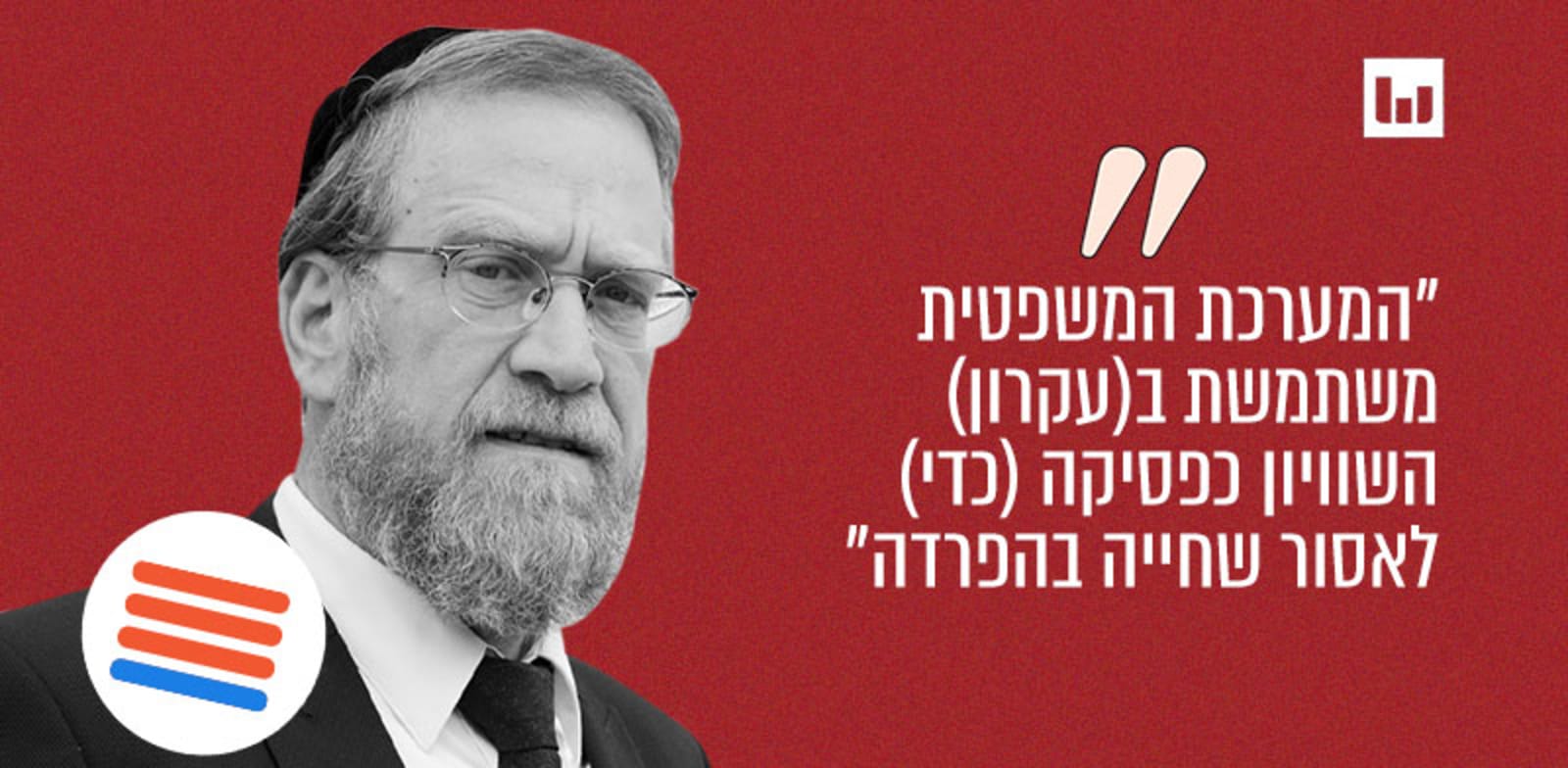
המערכת המשפטית משתמשת ב(עקרון) השוויון כפסיקה (כדי) לאסור שחייה בהפרדה
Publisher’s rating: לא נכון ברובו
The claim concerns remarks by Knesset member Yitzhak Pindrus in a Channel 13 interview. He argued that the legal system had used equality to forbid separate swimming, citing both public pools and springs. The review examined those settings separately, rather than treating every legal limit on a particular arrangement as a ban on separation in general. It concluded that his characterization was mostly inaccurate. For public pools, the review traced a petition concerning the only public pool in Kiryat Arba, which had operated only with separate swimming. After that case returned to the High Court in 2020, the court required two hours of mixed swimming on each day the pool was open. The review emphasizes that this did not prohibit separate swimming: the pool could still offer it for most of its operating hours, provided mixed-swimming hours were also available. It also notes that a later petition concerning the Rahat municipal pool was dismissed on procedural grounds, although the court described the petition as apparently meritorious. The springs issue was more qualified. The Nature and Parks Authority had conducted separate-swimming pilots, but the review says they were suspended after coordination problems involving the Civil Administration. A December 2020 opinion by Deputy Attorney General Dina Zilber said the authority lacked legal power to establish such an arrangement without express legislative authorization; it did not say separation was inherently unlawful. The review therefore distinguishes a requirement for legislative authority from a judicial prohibition, and concludes that the legal system had not categorically banned separate swimming.

భారత్లో పెద్ద నోట్లను రద్దు చేయడం వలన ఎప్పుడూ లాభాల్లో ఉండే స్విస్ బ్యాంక్కి 2022లో $143 బిలియన్ నష్టం వచ్చింది
Publisher’s rating: MISLEADING

The Yeti Air Hostess Recorded This TikTok Video Few Moments Before The Pokhara Crash!
Publisher’s rating: Misleading
The claim concerned a selfie video of Yeti Airlines flight attendant Oshin Ale Magar that circulated with the assertion that it had been recorded moments before the fatal Pokhara crash on 15 January 2023. The review says the posts identified Oshin as one of the cabin crew members who died and framed the video as having been filmed shortly before the crash. The investigation focused on when the video appeared on Oshin’s TikTok account. The review reports checking that account and finding the video had been posted on 11 September 2022—about four months before the crash. It also notes that Oshin posted other selfie videos afterward, including one dated 9 January 2023, which it identified as the latest video it found on her channel. These dates contradict the claim that the viral video itself was recorded moments before the crash. The review concludes that the video was uploaded in September 2022, while also confirming that Oshin was among those who died in the crash. Thus, the posts’ identification of her and the tragic outcome did not make their claim about this video’s timing accurate.
বাবর আজম দলে সুযোগের শর্তে সতীর্থের প্রেমিকার সাথে গোপন সম্পর্ক করছেন
Publisher’s rating: মিথ্যা

সৌদি আরবের অর্থায়নে মডেল মসজিদ নির্মাণ প্রকল্প বাস্তবায়ন হচ্ছে
Publisher’s rating: মিথ্যা
ایرانِ ۸۵ میلیون نفری، معادل چینِ یک میلیارد و ۴۰۰ میلیون نفری گاز مصرف میکند.
Publisher’s rating: نادرست

هل تعدل شركة توتال عن التنقيب عن الغاز جنوباً بعد حادثة العاقبية؟
Publisher’s rating: غير صحيح
The claim concerned whether TotalEnergies would withdraw from gas exploration off southern Lebanon after the Aqibieh incident. The review says the concern arose after a report raised questions about whether the incident might reduce the company’s willingness to work off Block 4, amid fears of friction with local residents. It says that report circulated on news sites and WhatsApp groups. Rita Shaheen, media adviser to caretaker Energy Minister Walid Fayyad, rejected the claim, saying TotalEnergies was keen to begin exploration and had a team following the work from Lebanon. The review also reports that TotalEnergies had not announced a halt or suspension of its project with Lebanon. As evidence of continuing preparations, the review quotes a company statement published on December 22, 2022: a team of more than 20 employees was expected to be based in Beirut by the end of March; a tender process for a drilling rig was under way, with selection expected in the first quarter of 2023; and suppliers had received advance requests for well equipment. It also says marine resources were being mobilized for environmental studies, planned for completion by the end of June 2023, and that TotalEnergies and ENI were working with the Lebanese Petroleum Administration to prepare the well for drilling in 2023. These reported plans support the review’s conclusion that the company had not announced a retreat; they describe planned steps, not proof that every milestone was subsequently completed.

కేరళలో హిందూ మహిళ పట్ల అసభ్యంగా ప్రవర్తించిన ఒక ముస్లిం వ్యక్తిని అక్కడి హిందూ మహిళలు చితకబాదుతున్న దృశ్యాలు
Publisher’s rating: FALSE
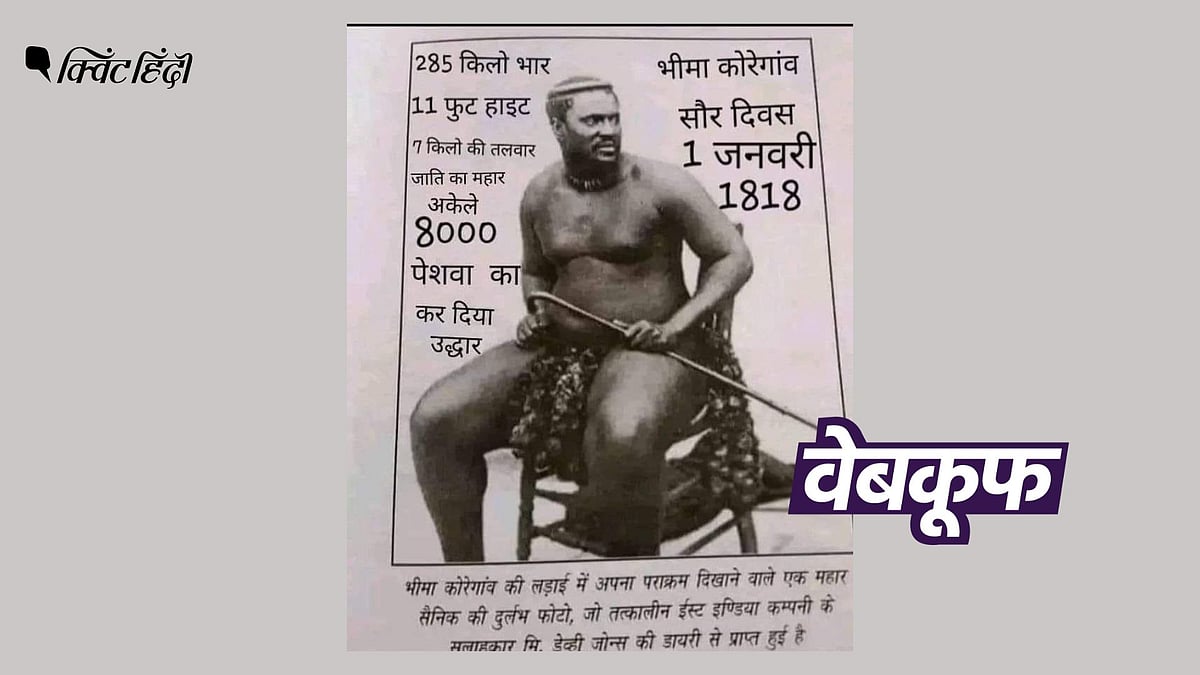
भीमा कोरेगांव की लड़ाई में पेशवाओं के खिलाफ लड़ने वाले महार सैनिक की फोटो
Publisher’s rating: FALSE

Video of ice cubes coming out from a water pipe in Rajasthan
Publisher’s rating: FALSE
The claim concerns a video presented as showing ice cubes coming from a water pipe in Rajasthan because of extreme cold. FACTLY reports that it searched the internet using relevant keywords and found videos with similar visuals circulating on social media at least since January 2019. The review says Pakistani news websites published the video that month as footage from a pipeline in Khuzdar, Balochistan, rather than Rajasthan. The review also points to the same video on the Pakistan-based news channel SAMAA’s official Facebook page. According to FACTLY, SAMAA described it as a viral video of ice cubes coming from a pipeline in Khuzdar because of extreme cold. FACTLY adds that some Indian news websites used the same video in January 2019 but attributed it to farmland in Haryana and Chhattisgarh. Those differing attributions do not support the Rajasthan location. FACTLY says it could not ascertain the video’s exact details, so the excerpt does not establish where the footage was originally filmed. Its conclusion is narrower: the video is old and is not from Rajasthan. The cited earlier circulation and the SAMAA post provide the basis for rejecting the Rajasthan attribution, rather than proving a precise alternative origin.
Krankenkassenbeiträge werden wegen der Zuwanderung angehoben.
Publisher’s rating: Höhere Krankenkassenbeiträge stehen nicht mit der Zuwanderung in Verbindung. Asylsuchende werden im Krankheitsfall vom Staat finanziert, ausländische Fachkräfte müssen sich versichern. Ein Anstieg der Beiträge resultiert etwa aus politischen Entscheidungen und dem demografischen Wandel.
The dpa review examines the allegation that people arriving in Germany, said to contribute nothing, are responsible for higher statutory health-insurance contributions. It distinguishes asylum seekers from foreign workers and considers how each group’s healthcare or insurance is funded. The article explains that the statutory contribution rate is 14.6 percent of eligible income, with an additional contribution set by individual insurers to cover their financing needs. For 2023, the average additional contribution rose by 0.2 percentage points, although some insurers kept their previous rate. On the causes of the funding shortfall, the review cites the GKV-Spitzenverband, which attributed the 2023 gap to past political decisions that raised spending without sustainable offsetting revenue. It also reports that Health Minister Lauterbach identified demographic change, and notes additional pandemic-related spending. The article therefore presents contribution increases as connected to policy and rising healthcare costs, not as an effect of migration. The review details why the claim’s premise about asylum seekers does not describe a direct burden on statutory insurers. They are generally not covered by statutory health insurance: during the initial waiting period, local authorities provide care under the Asylum Seekers Benefits Act. After that period, statutory insurers may administer care, but the article says the costs are reimbursed by social-assistance authorities. By contrast, foreign workers are required to obtain insurance and pay social-security contributions based on their earnings. The review also cites research suggesting migration can ease pressure on the system, rather than increase it.
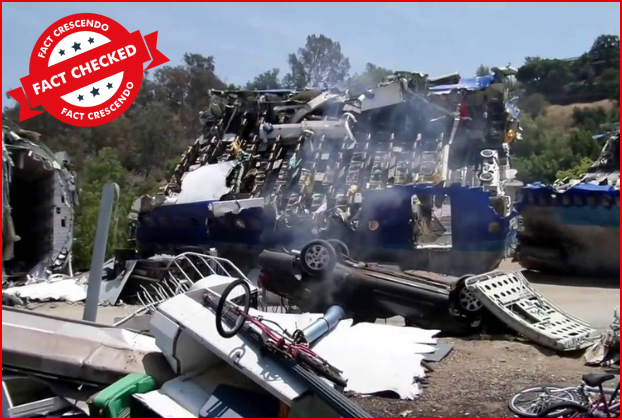
A viral video depicting scenes of a plane crash was posted on social media recently. The above video was claimed and linked to a plane crash that happened in Nepal a few days ago. It was reacted to with mixed comments and shared by Facebook users. However, running a Google Reverse Image search proves that the claim attached to the video above is false.
Publisher’s rating: False
Where the data comes from
Fact checks come from Data Commons and link to the organizations that published them.
What you’ll find
Each result links to the original fact check. Open it to read the publisher’s findings, with summaries and supporting sources where available.
Report an error
To report an error, send the page URL and supporting evidence.