PeakMetrics / Fact Checks
Has this been
fact-checked?
Paste a claim or upload an image to find existing fact checks. See what fact-checkers found and read the evidence before you share.
Search fact checks ↓API & integrations ↗Browse by topic
Explore fact checks by subject.
Search fact checks
Search by text or imageLatest fact checks
98,252 published reviews
A Blind Figure Skater From The US! (VIDEO)
Publisher’s rating: False
The claim concerns a viral ice-dance clip presented as a performance by a blind American skater called Babo. The review identifies the man in the footage as Russian skater Ivan Bukin, skating with his partner Alexandra Stepanova, and says the performance was connected to the 2017 World Figure Skating Championships in Helsinki, Finland. Thus, the video’s performance is real, but the narration’s account of who is skating and his blindness is not supported by the review’s findings. To trace the clip, the review says its team used Invid-WeVerify to locate the original video, an upload titled “Ice Dance Free Dance | 2017 ISU World Figure Skating Championships Helsinki FIN.” It points to the performance at 2 hours, 3 minutes and 28 seconds in that video. The review reports that both skaters were from Russia and had been partners for four years. The review also contrasts the viral story about Babo’s childhood, blindness, and mother with biographical details it gives for Bukin: he was born in 1993, and his parents were ice dancers. It says Bukin’s parents were alive and had attended one of his performances in 2018, and notes that the clip shows him looking anxiously at judges’ scores after skating. These details support the review’s conclusion that the viral narration misidentifies the skater and invents his backstory.
Билл Гейтс назвал правительство Украины худшим в мире
Publisher’s rating: Слова вырваны из контекста — в оригинале интервью Билл Гейтс говорит о том, каким было правительство Украины до войны (pre-war).

Wetenschappers hebben weer wat nieuws gevonden en claimen dat eieren de reden zijn voor bloedstollingen en de "plotselinge dood" van mensen.
Publisher’s rating: Wetenschappers bewezen geen link tussen het eten van eieren en een vergrote kans op bloedstolsels. Wel bewezen ze een link tussen het nemen van choline-supplementen (een stof die onder andere ook in eieren te vinden is) en een grotere kans op bloedstolsels. De uitkomst van het onderzoek uit 2017 is dus door Newspunch verdraaid.
The claim arose from a Newspunch article about eggs, blood clots and “sudden death.” The dpa review says Newspunch presented eggs as the cause of clots and used the story to suggest that an alleged vaccine-related cause was being concealed. But the study behind the story did not test whether eating eggs causes blood clots: Cleveland Clinic researchers gave participants choline supplements for two months and measured the effect on the body. Choline is present in eggs, but also in meat, fish and whole-grain products, and it can be taken as a supplement. The distinction matters: evidence about taking choline supplements is not evidence that eating eggs increases clot risk. The review reports a link between choline supplements and a greater chance of blood clots, while stating that the researchers made no direct link between eating eggs and clots. The review also explains how the claim was amplified. Newspunch copied an Express article about the 2017 Cleveland Clinic study. Express’s original headline suggested a link between blood clots and a popular breakfast food; Newspunch put greater emphasis on eggs. The review says Express changed its headline on 26 January 2023 to specify that a compound found in eggs—not eggs themselves—was linked to increased clotting risk. It concludes that Newspunch distorted the study’s findings.
Bill Gates “vows to pump mRNA into food supply to ‘force-jab’ the unvaccinated”.
Publisher’s rating: False. There is no evidence to support these claims. Screenshots can easily be faked, and there is no evidence Mr Gates ever posted this tweet.
Video of man in orange prison uniform shows killer of migrant Filipino worker Jullebee Ranara
Publisher’s rating: False

In 2022 stierven er evenveel sporters aan hartproblemen als in de periode tussen 1966 en 2004.
Publisher’s rating: De cijfers voor 2022 komen van een onbetrouwbare bron en zijn helemaal geen bewijs. De andere vermeldde studie is wel legitiem, maar je kan de twee dus niet met elkaar vergelijken.
Bomba: O diretor da Força-Tarefa do CDC, admitiu que as vacinas C-19 causam doenças debilitantes
Publisher’s rating: Falso

Ruler of Dubai and PM of UAE, Sheikh Mohammed bin Rashid Al Maktoum has ordered that a district in the emirate be renamed. Al Minhad and its surrounding 84 Square KM areas will now be known as “Hind City” to honour the contribution of India and Hindus towards humanity.
Publisher’s rating: Misleading

Ratan Tata said half of India’s population would have become unemployed if he had become an IAS officer
Publisher’s rating: FALSE
The post attributed to industrialist Ratan Tata the statement that more than half of India’s population would have become unemployed if he had become an IAS officer. FACTLY’s review addresses that specific attribution, rather than a different remark about employment or public service. FACTLY reports that it searched for reliable sources attributing the statement to Tata and found none. It also says the quote did not appear on his official Twitter or Instagram accounts and that he had not made it during a public or media interaction. The review adds that Tata never wished to become an IAS officer, further undermining the premise of the circulated quote. The review concludes that Tata did not make the statement. It notes that he had spoken about the importance of job creation, but says that this is not evidence for the unemployment prediction attributed to him. The excerpt describes searches and checks of public statements; it does not provide a dated original post or a complete record of Tata’s appearances, so the explanation here is limited to the investigation and conclusions reported in the review.

Polícia descobre que GPS de caminhão-pipa foi fraudado pela esquerda no governo Lula (2023)
Publisher’s rating: Falso

Eating sugar doesn’t cause diabetes
Publisher’s rating: Scientific evidence shows that the link between sugar and diabetes is through obesity and resultant insulin resistance.
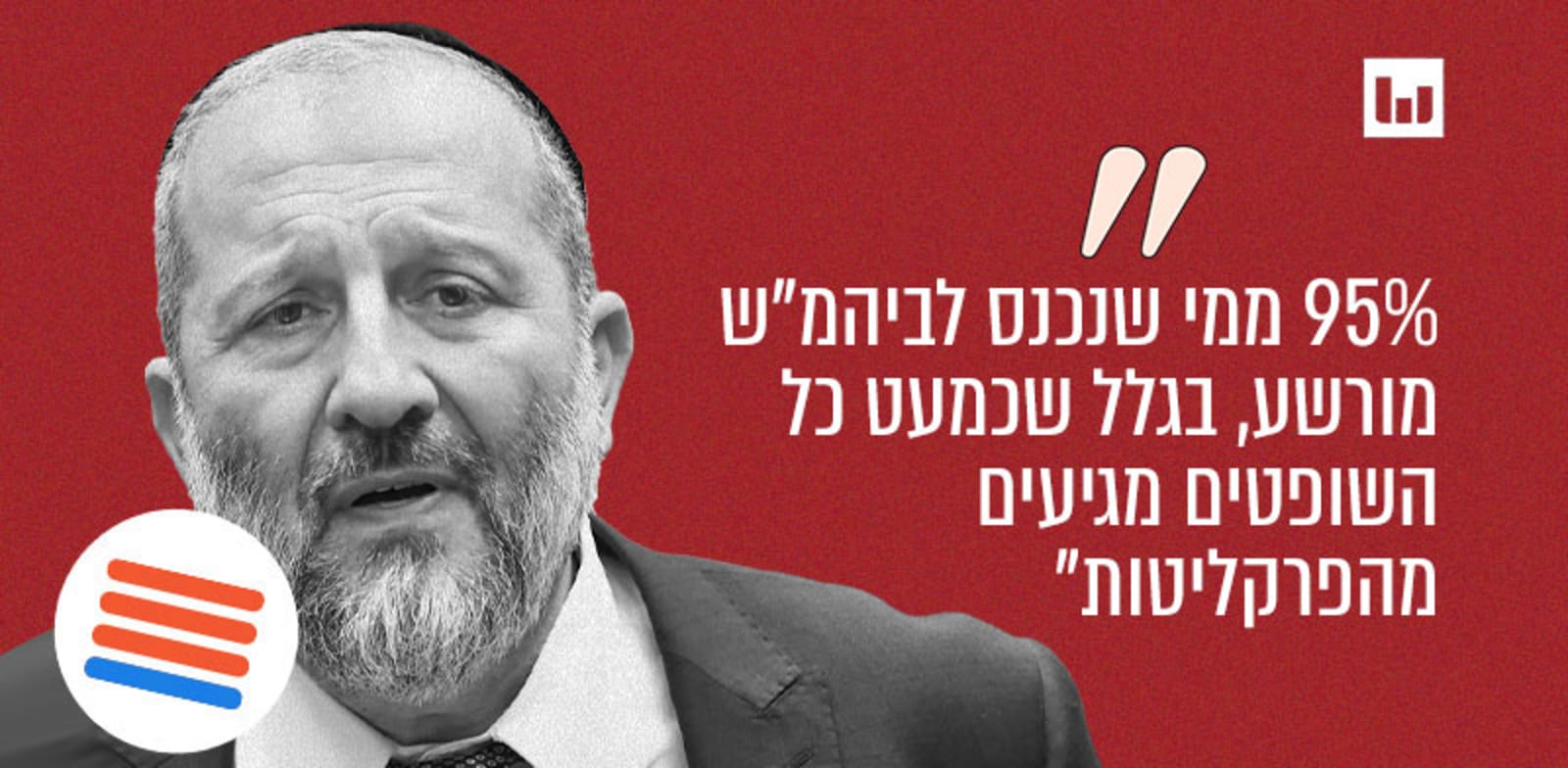
95% ממי שנכנס לבית המשפט יוצא מורשע בגלל שהשופטים, כולם כמעט, מגיעים מהפרקליטות
Publisher’s rating: לא נכון ברובו

Die im Video gezeigte Karte ist in jedem Autopilot eines Flugzeuges gespeichert.
Publisher’s rating: Die Behauptungen und Argumentationen in diesem Video sind vorwiegend falsch. Die abgefilmte Karte ist nicht die Grundlage für Autopiloten in der Flugnavigation und kein Beleg dafür, dass die Erde keine runde Form hat.

LIC సంస్థ అదాని సంస్థలలో రూ. 10 వేల కోట్లు పెట్టుబడి పెడితే, దాని ప్రస్తుత పెట్టుబడి విలువ రూ. 65 వేల కోట్లకు చేరింది
Publisher’s rating: MISLEADING

Volkerenbrood van de AH en Cruesli van Quaker bevatten insecten.
Publisher’s rating: Geen enkele volkoren broodsoort van Albert Heijn bevat insecten, noch de producten van Quaker. De gele waarschuwingsstickers zijn erop gefotoshopt. De supermarktbranche heeft aangegeven dat in de nabije toekomst niet van plan is krekelmeel of iets dergelijks aan producten toe te voegen. Zal een productent dit wel doen, dan moet dit duidelijk op de verpakking worden aangegeven.

थिएटर में शाहरुख खान के समर्थकों ने बजरंग दल के सदस्यों और विरोध कर रहे अन्य लोगों को पीटा।
Publisher’s rating: False
துபாயில் ஒரு மாவட்டம் “ஹிந்த் சிட்டி” என்று பெயரிடப்பட்டுள்ளது! இந்தியா மற்றும் இந்து மதம் உலகுக்கு அளித்த உன்னதமான கொடைகளை நினைவுகூறும் வகையில் இந்த பெயர் மாற்றம் என்கிறார் UAE பிரதமர். மொகல் தோட்டம் பெயர் மாற்றம் குறித்து வயறு எரிந்தவர்களுக்கு இலவசமாக ஜெலூசில்.
Publisher’s rating: Misleading

Dit is een werk van de Afghaanse kunstenaar Shamsia Hassani.
Publisher’s rating: De afbeelding is afkomstig van een advertentie in een Tsjechisch magazine uit 2018. Het is niet van de hand van Shamsia Hassani, zoals ze zelf ook bevestigde.

Foto toont hoe Joe Biden een kind betast.
Publisher’s rating: De foto werd bewerkt. In realiteit wees Biden naar de Amerikaanse vlag op het T-shirt van de kleuter toen de foto werd genomen.
The review examines a social-media image presented as showing U.S. President Joe Biden touching a young child. It concludes that the image was altered and that the apparent contact misrepresents what happened: Biden was pointing at the American flag on the child’s T-shirt. The review identifies the child as a toddler and the setting as a Hartford daycare visit. [S1]
Where the data comes from
Fact checks come from Data Commons and link to the organizations that published them.
What you’ll find
Each result links to the original fact check. Open it to read the publisher’s findings, with summaries and supporting sources where available.
Report an error
To report an error, send the page URL and supporting evidence.