PeakMetrics / Fact Checks
Has this been
fact-checked?
Paste a claim or upload an image to find existing fact checks. See what fact-checkers found and read the evidence before you share.
Search fact checks ↓API & integrations ↗Browse by topic
Explore fact checks by subject.
Search fact checks
Search by text or imageLatest fact checks
98,252 published reviewsबढ़ती महंगाई से जूझ रहे लोगों ने लाहौर में पेट्रोल पंप को ही फूंक दिया।
Publisher’s rating: False

Lulinha preso no Paraguai De posse de entorpecentes, foi flagrado pela guarda nacional do PY.
Publisher’s rating: Falso

Novas regras do Pix: Lula vai cobrar tarifa para transferência
Publisher’s rating: Falso

దేశవ్యాప్తంగా అత్యధిక ధనవంతుల మంత్రుల జాబితాలో కేటీఆర్
Publisher’s rating: MISLEADING

Now it is known that why Bageshwar Baba keeps on saying that Thathri Dam #bageshwardham #BageshwarBaba #बागेश्वर_धाम_सरकार
Publisher’s rating: Fake
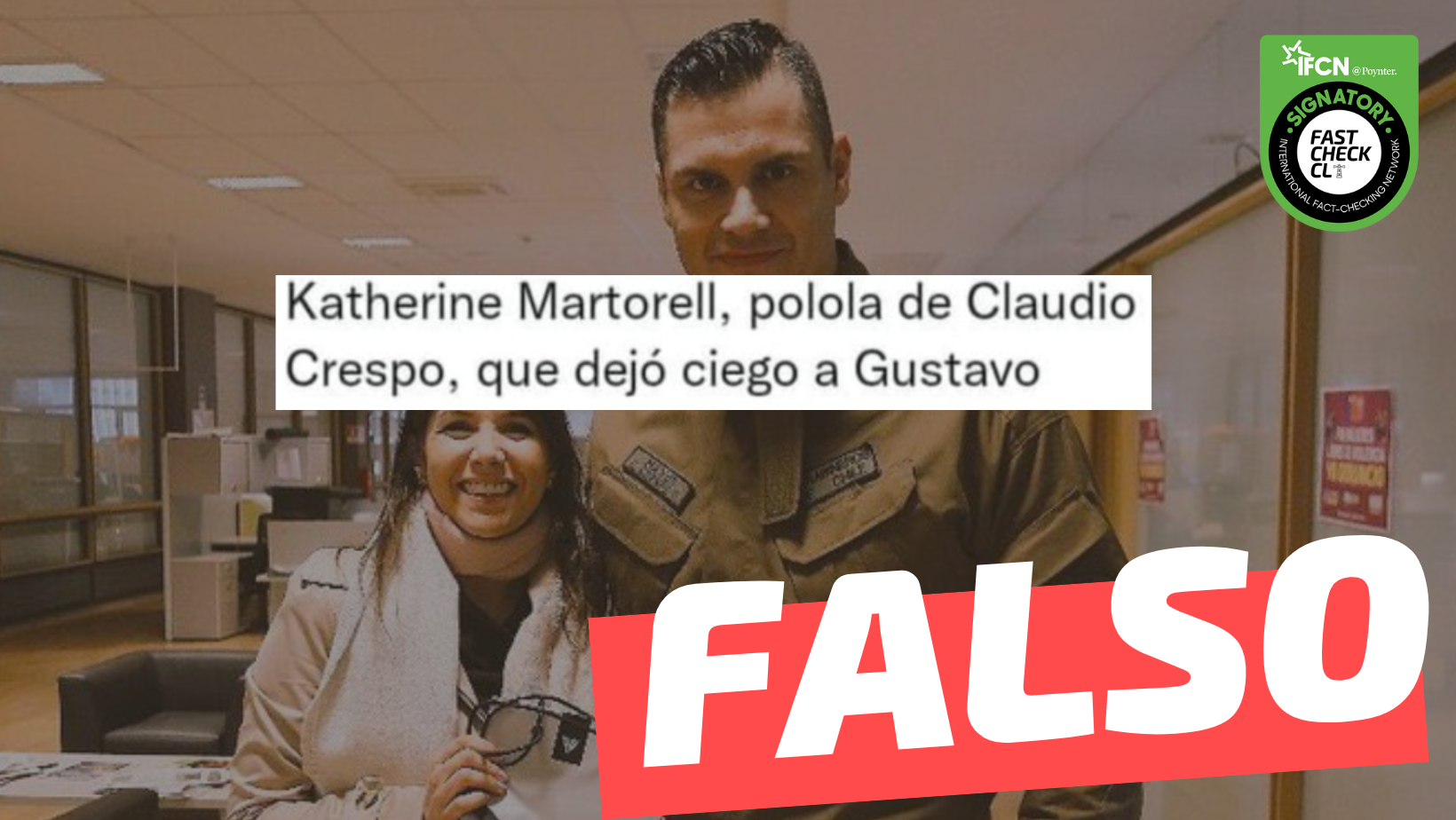
(Tuit) “Katherine Martorell, polola de Claudio Crespo…”: #Falso
Publisher’s rating: Falso

動画に飛行機が映っていないので911は捏造
Publisher’s rating: 誤り
The review says the circulating clip was cropped, low-resolution, and filmed from an angle that obscured the plane. In clearer footage, the plane can be seen approaching and disappearing behind the buildings before the explosion.
فرماندار خوی گفته بودجه زلزله، صرف نوسازی عتبات عالیات شده است.
Publisher’s rating: نادرست

Santander no alerta de un “pre-cargo no autorizado"
Publisher’s rating: False

Insecten worden al tot bepaalde producten toegevoegd, terwijl ze giftig zijn.
Publisher’s rating: Huiskrekels mogen verhandeld worden als voedingsmiddel in de EU. Dat is veilig voor menselijke consumptie. Chitine is een stof in insecten, maar het is niet giftig voor de mens. De aanwezigheid van insecten in voeding moet ook steeds duidelijk op de verpakking zijn aangegeven.
The review addresses whether insects may be used in food in the EU and whether eating them is poisonous. It describes two European Commission implementing regulations adopted in early January: one authorizes the use of defatted cricket powder as food, and the other permits the marketing of lesser mealworms. It also notes that the house cricket had already been permitted for sale as food in an EU implementing regulation in February 2022. These facts support the narrower point that some insect ingredients are authorized for food use; they do not establish that every product contains insects. On toxicity, the review says insects contain chitin, a major component of their exoskeleton, and notes that chitin also occurs in fungi such as mushrooms and in crustaceans such as shrimp. It rejects the claim that chitin is poisonous to humans, explaining that although humans do not produce it, they have the enzyme chitinase, which can digest it. The excerpt does not describe new laboratory testing; it refers to an earlier dpa fact-check on chitin and presents the enzyme as the basis for its conclusion. The review also addresses the suggestion that insect ingredients are being hidden. It says European labeling rules require both the Latin and Dutch names of the insects on product labels. It separately reports that an image showing an Albert Heijn wholemeal loaf and Quaker products with warning stickers was fake: according to the review, neither contained insects, and the bread was no longer sold. Thus, the review distinguishes authorized use from secret inclusion and says insect-containing products must identify the ingredient on the label.

Deze pop wordt gebruikt door de media om de situatie in Oekraïne aan te dikken.
Publisher’s rating: De video werd gemaakt bij opnames voor een Russische televisieserie. Het toont een pop die in de opnames werd gebruikt als stuntdubbel. De beelden werden gemaakt in Vsevolozjsk, vlak bij de Russische stad Sint-Petersburg. De claim dat de pop in Oekraïne werd gebruikt is eerder verspreid door een Russische televisiezender.
The claim concerns a video of two men handling a doll, presented as evidence that media were using a prop to make the situation in Ukraine look worse. The investigation identifies a different setting: the footage was made during filming for a Russian television series in Vsevolozhsk, near St. Petersburg, and the doll served as a stunt double. The review says the allegation that the doll was used in Ukraine had previously been circulated by a Russian television channel. The review traces the footage to a Facebook post that had since been deleted; Spanish fact-checkers Maldita had used a screenshot of it. According to the review, the post said Russia-24 broadcast the footage in spring 2022 while claiming it exposed Ukrainian fabrications. The person who posted the Facebook material, assistant director Nadezhda Kolobaeva, said the video was actually filmed on March 20, 2022, on the set of a Russian TV series in Vsevolozhsk. The doll was used for a scene in which someone fell from a window. The review describes several checks supporting that account. It reports that other videos Kolobaeva posted showed the doll being pushed from a lift platform onto a car, and that she explained the doll had been taped together because it was old. It also says the filming location was checked against the video: features of a building on Leningradskaya Ulitsa, including a white strip, doors, and surrounding tile colors, matched, as did a small red house and a parking area visible in Kolobaeva’s material. This supports the Russian-series setting rather than the claim that the footage shows a doll used in Ukraine.

ජනාධිපති මුල්වී නුවර පැවැත්වූ නිදහස් දින සමරුමක ආචාර රථ පෙළක් ද? (Video)
Publisher’s rating: Explainer

Visuals of a giant snake wrapped around a van
Publisher’s rating: MISLEADING
The claim concerns visuals of a giant snake wrapped around a van, presented as evidence of a real snake. FACTLY’s review says the visuals instead show an artwork at Zhongnan Baicao Garden, an amusement zoo park in China. It describes the object as man-made and designed to attract visitors, rather than an animal. FACTLY says an internet search using relevant keywords led it to the park and its artwork. The review also reports that the park’s social-media account had previously shared the visuals, alongside images of smaller toy snakes, and that social-media users posted videos of themselves walking around the art forms. These are the provenance and corroboration checks described in the supplied review excerpt. The key distinction is between what the visuals depict and how the post presents them: the review identifies the van-coiling form as a constructed attraction, not a real giant snake. It does not provide dates for the park’s posts or further details about the artwork’s construction in the supplied text.

İsviçre’nin Türkiye’den yapılan enflasyon gerekçeli iltica taleplerini kabul edeceği iddiası
Publisher’s rating: Yanlış

Diese Schilder hängen zur Kennzeichnung von Toiletten an der Universität Innsbruck aus.
Publisher’s rating: Die Universität Innsbruck hat die Schilder als Fälschung bezeichnet. Es habe schon zuvor allerdings vier Unisex-Toiletten an der Hochschule gegeben - sowie 150 bis 200 Männer-und Frauen-WCs.
The claim concerns signs photographed and shared online that appeared to identify a toilet at the University of Innsbruck as open to all genders. The sign shown in the review reads “WC All Gender” and says that a men’s toilet is nearby. The key question is whether these were university-installed signs marking toilets there.
Labor failed to release the wording of proposed changes to the constitution
Publisher’s rating: Ill-informed

Social media filters can be injurious to health
Publisher’s rating: There’s an increase in body-image disorders, such as Snapchat dysmorphia, characterised by the compulsive need to heavily edit one’s digital image.
This is Disrespectful. BBC removes Jammu & Kashmir from Indian Map. @MIB_India should ban #BBC from India.
Publisher’s rating: Misleading
Where the data comes from
Fact checks come from Data Commons and link to the organizations that published them.
What you’ll find
Each result links to the original fact check. Open it to read the publisher’s findings, with summaries and supporting sources where available.
Report an error
To report an error, send the page URL and supporting evidence.