PeakMetrics / Fact Checks
Has this been
fact-checked?
Paste a claim or upload an image to find existing fact checks. See what fact-checkers found and read the evidence before you share.
Search fact checks ↓API & integrations ↗Browse by topic
Explore fact checks by subject.
Search fact checks
Search by text or imageLatest fact checks
98,252 published reviews
Years ago I wrote an article headlined ‘How green is my Bengal?’ which fetched the usual cacophony of #LeftLiberal protest and snark. Sadly Bengali ‘intellectuals’ are collaborators in this hate project. Useful Idiots don’t realise the mob will devour them first.
Publisher’s rating: Misleading


Videonun Türkiye-Suriye sınırındaki tsunamiyi gösterdiği iddiası
Publisher’s rating: Yanlış
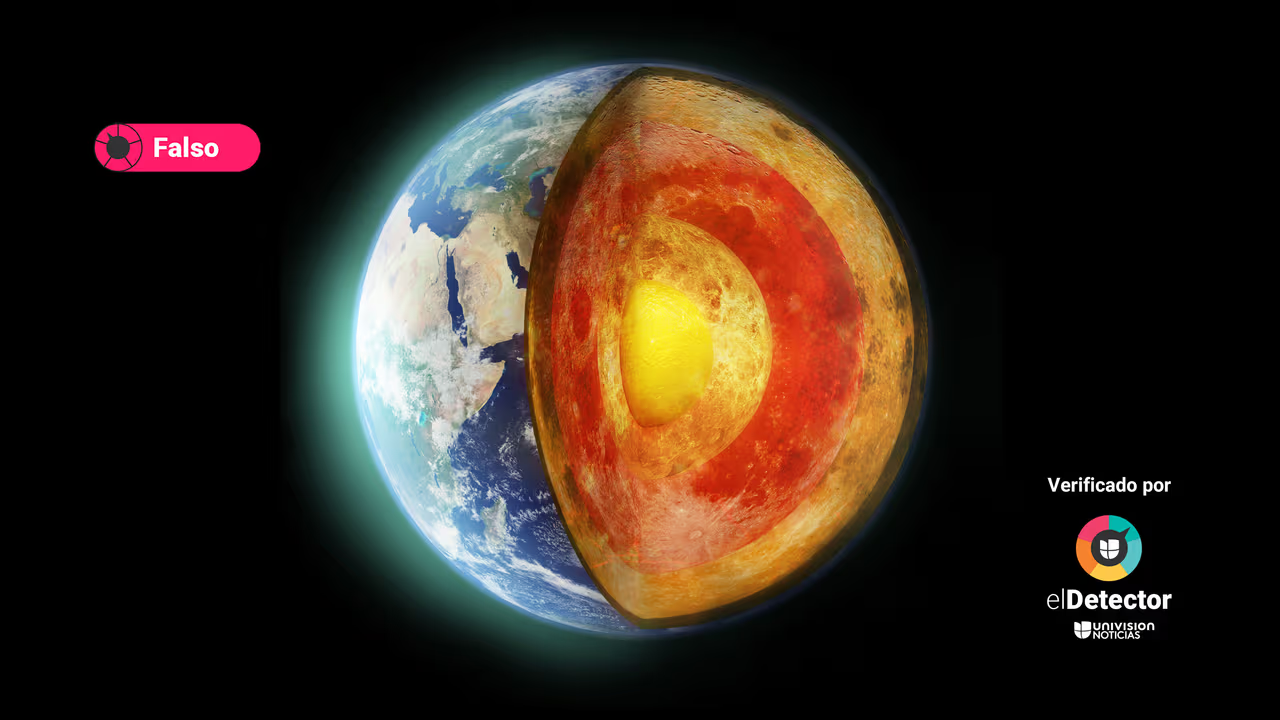
El núcleo interno de la Tierra se detuvo.
Publisher’s rating: Falso
এই ভিডিঅ'টোত ডেহৰাডুনৰ বন গৱেষণা প্ৰতিষ্ঠানত এটা বাঘৰ আক্ৰমণ দেখা গৈছে।
Publisher’s rating: বিভ্ৰান্তিকৰ

ಲಂಡನ್ನಲ್ಲಿ ಯುಕೆ ಪ್ರಧಾನಿ ರಿಷಿ ಸುನಕ್ ಆಯೋಜಿಸಿದ್ದ ಪೊಂಗಲ್ ಔತಣಕೂಟವನ್ನು ತೋರಿಸುವ ವೀಡಿಯೊ.
Publisher’s rating: FALSE

ಮಲಬಾರ್ ಚಾರಿಟೇಬಲ್ ಟ್ರಸ್ಟ್ ಮುಸ್ಲಿಂ ವಿದ್ಯಾರ್ಥಿಗಳಿಗೆ ಮಾತ್ರ ಶಿಕ್ಷಣಕ್ಕಾಗಿ ವಿದ್ಯಾರ್ಥಿವೇತನದ ಸಹಾಯವನ್ನು ನೀಡುತ್ತದೆ.
Publisher’s rating: FALSE

Görüntünün deprem sonrası Adana’da yaşanan tsunamiyi gösterdiği iddiası
Publisher’s rating: Yanlış


ಬಿಬಿಸಿ ಸಾಕ್ಷ್ಯಚಿತ್ರ ‘ಇಂಡಿಯಾ: ದಿ ಮೋದಿ ಕ್ವೆಸ್ಟ್’ ನಿರ್ಮಾಪಕರೊಂದಿಗೆ ರಾಹುಲ್ ಗಾಂಧಿಯವರ ಚಿತ್ರ
Publisher’s rating: FALSE
বিশ্ব স্বাস্থ্য় সংস্থাই কৰ'নাভাইৰাছক এটা ঋতুভিত্তিক ভাইৰাছ বুলি গ্ৰহণ কৰিছে।
Publisher’s rating: মিছা

2019లో మళ్లీ అధికారంలోకి వస్తే మోదీ, అమిత్ షాలు పాకిస్థాన్ను నాశనం చేస్తారని అరవింద్ కేజ్రీవాల్ అన్నారు
Publisher’s rating: FALSE
तुर्की सीरिया में आए जानलेवा भूकंप से सीरिया में गिरती बिल्डिंग का वीडियो
Publisher’s rating: FALSE

රිජ්වේ ආර්යා ළමා රෝහල රටේ ජනතාවගෙන් සිදුකළ ඉල්ලීමේ ඇත්ත නැත්ත!
Publisher’s rating: Explainer
The claim refers to a social-media message saying Lady Ridgeway Children’s Hospital urgently needed blood-test kits for its paediatric cardiac intensive care unit. The review says it investigated whether the hospital had made such a request, first checking whether mainstream media had reported one. Finding no such reporting, it asked the hospital’s deputy director, Dr. Santhush Senapathi, about the request. His account distinguishes the item actually needed from the one named in the viral message: the hospital needed Blood Gas Analyzer Reagent kits, not blood-test kits generally. According to the deputy director as quoted in the review, these reagents are used to measure the blood-gas composition of children who have undergone heart surgery and are in intensive care on ventilators. The results help assess the child’s condition and adjust the ventilator. The review reports that one kit costs about 500,000 rupees and can test about 250 patients. It also says such children may need 10–15 of these tests a day, and that the unit has about 15 beds; the deputy director described a kit as sufficient for those children for only about three days. So the underlying need and appeal for help were real, according to the hospital official cited by the review, but the circulated wording misidentified the requested supplies as blood-test kits. That distinction matters because the appeal concerned a particular reagent set used for blood-gas analysis, not the more broadly described test kits. The excerpt does not identify who first posted the message or independently document the hospital’s inventory; its account of the need rests on the deputy director’s statement.

Hugo Boss hat angekündigt, 100.000 Militäruniformen für die Ukraine zu nähen und zu spenden.
Publisher’s rating: Das ist falsch. Die Marke Hugo Boss hat der dpa bestätigt, keine Militäruniformen für die Ukraine herstellen zu wollen. Während des Zweiten Weltkriegs lieferte das Unternehmen tatsächlich Uniformen an die Nationalsozialistische Partei. Doch die Illustrationen, die die Facebook-Posts begleiten, sind einer Expertin zufolge nicht authentisch.
The claim circulating online was that Hugo Boss had announced it would sew and donate 100,000 military uniforms for Ukraine. The review reports that the company had made no such announcement. It checked the brand’s official channels, including press releases and its Twitter and Instagram accounts, and the Ukrainian army’s website; it found no record of the alleged production or partnership there. The company’s response to dpa provided direct evidence about its position: a Hugo Boss spokesperson said the claim was a false rumor and that the company was taking steps to stop it spreading on social media. The review therefore distinguishes the unsupported contemporary claim from the company’s documented history: Hugo Boss did make clothing for the Nazi Party before and during the Second World War, but that history does not establish that it planned to supply uniforms to Ukraine. The images accompanying the posts also did not substantiate the alleged announcement. The review describes them as illustrations of SS uniforms carrying the Hugo Boss logo and the wording “1934 Collection.” Elisabeth Timm, a University of Münster professor who had researched the brand’s Nazi-era history, told dpa that they were not authentic Hugo Boss illustrations. The review notes that the company logo looked different in the 1930s and that the uniform photographs appeared in a book about German uniforms in the Third Reich, making the circulated images likely to be a collage rather than genuine company material.
২০২৩ চনৰ অস্কাৰ বঁটাৰ বাবে 'দ্য় কাশ্মীৰ ফাইলছ' ছবিখন চৰ্টলিষ্ট হৈছে।
Publisher’s rating: বিভ্ৰান্তিকৰ


Eye problems, such as Glaucoma and myopia, can be treated using bitter kola eye drops
Publisher’s rating: Missing Context
Where the data comes from
Fact checks come from Data Commons and link to the organizations that published them.
What you’ll find
Each result links to the original fact check. Open it to read the publisher’s findings, with summaries and supporting sources where available.
Report an error
To report an error, send the page URL and supporting evidence.