PeakMetrics / Fact Checks
Has this been
fact-checked?
Paste a claim or upload an image to find existing fact checks. See what fact-checkers found and read the evidence before you share.
Search fact checks ↓API & integrations ↗Browse by topic
Explore fact checks by subject.
Search fact checks
Search by text or imageLatest fact checks
98,252 published reviews
"For too many decades, we imported projects and exported jobs,” but now “we’re exporting American products and creating American jobs.”
Publisher’s rating: Misleading
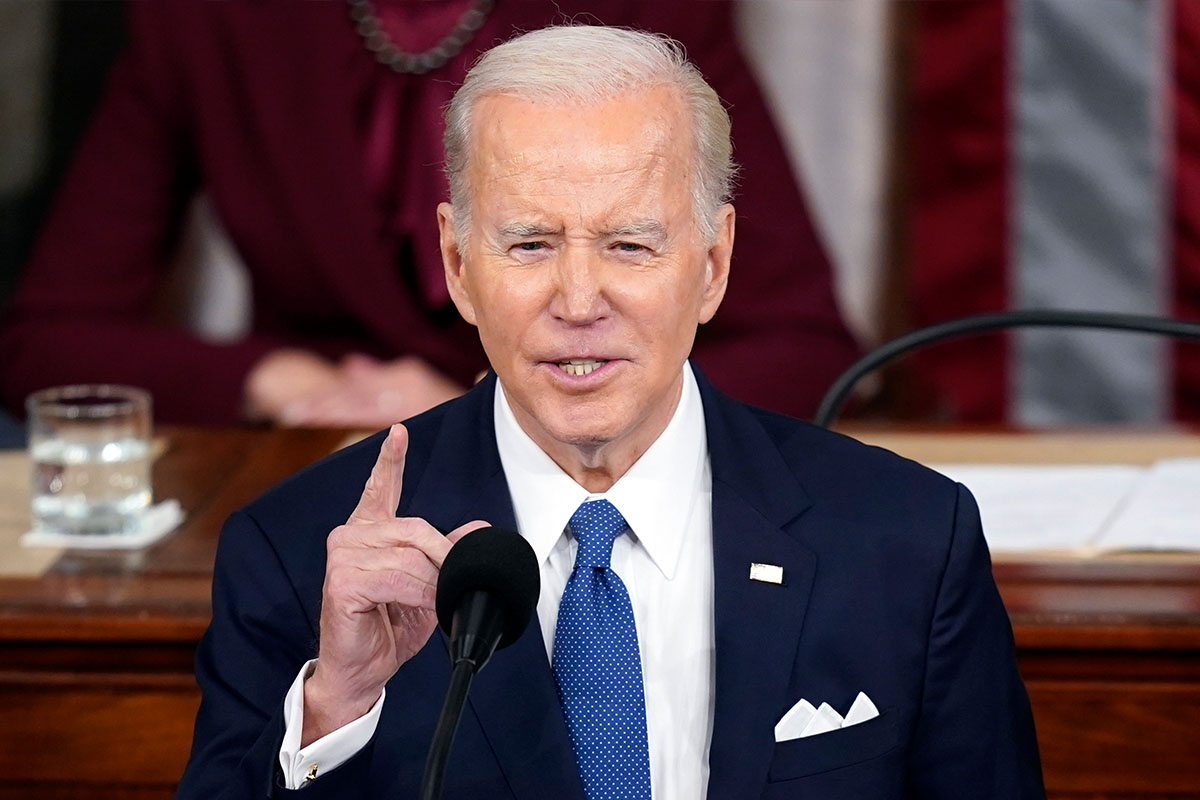
"We’re finally giving Medicare the power to negotiate drug prices."
Publisher’s rating: Too broad
"I stand here tonight after we’ve created, with the help of many people in this room, 12 million new jobs — more jobs created in two years than any president’s created in four years."
Publisher’s rating: Comparison lacks context
The 2021 infrastructure act is "the largest investment in infrastructure since President Eisenhower’s Interstate Highway System.”
Publisher’s rating: Partly accurate
"Instead of making the wealthy pay their fair share, some Republicans want Medicare and Social Security to sunset. I’m not saying it’s the majority."
Publisher’s rating: A Republican proposed this
"We’ve launched a new border plan last month. Unlawful migration from Cuba, Haiti, Nicaragua and Venezuela has come down 97% as a consequence of that."
Publisher’s rating: Based on limited data
"In the last two years, my administration cut the deficit by more than $1.7 trillion."
Publisher’s rating: Needs context

Former President Donald Trump created a Justice Department task force to combat Chinese espionage in the country, and President Joe Biden shut it down.
Publisher’s rating: Lacks Context
President Joe Biden waited to let China collect all its information from the balloon before it was shot down.
Publisher’s rating: Unfounded
The Chinese surveillance balloon contained deadly explosives.
Publisher’s rating: Unconfirmed
The Trump administration failed to capture three spy balloons.
Publisher’s rating: Premature

Er is een kannibalistisch restaurant in Los Angeles.
Publisher’s rating: Het restaurant Cannibal Club bestaat niet. De website is al sinds 2009 onveranderd en bevat bio's van niet bestaande personeelsleden. Het lijkt dan ook eerder op een oude grap.
The claim concerns Cannibal Club, a website presenting a Los Angeles restaurant that supposedly serves human meat. The investigation found reasons to doubt that the advertised restaurant was real: the site offered no address, and its menu and advertised monthly musical performer had remained unchanged since at least March 2009. The performer named on the site was Diamanda Galás, still listed as providing the music “this month.” The review also checked the restaurant’s staff page. It says four people were presented there, but the photos for the owner, artistic director, service manager and head chef were identified as stock images. The agency could not locate the original of the head chef’s photo, but reported that it had been used by a driving school in Vilnius; other photos of the same model were also found. Searches for the staff members’ names did not substantiate their biographies, including the site’s claim that artistic director Hero Conners had been involved in a 2000 UC Berkeley controversy. Taken together, the unchanged listings, absent location and unsupported staff identities led the review to conclude that there was no reason to regard Cannibal Club as a real restaurant, and that the site was more likely an old joke. The review does not establish who created the website or why. It notes that the site’s claims about serving “young and healthy” meat could play into fabricated conspiracy theories, but presents that as a possible explanation for renewed attention, not as an established account of the site’s origin.
Video shows a tsunami in Turkey caused by the Feb. 6 earthquake
Publisher’s rating: False
এবারের ফেব্রুয়ারি নিয়ে রহস্য, যা দেখা যাবে ৮২৩ বছর পর
Publisher’s rating: মিথ্যা
তুরস্কের ভূমিকম্পের পরে ধ্বংসস্তূপে প্রিয়জনকে আঁকড়ে ধরার দৃশ্য
Publisher’s rating: মিথ্যা
ইউনেস্কোর জরিপে বাংলা বিশ্বের সবচেয়ে মিষ্টি ও শ্রুতিমধুর ভাষা
Publisher’s rating: মিথ্যা

Kahramanmaraş’ta Ekrem İmamoğlu’na tepki gösteren kadının Habibe Öçal olduğu iddiası
Publisher’s rating: Yanlış
Where the data comes from
Fact checks come from Data Commons and link to the organizations that published them.
What you’ll find
Each result links to the original fact check. Open it to read the publisher’s findings, with summaries and supporting sources where available.
Report an error
To report an error, send the page URL and supporting evidence.