PeakMetrics / Fact Checks
Has this been
fact-checked?
Paste a claim or upload an image to find existing fact checks. See what fact-checkers found and read the evidence before you share.
Search fact checks ↓API & integrations ↗Browse by topic
Explore fact checks by subject.
Search fact checks
Search by text or imageLatest fact checks
98,252 published reviews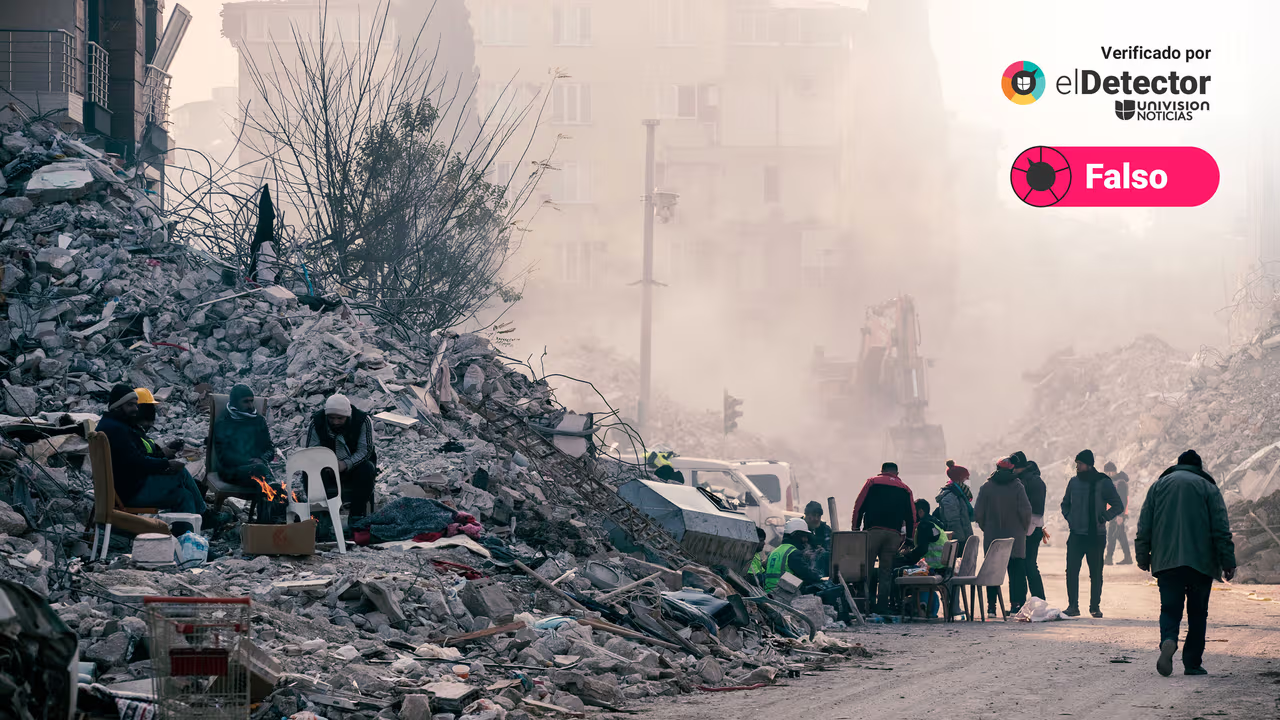
Los terremotos se pueden predecir.
Publisher’s rating: Falso
दोस्तों आज अंध भक्तों का कमल का फूल मस्जिद में खींल रहा है। धन्यवाद कहूं मोदी जी आपका जो आप चुपके-चुपके मस्जिद मस्जिद चलते हो
Publisher’s rating: Altered

இது யாரு ? எங்கேயோ பார்த்த மாதிரி இருக்கு ? இது அடுத்த அண்ணியா ?
Publisher’s rating: Fake
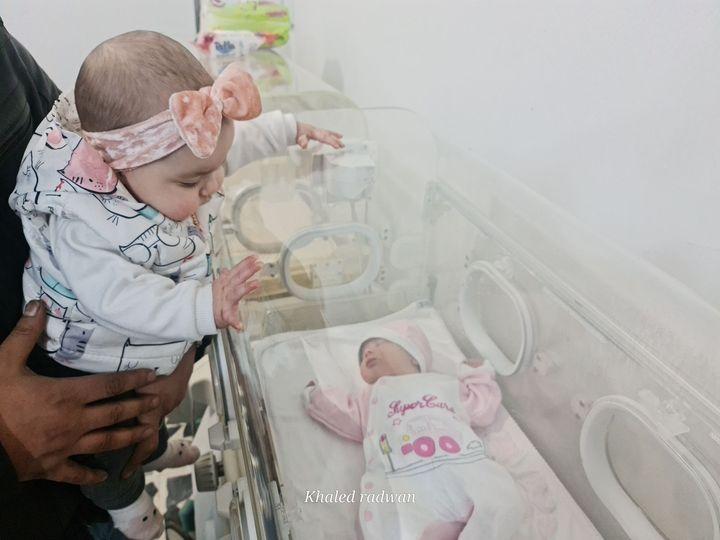
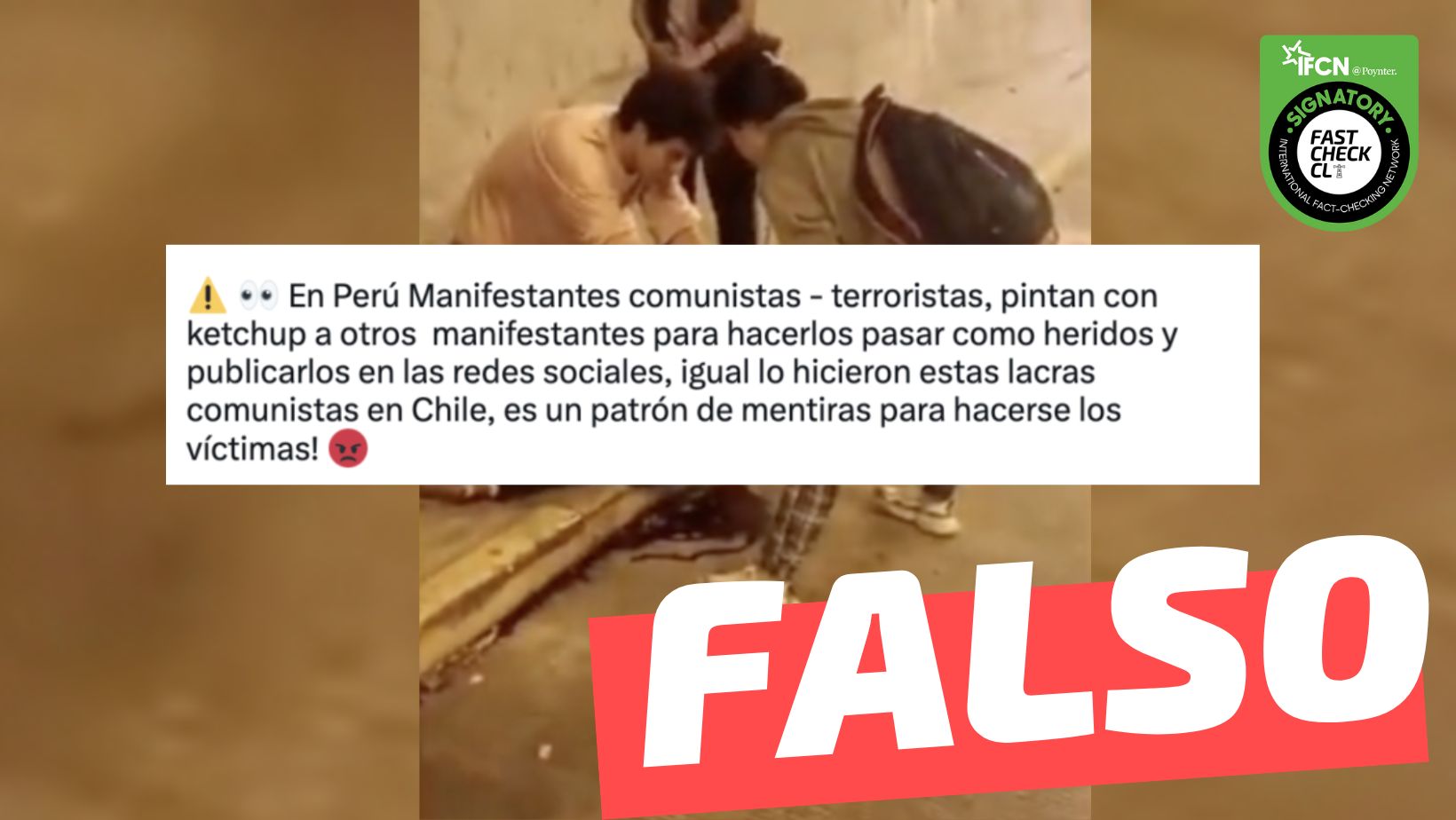
“En Perú Manifestantes comunistas – terroristas, pintan con kétchup a otros manifestantes para hacerlos pasar como heridos”
Publisher’s rating: Falso

Mob lynched a Christian and set him on fire over blasphemy charges in Pakistan’s Nankana Sahib
Publisher’s rating: FALSE
The claim concerns a man killed by a mob in Nankana Sahib, Pakistan, after being accused of blasphemy. It further identifies the victim as Christian and attributes video of a man being set on fire to that incident. The review separates these elements: it examines the victim’s identity and whether the viral video can be linked to the Nankana Sahib killing. The review reports that the victim was Muhammad Waris, a Muslim, not a Christian. It says multiple news agencies identified him as Muslim and that a police official confirmed this. The review also notes that the reports it examined did not identify him as Christian. These findings directly contradict the claim about the victim’s religion. [S1: “Multiple news reports identified the man as Muhammad Waris, a Muslim. And none of the news reports claimed the man as a Christian.”; “Even the concerned police official confirmed that deceased is a Muslim.”] The review describes the incident as beginning with Waris’s arrest on blasphemy charges after a mob accused him of desecrating the Quran. It says the mob later entered the police station, dragged him out, beat him to death, and set him on fire. This account supports that the lynching and burning occurred, but does not support the claim that the victim was Christian. [S1: “Earlier, the man was arrested over blasphemy charges, after a mob attacked him for allegedly desecrating the Quran. Later, the mob entered the police station and dragged him out, beat him to death and set him on fire.”] The review makes a separate qualification about the video circulating with the claim: it could not establish the video’s context or location, and found no reporting that connected those visuals to the recent Nankana Sahib incident. Thus, its conclusion about the victim’s religion rests on the identification and police confirmation described in the review, while the video’s provenance remains unverified in the supplied account. [S1: “Although, we could not find the context and location of the video shared in the viral post, we did find any reports associating these visuals to the recent incident.”]
ষষ্ঠ ও সপ্তম শ্রেণীর পাঠ্যবইয়ে বঙ্গবন্ধুর বাবার নাম ও পেশা ভুলভাবে উপস্থাপন করা হয়েছে
Publisher’s rating: মিথ্যা

Photo of Sumit Vishwakarma who secured 53rd rank in the UPSC Civil Services Examination
Publisher’s rating: FALSE
The claim concerns a photo circulated as showing mason Sumit Vishwakarma, supposedly the person who secured 53rd rank in the UPSC Civil Services Examination. FACTLY’s investigation distinguishes Vishwakarma, from Jabalpur district in Madhya Pradesh, from Sumit Kumar, the actual 53rd-ranked candidate from Jamui district in Bihar. The review says news websites had confused the two men in 2019, and that the photo was of Vishwakarma—not Kumar. To check the identification, the review describes a reverse-image search and searches using relevant keywords. It also points to the 2018 examination’s selected-candidates list: the 53rd-ranked candidate was listed as Sumit Kumar, and Vishwakarma’s name did not appear on the list announced on 5 April 2019. Those records contradict the claim that the man in the photo earned that rank. The review further reports that Kumar publicly clarified that media coverage had linked his rank to the wrong person. It describes the social-media post as an old false story that was circulating again, rather than a new result or a separate examination. The evidence addresses the specific identity attached to the photo: the rank belonged to Kumar, while Vishwakarma was the person pictured.

NOSSA? Minha gente PEDE SOCORRO ARRASTÃO NO TÚNEL REBOUÇAS , NA MAIOR CARA DE PAU
Publisher’s rating: Falso

コロナワクチン、23年度は「秋冬に全員接種」
Publisher’s rating: 誤り
The review says the 2023 policy was to provide vaccination opportunities to everyone, while prioritizing people at higher risk of severe illness—not to require vaccination. The health ministry’s vaccination office confirmed that the policy meant ensuring access and that vaccination would not be compulsory.
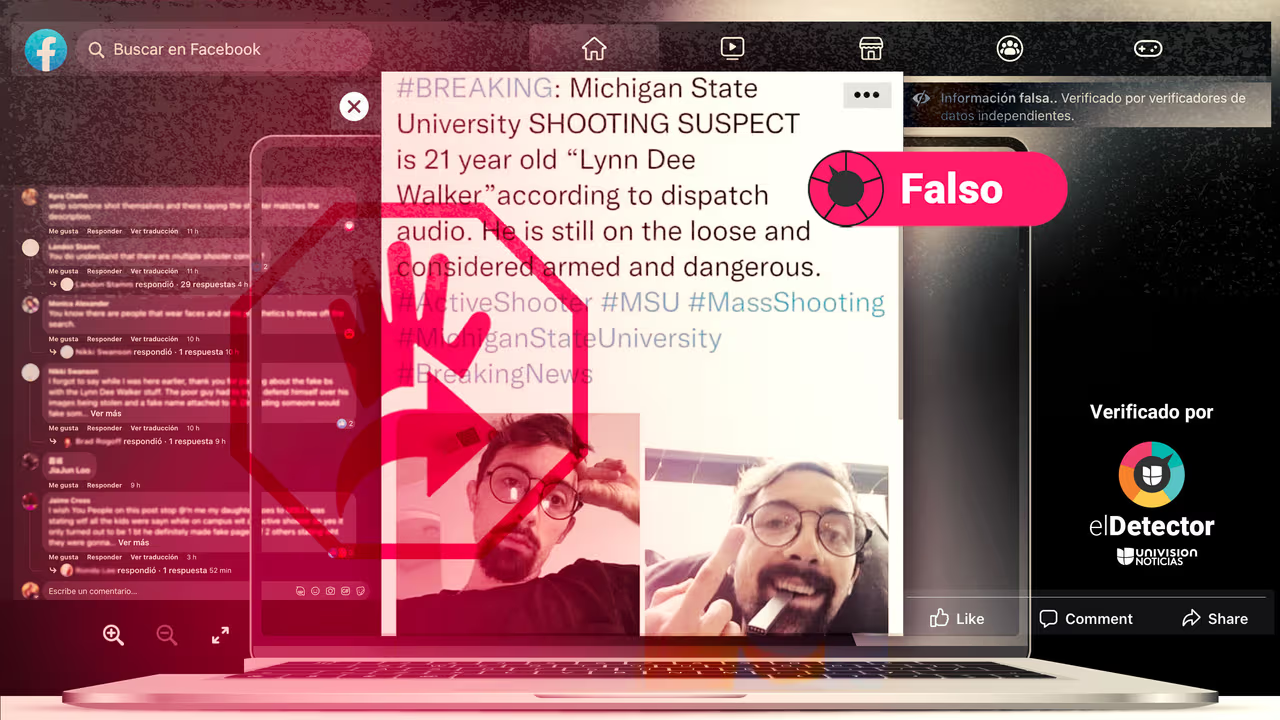
"El sospechoso del tiroteo en la Universidad Estatal de Michigan es Lynn Dee Walker, de 21 años".
Publisher’s rating: Falso


Une vidéo de phénomènes précédant les tremblements de terre en Turquie prouve qu'ils ont été déclenchés par des moyens artificiels.
Publisher’s rating: Les tremblements de terre survenus en Turquie et en Syrie sont le résultat naturel du mouvement des plaques tectoniques. Les vidéos des caméras de surveillance présentées comme une preuve de l'artificialité des séismes sont celles d'un autre tremblement de terre. De plus, le projet HAARP n'a pas la capacité de provoquer des séismes ou toute autre catastrophe naturelle.
The claim focuses on surveillance footage circulated as evidence that the February 2023 earthquakes in Turkey were artificially triggered. The investigation reports that the footage itself identifies a different event: a year visible in the video’s upper-left corner is 2022, and the images show the earthquake that struck Düzce province on November 23 that year—not the February 2023 disaster. [S1]

WHO issued an advisory to the Government of India stating that 87% population of the country will suffer from cancer by 2025 because of the consumption of adulterated milk
Publisher’s rating: FALSE
The post attributed a stark prediction to the World Health Organization: that 87% of India’s population would suffer from cancer by 2025 because of adulterated milk. It also claimed that India produced 14 crore litres of milk daily but consumed 64 crore litres of adulterated milk. FACTLY’s review says WHO did not issue the alleged advisory and reports that both WHO and the Government of India clarified that no such advisory had been issued. To check the advisory claim, the review says it searched for an advisory to the Indian government and found a WHO press note addressing the viral reports. WHO stated that it had “not issued any advisory” on milk adulteration. The review also reports a clarification by the Press Information Bureau and cites a response by then Health and Family Welfare Minister Dr. Harsh Vardhan to a parliamentary question on 22 November 2019: he said WHO had issued no such advisory. The review further places the post’s milk-safety figures in context. In response to a separate question about the claim that 68.7% of milk and milk products failed FSSAI standards, Harsh Vardhan cited the FSSAI’s 2018 Nationwide Milk Safety and Quality Survey. Of 6,432 samples, 456 had contaminants that made them unsafe, while 12 had adulterants affecting safety. The review also cites the Economic Survey 2021–22 for average daily milk production of 50.58 crore litres in fiscal year 2020–21, which does not support the post’s stated production figure.

Ces photos montrent la ville turque de Kahramanmaras avant et après le tremblement de terre.
Publisher’s rating: Les dégâts constatés à Kahramanmaras sont certes énormes, mais le photomontage relayé sur les réseaux sociaux ne représente pas exactement la situation avant et après la catastrophe. Les deux photos montrent en fait deux endroits différents de la ville. En outre, il n'existe aucune preuve que la première photo ait été prise avant les séismes.

Que lindo,o bombeiro lá na Turquia,Levando uma coroa de flores à N.Sra.da Conceição!
Publisher’s rating: Falso

ඉෂන්කා ජහන්වී මාලිමාවට මැතිවරණ ප්රචාරණ කටයුතු කරන අයුරු?
Publisher’s rating: Altered
The claim concerns a photograph circulated as showing actress Ishanka Jahanvi wearing a shirt with the Malimawa symbol and promoting the National People’s Power. The review also notes a competing claim about the shirt’s design, but its investigation focused on whether the image showed her taking part in election campaigning: “ඉෂන්කා ජහන්වී නමැති රංගන ශිල්පිනිය විසින් ජාතික ජන බලවේගයේ ලකුණ වන මාලිමාවේ සලකුණ සහිත ටී-ෂර්ට් එකක් පැළඳ එම පක්ෂය ප්රවර්ධනය කරන අයුරු ලෙස හඟවමින් සමාජ මාධ්ය ඔස්සේ ඡායාරූප සටහනක් සංසරණය වුණා.” The publisher says it checked Jahanvi’s official social-media accounts and found the photograph in question there. It reports that the sticker on the shirt in that image was not an election sticker: “නවක රංගන ශිල්පිණියෙකු වන ඉෂන්කා ජහන්වී විසින් කුමන හෝ පක්ෂයක් සඳහා ඉහත ඡායාරූප වල දැක්වෙන ලෙස මැතිවරණ ප්රචාරණයකට ඉදිරිපත් වී තිබේ ද, යන්න අප ඇයගේ සමාජ මාධ්ය නිල ගිණුම් හරහා පරීක්ෂා කරනු ලැබුවා. එහිදී අපට ඉහත සමාජ මාධ්ය ඡායාරූප සටහනේ දැක්වෙන ආකාරයෙන් ඡායාරූපයක් අපට දැක ගන්නට ලැබුණු අතර එහි ඇය ඇඳ සිටි කමිසයේ ස්ටිකරය ඉහත දක්නට ලැබෙන මැතිවරණ ස්ටිකරයක් නොවන බවට තහවුරු වුණා.” Instead, the review identifies the photograph as coming from a promotional activity for Husma Foundation, which it describes as an organization supporting children with cancer. It says the circulated version was edited by removing the foundation’s shirt marking and replacing it with the Malimawa symbol: “ඉෂන්කා ජහන්වී විසින් එම අවස්ථාවේ ඇඳ සිටි ටී-ෂර්ටයේ “Husma Foundation” යොදා ඇති කොටස ඉවත්කරමින් ඒ වෙනුවට මාලිමාවේ සලකුණ යොදා ගනිමින් පහත දැක්වෙන පරිදි මෙම ව්යාජ ඡායාරුප සංස්කරණය සිදුකර තිබෙනවා.” Thus, the review’s account is that the image was altered to make a charitable promotional photograph appear to show election campaigning.
Where the data comes from
Fact checks come from Data Commons and link to the organizations that published them.
What you’ll find
Each result links to the original fact check. Open it to read the publisher’s findings, with summaries and supporting sources where available.
Report an error
To report an error, send the page URL and supporting evidence.