PeakMetrics / Fact Checks
Has this been
fact-checked?
Paste a claim or upload an image to find existing fact checks. See what fact-checkers found and read the evidence before you share.
Search fact checks ↓API & integrations ↗Browse by topic
Explore fact checks by subject.
Search fact checks
Search by text or imageLatest fact checks
98,252 published reviewsUrgente: Governo Lula proíbe blindagem de carros e pode acarretar em milhares de demissões
Publisher’s rating: Falso

2019 पुलवामा हमले में शहीद आर्मी ऑफिसर की रोती हुई बेटी का वीडियो
Publisher’s rating: FALSE

In this match between the women’s basketball teams of Russia and France, the referee’s wrong penalty angered the high center forward of the Russian women team. In a fit of anger, she lifted the referee to let him sit in the basket, pointed at the referee sitting in the basket and said, I let you sit in the basket and brag! This is one of the few wonderful shots on the basketball court 😆👆👆#sports #referee
Publisher’s rating: Misleading

Videodaki kişinin Yeni Çamoluk Otomotiv’in sahibi Hamit Duras olduğu iddiası
Publisher’s rating: Yanlış

Deprem için yapılan yardım ve bağışların tümünün vergiden düşüleceği iddiası
Publisher’s rating: Yanlış
One in Class of Microsoft Partner and our main software and licensing partner for Windows Server Remote Desktop Services (RDS 2022) CAL. Thanks
Publisher’s rating: 5

A dog in the picture is a rescue worker in the recent Turkey-Syria earthquake
Publisher’s rating: False
The claim concerned a widely shared photograph of a muddy dog, described in a social-media caption as having searched earthquake rubble in Turkey and saved ten people. Factcrescendo Thailand investigated whether that image showed a dog working in the recent Turkey-Syria earthquake. Its review says the image was not from that earthquake and identifies it instead with an earlier rescue operation in Oso, Washington. [S1: “Recently, there is a picture depicting a dog as a rescue worker in the recent Turkey-Syria earthquake” … “However, we found that this image is not from the recent earthquake in Turkey and Syria.”] The review describes its method as tracing the photograph’s origin and using reverse image search, which led to websites carrying the picture. It reports that the photo had been published in 2014 and attributes it to Reuters photographer Rick Wilking, documenting a rescue mission in Oso on March 30, 2014. The article says a mudslide struck the area and killed 43 people; the pictured dog was a trained search-and-rescue dog deployed to look for survivors. This earlier provenance contradicts the caption’s claim that the photograph shows the dog at work in the Turkey-Syria earthquake. [S1: “We began investigating by finding the origin of this photo. We then used the reverse image search feature, and it led us to various websites containing this dog’s picture. We found out that this photo was primarily published in 2014.”; “In fact, the photo is from a rescue mission that took place in Oso, Washington, on March 30, 2014, by a Reuter’s photographer, Rick Wilking. During that incident, a massive mudslide hit the area, causing the deaths of 43 people. The dog in the photo was one of the rescue workers who searched for victims in the aftermath of the disaster.”] The review distinguishes the photo’s provenance from the broader fact that rescue dogs were sent to assist after the Turkey-Syria earthquake. It says the pictured dog had no connection to that incident; the existence of other rescue teams and dogs does not establish that this particular image came from the earthquake. [S1: “Although the dog in the above picture has no connection to this Turkey-Syria incident, many countries have sent rescue dogs and staff to help find the victim under the ruins in Turkey and Syria.”]
The Great Wall of China was built by the Tartarian Empire
Publisher’s rating: False.

Diyanet İşleri Başkanı'nın deprem bölgesine şahsi olarak 310 milyon lira bağışladığı iddiası
Publisher’s rating: Yanlış

Videonun Babala Tv ekibinin yardım merkezinde film izlediği anı gösterdiği iddiası
Publisher’s rating: Yanlış
மனைவி இறந்து 6 மணிக்குள் உடலுறவு வைத்துக் கொள்ளலாம் என்ற சட்டத்தை எகிப்து கொண்டு வர உள்ளது.
Publisher’s rating: Fake
Marcos gold documents were released during the visit of Bongbong Marcos to Japan
Publisher’s rating: False

Ein niederländischer Wissenschaftler hat einen modularen Menschen entwickelt, dessen Organe sich wie Legosteine zusammensetzen lassen.
Publisher’s rating: Den künstlichen Körper gibt es ebenso wenig wie den dazugehörigen Wissenschaftler. Es handelt sich beim «modularen Körper» um ein Science-Fiction-Projekt eines niederländischen Künstlers.
The claim presents a modular, Lego-like human as a real creation by a Dutch scientist. The review traces it to a Facebook post from Luxembourg, which showed a video said to depict the “first modular body” and attributed its creation to Dutch biologist Cornelis Vlasman. The post described “Oscar” as a living organism made from the biologist’s cells, with parts that could be connected to make the body move. The review says that neither Oscar nor Cornelis Vlasman exists. It identifies Oscar as a fictional digital-art creation made in 2016 by Dutch artist Floris Kaayk. The video’s depiction of organs and body parts as connectable modules is therefore part of the artwork’s fiction, not evidence that a scientist developed a working human body. The review also notes that a linked Rio Times article repeated substantially the same claims, but says that account did not reflect reality. The review points to the project’s own presentation as decisive context: its website described The Modular Body as an online science-fiction story about creating Oscar, and a video explaining the project included screenwriter Ine Poppe saying it was a science-fiction story and was not true. The review further reports that Kaayk discussed the modular body as an idea premised on what might become possible in the future, and that the project received an award at the 2016 Netherlands Film Festival. These details support the distinction between a fictional artwork and a real scientific achievement.
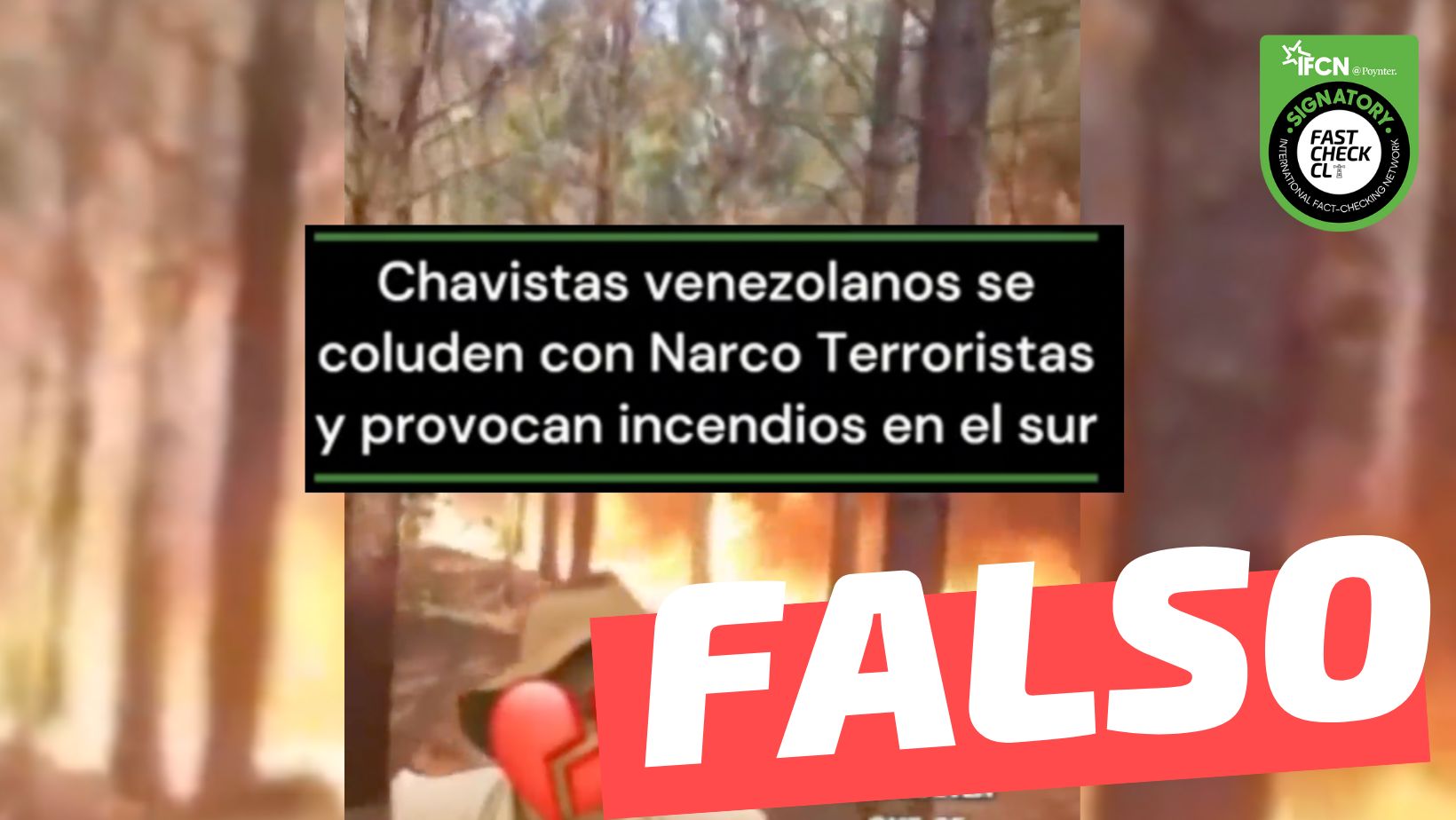
“Chavistas venezolanos se coluden con narcos terroristas y provocan incendios en el sur”
Publisher’s rating: Falso
हिंदू महिला के साथ रेप करने की कोशिश करने वाले मुस्लिम शख्स की फोटो
Publisher’s rating: FALSE
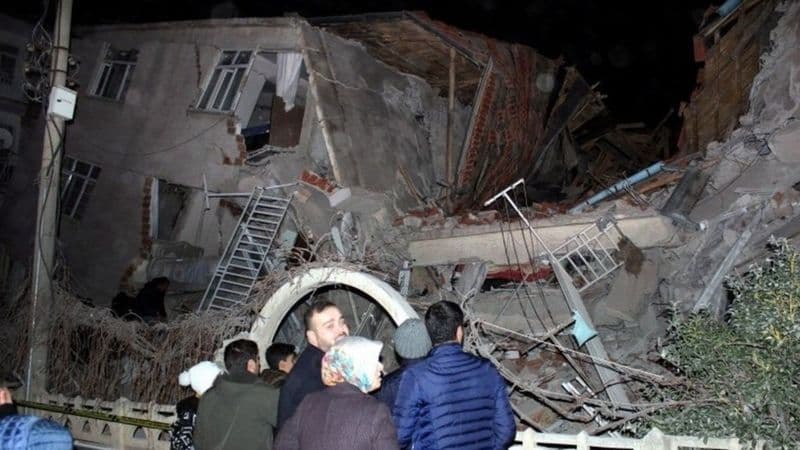
انهيار مبنى في ريف حلب جراء الهزة الارتدادية مع وجود عالقين تحت الأنقاض
Publisher’s rating: كذب
Boying Remullas has been removed from his post as Justice secretary
Publisher’s rating: False

Great work and service from HalfRain, we ordered this time RDS 2022 CALs for our Datacenter Remote Access, Thanks
Publisher’s rating: 5
Where the data comes from
Fact checks come from Data Commons and link to the organizations that published them.
What you’ll find
Each result links to the original fact check. Open it to read the publisher’s findings, with summaries and supporting sources where available.
Report an error
To report an error, send the page URL and supporting evidence.