PeakMetrics / Fact Checks
Has this been
fact-checked?
Paste a claim or upload an image to find existing fact checks. See what fact-checkers found and read the evidence before you share.
Search fact checks ↓API & integrations ↗Browse by topic
Explore fact checks by subject.
Search fact checks
Search by text or imageLatest fact checks
98,252 published reviews
GITMO abate avião militar francês que transportava pára-quedistas
Publisher’s rating: Falso

Papa Francisco declara que 'pedófilos têm um lugar especial no céu'
Publisher’s rating: Falso

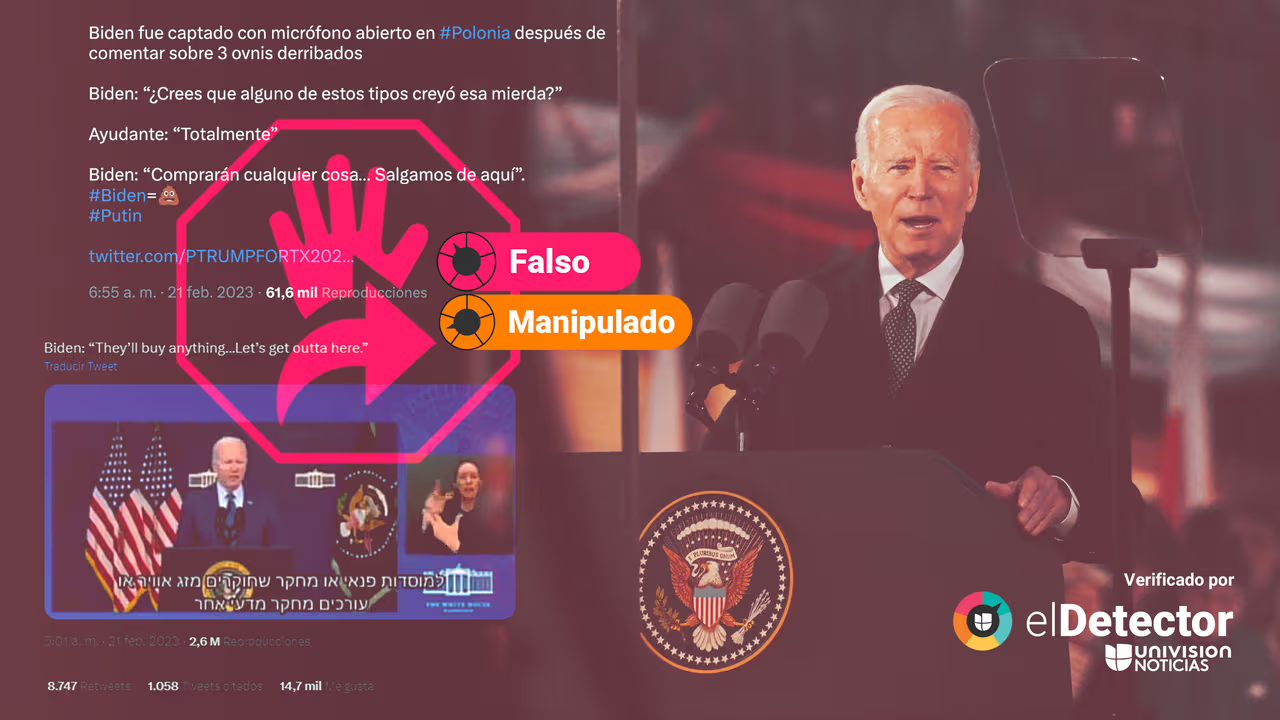
Joe Biden fue sorprendido con un micrófono abierto tras concluir una rueda de prensa, en la que dijo diciendo que los reporteros creyeron en sus “mentiras” sobre los tres objetos voladores derribados por Estados Unidos.
Publisher’s rating: Falso / Manipulado
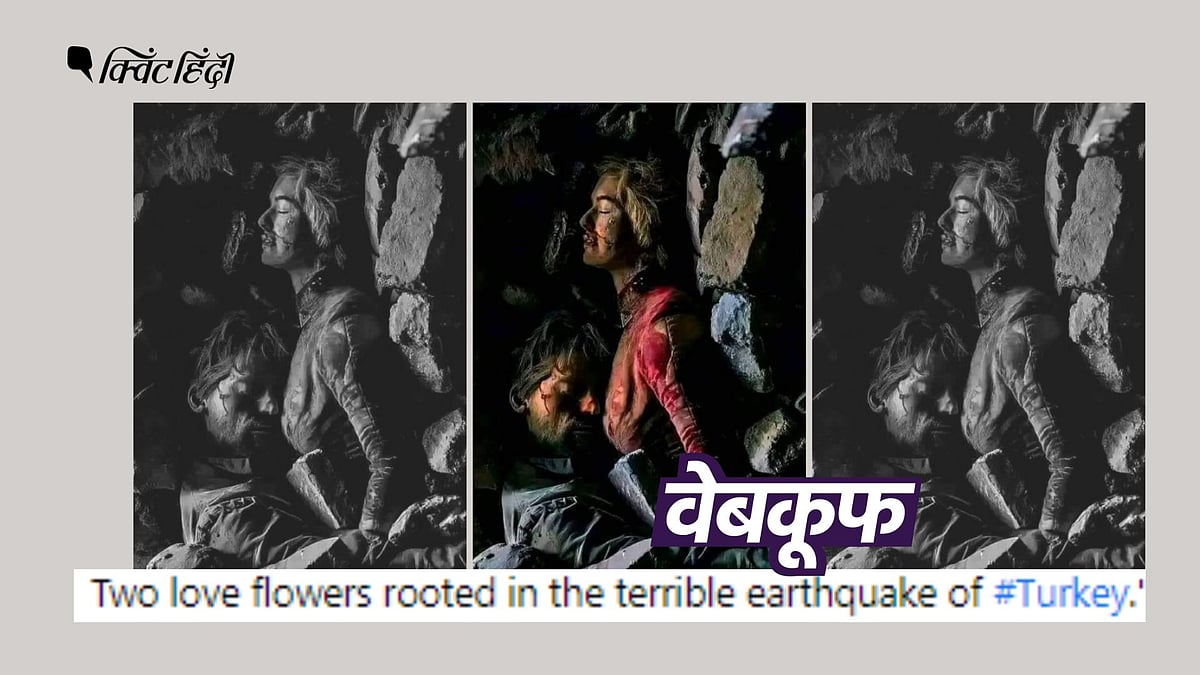
तुर्की और सीरिया में आए भूकंप के दौरान मलबे में दबे दो लोगों की तस्वीर
Publisher’s rating: FALSE

ජනතා විමුක්ති පෙරමුණත් ඡන්දේ කල් දාන ලෙස තමාගෙන් ඉල්ලීමක් සිදු කළ බවට ජනාධිපති පැවසුවා ද?
Publisher’s rating: False
The current Pursat governor died last night (19/02/2023).
Publisher’s rating: False

ये वीडियो हाल ही का है जब मोहुआ मोइत्रा असम में सुरक्षा कर्मियों के साथ झगड़ पड़ी।
Publisher’s rating: False

ಯು ಎಸ್ ವಾಯುಪ್ರದೇಶದಲ್ಲಿ ಹಾರುತ್ತಿರುವ ಚೀನಾದ ಕಣ್ಗಾವಲು ಬಲೂನ್ ಅನ್ನು ಅಮೇರಿಕ ವಾಯುಪಡೆಯು ಹೊಡೆದುರುಳಿಸುವ ದೃಶ್ಯಗಳು.
Publisher’s rating: FALSE


In der Europäischen Union könnte die Todesstrafe wieder eingeführt werden, wenn es einen Aufstand geben würde und Krieg herrscht.
Publisher’s rating: Falsch. Die Europäische Menschenrechtskonvention und die EU-Grundrechtecharta verhindern eine Wiedereinführung der Todesstrafe, auch im Kriegsfall. Zudem hätte die Europäische Union gar nicht die Kompetenz, eine solche Maßnahme wieder einzuführen.
The claim concerned a supposed “back door” in the Treaty of Lisbon that would let the European Union restore capital punishment during an uprising or wartime. The DPA review examined both parts of that argument: whether European rights law leaves such an exception, and whether the EU has authority to legislate for capital punishment. It reports that the claim circulated online and specifically says it was based on the EU not incorporating Protocol 13 to the European Convention on Human Rights into the Lisbon Treaty. The review traces the relevant protections to two legal instruments. It says Council of Europe Protocol 6, adopted in 1982, abolished the death penalty, while Protocol 13 extended abolition to all circumstances, including war, in 2003. Separately, the EU Charter of Fundamental Rights states that no one may be sentenced to death or executed. The review explains that the Charter applies within EU states and provides protection beyond the wartime exception described for Protocol 6; it also notes that all EU member states signed Protocol 13. The review further distinguishes the EU’s capacity to enter international agreements from its power to set criminal law. Although the Lisbon Treaty gave the EU full legal personality and the ability to conclude agreements within its assigned areas of responsibility, the review says the EU lacks authority to prescribe how member states structure their criminal law on the death penalty. It cites legal scholars Walther Michl and Stefan Oeter, who said the EU could not reinstate it under current law, and reports that the European Commission had previously referred to the Charter’s prohibition in response to a related concern.

ලංකාවේ තරුණයෙකු දුම්රියක් පැමිණෙන විට, දුම්රිය පේළි මත දිගාවී නිරුපද්රිතව සිටි ආකාරය ද? (Video)
Publisher’s rating: Misleading
The claim concerns a video circulated as showing a young man in Sri Lanka lying on railway tracks and surviving after a train passes over him. Fact Crescendo’s investigation says that this presentation misidentified where the incident occurred: its conclusion describes the video as footage from India, not Sri Lanka, and dates its circulation to 2018. The review reports that it submitted frames from the video to a reverse-image search. It says this led investigators to identify the incident as having occurred near Jamalpur in Bihar, India. According to the article, the person was unidentified and 24 at the time. The article also points to international media reports, although their contents are not included in the supplied excerpt; the stated location and date here therefore reflect the review’s account of its findings. The review adds a safety qualification: surviving in the video does not mean the act is safe to imitate. It says railway safety officials warned that lying on tracks can be fatal, citing risks from train components and objects beneath a train, and noted that entering railway tracks is prohibited under the railway ordinance. The supported correction is that the video was not a Sri Lankan incident, rather than that the depicted stunt is safe.

Climate change is a political game. Calling weather events in New Zealand as climate change is part of the scam.
Publisher’s rating: Misleading

لحظة وقوع زلزال بقوة 7.2 درجة في طاجيكستان قرب الحدود مع الصين
Publisher’s rating: تضليل
चीन और भारत के बीच युद्ध होने की संभाबना है।
Publisher’s rating: Partly False

Video of a person threatening to attack people and police with a knife in Uttar Pradesh
Publisher’s rating: FALSE

Microsoft සමාගමෙන් ලංකාවට රුපියල් බිලියන 8.5ක අත්යාවශ්ය ඖෂධ ප්රදානයක් ?
Publisher’s rating: Misleading
The claim concerned a reported Microsoft donation of essential medicines to Sri Lanka, describing its value as LKR 8.5 billion and linking it to a request by Ranil Wickremesinghe. The investigation checked whether the donation was reported by established news outlets and compared the amount in those reports with the amount stated in the circulating social-media post. It found that the reports described medicines worth LKR 8.5 million—not LKR 8.5 billion—as being donated to the Sri Lanka Red Cross Society.
Where the data comes from
Fact checks come from Data Commons and link to the organizations that published them.
What you’ll find
Each result links to the original fact check. Open it to read the publisher’s findings, with summaries and supporting sources where available.
Report an error
To report an error, send the page URL and supporting evidence.