PeakMetrics / Fact Checks
Has this been
fact-checked?
Paste a claim or upload an image to find existing fact checks. See what fact-checkers found and read the evidence before you share.
Search fact checks ↓API & integrations ↗Browse by topic
Explore fact checks by subject.
Search fact checks
Search by text or imageLatest fact checks
98,252 published reviews
In diesem Video aus dem Karneval zeigen die Deutschen, wie sie wirklich über Russen denken.
Publisher’s rating: Der gezeigte Faschingsumzug fand vor dem jüngsten russischen Angriff auf die Ukraine statt. Das Video ist also aus dem zeitlichen Zusammenhang gerissen. Es zeigt daher nicht, was der begleitende Text behauptet.
The video was shared with a caption suggesting that Germans and Russians were celebrating together and that Germans held a more positive view of Russia than media reports indicated. The review identifies the footage as showing a carnival parade in Bühlertann, Baden-Württemberg, on 24 February 2020—two years before Russia’s full-scale invasion of Ukraine on 24 February 2022. The video therefore cannot show Germans’ response to that later invasion or establish the broad opinion attributed to them by the caption. The review describes identifying the footage through its setting and the parade’s documented history. It reports that participants rode a float depicting Moscow’s St. Basil’s Cathedral, wore Russian-style costumes, danced, waved Russian flags and sang Russian songs. The parade had already drawn attention in Russia in 2020: the Russian state broadcaster reported on it, and the local carnival committee posted that the group’s presentation of the theme “Russia” had been covered by Russian media. These details place the scenes in the pre-invasion parade rather than in a post-invasion demonstration of public opinion. The review also notes that the video carries the words “Donezk” and the letter “Z,” but explains that these markings do not make the footage contemporary with the invasion. It says the clip apparently came from a Telegram channel that supports and justifies Russia’s attack, with a channel logo matching the watermark on the video. That provenance helps explain how old parade footage could be recirculated with a new interpretation; it does not change when the parade took place.

பத்து ஆண்டு கால காங்கிரஸ் ஆட்சியில் யார் பிரதமராக இருந்தார் என்பதை விளக்கும் வீடியோ.
Publisher’s rating: Misleading

Man op de achtergrond bij foto's van Biden en Zelensky is Zelensky's geheime dubbelganger
Publisher’s rating: De beweringen dat het gaat om een dubbelganger kloppen niet. De man in de foto’s is Maksim Donets. Hij is al jaren de bodyguard van Zelensky en is dus vaak in zijn schaduw te vinden.
The claim identifies a man in photos from U.S. President Joe Biden’s visit to Kyiv as a secret double of Ukrainian President Volodymyr Zelensky. The review says Biden made a surprise visit on February 20, 2023, and that online collages from the visit drew attention to a background figure alleged to be Zelensky’s double. It identifies that man as Maksim Donets, Zelensky’s bodyguard. [S1: “Op 20 februari, een paar dagen voordat Oekraïne een jaar oorlog herdacht, bracht de Amerikaanse president Joe Biden een verrassingsbezoek aan Kiev.”] [S1: “Diverse fotocollages (hier, hier, hier en hier) van het bezoek zijn online geïllustreerd met cirkels, pijltjes en cijfers. Ze vestigen de aandacht op een man die een vermeende dubbelganger van de Oekraïense president Zelensky moet voorstellen”] [S1: “De man in de foto’s is Maksim Donets. Hij is al jaren de bodyguard van Zelensky”] The review describes checking the circulated images against a video of the visit published by the Polish newspaper Fakt, and says the images were taken at and outside the Mariinsky Palace in Kyiv. It also points to other photos from Biden and Zelensky’s walk through Kyiv, where Donets is clearly visible. These comparisons address the same visit and the specific man featured in the collages, rather than a similar-looking person from another event. [S1: “De gedeelde beelden zijn gemaakt voor en in het Mariinskipaleis in Kiev. Ze zijn allemaal terug te vinden in een video van het Poolse dagblad Fakt.”] [S1: “Andere foto’s van het bezoek van Biden laten zien dat de man zich niet verstopte en dus geen geheime 'body double' is. Hij is duidelijk in beeld tijdens een wandeling die Biden en Zelensky door Kiev maakten”] The review acknowledges why the resemblance attracted attention: the man and Zelensky have dark hair and similar-looking beards. But it notes differences in their clothes and, in the other photos, in facial shape and hair length. It further reports that Donets had served alongside Zelensky for years, making his presence near the president unsurprising. [S1: “Ze hebben hetzelfde donkere haar en ook de vorm van hun baard lijkt op elkaar.”] [S1: “Hij draagt een broek met camouflageprint, terwijl die van Zelensky effen is. Ook zijn de logo’s op hun zwarte truien niet gelijk.”] [S1: “Op die foto’s is ook duidelijker te zien dat de man een andere gezichtsvorm en korter haar heeft dan Zelensy.”] [S1: “Donets staat al jaren aan de zijde van Zelensky.”]
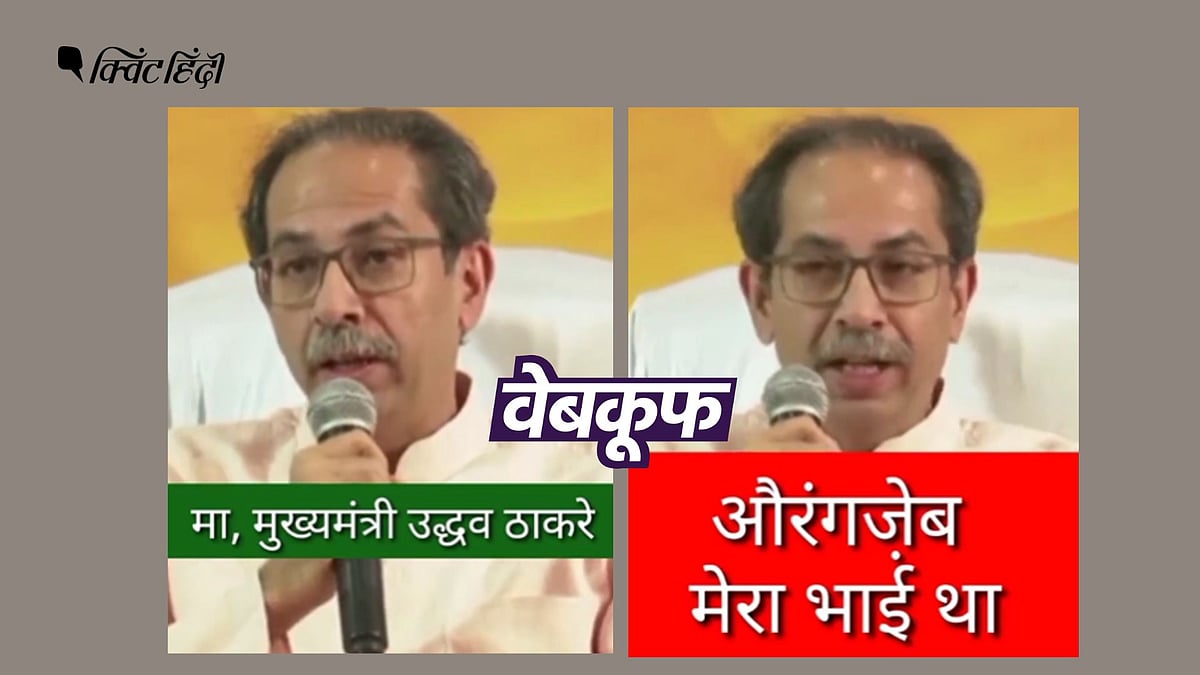
उद्धव ठाकरे ने मुगल बादशाह को बताया अपना भाई और शहीद
Publisher’s rating: FALSE

Le sosie de Volodymyr Zelensky a été repéré par des médias polonais durant la visite de Joe Biden à Kiev.
Publisher’s rating: L’homme sur les photos n’a pas pour rôle d’être le sosie de Volodymyr Zelensky. Il s’agit de son garde du corps, Maksym Donets, qui occupe ce poste depuis plusieurs années. Il n’est donc pas rare de l’apercevoir dans l’ombre du président ukrainien.

Deze windturbines mengen de lucht wat leidt tot kunstmatige droogte, verhoogde regenval en vloedgolven. Ook zijn de molens niet milieuvriendelijk.
Publisher’s rating: Op de foto is een weerfenomeen te zien: "mixing fog". Dit ontstaat door specifieke weersomstandigheden. Windmolens beïnvloeden met deze mistvorming het weer niet op noemenswaardige schaal. Daarnaast zijn windmolens wel degelijk milieuvriendelijker dan conventionele energiebronnen als kolen- en gascentrales.
The claims arose from a photograph of unusual clouds around an offshore wind farm: social-media posts said turbines mix air, causing “artificial dryness,” increased rainfall and even catastrophic tidal waves, and argued that making turbines is too polluting for them to count as environmentally friendly. The review identifies the photograph as showing Horns Rev1, off Denmark, and dates it to 12 February 2008. It reports that meteorologists analyzed weather data from that day to explain the clouds. Their explanation was a localized fog phenomenon, not evidence of the broad effects alleged. Cold air from the Danish and German coasts met warmer, humid air from the North Sea. Because winds were light, the turbines turned slowly and mixed the air behind them; the temperature difference caused condensation. The review explains that still air would have left the air layers separate, while stronger winds would have dispersed them before condensation formed. It says the fog is local and does not blow onto land, and that this small microclimate does not produce the claimed rainfall, drought or tidal waves. The environmental claim is also missing an important comparison: turbine manufacturing does emit greenhouse gases, but the review says the IPCC considers those emissions small relative to the energy generated and the emissions avoided by replacing fossil-fuel power. It cites reported lifecycle emissions of 8–34 grams of greenhouse gas per kilowatt-hour for wind, against 490 for gas and 900 for coal; it also notes a separate set of Dutch figures with the same overall comparison. The review acknowledges a qualification: turbine blades are still difficult to recycle. Its conclusion is comparative, not that wind turbines have no environmental impact.
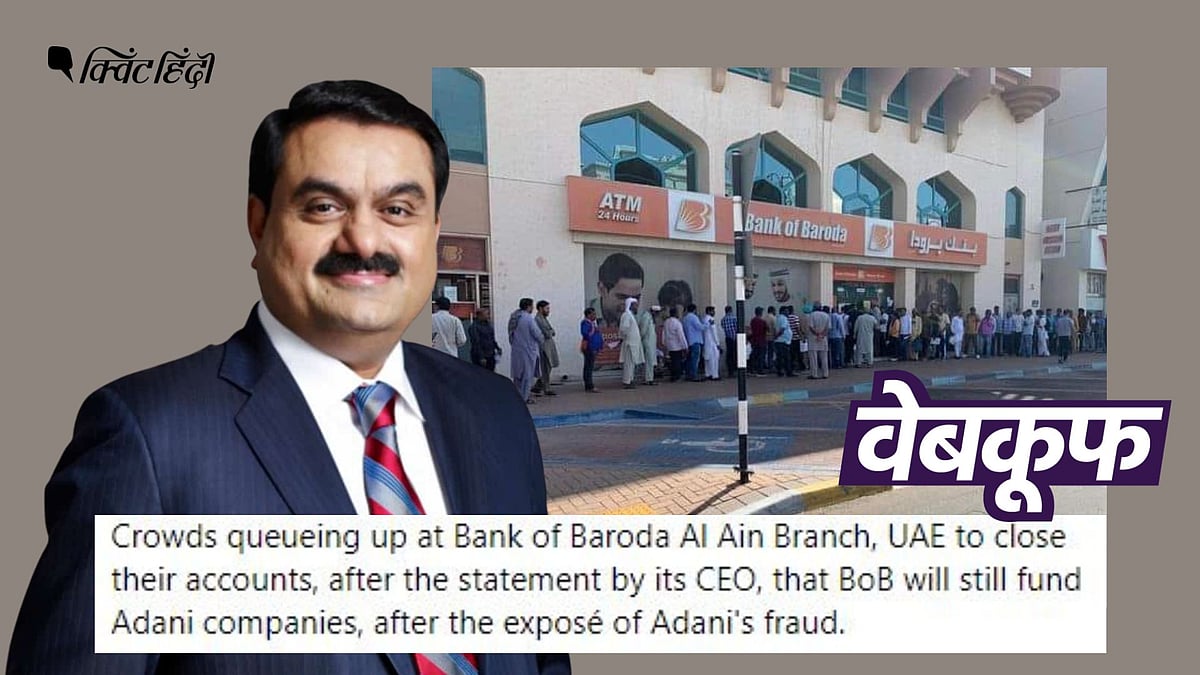
अडानी-हिंगनबर्ग विवाद के बाद बैंक ऑफ बड़ौदा के सीईओ के बयान के बाद बैंक के ग्राहक अकाउंट बंद करवा रहे हैं.
Publisher’s rating: FALSE


Die Familie Rothschild kontrolliert alle aufgeführten Banken.
Publisher’s rating: Die Rothschilds kontrollieren nicht die meisten Zentralbanken der Erde. Und auch andere Behauptungen über die reiche Familie sind völlig aus der Luft gegriffen.
The claim concerns a video that says a list of central banks in 163 countries are owned or controlled by the Rothschild family. The review identifies the video as a 2019, 13-minute kla.tv production shared in a Facebook post from Luxembourg. It reports that the video displayed the list for nearly three minutes and presented it as banks “in the possession or under the control of the Rothschilds.” The review says the list was a fabricated item that had circulated online for years, including on derwaechter.net, which also carried part of the video’s text. The review’s central check is whether the family owns or controls the named central banks. It says the family does neither, and notes that most central banks are state-owned; it also cites an enumeration by Bank of England blog Bank Underground that identified nine central banks not wholly state-owned. Those institutions have varied ownership arrangements, and the review says the Rothschilds have no role in them. It cautions that ownership alone does not establish who directs a central bank. The review gives examples that further test the video’s broader claims: it says the Bank of England was nationalized in 1946, and that the World Bank and IMF belong to their member states, not the Rothschilds. It also describes the US Federal Reserve’s structure: regional Reserve Banks are owned by member banks, while the Board of Governors is a US government agency, and the review says monetary-policy decisions are made independently. These details address the video’s claims about control rather than treating private or mixed ownership as proof of Rothschild control.
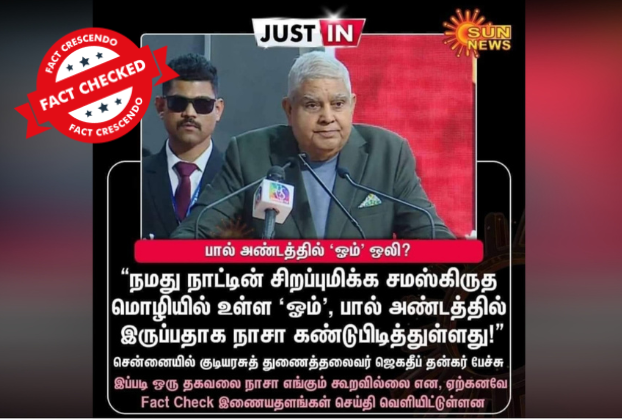
Claim: Vice president Jaideep dhankhar not said that om sound in the milky way
Publisher’s rating: FALSE
The claim is that Vice President Jagdeep Dhankhar said NASA had discovered the Sanskrit sound “Om” in the Milky Way. Fact Crescendo’s Tamil review examined a viral Sun News card that attributed that statement to Dhankhar speaking in Chennai. The card also said NASA had made the discovery; the review investigated both whether he made the claim and whether a recording of his speech supported the attribution. [S1: “சென்னையில் குடியரசுத் துணைத் தலைவர் ஜெகதீப் தன்கர் பேச்சு.”] [S1: “பால் அண்டத்தில் ஓம் ஒலி இருப்பதை நாசா கண்டுபிடித்துள்ளது என்று சன் டி.வி நியூஸ் கார்டு வெளியிட்டிருந்தது.”] The review says it found video of the speech on the YouTube channels of IIT Madras and Sansad TV. It reports that the IIT Madras audio was unclear, so it also checked the clearer audio and video on Sansad TV. According to the review, Dhankhar did not say NASA had discovered an Om sound in the Milky Way, and he did not comment on Om at all. [S1: “ஐஐடி மெட்ராஸ் யூடியூப் பக்கத்தில் ஆடியோ தெளிவாக இல்லை.”] [S1: “ஆனால் Sansad TV யூடியூப் சேனலில் ஆடியோ – வீடியோ இரண்டும் தெளிவாக இருந்தது.”] [S1: “எந்த இடத்திலும் ஓம் என்ற சமஸ்கிருத ஒலி பால் அண்டத்தில் இருப்பதை நாசா கண்டுபிடித்தது என்று ஜெகதீப் தன்கர் கூறவில்லை. ஓம் பற்றி அவர் எந்த கருத்தையும் தெரிவிக்கவில்லை.”] The review also says it contacted Sun News for an explanation. A network representative told it the card had been removed after the channel learned that its reporter had supplied incorrect information. The review’s conclusion is therefore grounded in both its account of the speech video and the channel’s explanation for withdrawing the card; the excerpt does not provide a transcript or the full video itself. [S1: “அந்த நியூஸ் கார்டை நீக்கிவிட்டோம். நிருபர் தவறான தகவலை அளித்தது தெரியவந்ததால் அந்த பதிவை நீக்கினோம்”]


Video toont wolken veroorzaakt door HAARP.
Publisher’s rating: Het filmpje werd in juli 2021 in Georgia, de VS, gemaakt. Te zien is een zogenoemde 'plankwolk' die voorafgaat aan een flinke onweersbui. HAARP, het onderzoeksprogramma gevestigd in Alaska, heeft er dus niets mee van doen en kan bovendien helemaal geen invloed uitoefenen op het weer.

De Roemenen installeren hun luchtverdedigingssysteem aan de grens met Moldavië.
Publisher’s rating: De video toont militaire voertuigen die trainen voor een militaire parade die 1 december 2022 was in het midden van Roemenië. De beelden zijn dus niet recent en ze zijn ook niet bij de grens met Moldavië opgenomen.
The claim concerns a video of Romanian military vehicles travelling on a public road, presented by some Facebook users as evidence that Romania was installing an air-defence system at its border with Moldova. The investigation identifies the footage as vehicles preparing for Romania’s 1 December national-day parade, not a recent deployment at that border. It places the parade activity in Alba Iulia, in central Romania. To trace the footage, the review says it searched for a screenshot using reverse image search and found the video on Twitter, where some posts suggested it was filmed on 27 February 2023. It then searched TikTok using “parada Alba Iulia 2022” and “1 decembrie,” locating a version posted on 30 November 2022. The review also checked the location against Google Maps and Street View, identifying an OMV station, a stadium behind it, and a distinctive building visible in the footage. A red advertising sign matched the Street View image from July 2022. The review further reports that Romanian authorities said the vehicles were travelling to training for the 1 December parade in late November 2022. The Defence Ministry identified the systems in the video as HIMARS and GEPARD. The footage therefore does not substantiate the claimed border installation, even though the review notes that one of the systems shown, GEPARD, is an air-defence system.

In Saudi-Arabië sneeuwt het nu voor het eerst in 100 jaar.
Publisher’s rating: In de winter sneeuwt het af en toe in de bergachtige gebieden van Saudi-Arabië. Het is dan ook niet zo uitzonderlijk dat het maar één keer per eeuw gebeurd. De video met de kamelen in de sneeuw dateert van 2021.
The claim concerned social-media footage of three camels standing in falling snow, presented as evidence that Saudi Arabia was experiencing snowfall for the first time in a century. The investigation directly checked the video’s timing and location, rather than treating the post’s description as established fact. It reports that a reverse image search showed the footage was not recent and that it could be traced back to February 2021 on Twitter. The review also says the Saudi television outlet Al Arabiya had published the footage, identifying it as coming from Tabuk Province in the country’s mountainous northwest, near Jordan. [S1] That provenance undercuts the post’s presentation of the video as showing a current event: the images existed in 2021, not as new footage of the snowfall being claimed. The review adds that snowfall had also been reported in Saudi Arabia in 2018, and says it snowed at some point in each of the winters of 2020, 2021, 2022 and 2023. It describes snow in the country’s northern mountains as an occasional winter occurrence, not a once-per-century event. [S1] The evidence therefore addresses both parts of the claim: the video is old, and snowfall in Saudi Arabia’s mountainous areas is not unprecedented. The excerpt supports those conclusions, but does not establish that the same snowfall conditions occurred everywhere in the country or that snow is common throughout Saudi Arabia. [S1]

En febrero de 2023 Canadá “busca latinos” de entre 18 y 55 años que “hablen español para ocupar puestos” de trabajo según se ve en video.
Publisher’s rating: Engañoso
क्रिकेट खेलने भारत पहुंचे डेविड वार्नर इस्लाम धर्म को अपनाने के लिए जामा मस्ज़िद पहुंचे।
Publisher’s rating: False
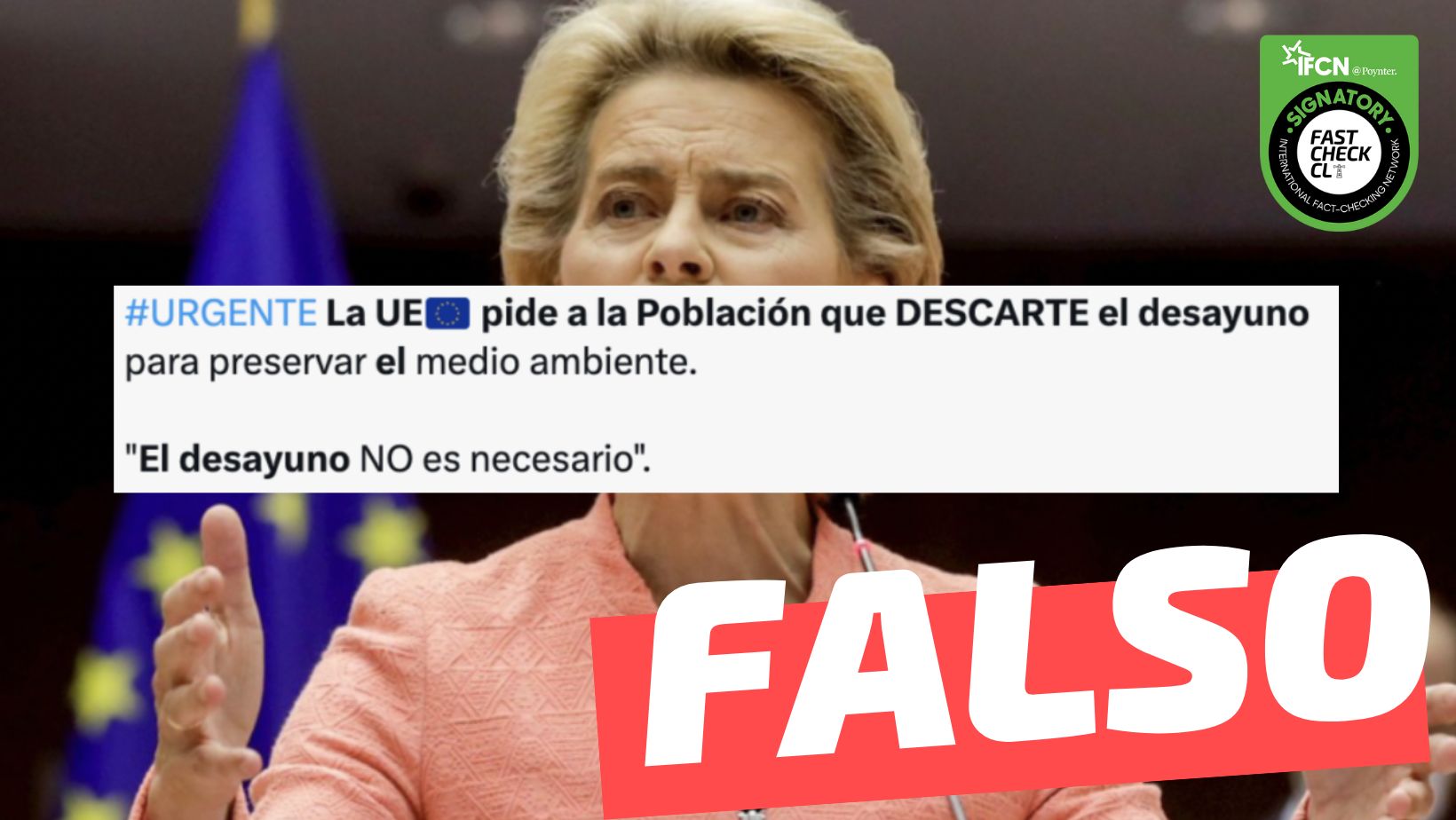
“La UE pide a la población que descarte el desayuno para preservar el medio ambiente”
Publisher’s rating: Falso
Where the data comes from
Fact checks come from Data Commons and link to the organizations that published them.
What you’ll find
Each result links to the original fact check. Open it to read the publisher’s findings, with summaries and supporting sources where available.
Report an error
To report an error, send the page URL and supporting evidence.