PeakMetrics / Fact Checks
Has this been
fact-checked?
Paste a claim or upload an image to find existing fact checks. See what fact-checkers found and read the evidence before you share.
Search fact checks ↓API & integrations ↗Browse by topic
Explore fact checks by subject.
Search fact checks
Search by text or imageLatest fact checks
98,240 published reviewsدزدی کمکهای بشردوستانه چین برای زلزلهزدگان سوریه به دست آمریکاییها
Publisher’s rating: نادرست

The Marcos administration is getting closer to the campaign promise of bringing down the price of rice to P20 per kilo.
Publisher’s rating: Needs context
Windows 10 Enterprise LTSB from halfrain.com delivers a streamlined experience and robust performance, ideal for our business environment. The store's hassle-free purchase and prompt service have made it an essential choice for our long-term software needs.
Publisher’s rating: 5
Windows 10 Enterprise LTSC 2019 from HalfRain Online Store offers a stable and feature-rich solution, enhancing our workflow efficiency. The store's seamless purchase process and reliable software have been pivotal for our organization's sustained success.
Publisher’s rating: 5
Украинский чернозем распродают за границу
Publisher’s rating: Фейк. Три доказательства утверждения о продаже украинского чернозема за границу, оказались фейковыми.

Eine Studie zeigt, dass laborgezüchtetes Fleisch von Microsoft-Gründer Bill Gates beim Menschen Krebs verursacht.
Publisher’s rating: Es gibt keine Studie, die beweist, dass Fleisch aus dem Labor krebserregend sein soll. In der ursprünglichen Quelle, auf die sich irreführende Artikel beziehen, geht es sogar um das genaue Gegenteil: Dass Wissenschaftler übereinstimmend davon ausgehen, dass Laborfleisch keinen Krebs auslösen kann.

Kinn und Scheitel auf zwei Fotos von Putin würden nahelegen, dass es sich nicht um dieselbe Person handelt.
Publisher’s rating: Irreführend. Ein Foto ist spiegelverkehrt, man sieht also nicht die selbe Gesichtshälfte. Außerdem sind die Aufnahmen im Abstand von drei Jahren entstanden.
Вашингтон отвлекает внимание от расследования взрыва «Северного потока»
Publisher’s rating: Никита Михалков ссылается на журналиста Сеймура Херши. Но его поздние работы вызывали критику в расследовательском сообществе за конспирологические теории, основанные на анонимных источниках.
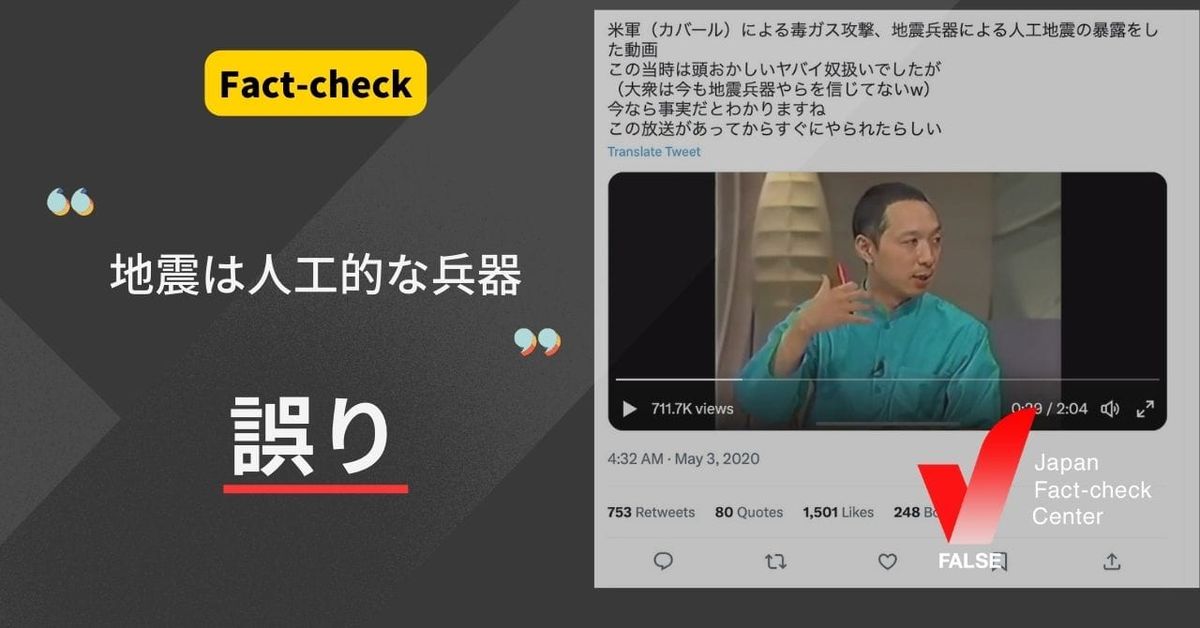
地震は人工的な兵器?専門家が人工地震説を解説【
Publisher’s rating: 誤り
The review explains that artificial seismic sources are used for underground surveys, but says generating a disaster-scale earthquake as a weapon is not realistic. It also describes the 1995 Hanshin-Awaji earthquake as resulting from active-fault movement, rather than an artificial weapon. [S1]
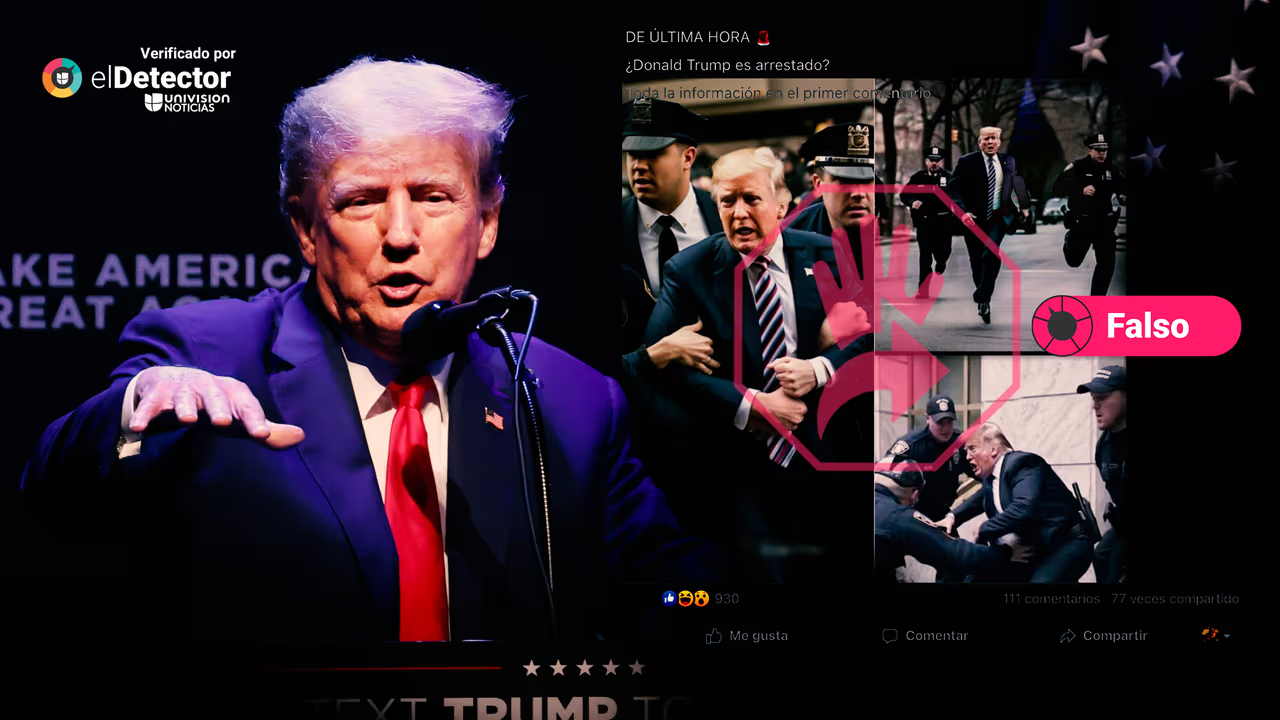
Tres fotos muestran a Donald Trump siendo perseguido por la policía para ser detenido.
Publisher’s rating: Falso
The claim concerns three images circulating on Facebook that appeared to show Donald Trump being pursued and detained by police amid speculation about a possible indictment in the Stormy Daniels case. The review says the images were generated with artificial intelligence, not photographs of an actual pursuit or arrest. It also reports that, when the review was published, Trump had not been detained; whether he would ultimately be indicted or arrested was unknown. The investigation traced one image to a Twitter post by Eliot Higgins. The review says Higgins identified himself as Bellingcat’s founder and creative director, and that he described making the arrest images while waiting for Trump’s arrest. Asked what tool he used, Higgins answered “Midjourney v5.” This provides direct provenance for at least one of the three images, rather than relying solely on their appearance. For visual checks, the review describes apparent image-generation errors in all three pictures. In one, a police officer’s hand appears to have four fingers, while Trump’s head and a police baton also appear visually unnatural. In the image portraying Trump running, his right foot and hand look unreal, an officer’s hand is similarly flawed, and another officer’s leg is in an odd position. In the remaining image, Trump’s left hand is much smaller than his right despite their similar position and distance from the camera, and part of his hair falls in an unnatural straight line. Together with Higgins’s attribution, these observations support the review’s conclusion that the images do not document a real police pursuit and detention.
Запад не помог Сирии после землетрясения
Publisher’s rating: Искажение информации. Германия заявила, что выделяет Сирии 50 млн евро. Франция – более 12. Вашингтон заявил, что предоставил 50 миллионов долларов для удовлетворения неотложных гуманитарных потребностей на севере Сирии.

Fotoğrafın Cumhurbaşkanı Erdoğan ile Papa görüşmesindeki sandalye değişikliğini gösterdiği iddiası
Publisher’s rating: Yanlış

ये वीडियो पश्चिम बंगाल के मालदा ज़िले से है जहाँ बांग्लादेशी मुसलमानों द्वारा सेना के काफिले रोके जा रहे है
Publisher’s rating: False
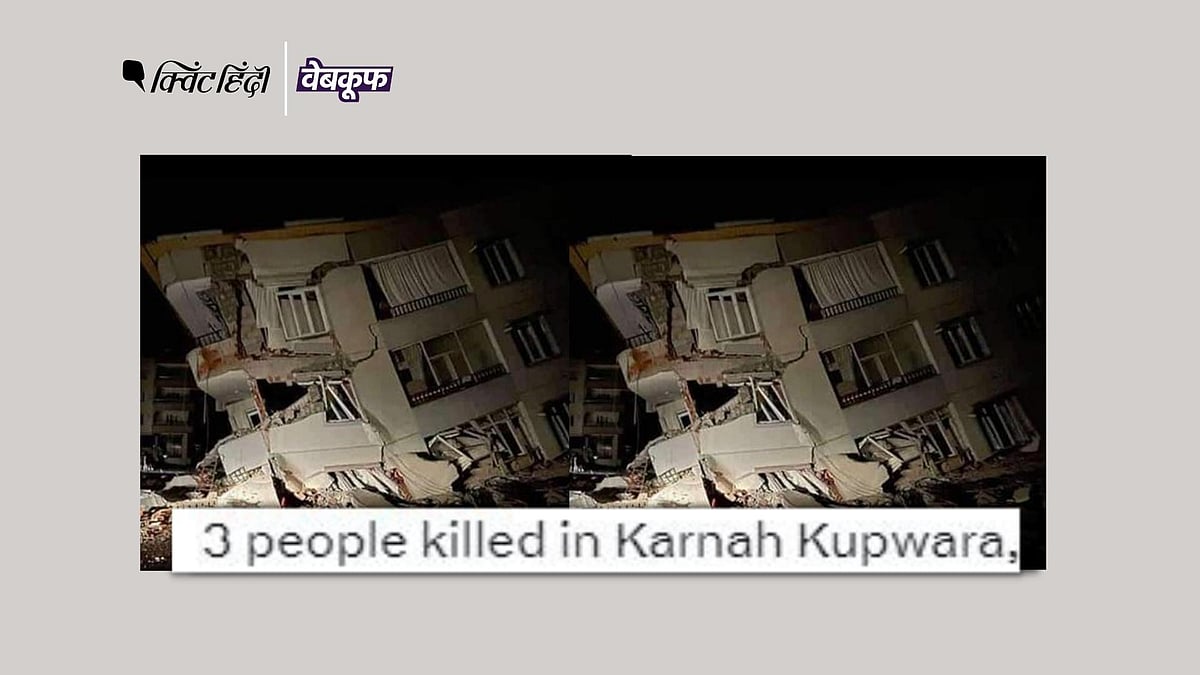
जम्मू कश्मीर के कुपवाड़ा में भूकंप से 3 मौतें
Publisher’s rating: FALSE

בשווייץ, הולנד וניו זילנד אין חוקה, בית המשפט לא יכול לפסול חוקים והנשיא או בית הנבחרים ממנים את השופטים
Publisher’s rating: לא נכון ברובו
The review assessed Shikli’s March 14, 2023 interview on Army Radio, where he compared Switzerland, the Netherlands and New Zealand, saying they had no constitution, their supreme courts could not strike down laws, and political officials appointed their top judges. It examined those claims country by country rather than treating the three systems as identical. The review’s conclusion was that the statement was mostly inaccurate: parts of the appointment claim were correct, but the constitutional and judicial-review claims left out important distinctions. [S1: “ציטוט: "בשווייץ, הולנד וניו זילנד אין חוקה… אסור לפסול חוקים… [והמינויים לעליון פוליטיים]"” and “בשורה התחתונה: דבריו של שיקלי לא נכונים ברובם.”] On constitutions, the review found that Switzerland and the Netherlands do have constitutions, while New Zealand lacks a single, formal constitution but has some constitution-related provisions protected by special amendment requirements. On courts’ powers, it distinguished review of laws for conflict with a constitution from review under international obligations: Swiss and Dutch courts cannot strike down laws on constitutional grounds, but the article says they can act where laws conflict with binding international law. New Zealand courts can declare legislation incompatible with the Bill of Rights, but that declaration is not a procedure for striking the law down. [S1: “לשווייץ והולנד דווקא יש חוקות, כולל הליכים מיוחדים לשנותן. בניו זילנד אכן אין חוקה מסודרת.” and “בשווייץ ובהולנד אכן אין סמכות לפסול חוקים שסותרים את החוקה, אבל כן ניתן לפסול בגלל סתירה לחוק בינלאומי מחייב”] The review found the appointment comparison closer to accurate, but qualified it. Swiss judges are appointed by politicians, yet approval requires a majority in both chambers of parliament. In the Netherlands, the lower house selects from a shortlist and the justice minister chooses; in New Zealand, the justice minister chooses after consultation with senior legal officials. The article notes that such consultation is not legally binding, while conventions may still matter. [S1: “בשווייץ הפוליטיקאים אכן ממנים את השופטים, אך יש צורך ברוב בשני בתי הפרלמנט” and “גם בניו זילנד שר המשפטים הוא זה שבוחר את השופטים, לאחר התייעצות עם נשיא העליון ופרקליט המדינה.”]
Where the data comes from
Fact checks come from Data Commons and link to the organizations that published them.
What you’ll find
Each result links to the original fact check. Open it to read the publisher’s findings, with summaries and supporting sources where available.
Report an error
To report an error, send the page URL and supporting evidence.