PeakMetrics / Fact Checks
Has this been
fact-checked?
Paste a claim or upload an image to find existing fact checks. See what fact-checkers found and read the evidence before you share.
Search fact checks ↓API & integrations ↗Browse by topic
Explore fact checks by subject.
Search fact checks
Search by text or imageLatest fact checks
98,240 published reviews


Las ciudades de 15 minutos buscan “encerrar” a las personas y hacer que deban pedir permisos a las autoridades para desplazarse o salir de sus lugares de residencia.
Publisher’s rating: Falso

The photo shows one of the stones used in building the Egyptian pyramids
Publisher’s rating: Misleading
The claim concerned a social-media photo of a large stone cube, said to be one of the roughly 2.3 million stones used to build the Great Pyramid. Factcrescendo Thailand reports that the post appeared in a Facebook group and that versions of the claim had circulated since 2022. The review’s conclusion is that the photographed stone is not from the Egyptian pyramids: it depicts a monolith at Baalbek, in modern-day Lebanon. To investigate the image’s origin, the review says it used reverse image search. It traced the photo to reporting about a massive block at a Baalbek quarry, and describes that block as estimated to weigh 1,200 tons. The review also reports that the image had been altered to remove writing on the monolith. That provenance and alteration matter: a photo of a stone at Baalbek does not establish that the stone was used in the construction of a pyramid in Egypt. The review distinguishes the pictured monolith from the actual building material of the Great Pyramid. It says the pyramid was built with limestone and granite from nearby sources, and cites a study describing about 2.3 million blocks of varying sizes and weights. Thus, the claim’s broad reference to millions of pyramid stones does not identify this particular image: the investigation’s image tracing places the pictured block at Baalbek, not at the pyramid construction site.
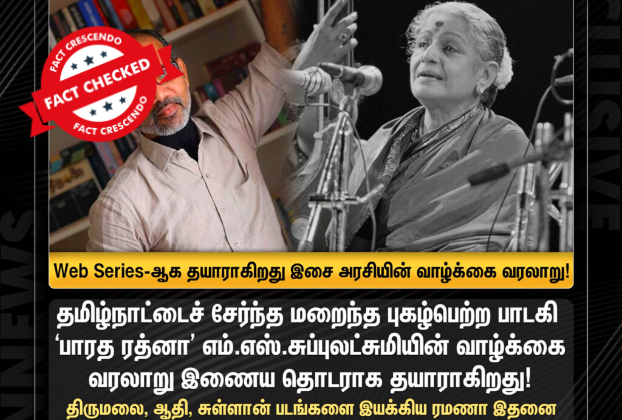
Claim: Ramana chandrasekar not directing the web series on ms subbulakshmi
Publisher’s rating: Misleading
Fact Crescendo examined social-media posts claiming that director Ramana Chandrasekar was making a web series about M.S. Subbulakshmi. The review says Sun News had reported that he would direct the series, and that the claim was subsequently shared by other outlets. It also says readers had sent the claim to the fact-checkers for verification. The central evidence reported is Ramana’s own denial: he said he had not officially announced the news and asked people not to share it. That supports the review’s conclusion that the circulating report was not reliable as an announcement that he was directing the series. The excerpt does not establish who would direct the series, or whether a series was ultimately made; it focuses on Ramana’s lack of an official announcement and his request that the claim not be circulated.

Visuals of Turkish soldiers executing contractors for their shoddy work
Publisher’s rating: FALSE
The claim attached to the video was that Turkish soldiers were executing contractors whose poor construction work had contributed to deaths after the February 2023 earthquake. FACTLY distinguishes the documented scrutiny and arrests of contractors from the separate claim of mass executions: it says that while authorities issued warrants and made arrests, “there are no such reports of mass execution of contractors in light of the recent earthquake.” To identify the footage, the review says reverse image searches of screenshots from the viral video led to reports about the same visuals in 2022. It describes those reports as identifying the people shown as Syrian military men executing civilians during Syria’s civil war, not Turkish soldiers executing contractors. The review places the scene in Tadamon, near Damascus, and says the footage depicts killings in 2013. The review traces the reporting to an investigation by the Guardian and New Lines Magazine. It reports that researchers Annsar Shahhoud and Uğur Umit Ungor received leaked video in 2019, and that the footage was reported in 2022 after authentication. Taken together, the review’s account identifies the video as earlier Syrian-war footage and finds no support for the claim that it documents executions connected to the Turkey earthquake.

یہ پاکستان میں آئے زلزلہ کایہ ویڈیو ہے۔
Publisher’s rating: MISLEADING


ఉత్తరప్రదేశ్లో RSS వాళ్ళని చంపండి అని నినాదాలు ఇచ్చిన వారిని ఆ రాష్ట్ర పోలీసులు అరెస్ట్ చేసిన దృశ్యాలు
Publisher’s rating: FALSE

Le Forum économique mondial déclare que les États-Unis doivent mettre en œuvre la « politique de l'enfant unique » pour les familles blanches.
Publisher’s rating: Cette affirmation est fausse. Le Forum économique mondial a démenti, par l'intermédiaire d'un porte-parole, avoir jamais formulé cette idée. Il n'existe par ailleurs aucune preuve que le WEF ait mené une telle campagne et ait publié un quelconque tweet en ce sens.
L’allégation examinée est que le Forum économique mondial (WEF) aurait voulu imposer aux familles blanches des États-Unis une politique de l’enfant unique, dans le cadre d’une campagne appelée « One America, one child ». L’enquête de la dpa situe l’origine de cette affirmation dans un article de Newspunch, qui lui attribuait des objectifs de promotion de la diversité, de réduction des inégalités et d’apaisement des tensions politiques. Le texte précise que Newspunch ne citait aucune source fiable pour étayer ses propos. La dpa indique avoir sollicité le WEF. Son porte-parole, Yann Zopf, a répondu que l’organisation n’avait jamais tenu de tels propos ni publié de message en ce sens sur Twitter. La vérification a aussi cherché des traces de la campagne : l’enquête rapporte qu’aucun élément la prouvant n’apparaissait sur le site officiel du WEF et qu’une recherche avancée sur Twitter n’avait donné aucun résultat probant. L’article examine également la capture d’écran présentée à l’appui de la rumeur, censée montrer un tweet du WEF affirmant que « l’Amérique doit réduire sa population caucasienne ». Selon la dpa, ce prétendu tweet n’apparaissait nulle part. L’enquête relève enfin que Newspunch n’apportait pas de source fiable et que les médias crédibles ne faisaient pas état de la campagne, sauf pour signaler son caractère trompeur. Ensemble, le démenti direct du WEF et l’absence de traces retrouvées dans les recherches décrites ne corroborent donc pas l’affirmation.

Caranguejos invadiram esteira de bagagens no aeroporto de Vitória
Publisher’s rating: Falso
ஆண் பெண்ணுக்கு அமைத்த(கட்டிய) தாஜ்மகால் போல்,பெண் ஆணுக்காக எங்காவது நினைவு சின்னம் அமைத்திருக்கிறார்களா…??? என்றால் ஆம் தாஜ்மகாலை விட பிரமாண்டமாக பெண் ஒருத்தி தன் கணவனுக்காக நினைவிடம் அமைத்து இருக்கிறாள். குஜராத் மாநிலத்தில் பதான் பகுதியை ஆட்சி செய்து வந்த சோழங்கி பரம்பரையை சேர்ந்த பீம் தேவ். அவன் இறந்த பிறகு, அவனின் நினைவாக ராணி உதயமதி பூமிக்கு அடியில் பல மீட்டர் நீளமான பள்ளம் தோண்டி கிணற்றின் வடிவிலான பிரமாண்டமான நினைவிடம் அமைத்துள்ளார், அறிவியல் விஞ்ஞானம் வளரும் முன்னரே, பல மீட்டர் நீளமான பள்ளத்தில் எப்படி கோவில் கட்டினார், கற் தூண்கள் எல்லாம் எப்படி இறக்கி கட்டப்பட்டது என்பது வியப்பாகவே உள்ளது, இது ராணி கீ வாவ் (Raani ki vav) என்று அழைக்கப்படுகிறது. ஷாஜகானுக்கு 600 வருடங்களுக்கு முன்னே ஒரு பெண் ஆணுக்காக நினைவிடம் அதுவும் பிரமாண்ட நினைவிடத்தை அமைத்தாள். அதன் காலம் கிபி 1022.
Publisher’s rating: Mix
A person with an unhealthy lifestyle is more likely to suffer from heat stroke
Publisher’s rating: Needs context
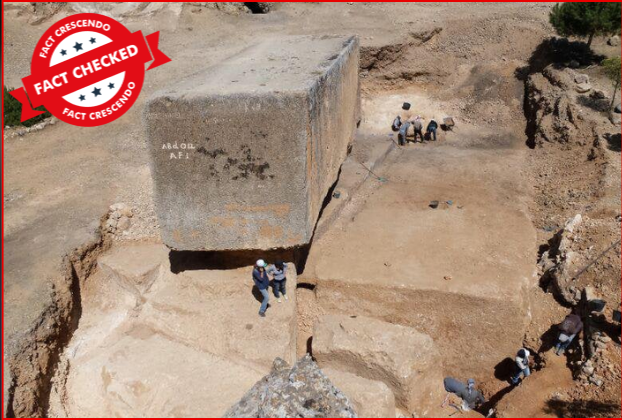
ก้อนหินขนาดยักษ์ในภาพเป็นก้อนหินที่ใช้สร้างพีระมิดในอียิปต์
Publisher’s rating: Misleading
The claim attached to the viral image was that the enormous rectangular stone shown was one of the blocks used to build Egypt’s Great Pyramid. Factcrescendo Thailand reports that the image circulated with a caption describing a block among roughly 2.3 million stones used in the pyramid, and that a Facebook post sharing the claim had nearly 100 shares and 1,800 likes within a day. The review’s conclusion is that the pictured stone is not from the pyramid. To trace the image, the reviewers say they used an image-search feature. They identify its location as Baalbek, an ancient city in Lebanon, and cite a Smithsonian Magazine article about the discovery of a giant stone in a Baalbek quarry. The review describes that stone as weighing about 1,200 tonnes—far larger than the blocks described in the viral caption—and says it is unrelated to Egypt’s pyramids. The review contrasts the image’s actual location with its account of pyramid construction. It says the pyramids were built from limestone and granite quarried nearby and transported to the construction site. Citing a 2020 study of the Great Pyramid by Hemeda and Sonbol, it gives an approximate construction start of 2550 BCE and describes blocks of varying dimensions and weights: lower courses used larger blocks, while smaller ones were used higher up. These details do not make the Baalbek stone a pyramid block; they reinforce that the image’s claimed identity and location are wrong.

The alerts will be used to collect personal user data, such as location or IMEI number, which is used to identify mobile phones.
Publisher’s rating: False: The Government’s emergency alert system is one-way, and will not be used to collect personal information.

A Statement Issued By The UN Regarding Organ Trafficking In Middle East Region!
Publisher’s rating: False
The review investigated a WhatsApp forward circulating in Sri Lanka that presented a purported “UNITED NATIONS ALERT.” It claimed that a booming Middle East black market for organs was linked to fake overseas job agencies, which allegedly lured applicants abroad and killed them for their body parts. The review’s conclusion is that the UN did not issue the claimed warning about such a scheme targeting prospective foreign workers. To check the message’s attribution, the publisher tried the UNODC web address included in the forward and found that it returned a 404 error. It also checked archived versions of that address and searched official UN sites using relevant keywords; it reported finding no associated UN warning. The review further reports that UNODC Pakistan told AFP the message did not originate from UNODC and contained outdated information unrelated to its current activities. The review also describes a related claim circulating in Nigeria, in which an International Organization for Migration official was said to have warned Nigerians about organ trafficking. According to the review, that official told the BBC he had not made the statement and that the social-media posts were fake. The review distinguishes this from human trafficking: it says the official described helping hundreds of Nigerians who had been victims of human trafficking, but not organ-transplant scams. Thus, the evidence presented challenges the message’s claimed UN attribution and its specific organ-harvesting warning; it does not deny the separate human-trafficking cases mentioned in the reporting.

2023 ఏప్రిల్ నెలలో దేశంలోని అన్నీ ప్రభుత్వ, ప్రైవేటు బ్యాంకులు 15 రోజులు సెలవులు తీసుకోనున్నాయి
Publisher’s rating: MISLEADING

Where the data comes from
Fact checks come from Data Commons and link to the organizations that published them.
What you’ll find
Each result links to the original fact check. Open it to read the publisher’s findings, with summaries and supporting sources where available.
Report an error
To report an error, send the page URL and supporting evidence.