PeakMetrics / Fact Checks
Has this been
fact-checked?
Paste a claim or upload an image to find existing fact checks. See what fact-checkers found and read the evidence before you share.
Search fact checks ↓API & integrations ↗Browse by topic
Explore fact checks by subject.
Search fact checks
Search by text or imageLatest fact checks
98,240 published reviews
ಹಿಮಾಲಯದಲ್ಲಿ 400 ವರ್ಷಗಳಿಗೊಮ್ಮೆ ಅರಳುವ ಪಗೋಡ/ಮಹಾಮೇರು ಹೂವಿನ ವಿಡಿಯೋ.
Publisher’s rating: FALSE
The Indonesian navy has blown up a Chinese vessel illegally fishing in their country’s waters
Publisher’s rating: False

در نوروز امسال با رشد ۷۰ درصدی حضور مخاطب در سینما مواجه بودیم.
Publisher’s rating: نادرست

Walmart instaló cámaras para “poder identificarte” y limitar la venta de productos como carne, huevos y lácteos
Publisher’s rating: Falso


Vídeo mostra que Alexandre de Moraes foi exonerado do TSE em 2023
Publisher’s rating: Falso

Dit is een echte foto van Julian Assange.
Publisher’s rating: De afbeelding is geen foto, maar is met kunstmatige intelligentie (AI) gegenereerd. Degene die de afbeelding heeft gemaakt, geeft zelf aan dat hij dit met AI (Artificial Intelligence) heeft gedaan. De vrouw van Assange bevestigt dat de afbeelding geen foto, maar een AI-creatie is.
The image circulated on Facebook as a depiction of Julian Assange in a visibly weakened state, supposedly reflecting his treatment in prison. The investigation traced a watermark on the image—“Photo property of ‘E’”—to the Twitter account The Errant Friend, whose owner had posted other AI-generated images. That provenance pointed to the person who made the image rather than to a photograph documenting Assange’s condition. The creator confirmed to the German newspaper Bild that he generated the image using Midjourney. He said he wanted to create an image based on documented events concerning Assange, noting that Assange’s absence from public view meant audiences could not see what had happened to him. Assange’s wife also told Bild that the image was not a genuine photograph of her husband, but an AI-made fake. These direct statements address the specific image, not merely the general possibility that AI can create realistic pictures. The review also noted a visual clue: the image appears to show a partly blurred nose piercing, which it says Assange does not have. The image’s creator and Assange’s wife provide the decisive evidence; the visual detail is additional support. The investigation distinguishes the image’s fabricated nature from the separately documented concerns about Assange’s mental and physical health.
This picture is when Manmohan Singh was the Prime Minister and was on a visit to Bangladesh as per the protocol Manmohan Singh was supposed to sit with the Prime Minister of Bangladesh but on the seat where Prime Minister Manmohan Singh was supposed to sit there is a modest Member of Parliament Antonio Maino aka Sonia Gandhi
Publisher’s rating: Fake
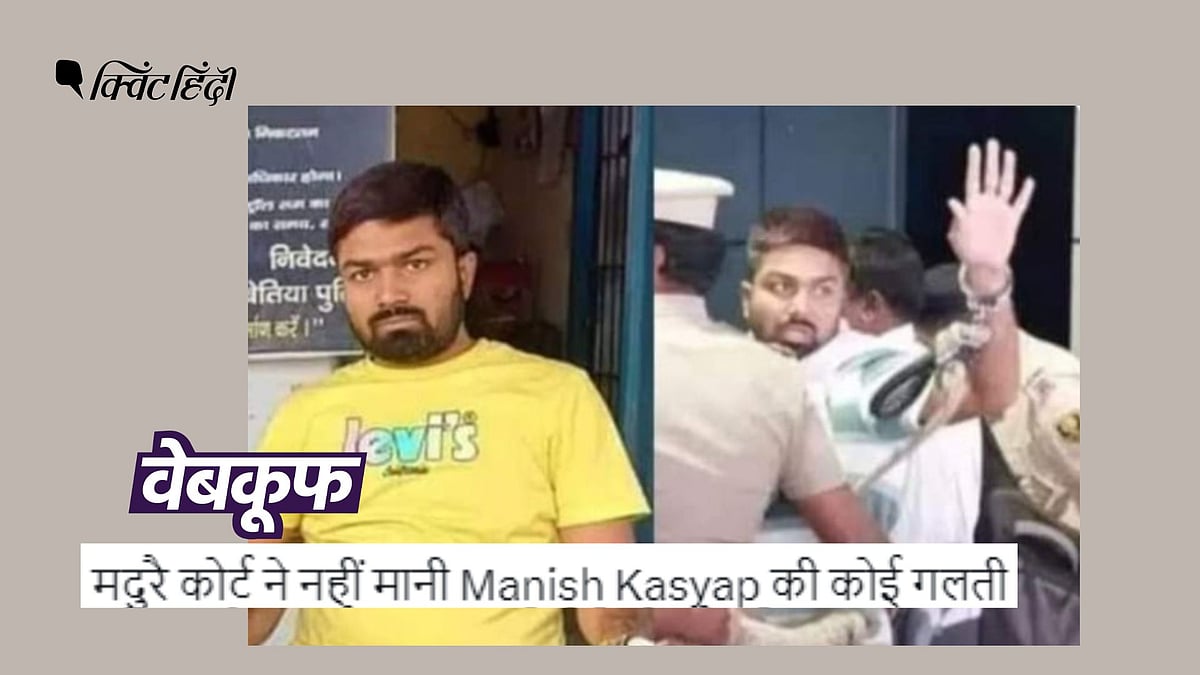
तमिलनाडु की मदुरई कोर्ट ने मनीष कश्यप को क्लीन चिट दी.
Publisher’s rating: FALSE

Een Londense galerie haalt het Arnolfini portret van Jan van Eyck weg omdat de man in het schilderij op Poetin lijkt.
Publisher’s rating: Het schilderij is niet weggehaald uit de National Gallery in Londen. Een woordvoerder van het museum bevestigt dat daar ook geen plannen voor zijn.

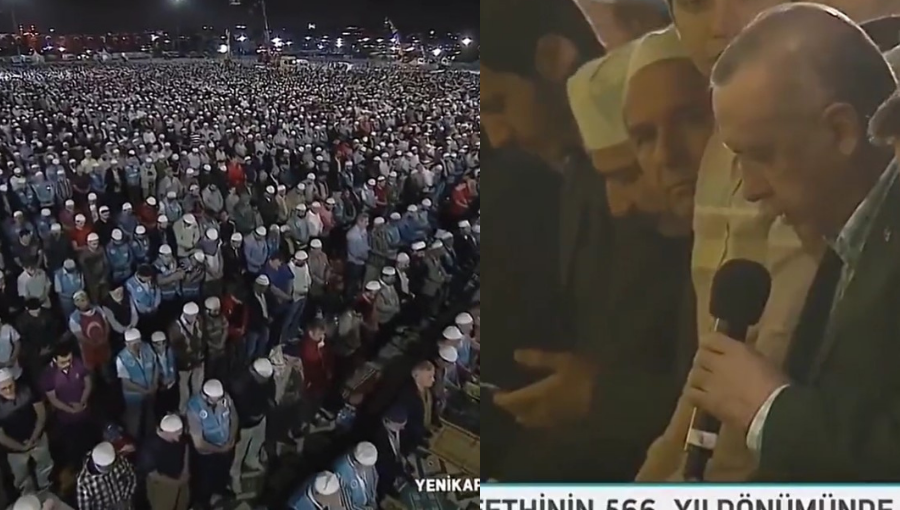
Yenikapı Meydanı’nda kılınan teravih namazı görüntülerinin güncel olduğu iddiası
Publisher’s rating: Yanlış

ఒక ఆంధ్ర నాయకుడికి సంబంధించిన విలాసవంతమైన ఇంటి ఫోటోలు
Publisher’s rating: FALSE

1947లో జవహర్ లాల్ నెహ్రూ అప్పటి విధ్యా శాఖ మంత్రి అబ్దుల్ కలాం ఆజాద్ కోసం ఏర్పాటు చేసిన మొదటి ఇఫ్తార్ విందులో తీసిన చిత్రం
Publisher’s rating: FALSE

बिहार के पूर्णिया में रामनवमी के मौके पर निकाली गई भगवान राम की शोभायात्रा में शामिल लाखों लोगों का वीडियो
Publisher’s rating: FALSE

ಸಾಯಿಬಾಬಾ ಅವರ ರೂಬಿಕ್ಸ್ ಕ್ಯೂಬ್ ಮೊಸಾಯಿಕ್ ಅನ್ನು ಚಿತ್ರಿಸಿ ಗಿನ್ನೆಸ್ ಬುಕ್ ಆಫ್ ವರ್ಲ್ಡ್ ರೆಕಾರ್ಡ್ಸ್ನ ಸೇರಿದ ವೀಡಿಯೊ.
Publisher’s rating: FALSE

Where the data comes from
Fact checks come from Data Commons and link to the organizations that published them.
What you’ll find
Each result links to the original fact check. Open it to read the publisher’s findings, with summaries and supporting sources where available.
Report an error
To report an error, send the page URL and supporting evidence.