PeakMetrics / Fact Checks
Has this been
fact-checked?
Paste a claim or upload an image to find existing fact checks. See what fact-checkers found and read the evidence before you share.
Search fact checks ↓API & integrations ↗Browse by topic
Explore fact checks by subject.
Search fact checks
Search by text or imageLatest fact checks
98,240 published reviews
The search of Mar-a-Lago was an "illegal and unconstitutional raid."
Publisher’s rating: This is wrong.
"As president, I have the right to declassify documents, and the process is automatic. If I take them with me, it’s automatic. Declassified."
Publisher’s rating: The courts disagree
"I have a Trump-hating judge …. whose daughter worked for Kamala Harris and now receives money from the Biden-Harris campaign."
Publisher’s rating: Omits complete story
"Biden is obstructing by making it impossible to get the 1,850 boxes" of documents.
Publisher’s rating: This is unsupported
Says Manhattan District Attorney Alvin Bragg is a "George Soros-backed prosecutor."
Publisher’s rating: That's an oversimplification
"Under the (Presidential Records) Act, I am supposed to negotiate with NARA, the National Archives and Records Administration."
Publisher’s rating: This is inaccurate
"Biden was vice president. He had absolutely no right to declassify as vice president."
Publisher’s rating: This is largely wrong

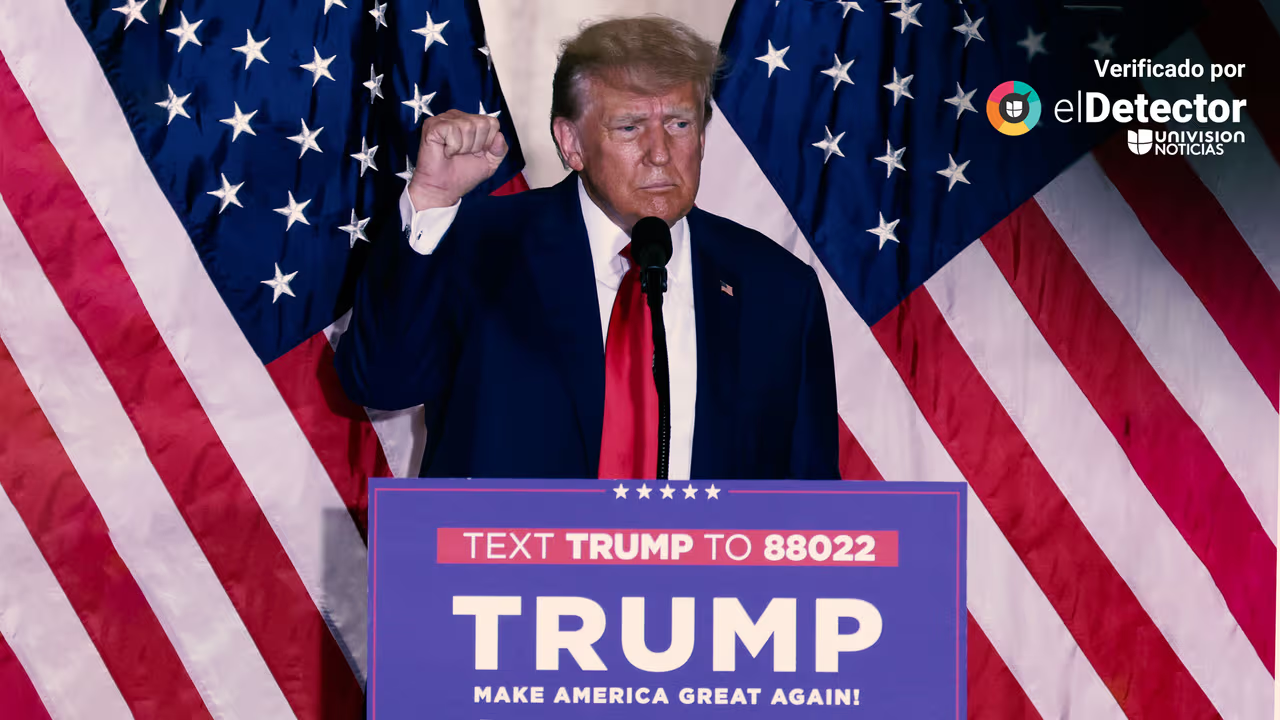
“Tengo un juez que odia a Trump con una esposa y una familia que odia a Trump, cuya hija trabajó para Kamala Harris”.
Publisher’s rating: Falta contexto
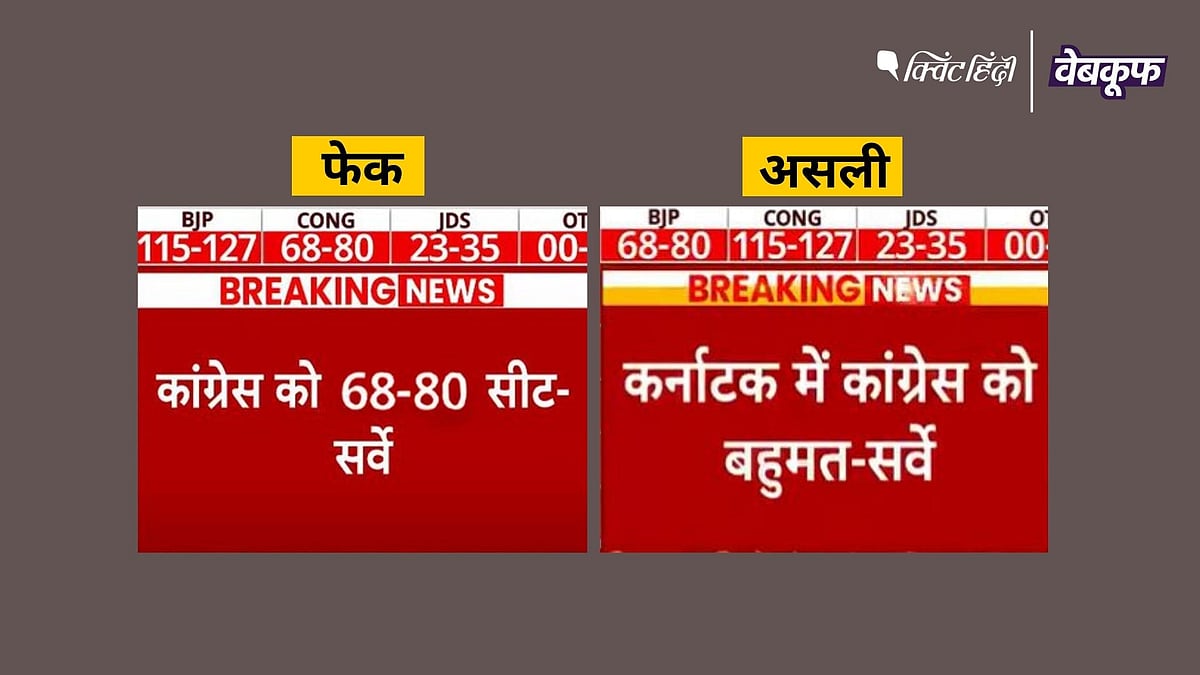
ABP News और C-Voter के ओपिनियन पोल में बीजेपी को कर्नाटक चुनाव में बहुमत मिलता दिखाया गया है
Publisher’s rating: FALSE


Fotoğrafın Kemal Kılıçdaroğlu’nun Ramazan ayında rakı içtiğini gösterdiği iddiası
Publisher’s rating: Yanlış
“Las amenazas abiertas de varios países sobre el uso de armas nucleares, algo nunca mencionado [...] durante la administración de Trump, en lo que podría muy bien conducir, bajo el liderazgo [...] de Biden, a una Tercera Guerra Mundial nuclear”.
Publisher’s rating: Falta contexto

“Esta interferencia electoral generalizada a una escala que nunca se ha visto antes en nuestro país. Comenzando con el fiscal de Nueva York Alvin Bragg respaldado por el izquierdista radical George Soros”.
Publisher’s rating: Engañoso


In Impfungen für Neugeborene ist Quecksilber enthalten und Antibiotika sind feindlich für die menschliche Biologie.
Publisher’s rating: In Säuglings- oder Kinderimpfungen ist in Deutschland kein Quecksilber enthalten. Irreführend ist auch die Darstellung, Antibiotika seien grundsätzlich schädlich für den menschlichen Organismus.
The review examines claims made in a Facebook video: that mercury is given to newborns through vaccines and that antibiotics are hostile to human biology and therefore harmful to children who take them. It addresses both claims directly, rather than a different vaccine or antibiotic allegation. The review reports that Germany’s childhood vaccines do not contain mercury, while describing the claim that antibiotics are inherently harmful as misleading. For the mercury claim, the review cites statements from the Robert Koch Institute and the Federal Centre for Health Education that childhood vaccines are mercury-free or no longer contain mercury. It also reports that the Paul-Ehrlich-Institut says vaccines currently authorized in Germany are free of thiomersal, a mercury compound, and supplied as prefilled syringes. The review distinguishes those childhood vaccines from certain pandemic or prepandemic influenza vaccines in multidose containers, which it says may contain thiomersal; it says these are not used for seasonal flu vaccination. For antibiotics, the review explains that they treat infections and have saved lives, so describing them as categorically opposed to human biology omits their medical benefit. It also notes a qualification: frequent antibiotic use, including in hospitals and livestock farming, contributes to resistant bacteria. The review says patients should take antibiotics as prescribed by a doctor, including for the appropriate duration.
Where the data comes from
Fact checks come from Data Commons and link to the organizations that published them.
What you’ll find
Each result links to the original fact check. Open it to read the publisher’s findings, with summaries and supporting sources where available.
Report an error
To report an error, send the page URL and supporting evidence.