PeakMetrics / Fact Checks
Has this been
fact-checked?
Paste a claim or upload an image to find existing fact checks. See what fact-checkers found and read the evidence before you share.
Search fact checks ↓API & integrations ↗Browse by topic
Explore fact checks by subject.
Search fact checks
Search by text or imageLatest fact checks
98,240 published reviews
Jogo Daycare: The Story motivou ataque em creche de Blumenau
Publisher’s rating: Falso


Old interview video showing Narendra Modi admitting that he studied only up to matriculation in high school
Publisher’s rating: MISLEADING

உண்மை, உண்மை, உண்மை தவிர வேறு இல்லை என்று நினைக்கிறேன்! நான்..See More. ‘ஸ்டெர்லைட் நிறுவனத்திடம் பணம்பெற்ற அரசியல் தலைவர்கள் பெயர் பட்டியல் வெளியீட்டது. திரு.பா.சிதம்பரம் – 66 கோடி; திரு.மு.க.ஸ்டாலின் – 54 கோடி; திரு.வை.கோபால்சாமி – 52 கோடி; திருமதி. கீதா ஜீவன் – 22 கோடி; திரு.தா.பாண்டியன் – 8 கோடி; திருமதி. சசிகலா புஷ்பா – 3 கோடி; தூத்துக்குடி கிறிஸ்தவ கூட்டமைப்பு – 17 கோடி; – ஸ்டெர்லைட் நிர்வாகம்’.
Publisher’s rating: Fake
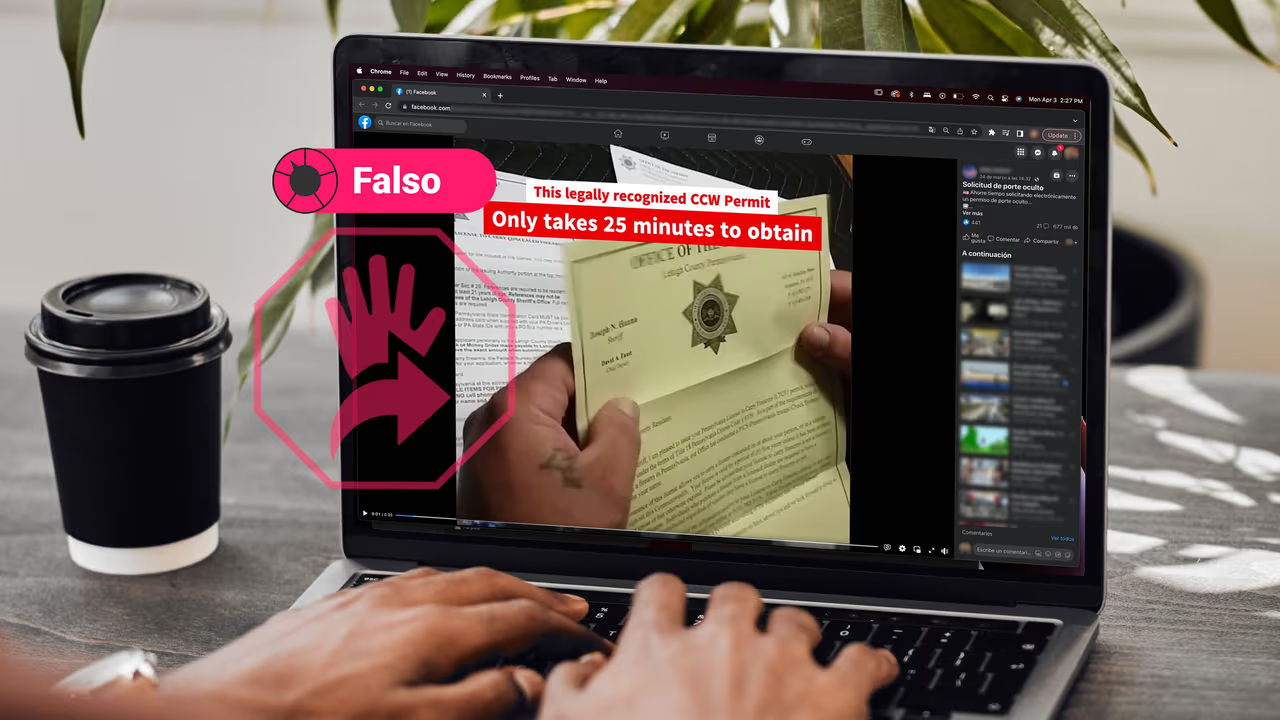
"Todos” los residentes en Estados Unidos pueden obtener en menos de 25 minutos un permiso para portar un arma de fuego oculta.
Publisher’s rating: Falso
The claim concerns a Facebook video saying that all U.S. residents could obtain a concealed-carry permit in under 25 minutes because of “recent changes.” The review describes the video as 35 seconds long and says its audio promoted a fast-track permit in 2023; the accompanying message claimed the process could be completed from home in less than 25 minutes. The review’s conclusion addresses that specific claim, rather than a general claim about how quickly people can buy firearms. The review explains that the federal government and the Bureau of Alcohol, Tobacco, Firearms and Explosives do not issue a concealed-carry permit valid nationwide. It quotes ATF public-affairs official Erik Longnecker saying that each state regulates its own firearms laws within federal limits. The article reports that 25 states and Washington, D.C., required permits at the time, while 25 states did not, subject to their own state-law requirements. It also notes that Florida’s permitless-carry law, signed April 3, was to take effect July 1, 2023. The review’s evidence on timing further contradicts the video’s universal under-25-minute promise: permit processing depends on the state or county, and the article gives examples ranging from at least eight weeks in New York to about 45 days in Nebraska and Virginia. It also describes required background checks and firearms training in permit-requiring states, with course lengths varying by location. Taken together, the account shows that there was no single federal permit or nationwide process matching the video’s claim, and that permit requirements and processing times differ by jurisdiction.

Homem que matou crianças em creche de Blumenau é eleitor de Lula e “fez o L”
Publisher’s rating: Falso

Kudüs’te çekilen videonun güncel olduğu iddiası
Publisher’s rating: Yanlış
The claim concerns a video showing a young man praying in Jerusalem, circulated while events at Al-Aqsa Mosque were in the news. The review says that sharing the video in that setting created the impression that the footage was current, and it investigated whether it came from the latest Al-Aqsa crisis. Its finding is that the video was recorded in 2017, not during that crisis. The review also notes that protests and clashes had taken place in the same area in 2017, providing context for why older footage could appear relevant to current events. To check the video’s date, the investigators took a screenshot and ran a reverse image search. They report finding the same image in news sites from 2017, and say that photographs of the moment when the young man prayed were also available in AFP’s photo archive. Taken together, those findings support the review’s conclusion that the circulated video was old footage presented amid a later crisis, rather than a recording of that crisis.

Görseldeki Range Rover marka lüks aracın Ülkü İnce’ye ait olduğu iddiası
Publisher’s rating: Yanlış
ये वीडियो पाकिस्तान में राम नवमी के अवसर पर निकाली गयी भगवान राम के झांकी का है।
Publisher’s rating: False

නාමල් සහ මහින්දානන්ද සමග ඡායාරූපවල සිටින්නේ එකම පුද්ගලයාද?
Publisher’s rating: False


An Image Of The Extremely Rare “April Snow” Tree In China!
Publisher’s rating: False

Au Nigeria, l'eau potable est disponible avec des cartes d'identité.
Publisher’s rating: La vidéo a été tournée au Malawi, et non au Nigeria. Elle montre un distributeur d'eau installé dans le cadre du projet eMadzi. Les résidents peuvent acheter de l'eau via ce distributeur automatique toute la journée à l'aide d'une carte prépayée. Ils ne doivent pas utiliser leur carte d'identité.
The claim says that drinking water is available in Nigeria through identity cards, using a video of a woman scanning a card at a dispenser as evidence. The investigation examined that video and reports that it was filmed in Malawi, not Nigeria, and shows a dispenser installed through the eMadzi project. Residents use a prepaid card to buy water; the review says an identity card is not required. This directly contradicts both the claimed location and the claimed type of card. (S1: “La vidéo a été tournée au Malawi, et non au Nigeria. Elle montre un distributeur d'eau installé dans le cadre du projet eMadzi. Les résidents peuvent acheter de l'eau via ce distributeur automatique toute la journée à l'aide d'une carte prépayée. Ils ne doivent pas utiliser leur carte d'identité.”) The article describes how it checked the video: a zoom at its end makes the words “Projet eMadzi” and “iMoSyS” legible. Searching those terms led the investigators to initiatives in Malawi, and they found the same video on the iTap website. The review identifies iTap as the system through which people without piped water at home can access drinking water throughout the day. (S1: “À la fin de la vidéo, un zoom sur le distributeur d’eau permet de lire les mots « Projet eMadzi » et « iMoSyS ». Une recherche de ces termes mène à des initiatives mises en place au Malawi - bien loin du Nigeria.”; S1: “On retrouve d’ailleurs la vidéo relayée sur les réseaux sociaux sur le site d’iTap.”; S1: “Grâce à ce projet opéré par la compagnie iMoSyS, les résidents qui ne disposent pas de l’eau courante chez eux peuvent avoir accès à de l’eau potable toute la journée, via un système appelé iTap.”) The review also explains the purpose and operation of the card system: users can load the prepaid card in advance, and the project aims to make water more accessible and less expensive than in a conventional shop. It says the machines were not presented as a means of rationing water or controlling people through identity documents. (S1: “Le paiement de l’eau via le système iMoSyS se fait à l’aide d’une carte prépayée, qui peut se charger au préalable. Il n’est pas requis de scanner sa carte d’identité.”; S1: “L’idée n’est ainsi pas de rationner l’eau, mais de la rendre plus accessible. Le projet eMadzi a aussi pour ambition d’offrir aux résidents une eau à un prix meilleur marché que celui proposé dans un magasin classique.”)

మూడు సంవత్సరాల పాటు షూటింగ్ చేసిన పాటకు సంబంధించిన వీడియో
Publisher’s rating: FALSE

Video beweist dass alles was man aus der Ukraine sieht inszeniert ist.
Publisher’s rating: Die - durchaus inszenierten - Videoaufnahmen stammen von den Dreharbeiten einer Kurzfilmproduktion über den Krieg, die 2023 in Lettland stattfanden. Solche Filme sind kein Beweis für eine Inszenierung des Krieges in der Ukraine.
The claim concerns a short video showing Ukrainian soldiers, explosions and a camera crew. It was shared with the assertion that everything seen from Ukraine has “a set and a sequence.” The review distinguishes what the footage can establish from that much broader conclusion: it identifies the clip as staged filming, but says that this does not show that real war footage from Ukraine is staged. [S1]
وزارت دفاع توانسته با استفاده از توان داخلی و شرکتهای دانشبنیان، نخستین هواپیمای ترابری را طراحی کرده و بسازد.
Publisher’s rating: گمراهکننده
எகிப்து பிரமிடுகள் கீழ் இந்து கோவில்கள் சிவலிங்கங்கள்! இந்துவும் பிறந்தது புண்ணியம்!
Publisher’s rating: Fake
Where the data comes from
Fact checks come from Data Commons and link to the organizations that published them.
What you’ll find
Each result links to the original fact check. Open it to read the publisher’s findings, with summaries and supporting sources where available.
Report an error
To report an error, send the page URL and supporting evidence.