PeakMetrics / Fact Checks
Has this been
fact-checked?
Paste a claim or upload an image to find existing fact checks. See what fact-checkers found and read the evidence before you share.
Search fact checks ↓API & integrations ↗Browse by topic
Explore fact checks by subject.
Search fact checks
Search by text or imageLatest fact checks
98,240 published reviews

The song “Mere Angane Mein” was originally from a 19th-century movie called ‘Miss Sheela’ (1883)
Publisher’s rating: FALSE
The claim under review is that “Mere Angane Mein” originated in a film called “Miss Sheela,” supposedly released in 1883. FACTLY says it searched film-related websites for a Hindi film by that name and found no evidence that such a film was released in 1883. The review also places the date in the context of Indian film and recording history: it identifies “Alam Ara” as India’s first talkie, released in 1931, and says the gramophone patent came in 1887, while India’s first gramophone voice recording took place in 1902. On that chronology, an 1883 film with songs recorded on gramophone records is implausible. For the song’s provenance, the review reports that “Mere Angane Mein” appeared in “Bombay Talkie” (1970), “Maze Le Lo” (1975), and “Laawaris” (1981), and that sources it consulted describe it as a traditional folk song popular in Uttar Pradesh and other regions. It does not identify a specific original folk performer or establish when the song first existed, so those details remain unresolved in the excerpt. The review also offers a possible explanation for the “Miss Sheela” and “1883” association: it says the name may refer to the singer and the number to a record’s matrix number, rather than a film title and release year. This is presented as a likelihood, not a confirmed identification. FACTLY says it had contacted gramophone-record experts for further information; the supplied text does not include their response. Its central conclusion is therefore that the alleged film origin is unsupported, while the folk-song account is the explanation the review reports from its research.

भाजपा की विजय यात्रा को घर तक छोड़ने जाती कर्नाटक की जनता।
Publisher’s rating: False

एबीपी न्यूज के इस ओपिनियन पोल के मुताबिक आगामी राजस्थान विधानसभा चुनाव में अशोक गहलोत लोगों की पहली पसंद हैं।
Publisher’s rating: Misleading

Kathedraal komt van kathode.
Publisher’s rating: Het woord kathedraal is niet afkomstig van kathode. De twee hebben dan ook niets met elkaar te maken. De woorden lijken op elkaar omdat ze beide de Griekse grondvorm 'kata' hebben, wat 'neer' betekent.
The review investigates a Facebook post claiming that “kathedraal” (cathedral) derives from “kathode,” and that cathedrals were originally structures for generating electricity. The etymology described in the article does not support that claim: a cathedral is a church containing a cathedra, or bishop’s seat, and the article traces “cathedra” to Greek words for “down” and “seat.” It says the presence of the bishop’s seat identifies the central church of a diocese. The apparent similarity between the two words has a narrower explanation. The article says both contain the Greek element “kata,” meaning “down,” but gives different second elements: “hedra,” meaning seat or sitting place, for “cathedraal”; and “hodos,” meaning way or road, for “kathode.” It reports that Michael Faraday used “kathode” in a scientific publication in 1834, in the context of research on electrical current. Thus, the shared element does not establish that one word derives from the other, nor that cathedrals were built as electrical devices. The review also places the claim in the context of a Tataria conspiracy theory alleging that an earlier civilization generated free energy through monumental buildings. It notes that the claim about cathedral terminology is not supported by the word’s stated history, and adds that the article says older cathedrals’ builders and stylistic development are known. Its discussion therefore addresses both the word-origin claim and the related interpretation of cathedrals as energy-generating structures.
در کتابهای درسی ژاپن برای نشان دادن نابودی فرهنگ و اقتصاد یک کشور توسط دیکتاتوری مذهبی ایران را مثال زده شده است.
Publisher’s rating: شاخدار
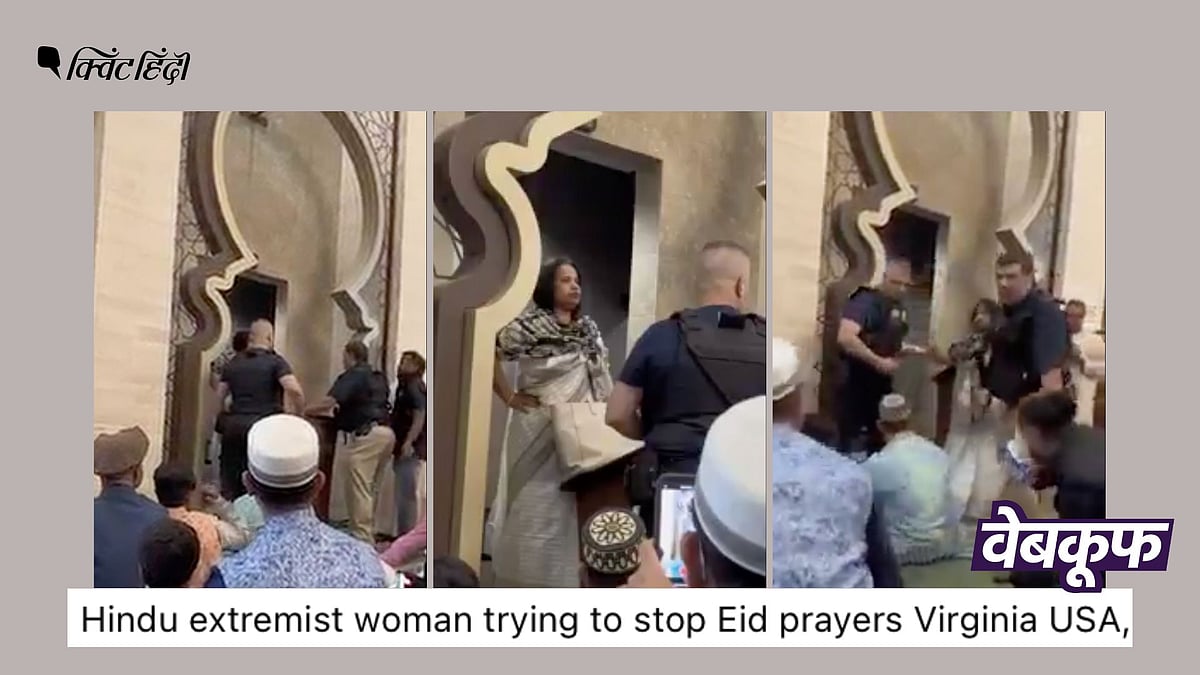
अमेरिका के वर्जीनिया में ईद की नमाज के दौरान हिंदू समुदाय की महिला ने मस्जिद में हंगामा किया
Publisher’s rating: FALSE

පාස්කු ඉරුදින ත්රස්ත ප්රහාරය දිනයේ, උදෑසන දේව මෙහෙයට කාදිනල් හිමිපාණන් සහභාගී නොවුණේ ඇයි?
Publisher’s rating: False


महिला अधिकारी कोर्ट का ऑर्डर न मानते हुये उस आदमी की ज़मीन पर बुलडोजर चलवा रही है
Publisher’s rating: Partly False
The history of Kun Khmer (Cambodina martial arts) has been popular since 1926 when 120557 spectaculors attending the event.
Publisher’s rating: Misleading

BJP to get absolute majority – 140+ seats as per BBC survey. There are about 4.92 crores beneficiaries of various flag ship schemes of Modijee in Karnataka. Even if BJP consolidate 3 crores of beneficiaries vote, BJP is done with 140+ seats. 150 is also possible.
Publisher’s rating: Fake

Abdul was making arrangements for Eid … Jaipur. Today’s event! #EidUlFitr #EidMubarak #ParshuramJayanti #parshuramjanmotsav
Publisher’s rating: Misleading


Tuíte em que o deputado federal Osmar Terra (MDB-RS) publica títulos de reportagens da BBC News Brasil, da Associação Médica Brasileira e do G1 e escreve: “Mas não foi só a vacina Astrazeneca retirada da vacinação pelo Ministério da Saúde. A Jansen e a Coronavac também foram. Falta de eficácia e efeitos colaterais com risco, foram alegados. Na verdade não haviam completado os testes quando foram autorizadas pela Anvisa, de forma emergencial. Parte da fase 3 de testagem, foi feito direta em toda população, sem ter ideia ainda do que aconteceria…É isso?”.
Publisher’s rating: Enganoso
The investigation concerns a tweet by federal deputy Osmar Terra that used headlines from BBC News Brasil, the Brazilian Medical Association (AMB) and G1 to suggest that the AstraZeneca, Janssen and CoronaVac vaccines had been withdrawn because of poor efficacy or dangerous side effects, and had been authorized before testing was complete. The article identifies what each headline actually covered and finds that the tweet presented those reports in a way that changed their meaning. The BBC report addressed the Ministry of Health’s recommendation and production decisions concerning AstraZeneca. As the article quotes that report, the interruption was “nada tem a ver com a eficácia,” but was connected to a possible increased risk of thrombosis after vaccination; the Ministry also contemplated using the vaccine if other options were unavailable. The fact-check further says a government document published in April stated that AstraZeneca remained indicated for people aged 40 and over. The AMB headline, meanwhile, concerned the absence of a Ministry request for Butantan to produce more CoronaVac—not withdrawal from the campaign. The article says the Ministry planned to use Butantan-produced doses for children and had contracted to acquire 2.6 million doses. The G1 headline referred to a 2021 suspension of AstraZeneca vaccination for pregnant women, not a general withdrawal of the three vaccines. The source reports that vaccination for all pregnant women resumed in July 2021, with CoronaVac or Pfizer recommended. It also cites Fiocruz’s statement that AstraZeneca continued to be considered safe and effective and that its production agreement remained in force. The evidence described in the article therefore addresses the specific headlines and shows why they do not support Terra’s broader claims about vaccine withdrawal, efficacy or incomplete testing.

Where the data comes from
Fact checks come from Data Commons and link to the organizations that published them.
What you’ll find
Each result links to the original fact check. Open it to read the publisher’s findings, with summaries and supporting sources where available.
Report an error
To report an error, send the page URL and supporting evidence.