PeakMetrics / Fact Checks
Has this been
fact-checked?
Paste a claim or upload an image to find existing fact checks. See what fact-checkers found and read the evidence before you share.
Search fact checks ↓API & integrations ↗Browse by topic
Explore fact checks by subject.
Search fact checks
Search by text or imageLatest fact checks
98,240 published reviews
De NASA geeft toe dat de klimaatverandering natuurlijk is en veroorzaakt wordt door de zon.
Publisher’s rating: De NASA heeft niet beweerd dat de opwarming van de aarde door de zon veroorzaakt wordt. Integendeel: de NASA toont juist aan dat de zon niet verantwoordelijk is voor de snel stijgende temperatuur op aarde van de laatste decennia. Die opwarming is toch echt door de mens beïnvloed.


वीडियो कर्नाटक का है। वहां रैली के दौरान पीएम मोदी चाय पीने पहुंचे थे।
Publisher’s rating: False


Video of a Muslim man draping a saree for a Hindu woman at her wedding
Publisher’s rating: FALSE
পাকিস্তানে মৃত নারীদের ধর্ষণ থেকে রক্ষা করতে কবরে তালা দেয়া হচ্ছে
Publisher’s rating: মিথ্যা
۴۱ هزار بازمانده از تحصیل داریم که در ۶ ماه گذشته ۵۰ درصد آنها به چرخه تحصیل بازگشتند.
Publisher’s rating: نادرست

एक राष्ट्र, एक उपाए, इस “मोदी हटाओ” वीडियो को देखिए जो कर्नाटक में काफी वायरल है।”
Publisher’s rating: Altered

2024లో మన దేశానికి కాబోయే ప్రధానమంత్రి రాహుల్ గాంధీ గారే – రతన్ టాటా
Publisher’s rating: FALSE
राजस्थान के चूरू में एक धर्म विशेष के युवक ने हिंदू ट्रैफिक पुलिसवाले को धमकी दी। इस वीडियो को सांप्रदायिक दावे के साथ शेयर किया जा रहा है।
Publisher’s rating: False

शंघाई के डिज्नीलैंड में डांस करते रोबोट का वीडियो
Publisher’s rating: FALSE

Vacina contra gripe e contra Covid-19 vem com o vírus do câncer
Publisher’s rating: Falso

Photo showing a female grave locked with an iron grill to avoid rape in Pakistan
Publisher’s rating: MISLEADING
The post used a photograph of a grave covered by an iron grill to suggest that families in Pakistan were locking their daughters’ graves to prevent rape. The review distinguishes that image claim from separate reporting about necrophilia in Pakistan: it says reports of those cases exist, but the photograph does not depict a grave there. Instead, the review locates it in the Madannapet area of Hyderabad, Telangana, India. This makes the image misleading as evidence for the post’s Pakistan claim. To identify the location and explanation for the grill, the review says it found local media reports about the graveyard in Rein Bazaar, Madannapet. Those reports had spoken with people concerned at the graveyard. According to the review’s account of them, a man had locked his family member’s grave because people were digging into old graves and burying other bodies without permission. The review also reports that the grave was around 1.5–2 years old and was near the gate, where the grill was intended to prevent people from walking on it. The review says Google Street View also showed the grill at the location. It further notes that Indian news outlets had reused the Hyderabad grave photograph while reporting on Pakistan, which helps explain how the image could be presented with the wrong location. The evidence described therefore supports a distinction: reporting about grave protections and necrophilia in Pakistan does not establish that this particular photograph came from Pakistan or showed a daughter’s grave protected against rape.
अमित शाह ने कर्नाटक की भाजपा सरकार को भ्रष्ट सरकार करार दिया था।
Publisher’s rating: Missing Context
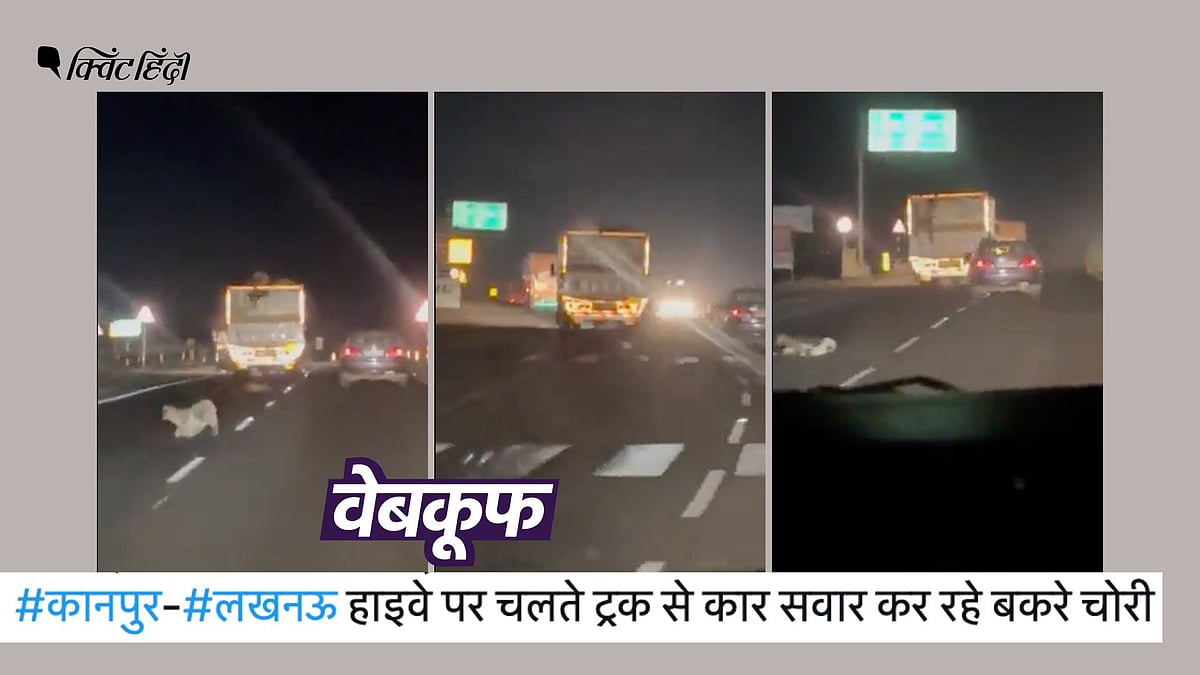
यूपी में कानपुर-उन्नाव हाईवे में चलते ट्रक से बकरे फेंकने का वीडियो
Publisher’s rating: FALSE
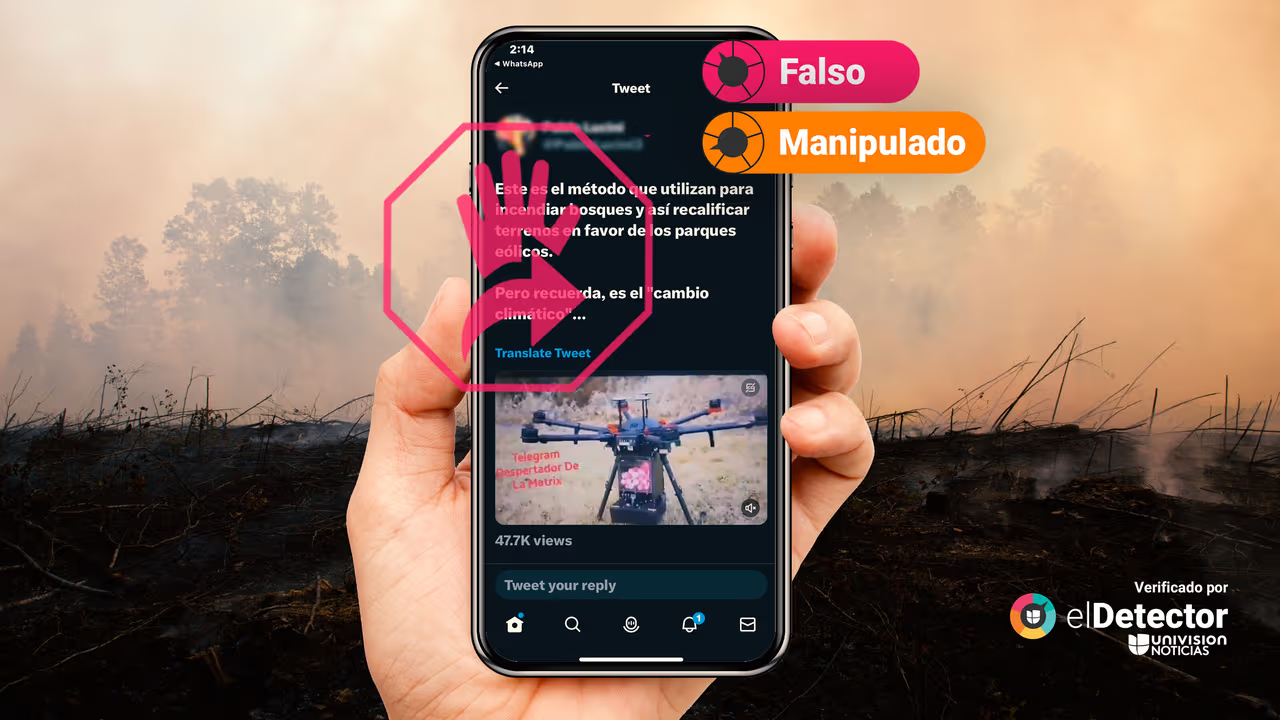
Drones del video adjunto son utilizados para “incendiar bosques” con el objetivo de “recalificar terrenos en favor de los parques eólicos”.
Publisher’s rating: Falso / Manipulado

Die MMA-Kämpferin Fallon Fox soll zwei ihrer Gegnerinnen den Schädel gebrochen haben. Das Bild zeigt eine davon.
Publisher’s rating: Fallon Fox ist nie gegen Kay Hansen, die Kämpferin auf dem zweiten Foto, angetreten.

BBCがコロナワクチンが超過死亡を引き起したと認めた
Publisher’s rating: 誤り
The review says the claim was based on a People’s Voice article, but found no evidence in the cited material that BBC admitted vaccines caused excess deaths. It reports that BBC instead said statistical data showed no causal relationship between COVID-19 vaccines and excess deaths. [S1]

Zonnecrème, niet de zon zelf, veroorzaakt huidkanker.
Publisher’s rating: Zonnebrandcrème is veilig en beschermt de huid tegen zonneschade en huidkanker, zeker in combinatie met andere vormen van bescherming. Hoewel zonnestralen zorgen dat we vitamine D aanmaken, hebben we geen uren aan onbeschermde tijd in de zon nodig om daarvan genoeg te krijgen.
The review addresses a video claiming that sunscreen is harmful to skin and causes cancer instead of the sun. It identifies the man in the video as Andreas Moritz, a German writer on alternative medicine who died in 2012. The review’s account distinguishes the video’s allegation from the evidence it presents about ultraviolet (UV) exposure and sunscreen ingredients. [S1] The review explains that both UVA and UVB rays reach the skin and can cause damage. It notes that sunburn is the skin’s response to UV rays and that getting sunburned increases the chance of skin cancer. Sunscreen can reduce UV damage, but the review also qualifies the evidence: the effectiveness of sunscreen specifically in preventing melanoma is less clear, citing a 2019 review study. It therefore presents sunscreen as one part of sun protection, not as a substitute for limiting time in strong sun or wearing protective clothing. [S1] On the allegation that sunscreen itself causes cancer, the review says sunscreen ingredients are subject to European regulation and strict checks, and states that they are not carcinogenic. It notes a qualification: there is still uncertainty about the long-term safety of some nano-ingredients as used in products, and more research is needed. It also distinguishes concerns about certain UV filters’ effects on marine ecosystems from claims about human cancer. The review further says there is no evidence that sunscreen use substantially worsens vitamin D production, or that vitamin D deficiency is linked to skin cancer. [S1]
Where the data comes from
Fact checks come from Data Commons and link to the organizations that published them.
What you’ll find
Each result links to the original fact check. Open it to read the publisher’s findings, with summaries and supporting sources where available.
Report an error
To report an error, send the page URL and supporting evidence.