PeakMetrics / Fact Checks
Has this been
fact-checked?
Paste a claim or upload an image to find existing fact checks. See what fact-checkers found and read the evidence before you share.
Search fact checks ↓API & integrations ↗Browse by topic
Explore fact checks by subject.
Search fact checks
Search by text or imageLatest fact checks
98,233 published reviews"[O Brasil] tem a matriz energética mais limpa do planeta”
Publisher’s rating: Falso

An auto driver was thrashed for voting for the BJP in the recently held assembly elections in Karnataka
Publisher’s rating: FALSE
The viral claim concerned an auto driver whose damaged auto appeared in a video circulating from Karnataka. It alleged that he had been thrashed for voting for the BJP in the state’s recent assembly elections. The review identifies the driver as Harish Rao Gorpade and places the incident in Shimoga. It explains that early reports repeated a political explanation for the damage, but that Rao later gave a different account. According to the review, Rao clarified to media that he had not been assaulted for voting for the BJP and had never claimed that he was. He said he and three Muslim friends had gone to a bar, where a fight among the friends led to damage to the auto’s top and glass. He went to the district SP office to report the damage. The review also notes that his friend Aamir, rather than Rao, had described the attack as politically motivated, and that Rao distanced himself from that statement. The key distinction is between the early account and Rao’s later clarification: the video and vehicle damage were real, but the review says Rao attributed the damage to a dispute among friends, not political violence over his vote. It therefore concludes that the viral post’s explanation of the incident was false.

Este video evidencia que la prensa brasileña realizó un despacho sobre el fraude en las elecciones de Paraguay.
Publisher’s rating: Falso

La empresa nacional Antofagasta Minerals ha abierto el acceso a la plataforma de inversión a todos los ciudadanos.
Publisher’s rating: Falso

உலகின் மிகப் பெரிய சர்வதேச விமான நிலையம் உத்தரப் பிரதேச மாநிலத்தில் 916 சதுர மைல்கள் பரப்பளவில் அமைய இருக்கிறது.
Publisher’s rating: Sarcasm

Porter des lunettes de soleil peut provoquer un cancer de la peau.
Publisher’s rating: Il n'existe aucune preuve selon laquelle porter une paire de lunettes de soleil provoquerait un cancer de la peau. Cette théorie a été démentie par un expert en dermatologie contacté par la dpa. Les rayons UV peuvent être dangereux pour les yeux et il faut s'en protéger, notamment en portant des lunettes de soleil.
The dpa review investigates a Facebook post claiming that sunglasses could lead to skin cancer. The post’s proposed mechanism was that wearing sunglasses disrupts brain glands and the skin’s preparation for sun exposure, while also blocking UV rays and preventing their energy from passing through. The review reports that the claim is not scientifically established and says Thomas Damsin, deputy head of clinic in the dermatology department at Liège University Hospital, told dpa that wearing sunglasses cannot cause skin cancer. The review also addresses the post’s vitamin D argument: Damsin says vitamin D production does not require exposing the eyes to sunlight. It explains that vitamin D can be obtained through food or sun exposure, and that the amount of sun exposure needed varies with skin colour. The review’s account therefore distinguishes the skin’s vitamin D production from the post’s unsupported claim that sunglasses prevent it by shielding the eyes. The article does not suggest that UV exposure is harmless. It says UVA and UVB can harm the eyes and cites the World Health Organization’s recommendation to wear wraparound sunglasses offering 99–100% protection against UVA and UVB. It also describes sunglasses as one of several protective measures against UV-related eye effects. That context runs counter to the post’s portrayal of sunglasses as a cause of skin cancer.
Victory of Congress: The Chief Minister has not even taken oath yet and this is the situation in Karnataka.
Publisher’s rating: False
“(...) Porque [temos] a maior taxa de juros do planeta”
Publisher’s rating: Verdadeiro

ये वीडियो कर्नाटक का है जहां पर बुर्का पहने लोगों की एक समूह ने पुलिस पर पथराव किया।
Publisher’s rating: False

Video of Muslims celebrating the Congress party’s victory in the 2023 Karnataka assembly elections by slaughtering a cow on a BJP flag
Publisher’s rating: FALSE
The claim links the video of a cow being slaughtered on a BJP flag to Muslims celebrating Congress’s victory in the May 2023 Karnataka assembly elections. FACTLY’s review identifies the footage instead with an incident in Lilong, Manipur, on 30 January 2022. It says the incident followed the denial of BJP election tickets to certain local leaders ahead of the 2022 Manipur assembly elections, and that their followers protested and engaged in violence. The review describes two checks: a reverse image search of keyframes from the circulating video, which found the footage in circulation since January 2022, and searches for contemporaneous reporting. It says reports from The Times of India, The Hindu, and the Imphal Free Press place the cow slaughter and abuse of Manipur’s Chief Minister and the state BJP president in Lilong on 30 January 2022. The review therefore distinguishes the video’s documented Manipur setting from the later Karnataka election claim. FACTLY also reports that police registered a case and arrested three people it identifies as Nazbul Hussain, Abdul Rashid, and Arif Khan. Its account connects the footage to agitation over BJP candidate selection in Manipur—not to celebrations of Congress’s victory in Karnataka. The reviewed excerpt gives the incident date, location, and election context; it does not provide the underlying news articles or case documents in full.
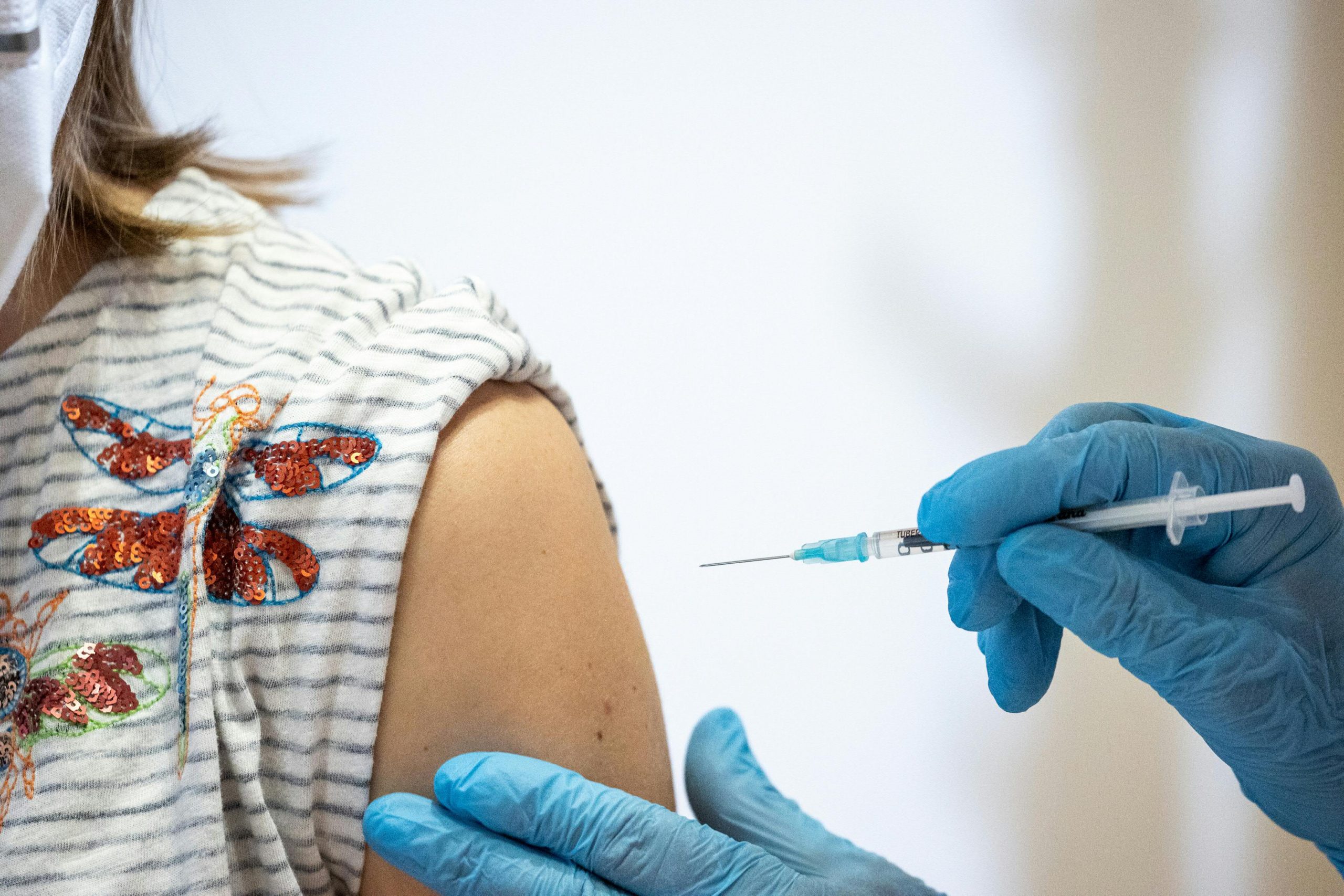
Corona-Impfung ist für Schwangere sowie Stillende und deren Babys nicht sicher
Publisher’s rating: Die Daten lassen diesen Schluss nicht zu. Studien namhafter Fachzeitschriften aus den Jahren 2021 und 2022 identifizierten für Schwangere, die die Corona-Impfung erhalten hatten, keine Sicherheitsbedenken. Die Impfung wird unter anderem von der US-Gesundheitsbehörde CDC und der Österreichischen Gesellschaft für Gynäkologie und Geburtshilfe (OEGGG) empfohlen.

Recent video of a Hindu woman thrashing a Muslim man accusing him of harassment after the release of ‘The Kerala Story’ movie
Publisher’s rating: MISLEADING
The claim presents the video as recent and as evidence of a change among Hindu women after the release of The Kerala Story. FACTLY traced the footage to a different, earlier incident in Madikeri, Karnataka, and concluded that it was falsely linked to the film. The review describes the incident as involving a married woman, her husband and police confronting a youth who allegedly sent her vulgar or lewd messages. It names the accused as Mohammed Mudasir, a Muslim man who worked in a mobile shop in Madikeri. The excerpt does not establish the woman’s religion, so it does not independently verify that detail of the claim. FACTLY reports that a reverse image search of screenshots found a video with similar visuals posted by the media channel NEWJ on 25 September 2020, and says multiple news websites reported the incident in 2020. This earlier provenance and reporting place the footage years before the film-related claim and support the review’s conclusion that the video does not show a recent event prompted by the film’s release.
கர்நாடகாவில் பாடப்புத்தகங்களில் இனி சாவர்க்கர் பாடம் கிழித்து எறியப்படும்.. இன்னும் பதவியே ஏற்கவில்லை அதற்குள் சரவெடி..
Publisher’s rating: Misleading
pasteurized milk is harmful for humans
Publisher’s rating: False
Research from related reporting distinguishes the claim that pasteurization makes milk harmful from two different issues: possible health concerns about cow’s milk itself, and foodborne risks from milk that has not been pasteurized. The excerpts do not provide a comprehensive review of every possible health effect, but they do not establish that pasteurized milk is harmful. One article argues that cow’s milk may pose health risks because of naturally occurring components, including hormones, and separately describes lactose intolerance. Its discussion explicitly concerns milk itself, rather than harm caused by pasteurization. Another article says appropriately administered pasteurization kills harmful bacteria without affecting milk’s nutritional value and makes foodborne illness less likely. That evidence supports a safety benefit against pathogens, not a claim that the process makes milk harmful. The excerpts therefore support a narrower conclusion than a sweeping claim about every health effect: they describe specific concerns about milk’s composition and lactose, but do not attribute those concerns to pasteurization. The reporting on raw milk also distinguishes unpasteurized products, which can retain harmful bacteria, from pasteurized milk. These excerpts are not a complete assessment of all health outcomes, so they cannot settle every possible question about milk consumption.
कुण्डा में राजा भैया के प्रत्याशी की करारी हार, सपा की सीमा यादव पत्नी गुलशन यादव बनीं चेयरमैन।
Publisher’s rating: False

walnuts improve sperm quality
Publisher’s rating: Mostly false
Related reporting discusses walnuts as one part of a fertility-supportive diet, but the supplied excerpts do not show that eating walnuts by itself improves sperm quality. One article names walnuts among omega-3 sources and says omega-3 fats support sperm membranes and are associated with reproductive protection. Another says nuts, including walnuts, help support sperm health. Neither excerpt describes a walnut-specific trial or reports measured sperm outcomes from walnut consumption. The distinction matters: these reports describe nutrient-based reasoning and broader dietary claims, not direct evidence that walnuts cause a measurable improvement in sperm quality. The evidence provided therefore supports a possible role for walnuts within a healthy diet, but does not substantiate the stronger, standalone claim that walnuts improve sperm quality.

De aarde staat niet 150 miljoen kilometer afstand van de zon, maar de zon zweeft vlak boven de wolken, zo bewijzen crepusculaire stralen.
Publisher’s rating: De aarde staat weldegelijk op ongeveer 150 miljoen kilometer van de zon. Het feit dat zonnestralen soms niet parallel aan elkaar lijken te lopen, komt door het perspectief van de waarnemer op aarde. In feite lopen die zonnestralen wel parallel aan elkaar.

కేరళ తీరంలో పట్టుబడిన రూ. 25 వేల కోట్లు విలువైన మాదకద్రవ్యాల సరఫరాలో కేరళ కమ్యూనిస్ట్ ప్రభుత్వం హస్తం ఉంది
Publisher’s rating: FALSE
Acrtors Hrithik Roshan, Salman Khan and Akshay Kumar extend their support to Imran Khan against his arrest.
Publisher’s rating: Fake
Where the data comes from
Fact checks come from Data Commons and link to the organizations that published them.
What you’ll find
Each result links to the original fact check. Open it to read the publisher’s findings, with summaries and supporting sources where available.
Report an error
To report an error, send the page URL and supporting evidence.