PeakMetrics / Fact Checks
Has this been
fact-checked?
Paste a claim or upload an image to find existing fact checks. See what fact-checkers found and read the evidence before you share.
Search fact checks ↓API & integrations ↗Browse by topic
Explore fact checks by subject.
Search fact checks
Search by text or imageLatest fact checks
98,233 published reviews
Esta imagen muestra cómo los migrantes viajan a EE.UU.
Publisher’s rating: Falso

Video of a man stripping his trousers after the phone in his back pocket exploded after he farted
Publisher’s rating: FALSE
FACTLY examined a social-media video claimed to show a man stripping off his trousers because a phone in his back pocket exploded after he farted. Its review identifies the scene instead as an incident at OR Tambo International Airport in South Africa: the device was a power bank, and the reported cause was overheating—not a fart. The review’s conclusion is that the video does not show a phone explosion caused by human farting. [S1: “The video shared in the post shows an old incident of a man stripping down his pants after a power bank in his pocket caught fire at the OR Tambo International Airport in South Africa. The power bank explosion was reportedly caused because of overheating.”] The review says it used reverse image searches on screenshots from the post. It found a video with similar visuals published by the Independent news website on 09 March 2020. That report described a man stripping down to his pants at the airport after an electronic device in his pocket caught fire because of excessive heating. FACTLY also says reports identified the man as Lwando Mashiamahle and described the device as a power bank in his trouser pocket that overheated and burst into flames. [S1: “On reverse image search of the screenshots shared in the post, a video with similar visuals was found published by the ‘Independent’ news website on 09 March 2020.”] [S1: “As per the reports, Lwando Mashiamahle was waiting for his girlfriend, who was queuing to buy a plane ticket, when a power bank in his trouser pocket overheated and burst into flames.”] The review distinguishes the general claim that gases in some farts are combustible from the cause of this particular incident. It notes that methane and hydrogen in bacteria-produced farts are flammable, and that rare intestinal-surgery explosions have been reported, but says neither point explains the airport video. The evidence presented instead attributes the fire in the scene to an overheating power bank. [S1: “The methane and hydrogen gases in bacteria-produced farts, also called flatulence, are flammable.”] [S1: “But the accident shown in the video was not caused because of human farting.”]

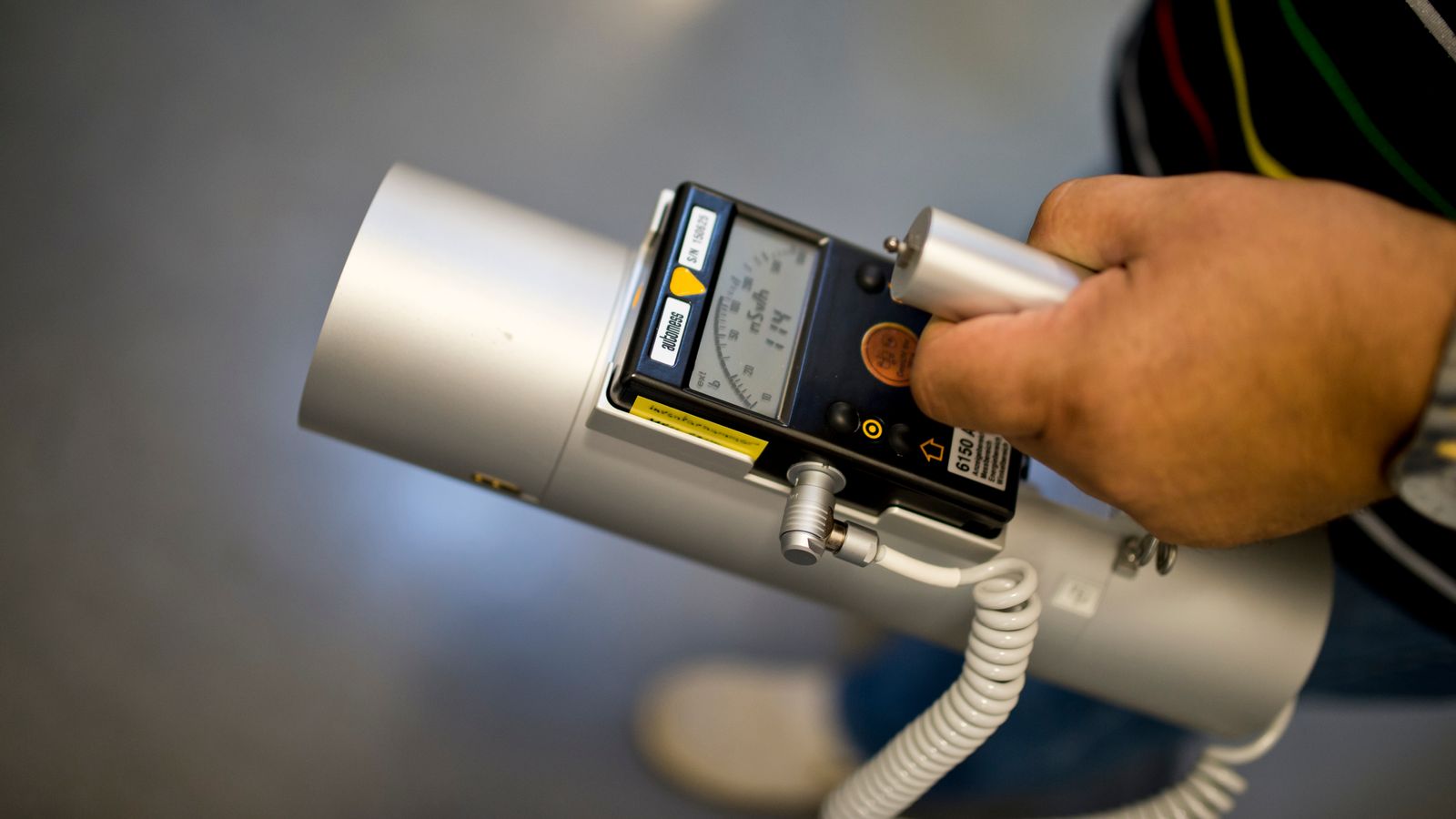
Eine "radioaktive Wolke" bewege sich nach einer Explosion im ukrainischen Chmelnyzkyj auf Westeuropa zu.
Publisher’s rating: Falschbehauptung. Es gibt keine Hinweise auf erhöhte Radioaktivität in der Ukraine, in Polen oder Westeuropa. Es gibt keine Belege dafür, dass Munition mit abgereicherten Uran zerstört wurde.

Este video muestra la erupción del volcán Popocatépetl, en México
Publisher’s rating: Falso

The Philippines has a 107M population with 60% in the labor force
Publisher’s rating: False

Video muestra a cardiólogo atacado por representantes de la industria farmacéutica, en un programa de televisión, tras revelar “la verdad sobre el colesterol”.
Publisher’s rating: Falso
A partir de amanhã, às 05h27, vivenciaremos o FENÔMENO APHELION, onde a Terra estará muito distante do Sol. Não podemos ver o fenômeno, mas podemos sentir seu impacto. Isso vai durar até agosto. [...] A distância da Terra ao Sol é de 5 minutos-luz ou 90.000.000 km. O fenômeno do afélio a 152.000.000 km. 66% a mais
Publisher’s rating: Falso
कर्नाटक चुनाव जितने के बाद कांग्रेस नेता सिद्धारमैया डांस कर रहे है
Publisher’s rating: Missing Context

Ghee used in Homes/Yagnas produces Propylene Oxide, which is essential for rain.
Publisher’s rating: FALSE
The claim concerns whether ghee burned in Homas/Yagnas produces Propylene Oxide and whether that compound is needed for rain. FACTLY says its review examined scientific evidence and the process of rain formation. It reports that burning ghee and wood primarily releases carbon dioxide and other gases, rather than Propylene Oxide. The review also says it found no scientific evidence that Propylene Oxide is essential for rain formation. On combustion, the article describes ghee as made of fatty acids and says that burning it with wood releases carbon dioxide and other gases. It adds that burning wood primarily produces carbon dioxide and water vapour, not Propylene Oxide. These statements address the claim’s proposed chemical product; the supplied excerpt does not provide measurements or describe laboratory testing. The review explains that rain forms when clouds become saturated with water droplets, and that cloud formation involves water vapour condensing on small particles called Cloud Condensation Nuclei. It distinguishes that process from artificial rain techniques, which it says can use compounds such as common salt, silver iodide, dry ice, or calcium chloride; Propylene Oxide is not among the listed agents. The article also notes that Propylene Oxide has industrial uses, including producing polyethers and propylene glycol, but is not recognised as a rain-forming agent.

Apple cider vinegar supplements or gummies aid in weight loss
Publisher’s rating: FALSE
The review addresses social-media posts and advertisements claiming that daily apple cider vinegar (ACV) consumption leads to drastic weight loss. It distinguishes ACV products from liquid vinegar: the article says evidence about drinking ACV cannot simply be applied to supplements or gummies. In particular, it reports that Healthline found no evidence that ACV gummies help manage weight, and that the study it discusses concerned people consuming liquid ACV rather than gummies. For weight-loss claims about ACV more broadly, the review quotes Mayo Clinic as saying that studies have not consistently shown significant, sustained weight loss across different groups. It also reports that Dr. Fawad Ali, identified as a general-medicine and diabetes specialist, said evidence that vinegar is a reliable long-term way to lose excess weight is not compelling. The review’s conclusion is therefore not that gummies have established weight-loss benefits: it finds the evidence inadequate for that claim and cautions that supplements do not replace diet and exercise. The article also addresses an advertisement recommending ACV alongside a balanced diet and regular workouts. Its point is that those accompanying lifestyle changes—not ACV itself—are what would help with weight loss. This distinction matters because marketing that presents a supplement as part of a regimen can make the supplement appear responsible for results that the article attributes to diet and exercise.

"Hoy cumple 146 años el hombre más viejo del mundo".
Publisher’s rating: Falso
केरल में आर.एस.एस की एक महिला कार्यकर्ता की गोली मारकर हत्या की गयी। और आर.एस.एस को धमकी भरी गालियाँ भी दी गयी।
Publisher’s rating: False
Where the data comes from
Fact checks come from Data Commons and link to the organizations that published them.
What you’ll find
Each result links to the original fact check. Open it to read the publisher’s findings, with summaries and supporting sources where available.
Report an error
To report an error, send the page URL and supporting evidence.