PeakMetrics / Fact Checks
Has this been
fact-checked?
Paste a claim or upload an image to find existing fact checks. See what fact-checkers found and read the evidence before you share.
Search fact checks ↓API & integrations ↗Browse by topic
Explore fact checks by subject.
Search fact checks
Search by text or imageLatest fact checks
98,233 published reviews
புளியங்குடி – தென்காசி தடத்தில் பயணிகள் படியில் நிற்காமல் இருக்க புதிய மாடல் பேருந்து அறிமுகம்! சேலையூரில் பள்ளி வாகனம் ஒன்றின் ஓட்டை வழியாக விழுந்து, ஒரு குழந்தை உயிரிழந்த வடு இன்னமும் மறையவில்லை! இந்த படிக்கட்டு இல்லா அரசுப் பேரூந்து எத்தனை உயிர்களை காவு வாங்கப் போகிறதோ?
Publisher’s rating: False
В Беларуси живёт 5200 ВИЧ-инфицированных
Publisher’s rating: На самом деле ВИЧ-инфицированных в Беларуси почти в пять раз больше. Такие данные содержатся на сайте Минздрава в публикации от 16 мая 2023 года

Imagen muestra criatura humana aterradora grabada en un bosque de Estados Unidos.
Publisher’s rating: Falso

దుబాయ్ రాజు ముహమ్మద్ బిన్ రషీద్ భార్య తమిళనాడులోని గోల్డెన్ టెంపుల్ను సందర్శించినపుడు చిత్రించిన ఒక వీడియో
Publisher’s rating: MISLEADING
"[Brasil] é um país com 53% da população com obesidade"
Publisher’s rating: Falso
Related reporting from 2026 distinguishes obesity from being above a healthy weight: S1 says Vigitel 2024 data showed more than 60% of Brazilians were above weight, while 25.7% were classified as obese. That distinction matters because the claim says 53% of the population had obesity; the higher figure for excess weight is not the same measure as the proportion classified as obese. These later figures do not, by themselves, establish the corresponding proportion in 2023, when the claim was assessed. The supplied evidence contains no original Lupa review or contemporaneous data for the claim’s time context, so it supports the distinction between the two measures but cannot fully verify the historical figure.

Video muestra michelada escarchada preparada con cenizas del volcán Popocatépetl.
Publisher’s rating: Falso
“[Sul] é a região onde mais cresceu a pobreza nesses últimos anos, e a extrema pobreza [também]”
Publisher’s rating: Falso

“En noviembre de 2019, acordamos entre todas las fuerzas políticas iniciar un proceso constituyente”
Publisher’s rating: Incompleto

“En los campos (…) el 17% tiene conexión a internet fija, mientras que en las ciudades se acerca al 70%”
Publisher’s rating: Real

Le rapport d'autopsie de George Floyd indique que la cause de sa mort était une surdose de fentanyl.
Publisher’s rating: Non. Différentes autopsies ont déterminé que la mort de George Floyd était un homicide. C'est aussi la conclusion du procès tenu dans le cadre de cette affaire. Le rapport mentionné par les internautes, qui date de 2020, fait bien état de la présence de fentanyl dans l’organisme de George Floyd, mais ne conclut à aucun moment que cette substance est à l’origine de son décès.

మణిపూర్లో నగ్నంగా ఉన్న ఒక మహిళ, పోలీసులను లాఠీతో కొట్టి, తరుముతున్న వీడియో
Publisher’s rating: FALSE
“2,7 milhões de pessoas que não têm documentos, não têm registro de nascimento”
Publisher’s rating: Verdadeiro

El hierro en los cereales es "altamente dañino para nuestro cuerpo".
Publisher’s rating: Falso
The claim concerns a Facebook video in which a woman crushes cereal and uses a magnet to draw out small metallic particles. The video presents this as evidence that cereal contains iron that is “highly harmful.” The review reports that it examined information from the U.S. National Institutes of Health (NIH), the Utah Poison Control Center, and food-science expert Kantha Shelke. Shelke explained that some fortified cereals contain micronized iron particles and that crushing the cereal can allow a magnet to attract them; the visible particles therefore do not, by themselves, show that the cereal is poisonous. The review also notes that similar demonstrations had been documented by Scientific American and BBC Science Focus Magazine. The review puts iron in cereal in its nutritional context: iron is needed to make hemoglobin and myoglobin, while iron deficiency can cause anemia. Shelke said iron added to fortified foods is in very fine particles of electrolytic elemental iron, which remain stable during storage and are digested and absorbed. The review further says that the study excerpt highlighted by the video—on soluble iron in infant cereals—did not identify a harmful effect from fortification, according to Shelke and the review’s own examination of that excerpt. The review does not claim that iron is harmless at any amount. It reports that chronic consumption of high amounts can be harmful and gives poisoning-dose figures from Utah Poison Control: mild poisoning symptoms occur at 20–60 milligrams per kilogram of body weight, with greater doses posing severe risks. It compares a cited toxic level of about 1,365 mg for a 68-kilogram person with cereal containing 18 mg per serving, estimating that 76–114 cups would be needed to reach that level. The review says documented poisoning cases generally involved accidental excessive consumption of iron supplements or ferrous salts, rather than ordinary cereal consumption.

De AIVD gebruikt een gefotoshopt beeld in rapport.
Publisher’s rating: De foto op pagina 24 in het AIVD-rapport 'Anti-institutioneel extremisme in Nederland: een ernstige dreiging voor de democratische rechtsorde?' is echt. De leuzen zaten echt op deze brug en werden ook op andere foto’s vastgelegd.
Международные эксперты прогнозируют экономический рост в России и рецессию в ведущих странах ЕС
Publisher’s rating: Из ведущих экономик Евросоюза МВФ только Германии прогнозируют сокращение ВВП в 2023 году — на 0,1%. Во Франции и Италии предвидится рост.

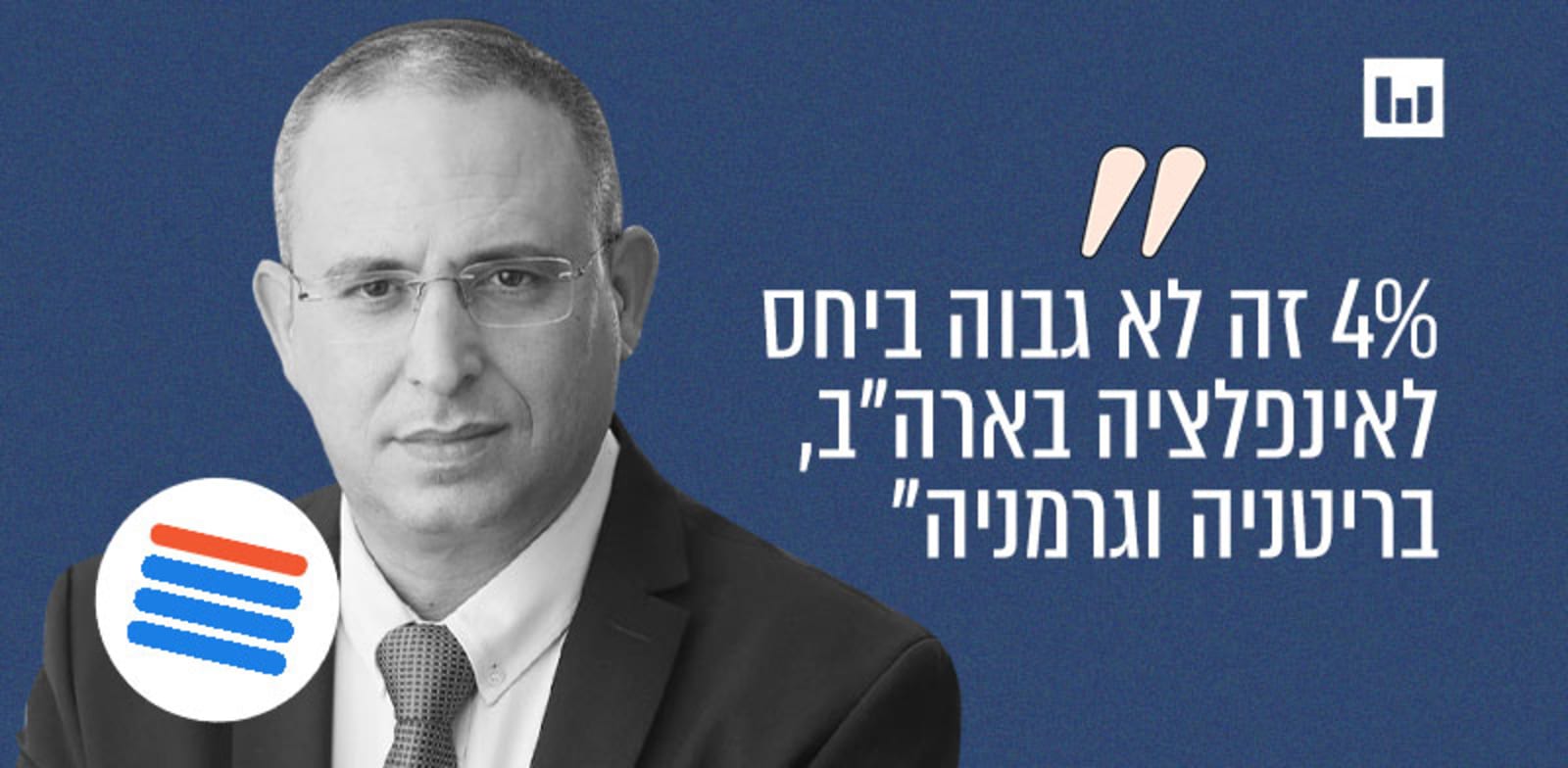
"4% זה לא גבוה ביחס לאינפלציה בארה"ב, בריטניה וגרמניה"
Publisher’s rating: נכון ברובו
The claim was made by Likud MK Eliyahu Revivo during an interview on 103FM’s “Sheva-Tesha.” He argued that Israel’s inflation was moderate and invoked the United States, Britain, and Germany as comparisons. The investigation checked the inflation figures available for April 2023, the latest month then available for Israel, and compared Israel with 38 OECD countries, including the three named in the claim. The review reports that Israel’s annual inflation rate was 5% in April, not 4%. Its comparison found that the United States was slightly below Israel, at 4.9%, while Germany was at 7.2% and Britain at 8.7%. Thus, the three-country comparison is mixed: the US figure does not support the claim’s implication that Israel’s rate was lower, but the British and German figures do. The broader OECD comparison also found that Israel’s rate was lower than that of most member countries. The review therefore distinguishes between the inaccurate 4% figure and the broader comparative point. It says Israel’s inflation was moderate relative to most OECD countries, while noting that the specific comparison with the US cuts the other way. Its conclusion rests on the April figures and the OECD-country comparison, not on a claim that Israel’s inflation was lower than in every country Revivo named.
Where the data comes from
Fact checks come from Data Commons and link to the organizations that published them.
What you’ll find
Each result links to the original fact check. Open it to read the publisher’s findings, with summaries and supporting sources where available.
Report an error
To report an error, send the page URL and supporting evidence.