PeakMetrics / Fact Checks
Has this been
fact-checked?
Paste a claim or upload an image to find existing fact checks. See what fact-checkers found and read the evidence before you share.
Search fact checks ↓API & integrations ↗Browse by topic
Explore fact checks by subject.
Search fact checks
Search by text or imageLatest fact checks
98,230 published reviewsa topical spray remove cellulite completely
Publisher’s rating: Mostly False

É conhecida como a menor cobra venenosa do mundo e é frequentemente encontrada dentro da pimenta verde.
Publisher’s rating: Falso

763 Prominente starben infolge einer Covid-Impfung.
Publisher’s rating: Diese Behauptung ist falsch. Eine stichprobenartige Prüfung der sher umfangreichen Liste ergibt, dass sie eine Reihe von Namen von Menschen enthält, die nicht an der Impfung gestorben sind.
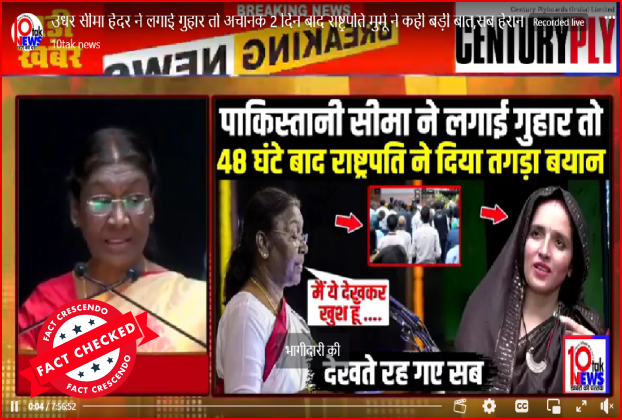
राष्ट्रपति मुर्मू ने सीमा की याचिका का 48 घंटों के भीतर ही बेहद तगड़ा जवाब दिया है।
Publisher’s rating: Misleading

Deze actuele video toont hoe Oekraïense soldaten zich overgeven aan het Russische leger.
Publisher’s rating: De video toont een gevangenenruil tussen het Oekraïense leger en de Wagnergroep die op 25 mei 2023 plaatsvond. Daarbij keerden 106 Oekraïense soldaten terug naar Oekraïne in ruil voor een onbekend aantal Russische soldaten.

LEAKED FOOTAGE REVEALS The #Kuki terrorists have started to use drones to bomb in numerous Meitei villages in #Manipur. Sources said that more than 40 bomb explosion has been reported in Bishnupur dist. #ManipurVideo #ManipurBurning #ManipurCrisis #ManipurVoilence #SaveManipur
Publisher’s rating: False

A Prefeitura de Crisópolis está construindo um teatro de R$ 20 milhões na cidade
Publisher’s rating: Falso
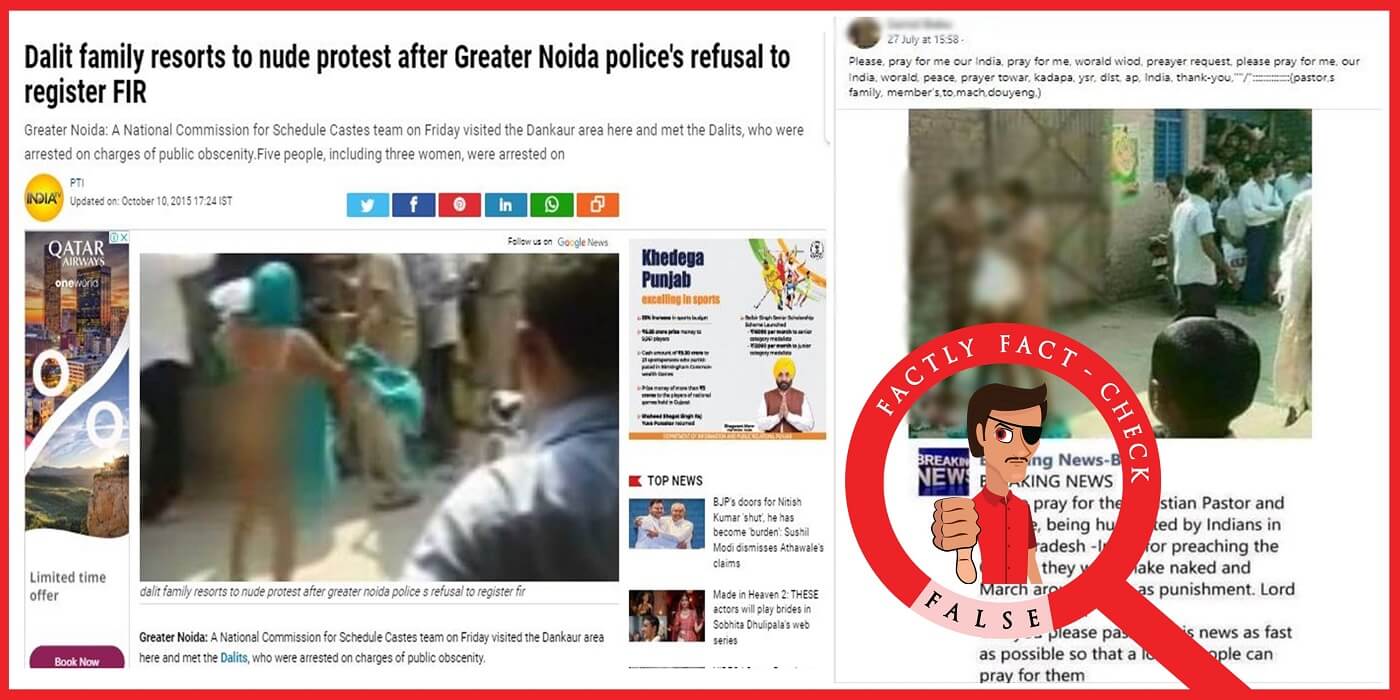
Photo showing a pastor’s family being publicly paraded naked for preaching the gospel in Uttar Pradesh
Publisher’s rating: FALSE

SORRY नाम की यह फिल्म – सिर्फ 4 मिनट 17 सेकंड की फिल्म है और इसे 30 मिनट में बनाया गया था। लेकिन इसे ऑस्कर अवार्ड मिला।
Publisher’s rating: False
हेडफोन लगाने से कान में बैक्टीरिया वृद्धि होती है
Publisher’s rating: Missing Context

Video zeigt rechtsalternativen TV-Sender, der meint, die Zahl der Hitzetoten in Österreich ist viel zu hoch angesetzt und durch keine Statistik nachweisbar
Publisher’s rating: Um Todesfälle mit Hitzebezug zu errechnen, müssen viele Faktoren wie etwa Vorerkrankungen beachtet werden. Daher können lediglich Schätzwerte ermittelt werden. Diese liegen mit sehr hoher Wahrscheinlichkeit im Bereich der jüngst veröffentlichten europäischen Zahlen – und damit deutlich höher, als etwa im vorliegenden Posting behauptet wird. Zudem trägt der Klimawandel zu einem Anstieg an hitzebedingten Todesopfern bei.

Visuals depicting Russian missiles taking down two British cargo ships transporting high explosives to Ukraine
Publisher’s rating: FALSE
The claim concerned a video compilation circulated as footage of Russian missiles striking two British cargo ships carrying high explosives to Ukraine, allegedly at the port of Odesa. FACTLY’s review says the visuals do not show that event: they are old footage of the August 2020 explosion at Beirut’s port. The review also reports that its search found no reports of Russian missiles destroying the alleged ships near Odesa. Its conclusion therefore rests on both identifying the visuals as footage of a different, earlier disaster and finding no reporting to substantiate the claimed attack. To investigate the footage’s origin, FACTLY says it conducted a reverse image search, which led to news reports featuring similar images. Those reports identified the images with the Beirut explosion. The review describes that disaster as a chemical explosion at the port that caused widespread devastation and more than 150 deaths. It says a fire in a warehouse where hazardous ammonium nitrate had been stored for an extended period initiated the explosion. The review further says that other news reports and social media posts containing similar visuals also connected them to the 2020 Beirut explosion. It notes that its search did not find reports of the claimed Russian attack. The evidence presented thus supports the finding that the shared visuals were misattributed; it does not establish that no maritime attack could occur, but the review provides no corroboration for this particular claim.
در جریان برگزاری نمایشگاه معرفی بستههای سرمایهگذاری مناطق آزاد، بالغ بر ۲۰۰ هزار میلیارد تومان سرمایهگذاری جذب شده است.
Publisher’s rating: غیرقابل اثبات
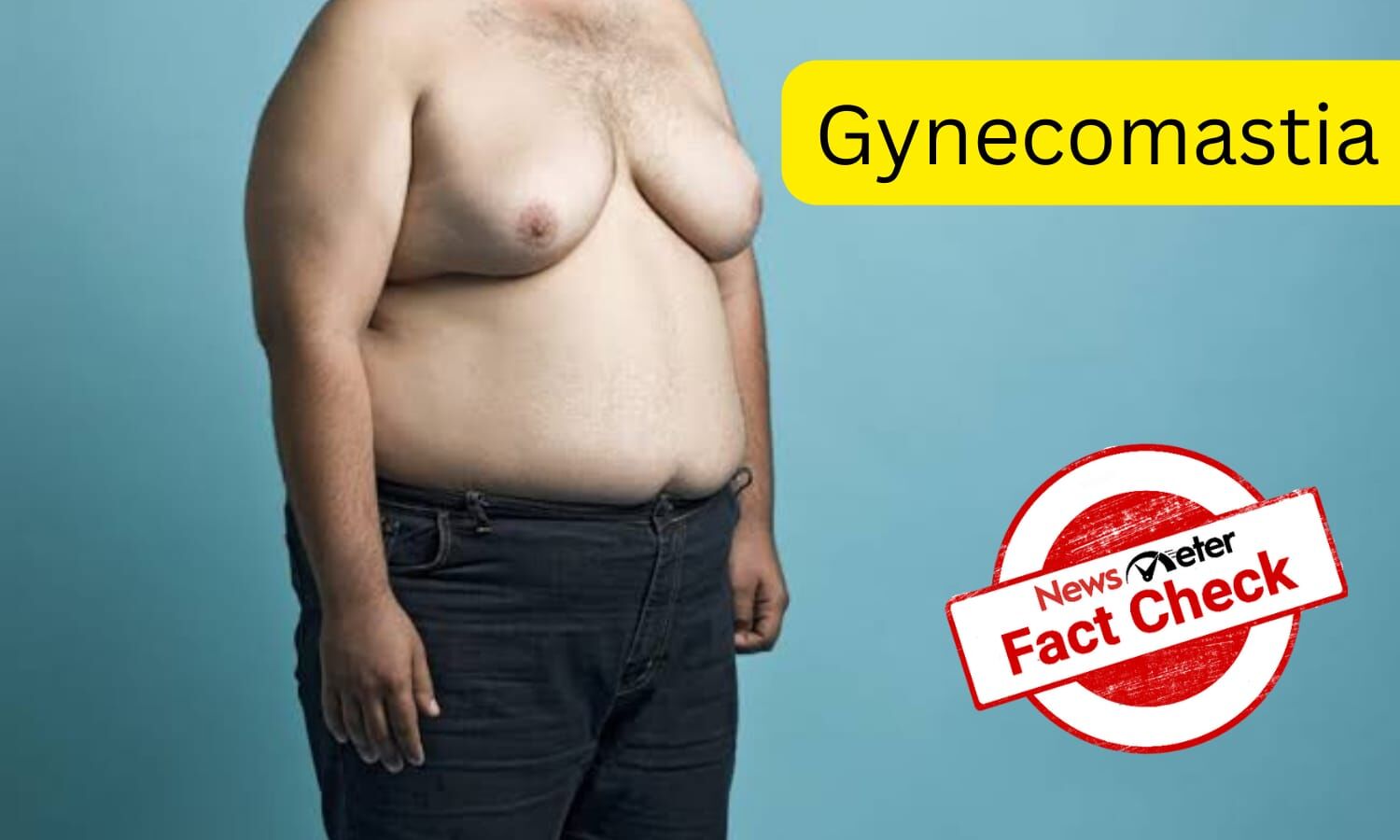
Gynecomastia could be treated with a topical cream.
Publisher’s rating: FALSE

92 ఏళ్ల కాంగ్రెస్ నాయకుడు మోతీలాల్ వోరా, 50 ఏళ్ల రాహుల్ గాంధీ పాదాలపై పడి నమస్కరిస్తున్న ఫోటో
Publisher’s rating: FALSE
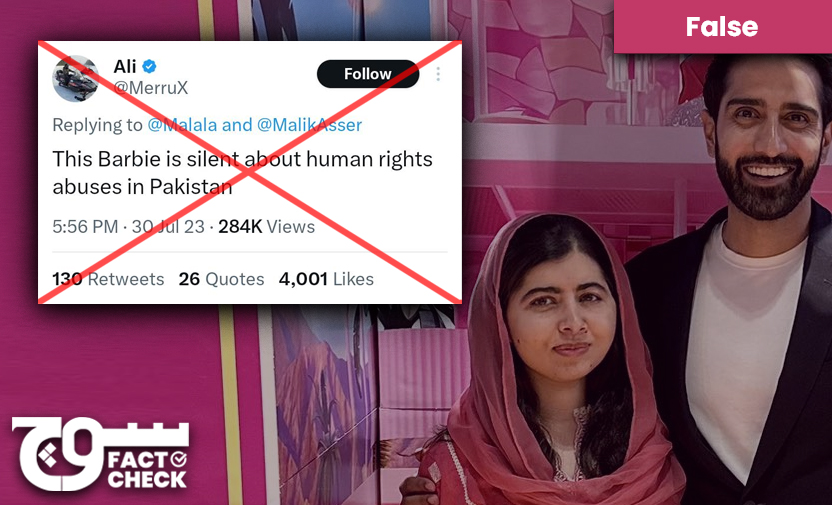
Malala Yousafzai “is silent about human rights abuses in Pakistan”.
Publisher’s rating: False
Where the data comes from
Fact checks come from Data Commons and link to the organizations that published them.
What you’ll find
Each result links to the original fact check. Open it to read the publisher’s findings, with summaries and supporting sources where available.
Report an error
To report an error, send the page URL and supporting evidence.