PeakMetrics / Fact Checks
Has this been
fact-checked?
Paste a claim or upload an image to find existing fact checks. See what fact-checkers found and read the evidence before you share.
Search fact checks ↓API & integrations ↗Browse by topic
Explore fact checks by subject.
Search fact checks
Search by text or imageLatest fact checks
98,230 published reviews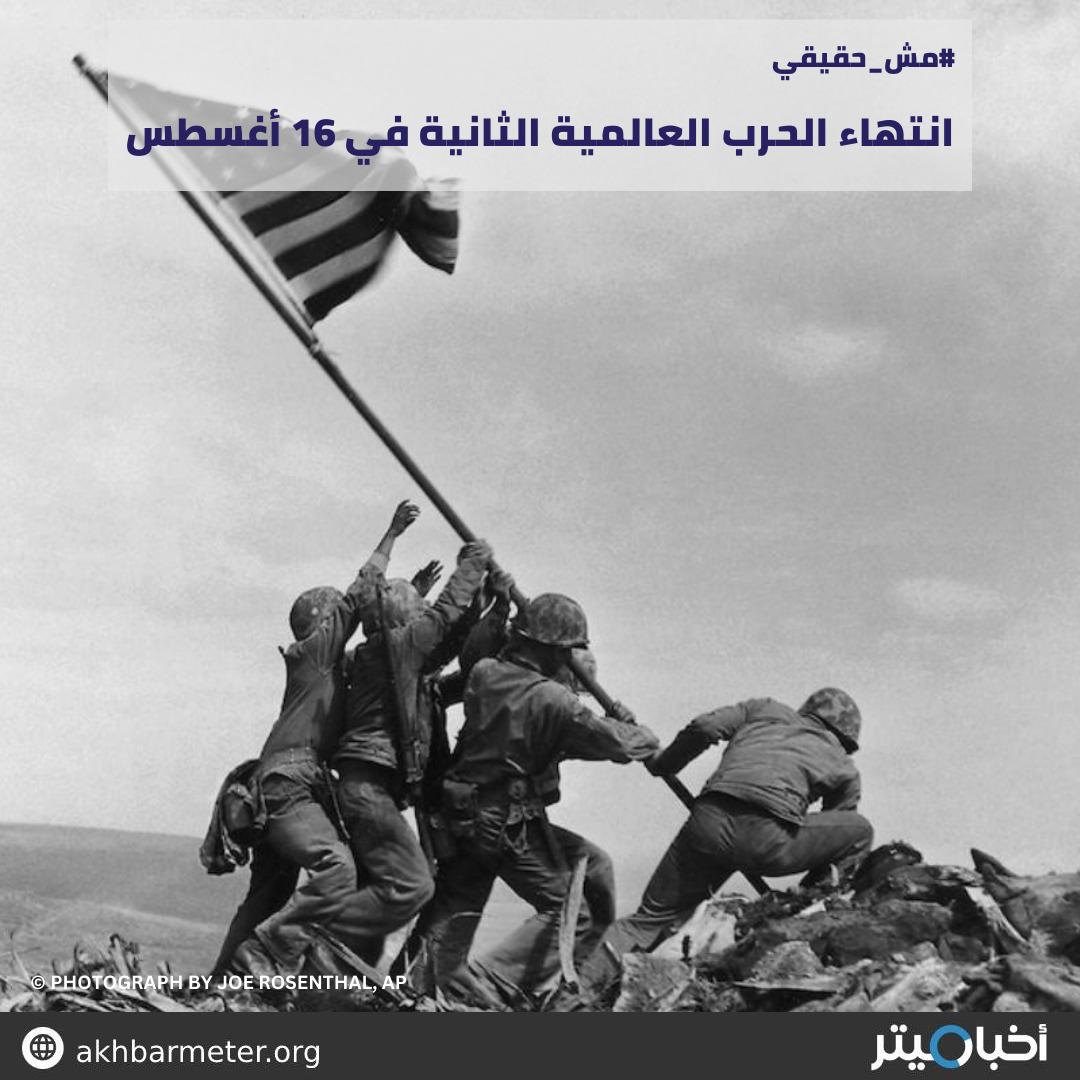
انتهاء الحرب العالمية الثانية في 16 أغسطس
Publisher’s rating: خبر كاذب - تاريخ 16 أغسطس التي أشارت له بعض المواقع الإخبارية في احتفالها غير رسمي، هو تاريخ معرفة الشعب الياباني باستسلام دولتهم لإنهاء الحرب
Ukraine Defence Minister Oleksiy Reznikov said he is calling on Ukraine-origin Canadians to fight against Russia.
Publisher’s rating: False
The price of rice has not gone up since the Rice Tariffication Law was enacted in March 2019.
Publisher’s rating: False
خسارتهای اقتصادی ناشی از ناآرامیها در ایران خیلی بیشتر از فرانسه بود.
Publisher’s rating: نادرست
Hindi na tumaas pa ang presyo ng bigas mula nang ipatupad ang Rice Tariffication Law noong Marso 2019.
Publisher’s rating: Hindi totoo

Görüntülerin Hawaii’deki orman yangınlarını gösterdiği iddiası
Publisher’s rating: Yanlış

Social media users claimed that the wildfires in Hawaii were caused by a "direct energy weapon."
Publisher’s rating: FALSE: There's no evidence that the Hawaii fires were caused by a DEW attack; photographs online supposedly depicting this attack were years-old and showed events (such as space shuttle launches) unrelated to directed energy weapons; the most likely cause of the fire was dry conditions and strong winds.

බිමල් රත්නායක මෝල්ටා රාජ්යයේ ආයෝජනය ගැන ප්රකාශයක් සිදු කළා ද?
Publisher’s rating: False
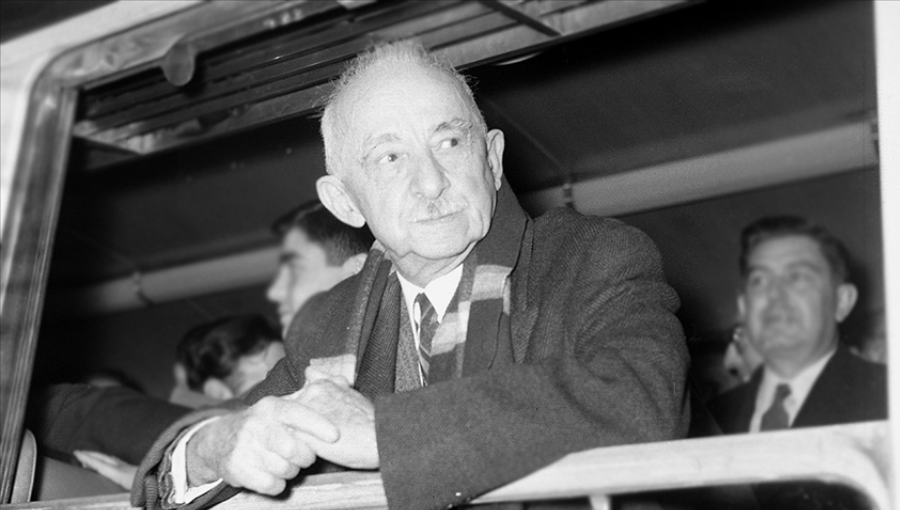
İsmet İnönü harf devriminin amacının geçmişin kapılarını kapatmak olduğunu söyledi mi?
Publisher’s rating: Yanlış
The claim is that İsmet İnönü described the purpose of Turkey’s alphabet reform as “closing the doors of the past.” Doğrula says it checked the attribution against İnönü’s two-volume memoirs, published by Bilgi Yayınevi. Although the cited page discusses the reform, the review reports that the claimed wording does not appear there: “İnönü’nün 2 cilt halindeki hatıraları Bilgi Yayınevince yayımlanıyor. Kitabın ilgili sayfasında harf inkılabından bahsedilse de iddia metni hiçbir şekilde kitapta yer almıyor.” The review instead quotes İnönü describing the reform’s effects as making cultural change easier and separating Turkey from Arab culture. It also reports that he characterized the move to Latin letters as a means of protecting Turkish language and national culture: “Latin harflerine geçmek Türk dilini ve milli kültürü kurtarmak için esaslı bir etken olmuştur.” Those passages provide a materially different explanation from the wording in the claim. As further checks, the review says the İnönü Foundation published the full relevant memoir text and that historian and journalist Murat Bardakçı examined the alleged quotation by comparing it with the memoir passage. The review’s conclusion is that İnönü did not say that closing the doors of the past was the reform’s purpose.
U.S. Food and Drug Administration (FDA) has endorsed drug ivermectin to be used to treat COVID-19 in humans.
Publisher’s rating: Misleading

31 de outubro de 2023 princípio do fim. 31 de outubro início do fim #apocalipse #arebatamento #alerta
Publisher’s rating: Falso
بر اساس لایحه حجاب و عفاف، زنان زیر ۱۸ سال به خاطر حجاب به کلانتری برده نمیشوند.
Publisher’s rating: نادرست

පිරිමින්ගේ හිඟතාවක් නිසා විවාහවීමට පිරිමින් සොයන කාන්තාවන් බහුල බ්රසීල නගරයක් පිළිබඳව හුවමාරු වන සමාජ ජාලා සටහන් අසත්යයි!
Publisher’s rating: False
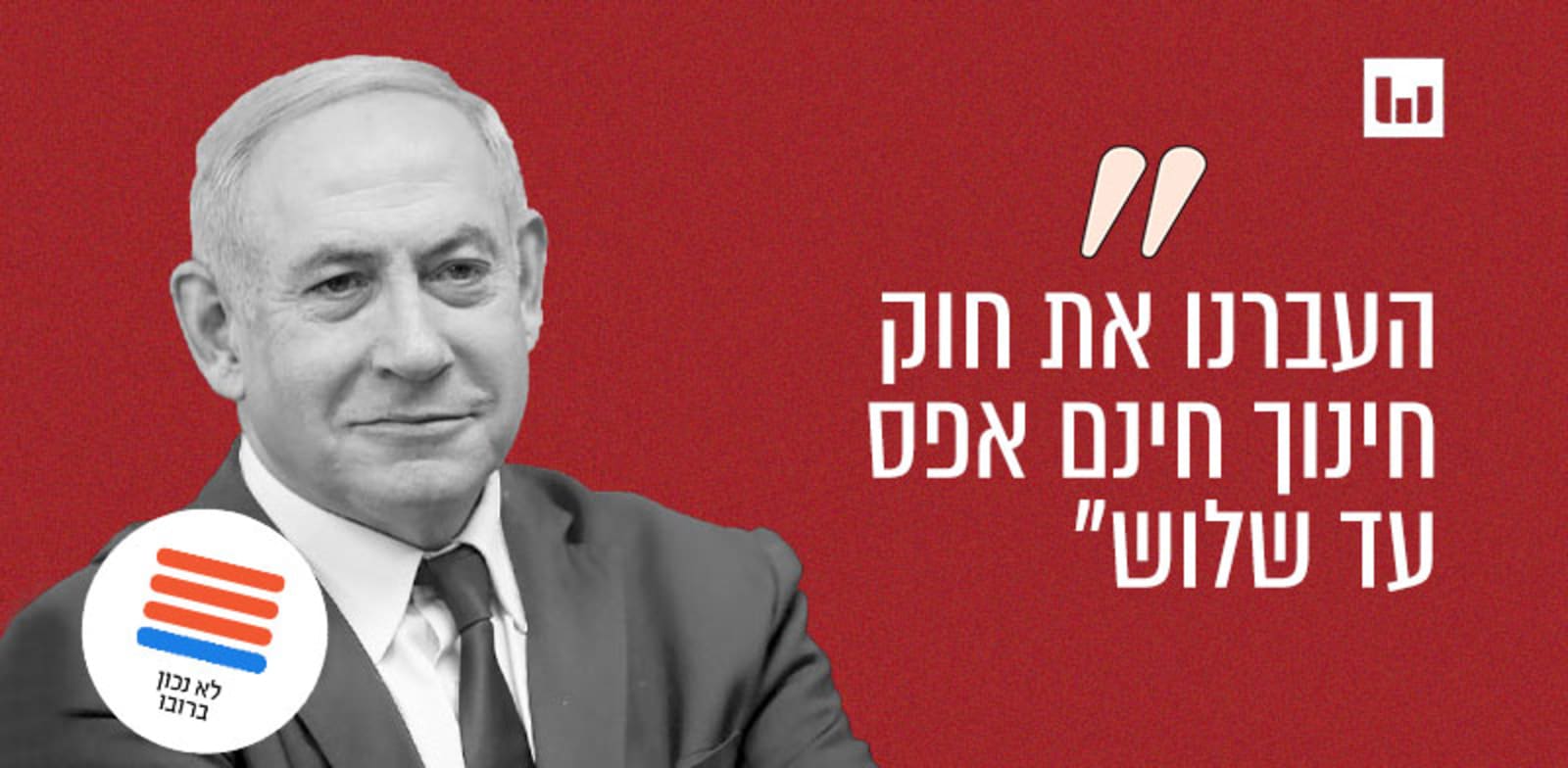
העברנו חוק חינוך חינם אפס עד שלוש
Publisher’s rating: לא נכון ברובו
Benjamin Netanyahu said that during the Knesset’s summer session, his government had passed a law providing free education for children from birth to age three. The review distinguishes that claim from what the government actually did: it announced a program, rather than passing such a law. It notes that free education for this age group had featured in Netanyahu’s election campaign, but says he did not pursue the policy through legislation after the government was formed. The program was announced at the end of April by Netanyahu, Education Minister Yoav Kisch, and Finance Minister Bezalel Smotrich. The review describes two main financial components. One offered tax-credit points worth up to NIS 940 a month for a family with two working parents, with smaller benefits for some other eligible families. Citing early-childhood researcher Dr. Carmel Blank, the review explains why that was not equivalent to free care: the tax benefit was unavailable to people who did not pay income tax, and its maximum amount was far below the stated cost of private daycare, NIS 3,000–4,000 a month and sometimes more than NIS 5,000. The review also describes an additional work grant for some low-wage workers and says people who did not work were not eligible for that benefit. The other component increased state support for eligible families using subsidized “symbol” daycare centers, including WIZO and Na’amat. The review reports an additional NIS 500 in subsidy, bringing average monthly support to NIS 1,700, but notes that a fee increase announced in May reduced the practical effect of the added subsidy. It also says about 120,000 children in these centers—22% of children in the relevant age group—received partial or full subsidies. Blank’s assessment, as reported in the review, was that only a small share of families could combine the full daycare subsidy with the maximum tax benefit. The evidence therefore supports a distinction between targeted, indirect assistance and a law establishing free education for all children aged zero to three.

Videodaki kişinin uçakta namaz kıldığı için gözaltına alındığı iddiası
Publisher’s rating: Yanlış
Where the data comes from
Fact checks come from Data Commons and link to the organizations that published them.
What you’ll find
Each result links to the original fact check. Open it to read the publisher’s findings, with summaries and supporting sources where available.
Report an error
To report an error, send the page URL and supporting evidence.