PeakMetrics / Fact Checks
Has this been
fact-checked?
Paste a claim or upload an image to find existing fact checks. See what fact-checkers found and read the evidence before you share.
Search fact checks ↓API & integrations ↗Browse by topic
Explore fact checks by subject.
Search fact checks
Search by text or imageLatest fact checks
98,230 published reviews
Sabe o que é alguém (ele, Lula) sair da presidência com 11 containers de acervo e não ter onde por? Sair com cadeira, trono, com papel, com tudo que você possa imaginar… E onde estão esses bens?
Publisher’s rating: São enganosas as postagens que usam dados de 2016 para levantar suspeitas sobre a destinação de 559 itens recebidos como presentes em cerimônias como chefe de Estado pelo presidente Luiz Inácio Lula da Silva (PT) em seus dois primeiros mandatos presidenciais. O Tribunal de Contas da União (TCU) fez, à época, auditoria no acervo, e determinou a localização e incorporação de 568 peças ao patrimônio da União. O processo foi concluído em 2020, em acórdão da Corte de Contas que considerou cumpridas as determinações.

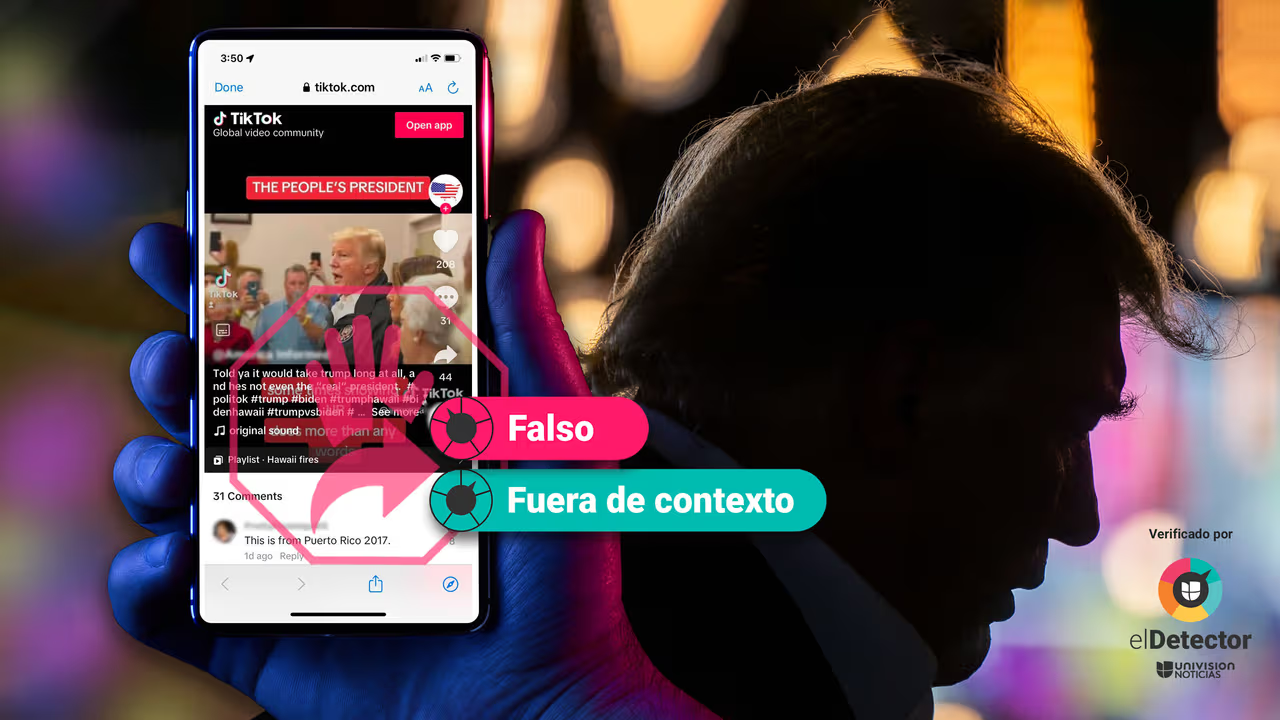
Este video muestra a Donald Trump visitando Maui tras los incendios en la isla hawaiana.
Publisher’s rating: Falso / Fuera de contexto

கேரளாவின் கொச்சியில், புர்கா அணிந்த முஸ்லிம் இளைஞர் ஒருவர், பெண்கள் கழிவறைக்குள் நுழைந்து, பெண்களை ரகசியமாக வீடியோ எடுக்கத் தொடங்கினார். மால் செக்யூரிட்டி ஊழியர்கள் அவரை பார்த்ததும் அங்கு பரபரப்பு ஏற்பட்டது. இதன் பின்னர், குற்றம் சாட்டப்பட்ட முஸ்லீம் நபர் போலீசில் ஒப்படைக்கப்பட்டார். குற்றம் சாட்டப்பட்டவர் ரோபோடிக்ஸ் பொறியாளர் மற்றும் தனியார் நிறுவனத்தில் பணிபுரிகிறார்.
Publisher’s rating: False

‘The Times of India’ lost 2.8 million Instagram followers after Kohli called it out for spreading fake news about constructing a cricket pitch at his farmhouse
Publisher’s rating: FALSE
The claim concerned a viral post saying The Times of India (TOI) lost 2.8 million Instagram followers after Virat Kohli criticized a report that he was constructing a cricket pitch at his farmhouse in Alibaug, Maharashtra. The review describes Kohli denouncing the report as fake news on 15 August 2023, and the post’s asserted fall from 5.6 million followers to 2.8 million. The review found that the follower-loss claim was not supported by the available account statistics. [S1: “on 15 August 2023, Kohli denounced this as fake news” and “claiming that Instagram followers for TOI have plummeted dramatically from 5.6 million to 2.8 million”] The review checked TOI’s Instagram account and reported that it had 2.8 million followers as of 18 August 2023. It then examined a 90-day follower history using InsTrack and Social Blade. Those statistics indicated that the account had remained above 2.8 million since at least May 2023 and had never reached 5.6 million. [S1: “as of 18 August 2023, the page has 2.8 million followers” and “The statistics indicate that the page has maintained 2.8 million+ followers since at least May 2023, and it never reached 5.6 million followers.”] The review also said the preceding seven days showed a net increase, contradicting the alleged dramatic loss. It concluded that the viral screenshot had been edited. The supplied excerpt additionally reports that TOI retracted its article and apologized; it does not provide further details about that retraction or apology. [S1: “the stats from the last 7 days show a net increase in followers” and “TOI retracted the article and issued an apology.”]
ವೀಡಿಯೋವೊಂದು ಹರಿಯಾಣದಲ್ಲಿ ಮುಸ್ಲಿಮರ ವಿರುದ್ಧ ನಡೆದ ಹಿಂಸಾಚಾರವನ್ನು ತೋರಿಸುತ್ತದೆ.
Publisher’s rating: ತಪ್ಪು

A Catholic Priest Dancing with Women!!(Video)
Publisher’s rating: Misleading
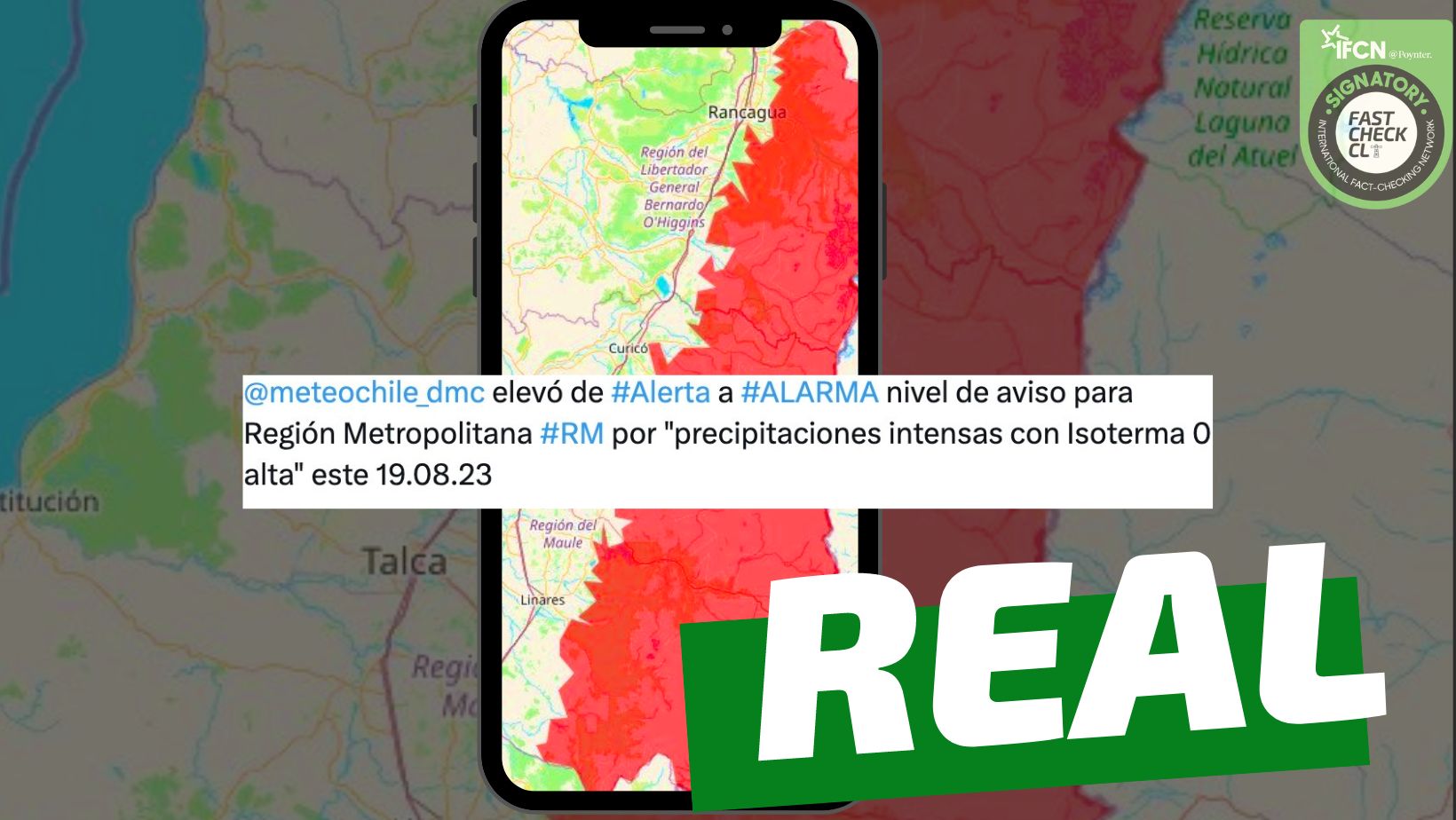


Cette vidéo prouve que les incendies à Hawaï ont été causés par une arme à énergie dirigée.
Publisher’s rating: Non. Les images remontent au 27 décembre 2018 et ont été filmées dans un autre état américain, celui de Louisiane. Elles ne constituent donc pas une preuve d'une quelconque attaque à Lahaina.
இறுதியாக இந்த கடிதம் தேசிய காப்பகங்களில் கிடைத்தது… காந்தி 1930-இல் ஆங்கிலேயர்களிடம் இருந்து மாதந்தோறும் ரூ.100 பெற்று தனிப்பட்ட செலவுகளை செய்து வந்துள்ளார். அப்போது 100 ரூபாயின் சந்தை மதிப்பு தற்போதைய 2.88 லட்சம் ரூபாய்க்கு அருகில் இருந்துள்ளது. அவர் ஏன் பணம் பெற்றார்? சக்கரம் நம்மை விடுதலையாக்கியது..
Publisher’s rating: Misleading
Video shows directed energy weapons attack on Maui in August 2023
Publisher’s rating: False

Das WHO-Programm "One Health" soll die Ernährung auf der Welt kontrollieren, z.B. über Essensmarken und ein Sozialkreditsystem. In nationalen Parlamenten ist das bereits beschlossen.
Publisher’s rating: Mit «One Health» soll ein Gleichgewicht zwischen der Gesundheit von Menschen, Tieren und Natur hergestellt werden, um der Entstehung und Ausbreitung von Krankheiten vorzubeugen. Ein Aspekt ist die Gewährleistung von Lebensmittel- sowie Trinkwassersicherheit. Vorgaben zur Ernährung beinhaltet das Konzept aber nicht.
The claim alleges that the WHO’s “One Health” program is intended to control what people eat, including through food vouchers and mandatory meal programs, and that national parliaments have already approved such measures. The DPA review examined the same central allegation: that WHO planned to prescribe people’s diets through “One Health.” It reports that a video by the outlet AUF1 made claims about food vouchers and mandatory nutrition programs, but that the video relied on a blog article rather than citing WHO materials. The review describes “One Health” as an approach linking human, animal and environmental health to prevent health risks and improve recognition and response to them. It says food is relevant to the approach, but distinguishes food-safety monitoring from rules dictating what people may eat. The review cites the “One Health Joint Plan of Action” as addressing monitoring food safety, not requirements for particular foods. It also reports that a WHO spokesperson called the claims about mandatory nutrition programs misinformation, and that the German agriculture ministry knew of no plans for food vouchers or intervention in people’s eating habits. The food-voucher and tailored-meal examples, the review says, came from US programs that arose independently of WHO. It describes SNAP as income-limited assistance, with restrictions on some purchases but not a general requirement to buy only healthy foods. The excerpt does not identify any national-parliament votes approving WHO food controls; its evidence instead challenges the asserted link between those controls and “One Health.”
Finally the letter was found in the #nationalarchives… #Gandhi used to get Rs 100 per month from the British to cover personal expenses in 1930. The market value of 100 rupees at that time is currently close to 2.88 lakh rs. why did he get the money? Chakra made us free
Publisher’s rating: Misleading
Where the data comes from
Fact checks come from Data Commons and link to the organizations that published them.
What you’ll find
Each result links to the original fact check. Open it to read the publisher’s findings, with summaries and supporting sources where available.
Report an error
To report an error, send the page URL and supporting evidence.