PeakMetrics / Fact Checks
Has this been
fact-checked?
Paste a claim or upload an image to find existing fact checks. See what fact-checkers found and read the evidence before you share.
Search fact checks ↓API & integrations ↗Browse by topic
Explore fact checks by subject.
Search fact checks
Search by text or imageLatest fact checks
98,230 published reviews
అడాల్ఫ్ హిట్లర్ సంస్కృత వ్యాకరణ పండితుడు దండిభట్ల విశ్వనాథ శాస్త్రిని జర్మనీకి పిలిపించుకొని మరీ వేదాలను అనువధించుకున్నారు
Publisher’s rating: FALSE

ರಾಜಸ್ಥಾನದಲ್ಲಿ ಮುಸ್ಲಿಮರು ಇತ್ತೀಚೆಗೆ ನಡೆಸಿದ ಪ್ರತಿಭಟನೆಯನ್ನು ಈ ವೀಡಿಯೊ ತೋರಿಸುತ್ತದೆ.
Publisher’s rating: FALSE

high quality, better than described. It exceeded my expectations. Great seller and communicator. Thanks Alex
Publisher’s rating: Valid

NAVO heeft voorgesteld Brazilië in 5 staten te verdelen omdat het weigert wapens aan Oekraïne te leveren.
Publisher’s rating: Gunther Fehlinger is een Oostenrijker die online actief de lobby aanvoert om Oostenrijk en een aantal andere landen bij de NAVO aangesloten te krijgen. Hij werkt niet voor het bondgenootschap en kan dus ook niet namens de organisatie spreken. Op X is Fehlinger uitgesproken anti-BRICS en roept hij vaker op tot het opbreken van BRICS-landen, waar ook Brazilië bij hoort.

ひろゆき氏「性被害者の22人に1人は挑発的な服装が被害の一因」
Publisher’s rating: 誤り
The review traces Hiroyuki’s post to a dispute following DJ SODA’s report that audience members touched her breasts during a music festival in Osaka. In response to her statement that clothing and sexual victimization are unrelated, he cited a purported Utah State University study and argued that one in 22 sexual-assault victims had provocative clothing as a contributing factor. The review says he linked to a Google Answers page, where a respondent had provided links to several sources, including the university study. The link to that study no longer worked, so the reviewer consulted an archived copy. The archived text did not say that provocative clothing contributed to 4.4% of reported rapes. It said that 4.4% involved “provocative behavior” by the victim—a different claim, because the cited wording concerns behavior, not clothing. The review also notes the post’s shift from that reported figure to a claim about clothing as a cause. Thus, the one-in-22 number does not establish the asserted clothing-related finding. The review further reports that the study text said most arrested sex offenders did not remember victims’ clothing. It concludes that the cited material does not support Hiroyuki’s argument that the claim clothing and sexual crime are unrelated is false; rather, the material presented in the review conflicts with his interpretation.

אני זוכר את יאיר לפיד שתמך בהסכם הגרעין
Publisher’s rating: לא נכון ברובו

صورة ناطحة السحاب من أديس أبابا
Publisher’s rating: خبر كاذب - اكتشفنا بالبحث العكسي عن الصورة على جوجل أنها من مدينة بانكوك عاصمة تايلاند.

Isso é em BH. 28/08/23. Acho que a eleição foi tomada de Bolsonaro
Publisher’s rating: Falso
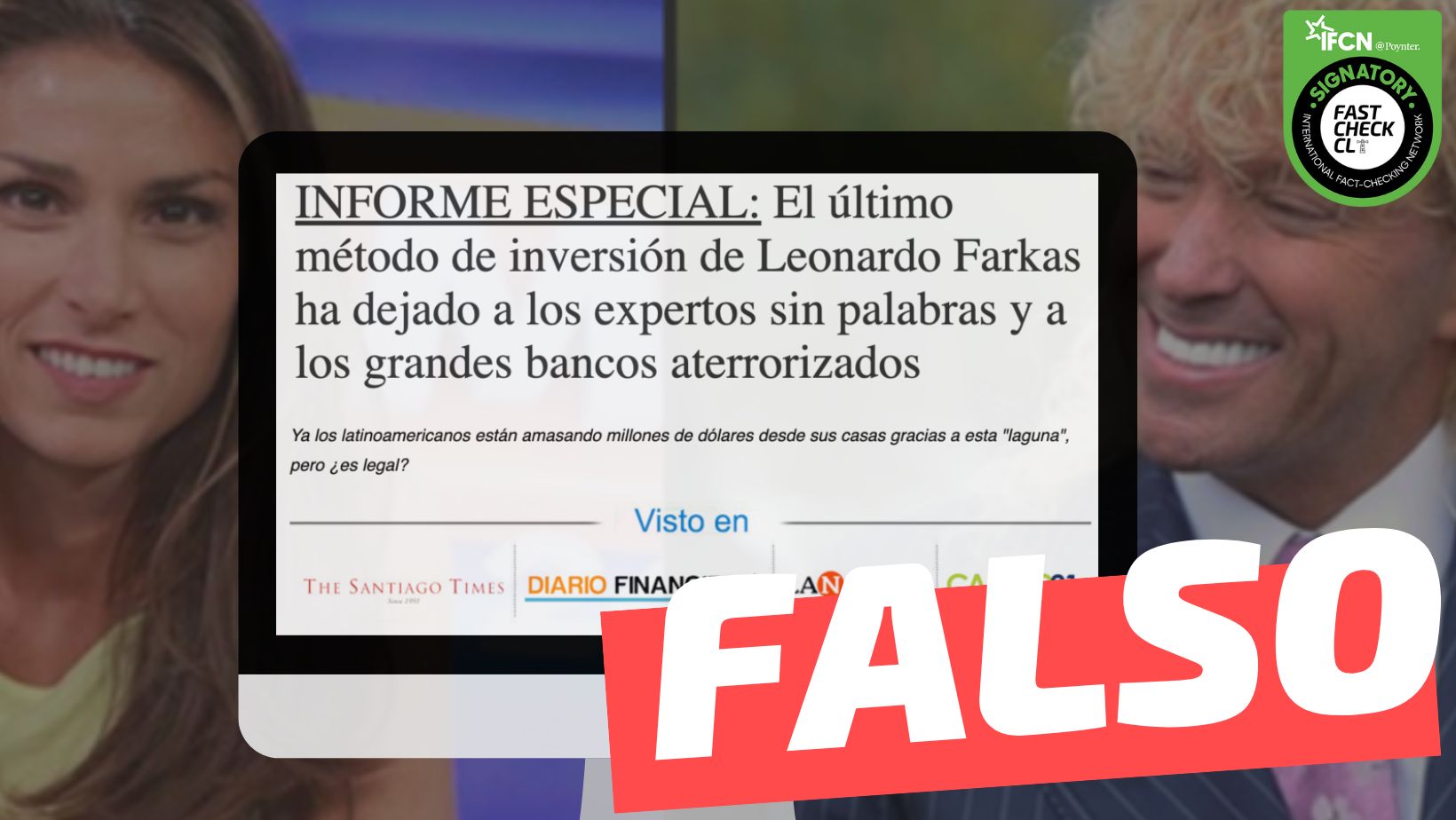
“Informe especial: El último método de inversión de Leonardo Farkas ha dejado a los expertos sin palabras”
Publisher’s rating: Falso
Aamir Khan upcoming movie update, biopic on Lala Amarnath with Rajkumar Hirani.
Publisher’s rating: Fake

రోడ్లపై ట్రాఫిక్ నిబంధనలను ఉల్లంఘించే వాహనదారులపై జరిమానాను ప్రభుత్వం 1 సెప్టెంబర్ 2023 నుండి భారీగా పెంచబోతుంది
Publisher’s rating: MISLEADING

A man from Tamil Nadu chopped off his finger for voting for Congress with that finger
Publisher’s rating: False

วิดีโอมาจากเหตุการณ์การปล่อยน้ำบำบัดจากโรงไฟฟ้านิวเคลียร์ลงในทะเลที่จังหวัดฟุกุชิมะ ประเทศญี่ปุ่น
Publisher’s rating: Misleading
Another classic that has been difficult to find for years. Grab them before they are gone for ever.
Publisher’s rating: Valid

“Una planta desaladora de agua hoy día, ¿saben cuánto se demora en permisos antes de empezar a funcionar? Casi 12 años”
Publisher’s rating: Real
এইটো নাছাই প্ৰকাশ কৰা চন্দ্ৰযান-৩য়ে চন্দ্ৰত অৱতৰণ কৰা ভিডিঅ’ ।
Publisher’s rating: মিছা
Where the data comes from
Fact checks come from Data Commons and link to the organizations that published them.
What you’ll find
Each result links to the original fact check. Open it to read the publisher’s findings, with summaries and supporting sources where available.
Report an error
To report an error, send the page URL and supporting evidence.