PeakMetrics / Fact Checks
Has this been
fact-checked?
Paste a claim or upload an image to find existing fact checks. See what fact-checkers found and read the evidence before you share.
Search fact checks ↓API & integrations ↗Browse by topic
Explore fact checks by subject.
Search fact checks
Search by text or imageLatest fact checks
98,230 published reviews
De geluidstechnicus van NASA verschijnt per ongeluk op de camera tijdens een live-uitzending vanuit de 'ruimte'.
Publisher’s rating: De video is bewerkt. De man in de linkerhoek is digitaal aan de beelden toegevoegd en is geen technicus van de ruimtevaartorganisatie NASA.
The claim concerns a video presented as a live broadcast from the International Space Station, in which a man appears in the lower-left corner. The review says the clip was circulated with the suggestion that a studio technician had accidentally entered the shot, implying the space mission was staged. It traces the astronauts’ footage to an ISS Facebook livestream and a shorter YouTube version showing the crew after three astronauts had joined the station on 25 September 2019. The review reports that the astronaut movements in the viral clip match moments in the NASA footage, while the supposed technician does not appear there. (S1: “Bij een live-uitzending vanuit het Internationaal Ruimtestation (ISS) zou per ongeluk een technicus "uit de studio" te zien zijn geweest.”; “Drie ruimtevaarders voegden zich op 25 september 2019 bij een zeskoppige bemanning die op dat moment al in het ISS was.”; “Zoals verwacht: een technicus in de hoek is nergens te bekennen.”) The review describes several checks supporting that conclusion. A reverse-image search found the first segment on the TikTok account Spacesux, whose compilation’s black frame and font resembled other videos posted by that account. In the clip, the man’s left shoulder appears transparent, allowing a white wire behind him to remain visible through it. The review also compared specific actions in the viral video with the NASA footage: an astronaut looking aside and another person raising a hand to his ear correspond to a moment at 5:14 in that footage; another astronaut’s repeated glance also matches. (S1: “Het eerste fragment in de video is met een reverse image search ook terug te vinden op TikTok bij het account Spacesux.”; “Vanaf 0.06 in de TikTokvideo is te zien hoe zijn linkerschouder (rechts op beeld) doorzichtig is, waardoor je de witte draad die achter hem langs loopt door hem heen kunt blijven zien.”; “Dat komt overeen met minuut 5.14 in de NASA-video.”; “Ook dat is exact terug te zien in de NASA-beelden.”) The review further says it found a 29 November 2019 YouTube video that makes the compositing evident: the same man is inserted into multiple ISS scenes. This account of the footage’s provenance and the visual comparison directly addresses the specific video, rather than merely discussing spaceflight claims in general. The review also notes that later images in the compilation—a toy playset and memes—were not evidence that the Moon landing was staged. (S1: “De video verscheen op 29 november 2019 op YouTube.”; “In deze versie is heel duidelijk te zien dat de man in de hoek er in is gemonteerd.”; “De foto die na het gemanipuleerde fragment te zien is, toont een speelset met een astronaut en een cameraman.”)


Video shows children being given arms training in Pakistan madrasas
Publisher’s rating: FALSE
قرآنی که رئیسی در سازمان ملل در دست گرفت، اهدایی پادشاه عربستان به حجاج است.
Publisher’s rating: نیمهدرست
Muiiito cuidado!!!! Eles vão enviar algumas fotos do terremoto marroquino no WhatsApp. O arquivo se chama Seismic Waves CARD, não abra nem veja, ele hackeará seu telefone em 10 segundos e não poderá ser interrompido de forma alguma. Compartilhe as informações com sua família e amigos. NÃO ABRA. Eles também disseram isso na TV CUIDADO Não abra
Publisher’s rating: Falso
Ferdinand Marcos Jr. had recovered his family’s bank account in Singapore
Publisher’s rating: False

ముస్లిం దుకాణదారుడు తాను ఎంగిలి చేసిన జ్యూస్ను కస్టమర్కు అందిస్తున్న వీడియో
Publisher’s rating: FALSE

එක්සත් ජාතින්ගේ මහා මණ්ඩලයේ දී ජනාධිපති රනිල් වික්රමසිංහ මහතා සැසිය අමතන අවස්ථාවක් ද?
Publisher’s rating: False
The claim concerned a social-media photograph presented as showing Sri Lankan President Ranil Wickremesinghe addressing the UN General Assembly, with the nearly empty hall supposedly illustrating that attendees had left rather than listen. The review distinguishes that image from the separate question of how many people attended Wickremesinghe’s actual speech: it reports that he delivered his address at the UN headquarters in New York on September 21, 2023, and says the circulated photograph shows someone else. To identify the image, the review says it examined the person shown and then ran a reverse-image search. It reports that the photograph was taken during German Chancellor Olaf Scholz’s address to the Assembly’s 78th session, and identifies photographer Michael Kappeler. The review also says the photograph appeared on DW’s website and in German news reports, and notes that Scholz spoke on September 19. These details link the circulated image to a different speaker and occasion, not to Wickremesinghe’s address. The review separately checked material from Wickremesinghe’s own speech. It reports that the UN’s YouTube channel had a full video of his address, although the review did not find a shot of the audience in that video. It then points to photographs posted by Sri Lanka’s President’s Media Division, including a view from the rear of the hall. The review describes some vacant seats in those images, but says a considerable number of people were listening. It also notes that the preceding and following leaders’ addresses were not held in fully occupied halls either; that context does not make Scholz’s photograph an image of Wickremesinghe.

Is Almond mixed with butter a natural cure for stammering?
Publisher’s rating: False
Footage shows catastrophic floods in Libya in September 2023
Publisher’s rating: False
ಮುಸ್ಲಿಂ ವ್ಯಕ್ತಿಯೊಬ್ಬನು ಹಿಂದೂ ದೇವಾಲಯವನ್ನು ಹಾಳು ಮಾಡಿತ್ತಿರುವುದನ್ನುಈ ವೀಡಿಯೋ ತೋರಿಸುತ್ತದೆ.
Publisher’s rating: ತಪ್ಪು
Indira Gandhi hosted a G20 summit in India 40 years ago.
Publisher’s rating: False

Gerichtete Energiewaffen haben bei den jüngsten Bränden in den USA und Australien gezielt Häuser von weniger reichen Menschen vernichtet.
Publisher’s rating: Viele der Behauptungen aus dem Video sind falsch oder zumindest ungenau. Die gezeigten Schäden sind nicht ungewöhnlich für Überreste von Bränden. Es gibt keinen Hinweis auf den Einsatz von Energiewaffen und die gezeigten Gebäude lassen keinen Rückschluss auf die Armut der Eigentümer zu.
The reviewed video alleges that directed-energy weapons were used to destroy homes belonging to poorer residents, leaving wealthier properties untouched. The investigation identifies the video as a German-translated version of material by Greg Reese, who is described as a self-proclaimed journalist for the right-wing US platform Infowars. It also finds that some footage presented as current was actually from the 2017 California fires and a 2009 fire in Australia. The review explains that the damage shown does not establish the use of a weapon. White ash and uneven patterns of burning can occur in ordinary fires: trees differ in how readily they burn, and wind, weather, season, building materials and construction all affect outcomes. In the Santa Rosa footage, the destroyed homes were outside a designated high-risk zone and therefore had lower fire-protection requirements. The review says there is no evidence that directed-energy weapons caused the Hawaii fires and notes that such weapons had not advanced beyond prototype status and had mainly been tested against drones. The claim that the fires selectively destroyed poorer households is also not supported by the aerial footage examined. The relevant Lahaina images show Puamana, a roughly 12-hectare holiday development. Using estimates and sale values from Zillow, the investigation found no substantial difference between properties that burned and those that remained intact; most in either group were valued at more than $1 million. That evidence does not support the video’s proposed division between destroyed working-class homes and spared wealthy homes.

అయోధ్య రామ మందిరానికి సంబంధించి కాంగ్రెస్ పార్టీని ఉద్దేశిస్తు నానా పాటేకర్ చేసిన వ్యాఖ్యలు
Publisher’s rating: FALSE
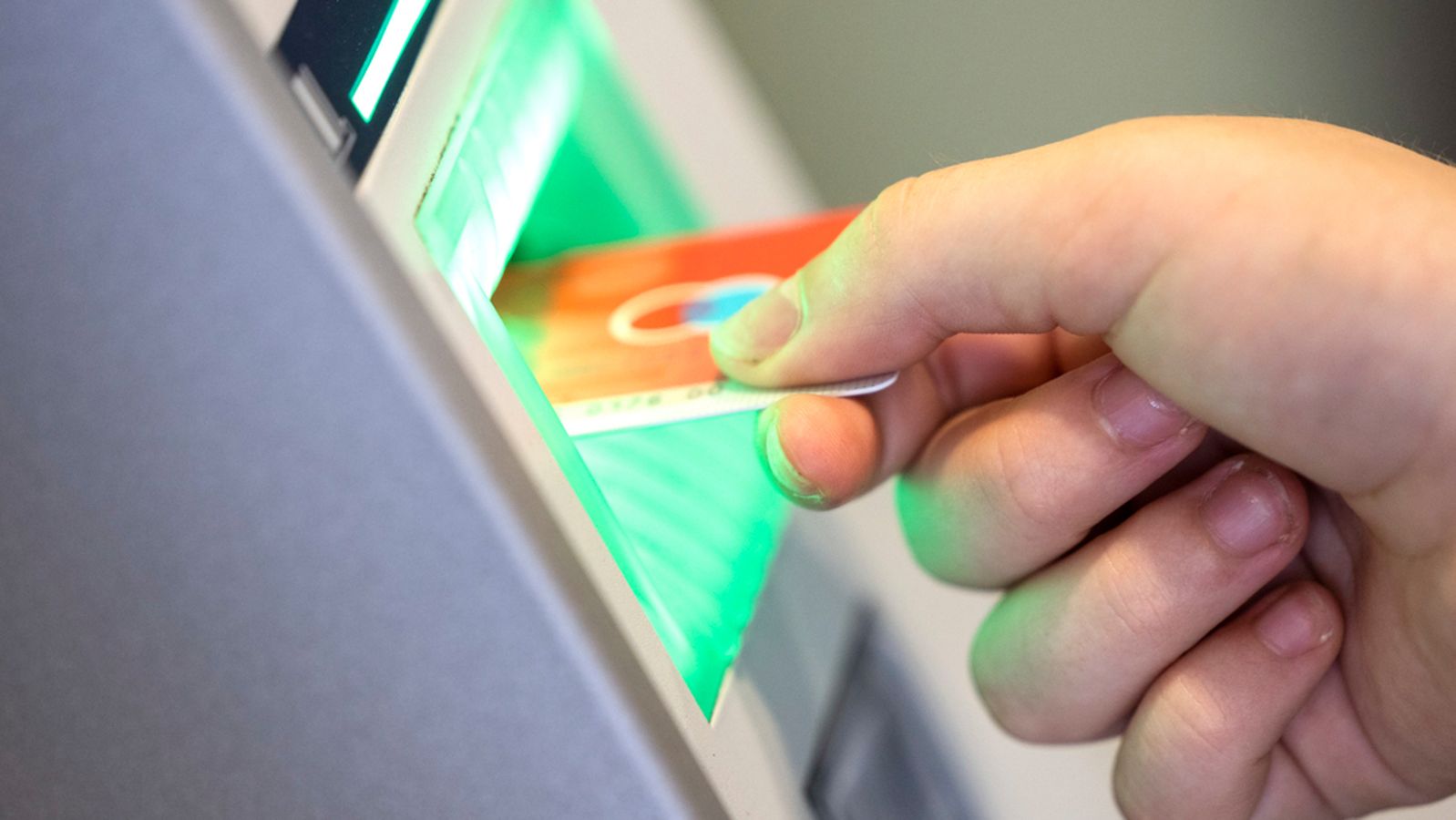
Die EU wolle Bargeld abschaffen.
Publisher’s rating: Falsch. Bargeld ist auf EU-Verfassungsebene geschützt. Es keine Vorstöße Bargeld abzuschaffen. Stattdessen wird über den digitalen Euro diskutiert, der ein zusätzliches Zahlungsmittel neben Bargeld sein soll. Rechtspopulisten und Mitglieder der Querdenken-Bewegung verbreiten die Behauptung dennoch und knüpfen dabei an Verschwörungserzählungen an.
Where the data comes from
Fact checks come from Data Commons and link to the organizations that published them.
What you’ll find
Each result links to the original fact check. Open it to read the publisher’s findings, with summaries and supporting sources where available.
Report an error
To report an error, send the page URL and supporting evidence.