PeakMetrics / Fact Checks
Has this been
fact-checked?
Paste a claim or upload an image to find existing fact checks. See what fact-checkers found and read the evidence before you share.
Search fact checks ↓API & integrations ↗Browse by topic
Explore fact checks by subject.
Search fact checks
Search by text or imageLatest fact checks
98,223 published reviewsSocial media users claim that a clause in a contract allows election staff to overturn official results.
Publisher’s rating: FALSE: Election workers cannot overturn results. This clause allows election workers to manually tally votes during live broadcast in case of software failure, but it has no impact on the official results of an election.

Can grounding cure heart attack?
Publisher’s rating: False
The review addresses an Instagram reel that claims grounding—making contact with the Earth—can cure heart attacks, angina and stroke. The reel’s reasoning is that grounding could supposedly supply electrons and allow a person experiencing a heart attack or stroke to survive without oxygen. The review reports that the video claimed grounding was a cure, then assesses whether grounding can stop or treat a heart attack. The review explains that a heart attack involves inadequate blood supply to part of the heart muscle, commonly because of coronary artery disease. It quotes an interventional cardiologist who says that suspected heart-attack symptoms require immediate hospital care and an ECG. The same physician emphasizes that prompt treatment matters because heart muscle can begin dying within minutes after blood supply is disrupted; the review describes the first hour as a period when treatments such as clot-busting drugs or angioplasty are most effective. On the central claim, the review says there is no evidence that grounding stops a heart attack. It acknowledges studies reporting possible cardiovascular or inflammatory effects, including findings about red blood cell surface charge and blood viscosity, but distinguishes those findings from evidence of an emergency treatment or cure. A second cardiologist, Dr Prem Agarwal, is quoted as saying there is no scientific evidence that grounding prevents, treats or stops a heart attack, and warns that relying on it can waste time before needed medical attention. The review therefore advises immediate hospital care rather than grounding as treatment.



పశ్చిమ బెంగాల్లో ఇంట్లో పూజ చేస్తూ గంట మోగించాడని ఒక హిందూ పూజారిని ముస్లింలు దారుణంగా కొట్టిన దృశ్యాలు
Publisher’s rating: FALSE
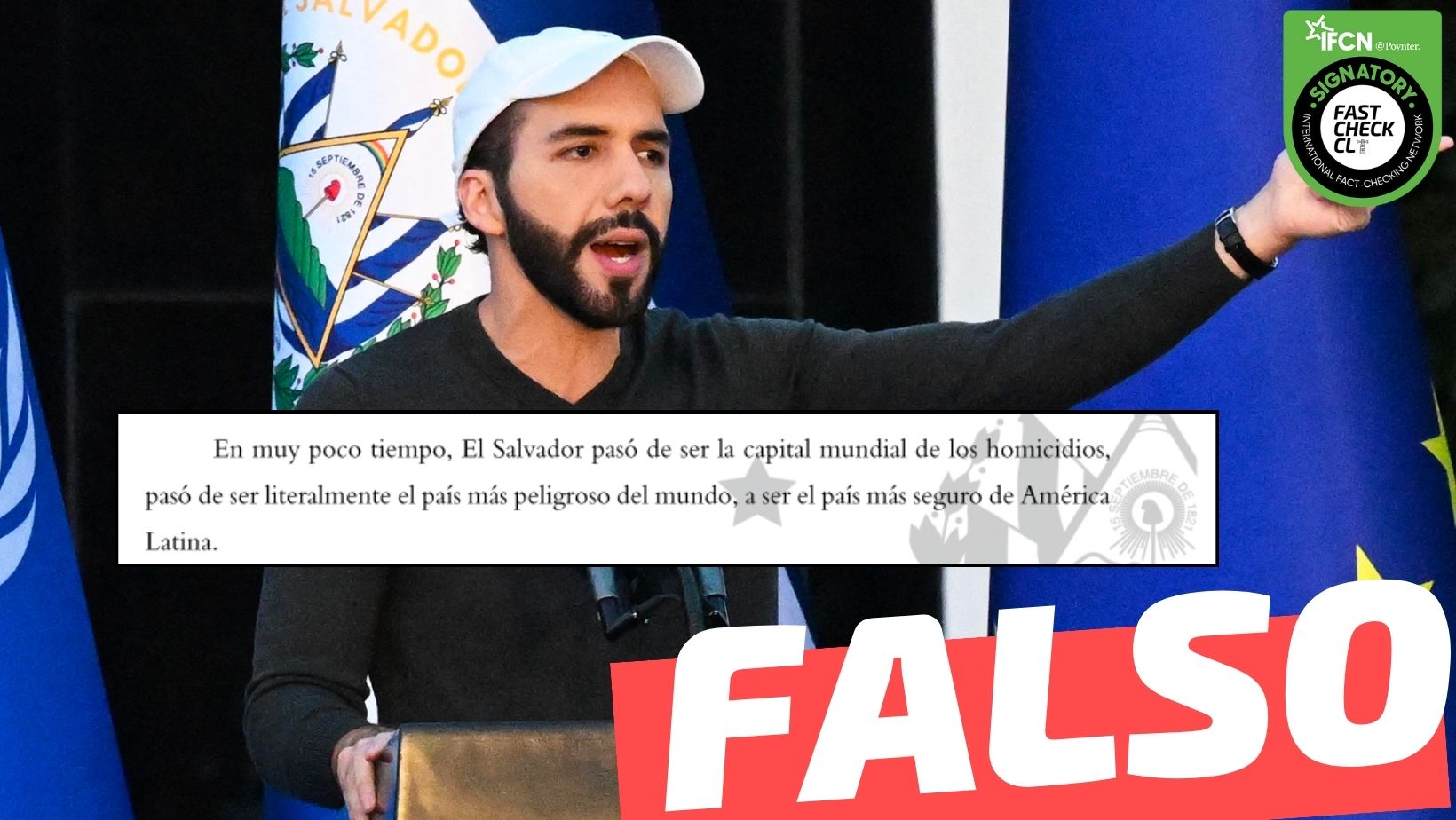
El Salvador es “el país más seguro de América Latina”
Publisher’s rating: Falso

Die Unwetter in Slowenien hängen mit Haarp-Anlagen zusammen.
Publisher’s rating: Falsch. Der Post zeigt eine Radarkarte, in deren Zentrum eine Wetterstation in Slowenien zu sehen ist. Die Ringe zeigen die Niederschlagsarten. Die einzige HAARP-Anlage weltweit befindet sich in Alaska. Die Energie, die so eine Anlage erzeugt, kann das Wetter nicht beeinflussen.

Deze video toont de interactie tussen grafeen en 5G-straling.
Publisher’s rating: De video toont niet de interactie tussen 5G en grafeen. De beelden staan al online van voor de uitrol van het 5G-netwerk en het beïnvloede materiaal is geen grafeen. Waarschijnlijk gaat het om een trucje met een magneet onder tafel. Er zit bovendien ook geen grafeen in de goedgekeurde coronavaccins.
The video was shared as an experiment supposedly showing 5G radiation making graphene move, with social-media posts connecting the claim to graphene in COVID-19 vaccines. The investigation traced an earlier version of the footage using a reverse-image search: it found the video on YouTube with Russian and English titles describing a mobile phone’s effect on magnetic ore. The footage had been online since January 2015, before 5G networks began operating. The phone shown is a Nokia Asha 501, which the review says does not support 3G, 4G or 5G. The material in the video is not identified as graphene. The YouTube title calls it “Magnetic Ore,” and the Russian narration uses a phrase meaning “magnetic ore.” The review says the exact metal powder cannot be established with complete certainty, but that the video does not call it graphene. It suggests the material may be an iron powder such as magnetite. The reported explanation for its movement is a concealed magnet beneath the table, not radiation from the phone: the review cites a 2015 investigation by the Russian newspaper Komsomolskaya Pravda that examined how the effect was produced. The review also addresses the vaccine implication separately. It says the video does not show graphene and reports that approved COVID-19 vaccines in the European Union do not contain graphene or graphene oxide. Thus, the footage’s date, the phone model, the material’s identification and the reported hidden-magnet explanation do not support the claim that it demonstrates an interaction between 5G and graphene.

Faustão furou a fila e recebeu um coração do SUS💲💲. Detalhe: o coração estava c miocardite. Agora pasmem, quer um novo coração só q dessa vez o "doador" não pode ter tomado as 💉💉. ‼️‼️‼️‼️⁉️⁉️⁉️⁉️‼️‼️‼️‼️ Tire suas conclusões. O povo perece por falta de conhecimento
Publisher’s rating: Falso

Naglabas ng paglilinaw na pahayag ang Office of the Ombudsman noong Setyembre 13 na si Ombudsman Samuel Martires ay humiling sa Kongreso na tanggalin ang isang espesyal na probisyon sa General Appropriations Act na nag-aatas sa Commission on Audit na ilathala ang mga Annual Audit Reports nito.
Publisher’s rating: Flip-flop
Chocolademelk is doeltreffender dan energie- en hersteldrankjes.
Publisher’s rating: Eerder waar

Joe Biden’a küfür edildiğini gösteren videonun gerçek olduğu iddiası
Publisher’s rating: Yanlış

Este video muestra a una multitud que está celebrando en un bar al ver la foto policial de Donald Trump, tras ser fichado en Georgia.
Publisher’s rating: Manipulado
Myocarditis caused 850 deaths to occur in Monterrey
Publisher’s rating: False

the FDA approved Ivermectin to treat COVID
Publisher’s rating: False
A Canadian diplomat visiting Golden Temple before leaving India.
Publisher’s rating: False
Where the data comes from
Fact checks come from Data Commons and link to the organizations that published them.
What you’ll find
Each result links to the original fact check. Open it to read the publisher’s findings, with summaries and supporting sources where available.
Report an error
To report an error, send the page URL and supporting evidence.