PeakMetrics / Fact Checks
Has this been
fact-checked?
Paste a claim or upload an image to find existing fact checks. See what fact-checkers found and read the evidence before you share.
Search fact checks ↓API & integrations ↗Browse by topic
Explore fact checks by subject.
Search fact checks
Search by text or imageLatest fact checks
98,223 published reviewsgazing at the sun for a long duration is beneficial
Publisher’s rating: Mostly False
ബലാല്സംഗത്തിന് ഇരയായ അഞ്ചുവയസ്സുകാരിയുമായി പിതാവിന്റെ പ്രതിഷേധം
Publisher’s rating: FALSE

Un comunicado informa que se comenzarán a aplicar multas de “medio salario mínimo” a las personas que utilicen aparatos electrónicos en los bancos mexicanos.
Publisher’s rating: Falso

Post no TikTok, com o título “capital da moda faliu, faz o L”, apresenta um homem reagindo a um vídeo em que uma pessoa circula por um centro comercial e informa estar na cidade de Santa Cruz do Capibaribe. No estabelecimento, segundo o vídeo, as lojas teriam falido por responsabilidade do governo Lula, uma vez que a situação na gestão de Jair Bolsonaro (PL) seria diferente. No vídeo, é feita uma relação direta entre a suposta falência com o número de votos dados por eleitores do Nordeste a Lula na última eleição. “Aqui é o maior comércio popular de roupa do Nordeste. Faliu. Lojas vazias, lojas com placas de aluguel, povo desesperado, falência total. Tire suas próprias conclusões. Você vai assistir agora um cenário terrível”, diz o autor da publicação.
Publisher’s rating: Falso
The investigation examined claims that the largest popular clothing market in the Northeast had gone bankrupt and that shops had closed because of Lula’s election. The posts used footage of a man walking through a commercial establishment in Santa Cruz do Capibaribe, Pernambuco. The reporting identified the filmed site as part of the Santa Cruz Mart Moda Hotéis development, rather than establishing that the whole city’s clothing trade had failed. The source says it contacted the development’s administrative director, Walter Botelho, and the local trade association. Botelho said the center was neither bankrupt nor closed and operated daily during business hours. He said the footage was recorded on a day without a fair, when foot traffic was lower, while acknowledging that the center faced difficulties and that the clothing hub had busy and slow seasons. The trade association likewise said the establishment had operated for years and had never closed. This evidence distinguishes reduced activity at a particular time from the video’s claim of total failure. The source also reports that the association disputed the video’s description of the site as the Northeast’s largest popular clothing market: it said that title belonged to Modas Center, also in Santa Cruz do Capibaribe. The excerpts document no evidence that the alleged closure resulted from Lula’s election; instead, they provide direct statements from the site’s administrator and the trade association that the filmed center remained open.

Op de World Population Summit in Caïro in 1994 kwamen 160 landen overeen om de wereldbevolking tegen 2030 terug te brengen 800 miljoen mensen.
Publisher’s rating: Nee, op de Wereldbevolkingsconferentie in 1994 werden doelen gesteld om de kwaliteit van leven voor mensen te vergroten, tegelijkertijd met - of ondanks - de bevolkingsgroei. Eerdere conferenties legden meer nadruk op het afremmen van bevolkingsgroei, maar nooit op bevolkingsreductie.
American Neo-Nazi fought in Ukrainian Azov regiment
Publisher’s rating: False

රොබෝවෙක් මිනිසෙකු සමඟ බැඩ්මින්ටන් ක්රීඩා කරන වීඩියෝව සත්යයක් ද?
Publisher’s rating: Altered
The review investigated social-media posts showing what appeared to be a robot playing badminton against human players. It concluded that the circulating video had been edited using AI, rather than documenting a robot playing in a real match. As evidence, the review says it found an earlier version of the badminton footage posted in the Facebook group “phalore Bedmation Club” on October 21, 2021. In that version, three human players were playing: one player against a pair. The review states that there were no robots in the footage. This comparison supports the conclusion that the robot shown in the circulating version was added or otherwise produced through editing. The excerpt does not describe a specific technical detection method beyond comparing the versions, so it does not support further claims about how the AI editing was identified.
only cholesterol plaque causes erectile dysfunction
Publisher’s rating: Mostly False

ශ්රී ලංකාව තුළ අත්යවශ්ය ආහාර ද්රව්යවල සිදුවන මිල විචලනයන් සඳහා දේශගුණික විපර්යාසයන්හි බලපෑමක් තියෙනවා ද?
Publisher’s rating: Explainer

கேரளா: கொல்லம் மாவட்டத்தில் பணிபுரியும் இந்திய ராணுவ வீரர் எஸ் குமார் தடை செய்யப்பட்ட அமைப்பான பிஎஃப்ஐ உறுப்பினர்களால் தாக்கப்பட்டார். அவரை கட்டி வைத்து அடித்து, முதுகில் PFI என எழுதப்பட்டிருந்தது. குற்றம் சாட்டப்பட்ட 6 பேர் மீது எப்ஐஆர் பதிவு செய்யப்பட்டுள்ளது.
Publisher’s rating: False
This photo shows BJP supporters protesting against Canada in front of Canara Bank.
Publisher’s rating: False
In a shocking incident, a serving soldier of Bharat’s Army, S Kumar was mercilessly beaten by the terrorists of PFI organisation in Kollam district, Kerala. The Jihadis further wrote PFI on the back of our Soldier S Kumar. It is high time the Communist government in Kerala cracked down ruthlessly against these Terrorists.
Publisher’s rating: False

Une photo montre l'ancien ministre ukrainien de la Défense Oleksiy Reznikov sur un yacht en Europe après sa démission.
Publisher’s rating: Non, cette photo n'a pas été prise après la démission d'Oleksiy Reznikov. Le cliché date de février 2020, lorsque ce dernier a demandé la main de sa compagne au cours d'une balade en bateau sur le Bosphore à Istanbul, en Turquie.
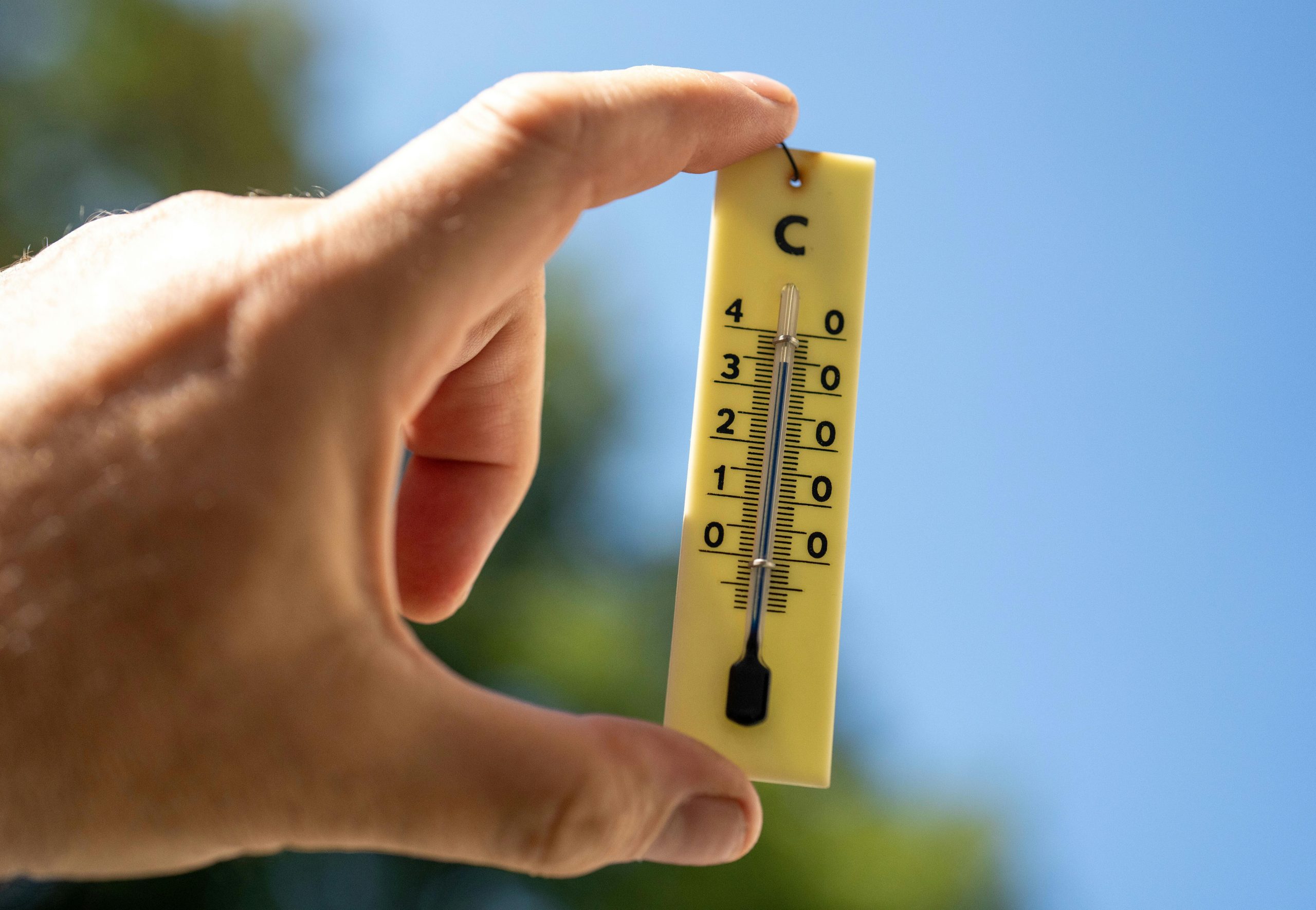
Mehr Messstationen befinden sich heute in städtischen Regionen, wodurch die Temperaturmesswerte verzerrt werden, da es in der Stadt erwiesenermaßen heißer wird.
Publisher’s rating: Der städtische Wärmeinseleffekt fließt in Österreich in die Messungen ein, trägt aber nur einen Bruchteil zum Gesamtanstieg der beobachteten Temperaturwerte bei. In Deutschland, das auch im Mittelpunkt des Videos steht, fließen städtische Messungen gar nicht in diese Berechnungen ein.
The claim concerns whether a growing concentration of weather stations in cities makes measured temperature trends misleading. The review acknowledges that cities are warmer than rural areas, but examines whether urban stations are increasingly contributing to the datasets used to calculate average temperatures. It reports that the cited video focused on Germany as well as the broader issue. For Austria, the review describes the HISTALP network, which has measured average temperature over more than 250 years. Geosphere Austria climatologist Alexander Orlik told APA that only a few of its 38 stations are in urban areas, including stations in Innsbruck and Vienna, while six are mountain-top stations. Urban readings do contribute, but the review reports Orlik’s assessment that their contribution is only a fraction of the overall temperature increase. In Vienna, the measured increase was about 0.2°C above the increase observed across Austria; Orlik said the urban heat effect does not explain the country’s overall increase. The review also reports that station locations are periodically changed, with comparable nearby sites sought, and that records are homogenized to correct artificial jumps and effects from relocations or measurement-method changes. It says the sources consulted reported no trend toward establishing more stations in cities. For Germany, the German Weather Service told APA that its separate urban-climate stations are not part of the official network used to calculate regional or national averages. The review therefore distinguishes the existence of warmer urban conditions from whether those measurements drive the reported national trends.
டவுன் பஸ்ஸில் ஸ்லீப்பர் கோச் வசதி செஞ்சி தந்த விடியா அரசுக்கு நன்றி..
Publisher’s rating: False

Das RKI zählt alle Menschen, die bei Temperaturen über 20 Grad sterben, als Hitzetote.
Publisher’s rating: Der Bericht des RKI, auf den sich die Beiträge beziehen, wird falsch wiedergegeben. Die 20 Grad sind eine Mitteltemperatur und für diese ein vergleichsweise hoher Wert. Bei Angaben zu Hitzetoten handelt es sich, wie es bei Fragen zur Übersterblichkeit die Regel ist, aber um statistische Modellierungen und Schätzungen.
The claim concerns an RKI graphic in a weekly report on heat-related mortality, published on 27 July. Social-media posts treated the graphic’s marked periods “über 20°C” and the label “mit Hitze” as evidence that every death in those periods was attributed to heat. The review explains that the RKI’s 20°C threshold refers to the average temperature over a week, not a daily high or a single measurement. The RKI based that weekly average on hourly readings at German Weather Service measurement points, including nighttime temperatures; the review notes that the 1991–2020 median rarely reached 20°C. The graphic does not classify every death in a marked period as heat-related. It shows two statistical estimates of deaths, one “with heat” and one “without heat.” The review says the RKI’s method accounts for factors including long-term trends in death counts. In the cited periods, deaths rose above the long-term trend; the RKI treated that excess as heat-related because it coincided with high temperatures. The relevant figure is therefore the estimated increase beyond what was statistically expected without heat, not the total number of deaths during those weeks. The review also gives the scale and qualification of the estimate: as of 21 September 2023, the RKI estimated 3,200 heat-related deaths for 2023. It says such estimates carry uncertainty and that the RKI reports a prediction interval to indicate possible variation. Thus the posts misrepresent both the 20°C measure and what the RKI counts as heat-related mortality.

Where the data comes from
Fact checks come from Data Commons and link to the organizations that published them.
What you’ll find
Each result links to the original fact check. Open it to read the publisher’s findings, with summaries and supporting sources where available.
Report an error
To report an error, send the page URL and supporting evidence.