PeakMetrics / Fact Checks
Has this been
fact-checked?
Paste a claim or upload an image to find existing fact checks. See what fact-checkers found and read the evidence before you share.
Search fact checks ↓API & integrations ↗Browse by topic
Explore fact checks by subject.
Search fact checks
Search by text or imageLatest fact checks
98,223 published reviewsVideo shows recent migrants’ attack on the Poland-Belarus border.
Publisher’s rating: Misleading

Fila do OssoFamílias fazem fila no açougue para receber doação de ossos #ForaLula
Publisher’s rating: Falso

Muslims vandalized a bus in Karnataka as the driver didn’t stop the bus when a Muslim women asked him for it
Publisher’s rating: FALSE
The claim concerns a video presented as showing Muslims vandalizing a bus in Karnataka because its driver did not stop near a woman’s house when she asked him to. The review says the footage instead shows an incident in Surat, Gujarat, during a 2019 rally against mob lynching. It reports that the rally turned violent and that some participants pelted stones at buses and damaged them. The bus vandalism is therefore real in the video, but the claimed Karnataka setting and explanation for it are not supported by the review’s findings. The review describes two checks used to identify the footage. It says the word “Sitilink” is visible on the bus and that a keyword search identified Sitilink, or Surat BRTS, as a public bus transport system based in Surat. It also reports finding a Divyang News Channel video published in June 2019 showing similar scenes, described as tear gas being fired by Surat Police after a rally against mob lynching turned violent. The review places the incident in the context of a rally organized in Surat by the Versatile Minorities Forum (VMF) and says news reports on the incident stated that five policemen were injured. Its conclusion is that an old video from Surat was recirculated as a recent incident in Karnataka. The supplied excerpt does not give a precise date for the 2019 rally or identify the person who filmed the viral video.
This video shows an attack on a U.N. vehicle used for human trafficking in Senegal.
Publisher’s rating: False
Typhoon Jenny is twice as powerful as Super Typhoon Yolanda. It will hit Luzon.
Publisher’s rating: False

The FEMA Emergency Alert System test will trigger reactions among vaccinated individuals.
Publisher’s rating: False

Un precandidato republicano interrumpió a la periodista Ilia Calderón por dirigir unas palabras en español mientras comoderaba el segundo debate presidencial republicano, como muestra este video.
Publisher’s rating: Falso / Manipulado

Juice hacks on Instagram to fix asthma, detox lungs
Publisher’s rating: Lungs are self-cleaning organs that have the remarkable ability to naturally detox themselves. There is no scientific evidence to prove that juices – of any kind – can cleanse the lungs.

Capital TV and SAMAA TV claim an earthquake hit Pakistan, with people experiencing strong shocks.
Publisher’s rating: Misleading
Lula cumpre promessa e 22 mil presos são liberados após mutirão do CNJ
Publisher’s rating: Falso
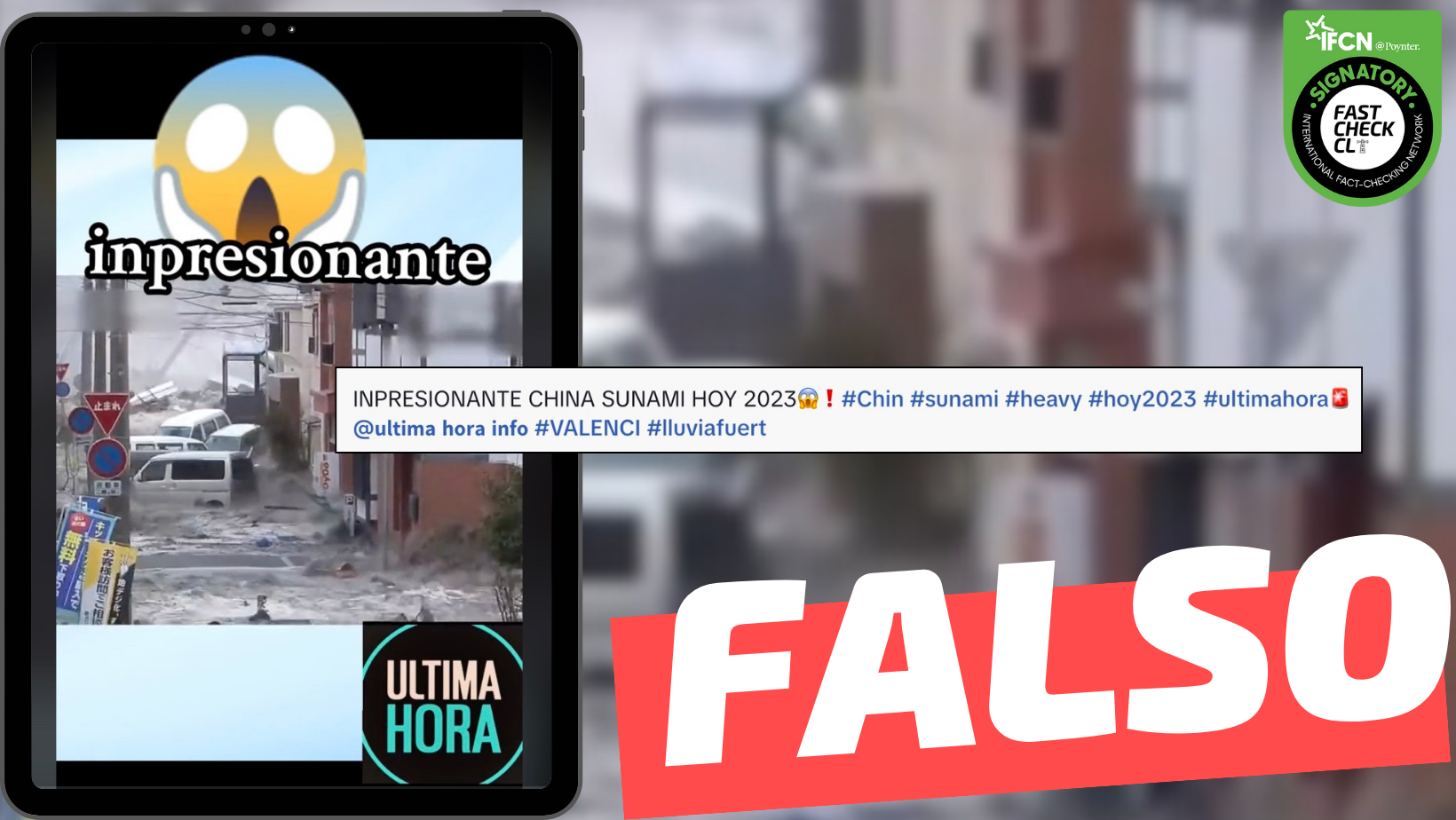
Este video muestra un tsunami en China del 1 de octubre.
Publisher’s rating: Falso
Social media users claimed that videos showed people vanishing in thin air.
Publisher’s rating: False: These videos are staged.

Deze mug heeft een serienummer (36).
Publisher’s rating: Het insect is geen mug, maar een wants. Sommige soorten wantsen hebben zwarte markeringen op hun lichaam, dat in deze video lijkt op het nummer 36.
The claim concerns a social-media video in which a small insect appears to have “36” on its back. The review identifies the insect as a bug rather than a mosquito, and says the apparent number is a natural dark marking—not a serial number. It reports that entomologist Marcel Dicke of Wageningen University agreed with that identification. The review describes why the insect’s appearance does not fit a mosquito: it is green and pear-shaped, whereas mosquitoes are generally narrow and elongated. It also points to the wings visible in the video: the insect has two pairs, while mosquitoes have one functional pair. The review says these features fit an aphid, and notes that American entomologists reached the same identification in a USA Today fact-check. The review explains that some bugs, including aphids, can have dark markings on their backs, which are mistaken for the number 36 in this video. It also distinguishes the video’s claim from the separate fact that genetically modified mosquitoes exist: the review says some can be identified by a fluorescent gene that glows in the dark, and that their purpose is to reduce populations of mosquito species that carry diseases such as Zika.

உங்களுடைய தகவலுக்காக சொல்கிறேன். 57% தமிழக வாக்காளர்கள் 36 வயதிற்கு கீழே இருக்கிறார்கள். இவற்றையெல்லாம் அரசியல் கட்சிகள் இணைத்து பார்க்க வேண்டும். இவர்களுடைய மொழி வேறு, இவர்கள் பேசுவது வேறு, அவர்களெல்லாம் இயற்கையாகவே கிளர்ச்சியாளர்கள், அவர்களெல்லாம் இயற்கையாகவே முரட்டுத்தன்மைக் கொண்டவர்கள். அவர்களெல்லாம் சத்தியமாக டிவியே பார்ப்பது கிடையாது. அவர்களெல்லாம் இஸ்டாகிராமில் வாழ்கிறார்கள்.
Publisher’s rating: False
Where the data comes from
Fact checks come from Data Commons and link to the organizations that published them.
What you’ll find
Each result links to the original fact check. Open it to read the publisher’s findings, with summaries and supporting sources where available.
Report an error
To report an error, send the page URL and supporting evidence.