PeakMetrics / Fact Checks
Has this been
fact-checked?
Paste a claim or upload an image to find existing fact checks. See what fact-checkers found and read the evidence before you share.
Search fact checks ↓API & integrations ↗Browse by topic
Explore fact checks by subject.
Search fact checks
Search by text or imageLatest fact checks
98,223 published reviews
Este video muestra a oficiales de alto rango israelíes atrapados por Hamas.
Publisher’s rating: Falso / Fuera de contexto
adding a disclaimer can enable misinformation sharing
Publisher’s rating: Mostly False

Visuals of Palestinian women fleeing Northern Gaza by holding Indian flags in order to escape from Israel attack
Publisher’s rating: FALSE
The claim concerns a video said to show Palestinian women fleeing Northern Gaza while carrying Indian flags to avoid Israeli attacks. The review says the footage depicts Muslim women walking with Indian flags, but identifies them as Indian pilgrims travelling to Karbala, Iraq, for the 2023 Arbaeen Walk—not Palestinians escaping Gaza. The investigation describes a reverse image search that found the same footage posted on YouTube and Instagram during the first week of September 2023. That was about a month before the Israel-Hamas conflict in October 2023. The descriptions accompanying those earlier posts suggested the scenes were from the Arbaeen Walk. The review places the footage in the pilgrimage that took place on 06 September 2023. It also reports finding other visuals of Indian pilgrims carrying Indian flags during the event. Together, the earlier posting and the pilgrimage context contradict the claim that this video shows women fleeing Northern Gaza during the later conflict.
The BBC headquarters in London had been daubed with red paint after the news organisation refused to refer to members of Hamas as “terrorists".
Publisher’s rating: Evaluation: False While the entrance of BBC Broadcasting House was sprayed with red paint, Palestine Action said on Sunday October 15 it had carried out the protest because it felt the broadcaster was “spreading the occupation’s lies and manufacturing consent for Israel’s war crimes” in relation to Israel’s retaliation over the deadly attacks by Hamas militants a week earlier. It was unrelated to the separate row over how the BBC refers to Hamas in its reporting.
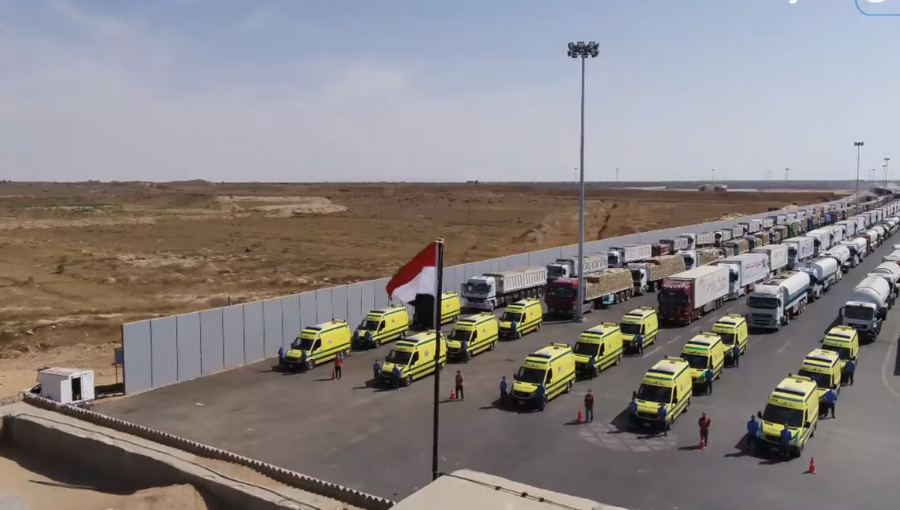
Mısır – Gazze sınırındaki yardım konvoyunu gösteren videonun güncel olduğu iddiası
Publisher’s rating: Yanlış
Israeli Prime Minister Benjamin Netanyahu ordered the evacuation of Filipinos in Israel.
Publisher’s rating: False


हर बार की भांति इस बार भी पाकिस्तान की हार पे पाकिस्तान मे टीवी टूटने का रशम।
Publisher’s rating: False
bentonite clay can cure cavities and gum diseases
Publisher’s rating: Mostly False

ACABOU DE ACONTECER! MORAES RECEBE TRISTE NOTÍCIA TODOS ERAM INOCENTES
Publisher’s rating: Falso
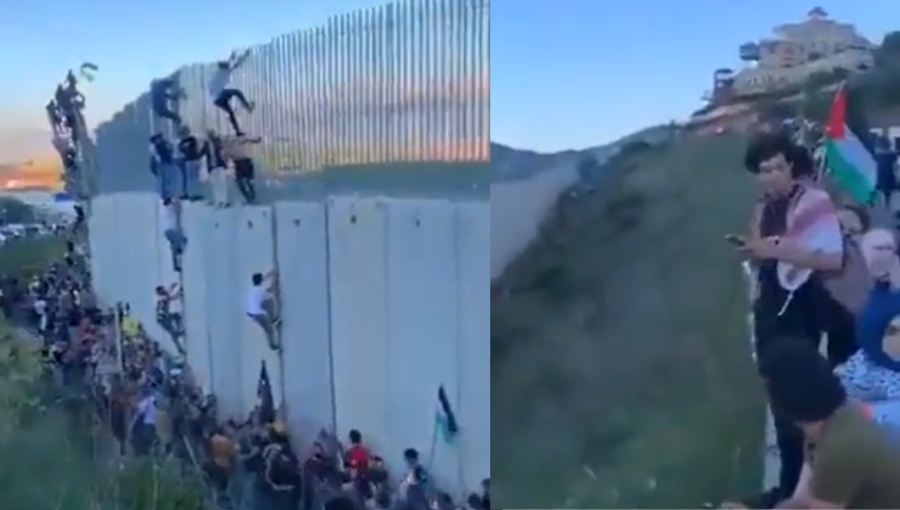
Filistin’e destek için sınırı geçmeye çalışan Lübnanlıları gösteren videonun güncel olduğu iddiası
Publisher’s rating: Yanlış

Video muestra palestinos cargando el cuerpo de un niño víctima de Israel.
Publisher’s rating: Falso

بعد اجتماعه مع وزير الخارجية الأمريكي.. بن سلمان يعيد المياه إلى غزة
Publisher’s rating: خبر كاذب - لم يتطرق الاجتماع لمناقشة إعادة المياه إلى قطاع غزة.
அல்ஹம்துலில்லாஹ் ! இது இஸ்ரேலில் உள்ள நமது சகோதர சகோதரிகளுக்காக. – முகமது சிராஜ்
Publisher’s rating: Fake

Photo of children killed in Palestine amid the Israel-Hamas war.
Publisher’s rating: False

Israeli soldiers greasing bullets with pig fat
Publisher’s rating: MISLEADING
The review examines a video shared as showing Israeli soldiers greasing bullets with pig fat during the Israel–Hamas war, with the post presenting it as a tactic against Muslims. The investigation says it could not find credible information establishing the video’s details, and its assessment focuses on whether the soldier’s equipment and the timing fit the claim. It reports that the uniform did not resemble IDF gear and that the helmet’s front mount looked similar to Ukrainian army equipment. The review therefore considered a Ukrainian origin more likely than an Israeli one. To investigate the footage, the review says it ran reverse image searches on video keyframes and searches for relevant terms. Those searches did not find credible reporting of Israeli soldiers greasing bullets with pig fat during the war. In contrast, it found older videos and posts about Ukrainian Azov fighters allegedly greasing bullets with pig fat to use against Muslim Chechens deployed in Ukraine. The review also compared the viral video’s uniform with IDF and Ukrainian gear, while noting that these observations suggest an origin rather than conclusively identify the person or footage. The review adds a chronology that weighs against the video being an Israeli ground-force scene from the claimed period: it says the video first appeared on a Telegram channel on 11 October 2023, while Israel’s ground forces were not ready for a Gaza invasion until 15 October. Taken together, the equipment comparison, absence of credible corroboration for the Israeli claim, and reported timing led the review to conclude that the video was unrelated to Israeli soldiers in the Israel–Hamas war.

Where the data comes from
Fact checks come from Data Commons and link to the organizations that published them.
What you’ll find
Each result links to the original fact check. Open it to read the publisher’s findings, with summaries and supporting sources where available.
Report an error
To report an error, send the page URL and supporting evidence.