PeakMetrics / Fact Checks
Has this been
fact-checked?
Paste a claim or upload an image to find existing fact checks. See what fact-checkers found and read the evidence before you share.
Search fact checks ↓API & integrations ↗Browse by topic
Explore fact checks by subject.
Search fact checks
Search by text or imageLatest fact checks
98,223 published reviews
Claim: controversy due to Bulgaria photo spreading as Gujarat road
Publisher’s rating: ஃபேக்ட் கிரஸண்டோ ரேட்டிங்: FALSE
The post described in the review showed a road with separated, rail-like strips of asphalt and claimed it was a two-way road built in Gujarat as a measure against motorcycle collisions. The review says the post appeared on Facebook on October 29, 2023, and attributes the road’s invention to Modi. Fact Crescendo investigated where the photo was taken rather than accepting the post’s location claim. The review reports that it uploaded the image to Google reverse image search and found it used in several Bulgarian-language news reports. Using Google Translate, it examined those reports and found they described a road on a street in Bulgaria’s capital. The review also says news outlets had published videos interviewing drivers who used that street. These findings link the distinctive road image to reporting about a location in Bulgaria, not Gujarat. On that basis, the review concluded that the circulating photo was taken in Bulgaria and that the claim it showed a road built in Gujarat was false. The supplied excerpt does not name the street or provide the underlying Bulgarian articles’ text, so those details cannot be independently assessed from this evidence alone.
you can get fair feet instantly using a quick home remedy
Publisher’s rating: Mostly False
a Coca-Cola concoction can reverse the graying of hair
Publisher’s rating: False
र्की में हमास समर्थक इस्तांबुल में इज़राइल वाणिज्य दूतावास पर आतिशबाजी के साथ हमला करना चाहते थे
Publisher’s rating: False
الرئيس عبد الفتاح السيسي هو الناجي الوحيد ضمن 50 ضابط مخابرات وجيش مصري، من حادث في 31 أكتوبر 1999
Publisher’s rating: الادعاء "مضلل"، والبحث العكسي أظهر أن مقطع الفيديو المنشور في صفحات التواصل الاجتماعي اُجْتُزئ من حديث للإعلامي بقناة العربية نضال حمدي، وبالبحث تبين أن السيسي لم يكن في الولايات المتحدة في عام 1999، ولم يكن على متن الطائرة التي سقطت في الحادث


The viral video shows a man teaching his daughter to laugh each time they hear an Israeli air strike
Publisher’s rating: FALSE
The video does show a father encouraging his young daughter to laugh when they hear bomb sounds, but the review identifies the claim’s key misrepresentation as its connection to Israeli air strikes. The people in the video are Syrian father Abdullah Mohammed and his daughter Salwa, and the reported events took place in Idlib, Syria—not Israel. The review therefore rates the claim false, while distinguishing the video’s real subject from the misleading description attached to it. To investigate, FACTLY says it searched online using keywords related to the video and the accompanying claim. That search led it to news reports about the video dating to 2020. The review says those reports identified Mohammed as a Syrian father who turned the bombing situation into a game for his then-three-year-old daughter, encouraging her to laugh whenever they heard a bomb sound. It also says the video went viral in 2020 and that news outlets reported on his approach to helping his daughter cope. The distinction is important: the review does not say the video fabricated the father-daughter interaction or the bomb sounds. Instead, it rejects the claim that those events involved Israeli air strikes, explaining that the family’s experience was in Syria. The supplied excerpt does not identify the individual news reports or provide further details about the video’s recording, so the account here is limited to what the review states.
وقف مبيعات شركة بيبسي داخل مصر بسبب حملات المقاطعة
Publisher’s rating: الادعاء "غير صحيح"، حيث لم تصدر شركة بيبسي داخل مصر أي بيان على صفحات التواصل الاجتماعي الخاصة بالشركة أو الموقع الرسمي، عن وقف المبيعات داخل مصر

هل كان بالإمكان تجنّب توقّف 80% من الرحلات الجوية في مطار بيروت الدولي؟
Publisher’s rating: صحيح
The review investigates whether the risk of 80% of flights stopping could have been avoided through earlier involvement by Lebanese aviation and insurance authorities or local insurers. It reports that on 21 October 2023, Middle East Airlines (MEA) chairman Muhammad al-Hout said insurers had reduced aircraft insurance coverage by 80% after negotiations, leaving the airline able to operate only 20% of its flights. MEA was described as Lebanon’s only airline, with a fleet of 24 aircraft, including 22 commercial planes. The review says MEA’s insurance contracts were confidential and that copies had not been deposited with the Civil Aviation Directorate. It cites the civil aviation law’s Article 6 as assigning the Civil Aviation Authority oversight of air transport and a role in negotiating air-transport agreements. Economy Minister Amin Salam said the insurance regulator did not know about MEA’s foreign insurance contracts, and that intervention before insurers’ decision might have secured better terms. The review also reports that Salam argued for a Lebanese insurance-sector share in the policies to improve negotiating conditions. Lebanese insurers’ association head Asaad Mirza said MEA had rejected the association’s offer both to insure aircraft and to review the policy to improve its terms. The review’s conclusion is therefore conditional: it says local insurers’ participation could have improved policy conditions and potentially prevented the disruption. The excerpt supports that proposed avenue and identifies the reported obstacles, but it does not establish that the intervention would certainly have prevented the flight reductions.


حماس تحرق طفلا إسرائيليا في الفرن وتقتل والده
Publisher’s rating: لم يوفر لا دوفيد ولا كارولين ولا حتى إيلي بيير أي صور أو فيديو توثق وجود طفل إسرائيلي مخبوز في الفرن بالفعل.
The review examines a story circulated on social media that Hamas had baked an Israeli child in an oven and killed the child’s father. It identifies New York Sun editor and founder David Ivony as posting the allegation on X on October 29, 2023, attributing it to United Hatzalah founder Eli Beer. It also describes journalist Caroline Glick’s post, which added allegations that the child’s father was killed and the mother repeatedly raped. The review notes that Glick’s additional claims were not part of what Beer said about the alleged child: “خلال كلمته عن ‘الطفل المخبوز’، لم يذكر إيلي بيير أي شئ عن اغتصاب جماعي لوالدة الطفل، ولا عن قتل والده.” The review’s central evidentiary point is that the people cited in the viral posts did not provide visual documentation. It reports that Ivony’s post had received more than 15 million views, but says that neither Ivony, Glick, nor Beer supplied photographs or video showing a child baked in an oven. It also says the account lacked identifying details: Beer and the Israeli government had not named the child, given the child’s age, or provided information about the family. The review further reports that, by the time it was written, the Israeli government had issued no information or obituary for the child. As an additional check described in the review, Israeli journalist Ishai Cohen said he had asked the Israeli military and other organizations about the story and received no information confirming the event. The review concludes that the allegation was unsupported; its cited evidence establishes the absence of the documentation and identifying information it sought, rather than supplying direct proof of what happened to a particular child.
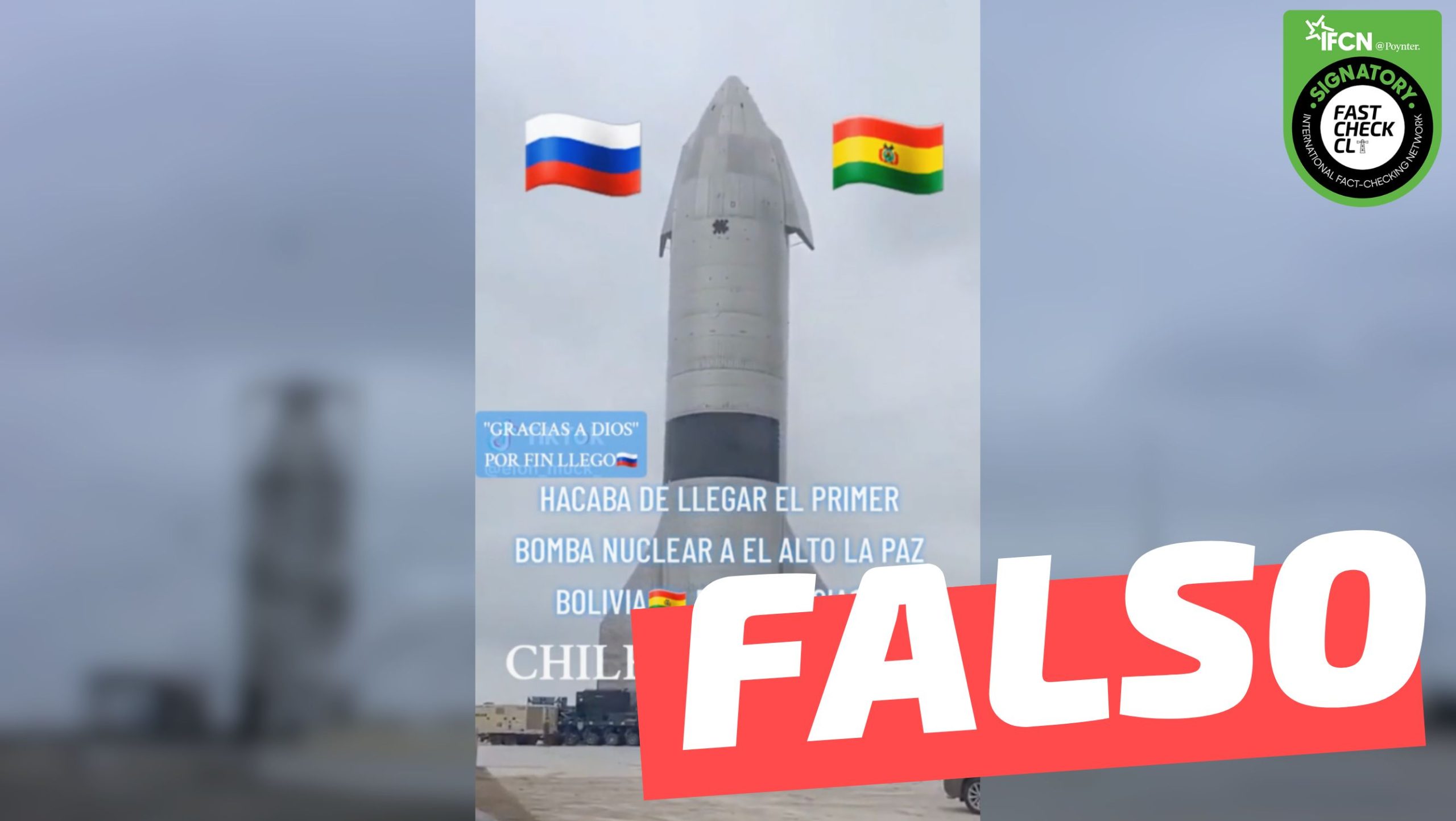
Este video muestra la primera bomba nuclear enviada desde Rusia a Bolivia.
Publisher’s rating: Falso
using mobile phones affect vision
Publisher’s rating: Missing Context
there is a new drug which can cure Diabetes
Publisher’s rating: False

ICC imposed a fine of Rs 55 lakhs on Rashid Khan. Ratan Tata, by saying that the person who showed respect to our National Flag should be lauded. Tata announced that he would not only pay the fine amount of Rs 55 lakhs but also reward Rashid Khan with a whopping amount of Rs 10 crore. Hail Ratan Tata
Publisher’s rating: False
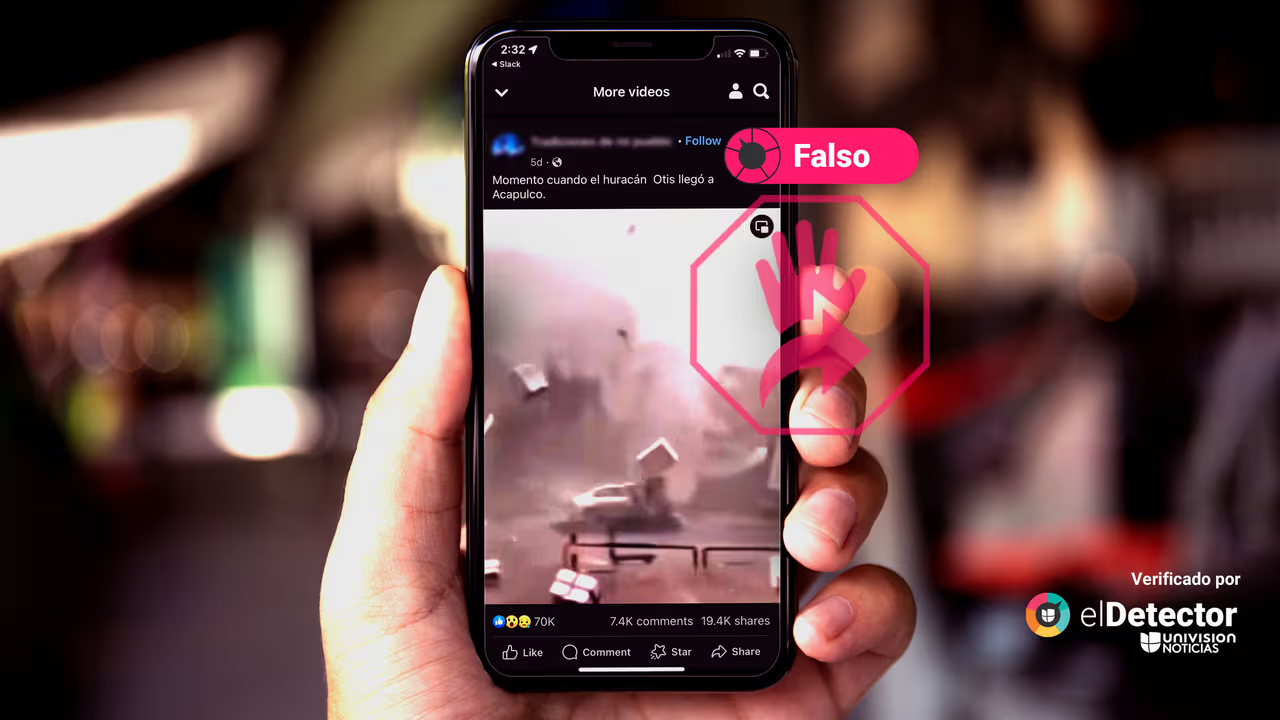
Este video muestra imágenes del “momento cuando el huracán Otis llegó a Acapulco”.
Publisher’s rating: Falso

“Hace 68 años y 225 días que Chile no ganaba una medalla en el lanzamiento del disco en Juegos Panamericanos”
Publisher’s rating: Real

ביצהר הודיעו לתושבי חווארה שעליהם למחוק כתובות נאצה... תושבי יצהר מדברים "ערבית". התוצאות בהתאם
Publisher’s rating: מטעה
The claim is about Avichai Boaron’s account that residents of Yitzhar told residents of Hawara to erase swastika graffiti or face the town being set on fire, and that Hawara’s residents erased it because Yitzhar residents “speak Arabic.” The investigation examined the removal of swastikas sprayed beside Palestinian flags on a long concrete wall along Hawara’s main road. It describes competing accounts: Boaron and other right-wing activists linked the cleanup to threats from Yitzhar residents, while a report by Ynet said security forces did the erasing. “Accordingly, ‘Hawara residents went down to erase the graffiti… Yitzhar residents speak “Arabic.” The results followed.’” The investigation says it checked the authenticity of the “before” and “after” photographs with the IDF, which confirmed that both were authentic and had been taken the previous week. The IDF said, however, that the graffiti was removed on the security forces’ initiative and order, in coordination with Palestinian representatives in the area. A resident of the nearby Givat Ronen outpost, Rabbi Menachem Ben Shachar, also acknowledged to the investigators that the wall was erased on the IDF’s order, while attributing that order to pressure and threats from local civilians. “According to the army, its removal was done at the initiative and by order of the security forces, and in coordination with Palestinian representatives in the area.” The investigation further distinguishes the cleanup from an attempted intervention by Yitzhar residents. The IDF said there had been an attempt to go to Hawara, but security forces prevented it; the investigators say this also accorded with reports by right-wing activists on Twitter at the time. The article’s conclusion is that Hawara residents did erase the graffiti, but the account that they did so directly because Yitzhar residents forced them to was misleading: the stated immediate order came from the IDF. The article also notes that, according to the IDF, similar graffiti had been sprayed there several days earlier and erased by residents themselves, without an order from security forces.
Where the data comes from
Fact checks come from Data Commons and link to the organizations that published them.
What you’ll find
Each result links to the original fact check. Open it to read the publisher’s findings, with summaries and supporting sources where available.
Report an error
To report an error, send the page URL and supporting evidence.