PeakMetrics / Fact Checks
Has this been
fact-checked?
Paste a claim or upload an image to find existing fact checks. See what fact-checkers found and read the evidence before you share.
Search fact checks ↓API & integrations ↗Browse by topic
Explore fact checks by subject.
Search fact checks
Search by text or imageLatest fact checks
98,223 published reviews

Este video muestra a estudiantes de Harvard que abandonan una charla del cónsul de Israel en Nueva York.
Publisher’s rating: Fuera de contexto
The claim concerns footage of Harvard students leaving a talk by Israel’s consul general in New York. The investigation identifies the footage as a real protest at Harvard, but says it was wrongly presented as connected to the war that began on October 7, 2023. It reports that the video dates to November 2019, so it predates that conflict by almost four years. To trace the footage, the fact-check describes searching Google in English for terms about Israel’s consul and Harvard Law School. That search led to videos of the same recording, whose visible logo identified the outlet Middle East Eye. The investigators then found the original, longer video on that outlet’s YouTube channel. Its description identifies the people leaving as Harvard Law School students and the event as a talk by Dani Dayan titled “The Legal Strategy for Israeli Settlements.” The review also establishes why the speaker’s title does not make the footage recent: Dayan was the consul general when the event took place, but had left the post in 2020. The person holding the position when the review was published was Aviv Ezra. The supported conclusion is therefore that the footage shows a protest at the stated university and type of event, but not a current protest connected to the post-October 2023 war.

The new interim of Chief Executive Officer (CEO) named Mira Murati is an Indian.
Publisher’s rating: FALSE
वीडियो इजरायल के संसद भवन का है जहां जम कर लड़ाई हुई।
Publisher’s rating: False
Never forget & let your future generation know the truth 5 August 2020 when the foundation puja of Shri Ram Mandir was performed at Shri Ayodhya ji, @incindia along with janeyu dhari Kalanemi protest against it by wearing black clothes in Parliament This is real face of @incindia
Publisher’s rating: false
Sinabi ni dating pangulong Rodrigo Duterte na madaling kontrolin ang katiwalian.
Publisher’s rating: Flip-flop

Este video muestra el río Nilo teñido de rojo.
Publisher’s rating: Falso / Fuera de contexto
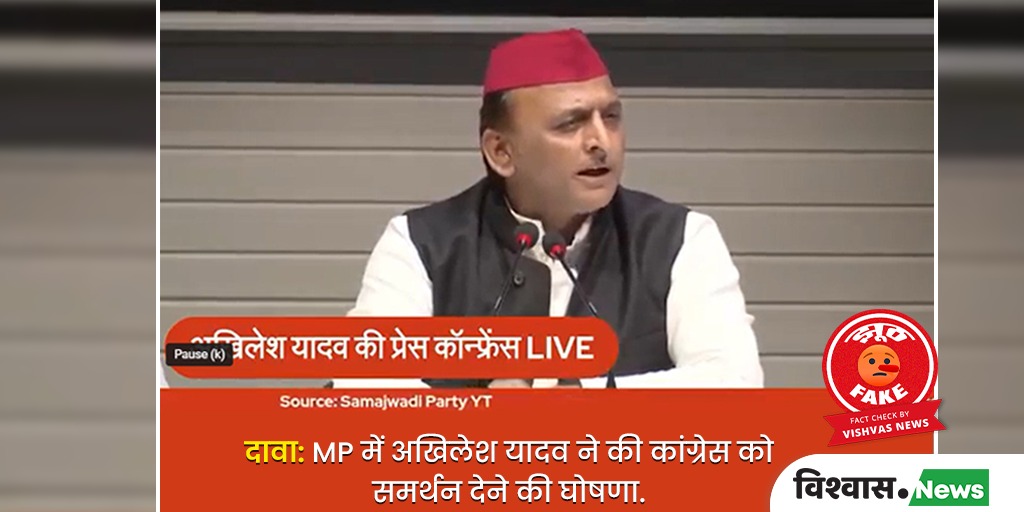
अखिलेश यादव ने चुनाव से पहले समाजवादी पार्टी के कार्यकर्ताओं को कांग्रेस का समर्थन करने की अपील की है।
Publisher’s rating: FALSE
This video shows a New York billboard ad, 'Stand with Ukraine' replaced by pro-Israel messaging.
Publisher’s rating: Fake

Claim: old video reshared as israeli army founds weapon in gaza al shifa hospital
Publisher’s rating: ஃபேக்ட் கிரஸண்டோ ரேட்டிங்: FALSE

Ein Papier aus Norwegen widerspricht bei der Frage, ob vom Menschen verursachte CO2-Emissionen Einfluss auf die Temperaturen der vergangenen 200 Jahre hatten, dem wissenschaftlichen Konsens.
Publisher’s rating: Der menschliche Einfluss auf das Weltklima gilt als wissenschaftlich gesichert und wird von nahezu allen Ländern dieser Welt als gegeben angesehen. Das veröffentlichte Papier ist nicht wie von manchen Verbreitenden behauptet eine Studie, sondern lediglich ein Diskussionspapier, das Experten zufolge aufgrund fehlender belastbarer Aussagen einem wissenschaftlichen Diskurs nicht standhalten würde.

هل هناك توجّه لإعطاء الأموال للنازحين السوريين في الجنوب لاستئجار منازل في مناطق لبنانية اخرى؟
Publisher’s rating: غير صحيح

Angola, an African Nation banned Islam and is destroying mosques
Publisher’s rating: FALSE
FACTLY examined social-media posts alleging that Angola had banned Islam and was destroying mosques. It says its keyword searches found no recent news reports or credible sources confirming either allegation, and that the same claim had circulated since 2013 alongside misleading pictures of destroyed buildings. The review also reports that Angola’s government had addressed the allegation in 2013: officials said there was no ban on Islam and no war against Islam or another religion. They clarified that some mosques had been destroyed or closed because they were built without government approval, while other mosques operated without problems. The review distinguishes a nationwide ban from the regulation of religious groups and buildings. It cites the U.S. Department of State’s 2022 Report on International Religious Freedom, describing Angola’s constitution as establishing a secular state that guarantees religious freedom and bars discrimination. It also says unregistered groups may be shut down and that official recognition is subject to criteria, including a requirement that a religion be practiced by more than 100,000 people and be present in at least two-thirds of the country. The review notes that people may follow a faith even if it is not officially recognized. Its evidence therefore supports the conclusion that the broad claim conflates the absence of official recognition and past closures of unauthorized mosques with a ban on Islam and ongoing mosque destruction.
This video shows Bollywood actor Kajor changing clothes on camera
Publisher’s rating: False

ESSE É O ÚLTIMO KIT DO PROGRAMA DISPONÍVEL NA SUA REGIÃO. EFETUE O PAGAMENTO EM ATÉ 15 MINUTOS PROGRAMA familia Friboi
Publisher’s rating: Falso
از ابتدای دولت سیزدهم حدود ۲/۵ میلیون شغل ایجاد کردیم.
Publisher’s rating: نادرست

Claim: 2022 dated congress mp protest photo being linked on ram temple foundation ceremony
Publisher’s rating: ஃபேக்ட் கிரஸண்டோ ரேட்டிங்: FALSE
Where the data comes from
Fact checks come from Data Commons and link to the organizations that published them.
What you’ll find
Each result links to the original fact check. Open it to read the publisher’s findings, with summaries and supporting sources where available.
Report an error
To report an error, send the page URL and supporting evidence.