PeakMetrics / Fact Checks
Has this been
fact-checked?
Paste a claim or upload an image to find existing fact checks. See what fact-checkers found and read the evidence before you share.
Search fact checks ↓API & integrations ↗Browse by topic
Explore fact checks by subject.
Search fact checks
Search by text or imageLatest fact checks
98,211 published reviews
ಈ ವೀಡಿಯೋ ವಿಶ್ವಕಪ್ ಸೋಲಿನ ನಂತರ ಬಾಂಗ್ಲಾದೇಶದ ಕ್ರಿಕೆಟಿಗ ಪ್ರೇಕ್ಷಕರಿಂದ ನೂಕುನುಗ್ಗಲು ಅನುಭವಿಸಿದನ್ನು ತೋರಿಸುತ್ತದೆ.
Publisher’s rating: ತಪ್ಪು

Le Parlement européen a voté l'abolition du droit de veto des Etats membres. L’époque de la souveraineté nationale est officiellement révolue.
Publisher’s rating: Non, le Parlement européen (PE) ne peut réviser à lui seul les Traités de l'Union européenne, qui régissent les procédures décisionnelles. Le Parlement n'a fait qu'adopter des propositions de réforme, qui doivent ensuite être examinées par les Etats membres.
The claim followed the European Parliament’s adoption of a reform report on 22 November 2023. The report did propose reducing the use of unanimity, which gives member states an effective veto in some areas, including foreign policy and taxation. But the report did not itself abolish that veto or make the proposed changes law. The review says the Parliament adopted proposals for treaty reform, rather than revising the treaties itself. The vote was 305 in favour, 276 against and 29 abstentions. Among the proposals were replacing unanimity with more decisions made by qualified majority and using the ordinary legislative procedure. These were recommendations in a report, not a completed change to EU decision-making rules. The distinction matters because implementing some recommendations would require treaty revisions, which the Parliament cannot enact alone. The review described further steps: the Spanish Council presidency was to submit the suggestions to member states in December; if governments agreed to amend the treaties, a convention would be convened to discuss the changes; and every EU state would still have to ratify them. The report therefore did not establish that national sovereignty was officially over.
نیمی از چاپ پول بانک مرکزی در شش ماهه اول سال ۱۴۰۲ صرف نجات بانک آینده شده است.
Publisher’s rating: نیمهدرست

అబ్దుల్ కలాం విగ్రహారాధనను మూర్ఖత్వంగా భావించేవాడని తెలుపుతూ ఆయన జీవితంలో జరిగిన ఒక సంఘటనను ఒక వ్యక్తి వివరిస్తున్న వీడియో
Publisher’s rating: FALSE
पापा पॉजिटिव हैं” जल्दी हसेंगे !! रोहित शर्मा की बेटी ने बताई दिल की बात।
Publisher’s rating: False
অষ্ট্ৰেলিয়াৰ প্ৰাক্তন ক্ৰিকেটাৰ ৰিঙি পণ্টিঙে বিচিচিআইক 'ক্ৰিকেট মাফিয়া' বুলি অভিহিত কৰিছে
Publisher’s rating: মিছা
Árvore de Natal 2023 Full Mágica com Luzes e Controle Remoto [...] 1,5 metros [...] por R$ 125,90
Publisher’s rating: Falso
This video shows Polish MP and former Prime Minister Donald Tusk saying he will not deliver his election campaign promises.
Publisher’s rating: Fake
कभी भूलें नहीं- 5 अगस्त 2020 को जब श्री राम जन्मभूमि का शिलांन्यास हो रहा था उस दिन कांग्रेस के सांसद काले कपड़े पहनकर संसद गये थे।
Publisher’s rating: False
Earthquakes in Mindanao has caused megamouth sharks to get beached
Publisher’s rating: False

Watch Rohit Sharma emotional message for INDIAN fans after India Lost the WORLDCUP FINAL against AUS
Publisher’s rating: false

Chegada do Bolsonaro hoje em Porto Alegre hoje 17 de novembro de 2023.
Publisher’s rating: Falso
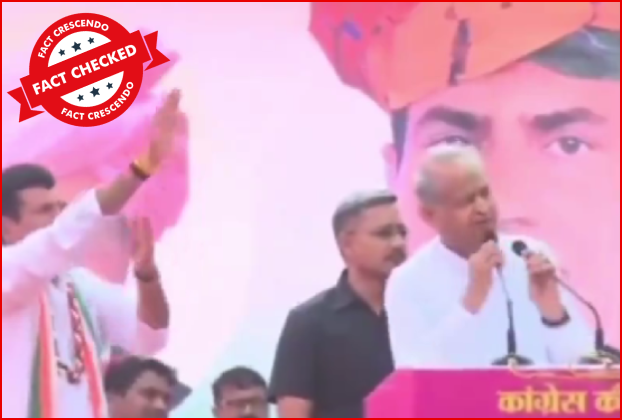
ये लो साहब राजस्थान का चुनाव परिणाम आ गया । गहलोत जी पैकिंग शुरू करो…
Publisher’s rating: False
யார் பிரதமராக வேண்டும் என நீங்கள் நினைக்கிறீர்கள்…? வேற யாரு நம்ம மோடிஜி தான் டாப்…
Publisher’s rating: fake
Where the data comes from
Fact checks come from Data Commons and link to the organizations that published them.
What you’ll find
Each result links to the original fact check. Open it to read the publisher’s findings, with summaries and supporting sources where available.
Report an error
To report an error, send the page URL and supporting evidence.