PeakMetrics / Fact Checks
Has this been
fact-checked?
Paste a claim or upload an image to find existing fact checks. See what fact-checkers found and read the evidence before you share.
Search fact checks ↓API & integrations ↗Browse by topic
Explore fact checks by subject.
Search fact checks
Search by text or imageLatest fact checks
98,211 published reviewsThis video shows the Indian women's hockey team celebrating after it defeated Australia in the ‘Women Hockey World Championship’.
Publisher’s rating: False

Dieses Foto zeigt eine weitere Pallywood-Inszenierung.
Publisher’s rating: Nein. Das geteilte Foto ist ein Screenshot aus einer malaysischen Komödie aus dem Jahr 2018. Es hat keinen Bezug zur aktuellen Situation im Gazastreifen.


Israël a changé son code-barres pour éviter le boycott de ses produits. Le nouveau est 871.
Publisher’s rating: Non, les trois premiers chiffres des codes-barres ne sont pas des indicateurs fiables pour déterminer le lieu d'origine ou de fabrication d'un produit. Ils font référence au pays dans lequel une entreprise a enregistré une demande de code-barres.

Video of Hindu girls thrashing a Muslim man who allegedly trapped girls with love jihad
Publisher’s rating: FALSE

O governo deu início a um plano de retirada de valores retidos batizado pelo presidente como "Resgate da Prosperidade". Para darmos prosseguimento ao seu atendimento, precisamos confirmar que é você mesmo e para isso é necessário que você informe seu CPF.
Publisher’s rating: Falso
“مقطع فيديو يكشف كذب الطفل محمد نزال لأنه ظهر في المقطع بعد خروجه من السجن ويداه سليمتان”.
Publisher’s rating: الفيديو الذي نشرته المواقع العبرية لم يُظهر أي وضوح ليدي الطفل نزال، كما أن يديه لم تتعرضا لكسر كامل يحول دون تحريكهما، وإنما لكسور في الرسغ وأصبعي السبابة والإبهام في كلتا اليدين.
Арестович готовит компромат на Владимира Зеленского
Publisher’s rating: Фейк. Арестович в своем официальном аккаунте в Instagram назвал информацию дипфейком

Videonun Japonya’da saatte 1000 km hızla giden bir treni gösterdiği iddiası
Publisher’s rating: Yanlış

Vídeo publicado nas redes sociais mostra o presidente do Supremo Tribunal Federal, Luís Roberto Barroso, sendo hostilizado por um grupo de pessoas, enquanto é atendido no guichê de um aeroporto. O grupo xinga, vaia e pede a saída do ministro do vôo. A publicação alega ainda, na sua legenda, que o ministro foi proibido de embarcar no avião por representar risco ao voo.
Publisher’s rating: Enganoso
The review concerns a post showing Supreme Court Justice Luís Roberto Barroso being verbally harassed by passengers at an airline counter in Miami. It says the footage was from January 2, 2023, when he was attempting to board a Gol flight to Brasília—not a recent incident, as the post’s omission of the date could make viewers think. The review describes the video as showing passengers’ verbal abuse directed at Barroso. The central allegation—that Barroso was prevented from flying because he posed a danger to the flight or its passengers—is contradicted by the explanation attributed to Gol. According to a statement the airline sent to CNN and Comprova, he did not board so that his safety could be protected. The review therefore distinguishes the documented reason for his not boarding from the post’s claim that he was considered a flight risk. The review also notes that the incident had been widely reported at the time. Its account supports the conclusion that the post uses real footage of the claimed event but omits its date and misrepresents why Barroso did not board.
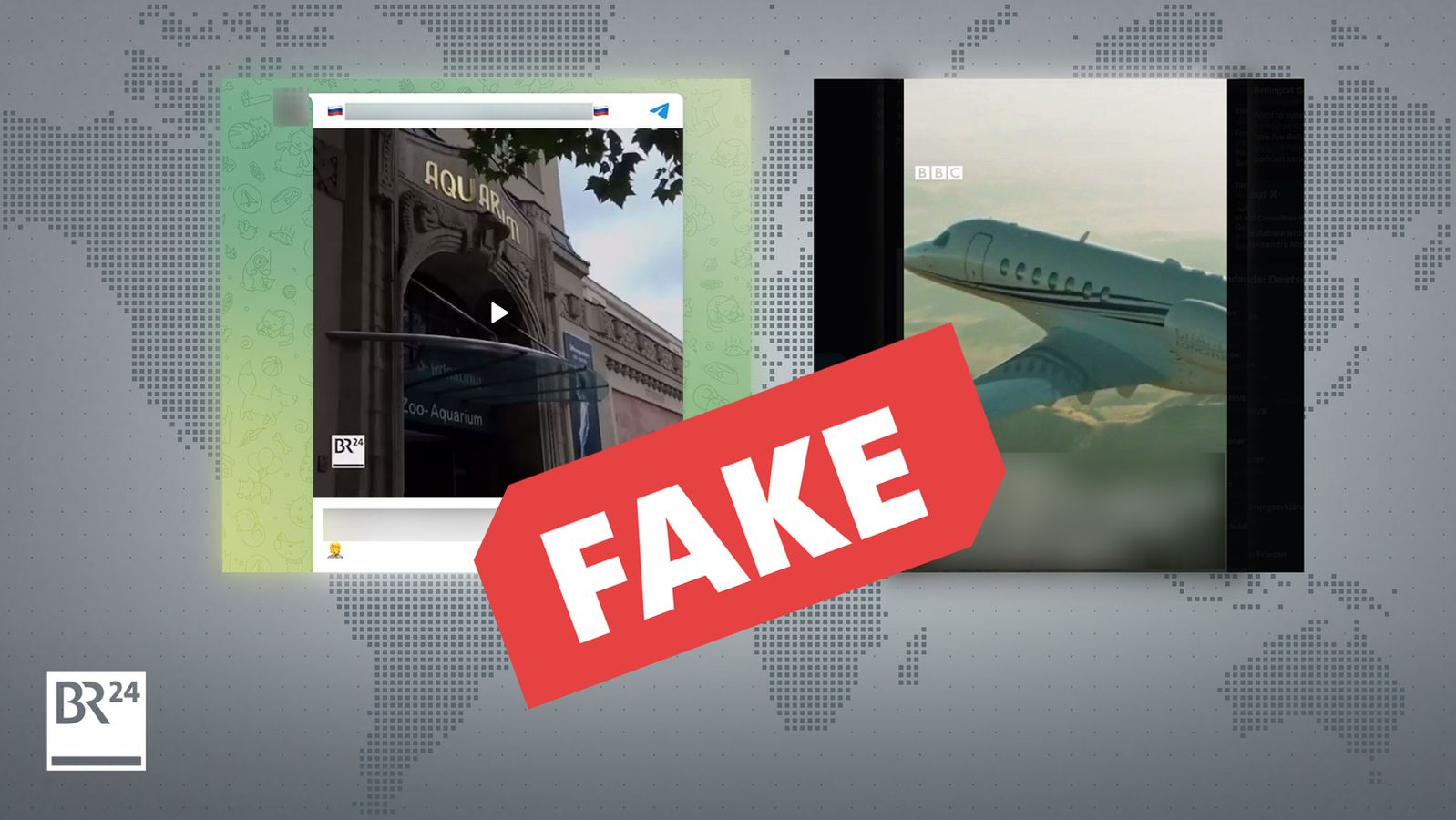
In einem gefälschten BR24-Video wird behauptet, ein Ukrainer habe im Berliner Aquarium einen giftigen Fisch gestohlen.
Publisher’s rating: Frei erfunden. In dem Fake-Video wird der Stil von BR24 kopiert, BR24 hat nie so ein Video veröffentlicht oder darüber berichtet.
A protest in France against McDonald's for supporting Israel.
Publisher’s rating: False
கேரளாவில் அரசு மருத்துவமனையில் ஒரு நாளில் பிறந்த குழந்தைகள் எண்ணிக்கை : இந்து – 37, கிறிஸ்டின் – 12, சீக்கியர் – 17, முஸ்லிம் 167. இந்திய அளவில் ஒரு நாளில் பிறந்த குழந்தைகளின் எண்ணிக்கை விவரம் : இந்து – 3337, கிறிஸ்டின் – 1222, சீக்கியர் – 1117, முஸ்லிம் 58,167.
Publisher’s rating: misleading
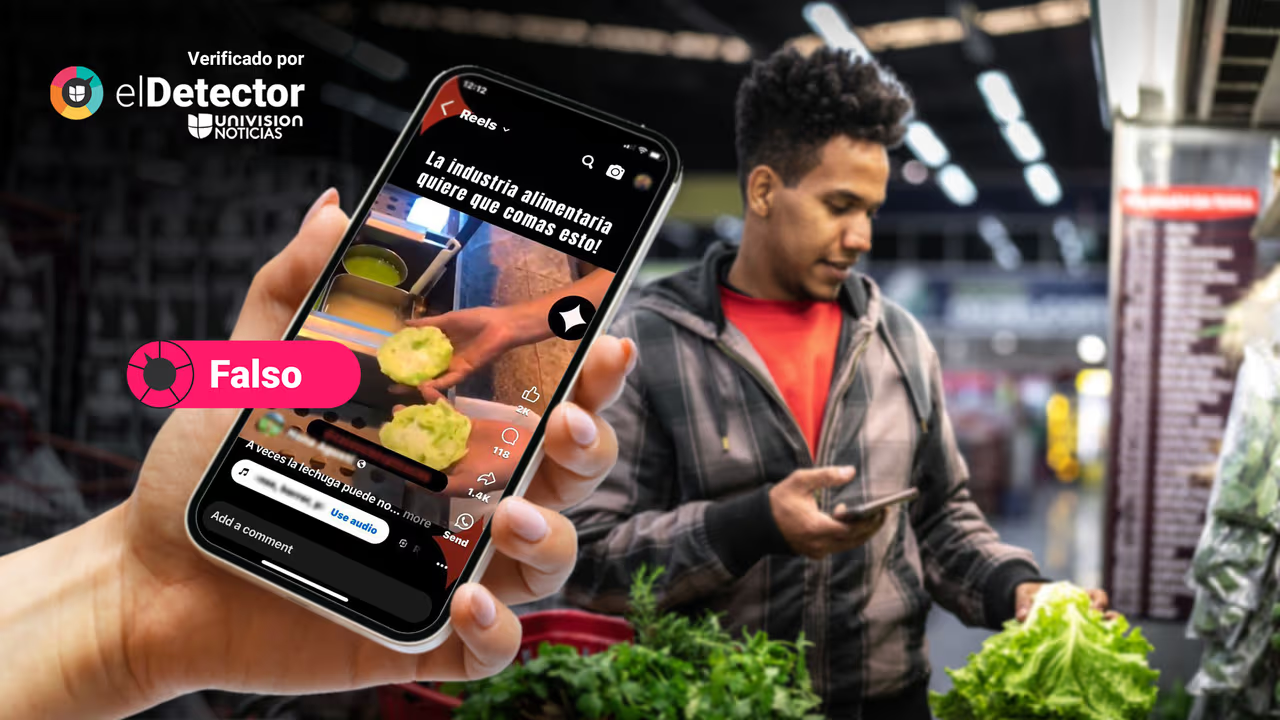
Este video en el que se ve a una persona verter una sustancia verdosa en agua enseña el proceso de elaboración de lechugas sintéticas que "la industria alimentaria quiere que comas”.
Publisher’s rating: Falso
The claim concerns a viral video showing someone spreading liquid over water to form what looks like lettuce. The review says the post circulated on Facebook in November 2023 and asserted that the footage showed the food industry making synthetic lettuce for human consumption. It identifies the footage instead as the manufacture of display replicas used by Japanese restaurants so customers can see what a dish will look like before ordering. The review names this craft sampuru and says the replicas are made from wax or plastic, not for eating. [S1: “Un video en el que se ve cómo una persona esparce unos líquidos sobre agua para dar forma a una lechuga no enseña el proceso de elaboración de alimentos sintéticos que ‘la industria alimentaria quiere que comas’, como asegura una publicación que se ha viralizado en Facebook en noviembre de 2023.”; “Las imágenes son de la fabricación de muestras de comida hechas de plástico o cera que muchos restaurantes de Japón exhiben para que sus clientes vean cómo lucirá su plato antes de ordenarlo: un arte conocido como sampuru.”] To check the video’s provenance, elDetector reports conducting a reverse image search on Google. It says that search located a TVMAS video containing the same images, in which the process was described as making food replicas from wax (and, more generally, plastic) for restaurant display. The review also points to the TVMAS video’s explanation that the footage had gone viral because people thought the items were edible lettuce. These details identify the specific footage as decorative food replicas rather than evidence of food production. [S1: “En elDetector hicimos una búsqueda inversa de imagen en Google y encontramos un video de la televisora chilena TVMAS en el que aparecen las mismas imágenes y se explica que lo que se observa en ellas es el arte del sampuru: la elaboración de ‘réplicas de comida’ hechas a base de cera (en el caso de estas imágenes, aunque también se hacen de plástico) con fines de exposición en los restaurantes y no de consumo humano.”; “En un momento de ese video (minuto 4:19), publicado en YouTube el 21 de abril de 2022, incluso se menciona que ‘se viralizó porque la gente pensaba que eran lechugas de comer’.”] The review notes that the footage had previously been recirculated with a similar false interpretation: it says fact-checkers debunked claims in 2017 and 2019 that it showed a lettuce factory in China. It concludes that the video shows Japanese-style food replicas displayed for restaurant customers, not synthetic lettuce made for human consumption. [S1: “Pues no es la primera vez que esta grabación es difundida en redes sociales haciendo creer que muestra el proceso de elaboración de lechugas sintéticas para el consumo humano: verificadores desmintieron en 2017 y 2019 que se tratara de una fábrica de lechugas en China.”; “Las imágenes corresponden a la fabricación de réplicas de alimentos que se usan en Japón para que los comensales puedan ver cómo serán sus platos antes de pedirlos, una técnica conocida como sampuru.”]


ఈ ఫోటో కార్తీక పౌర్ణమి దీపంతో వైభవంగా ఉన్న అరుణాచల ఆలయానిది
Publisher’s rating: FALSE

यमन आतंकी इजराइली के लिए कहर बना हुआ है । यमन ने इजराइली जहाज के बाद एक इजराइली पनडुब्बी पे भी कब्ज़ा कर लिया है
Publisher’s rating: False
ನಟಿ ಆಲಿಯಾ ಭಟ್ ಕೋ-ಆರ್ಡರ್ ಸೆಟ್ನಲ್ಲಿ ನಲ್ಲಿ ಕ್ಯಾಮೆರಾಗೆ ಪೋಸ್ ನೀಡುತ್ತಿರುವುದನ್ನು ಈ ವೀಡಿಯೋ ತೋರಿಸುತ್ತದೆ.
Publisher’s rating: ಫೇಕ್

Hino do Corinthians foi cantado durante o show da Taylor Swift
Publisher’s rating: Falso
Where the data comes from
Fact checks come from Data Commons and link to the organizations that published them.
What you’ll find
Each result links to the original fact check. Open it to read the publisher’s findings, with summaries and supporting sources where available.
Report an error
To report an error, send the page URL and supporting evidence.